Tag: Menstrual Hygiene

  • Eco-conscious period packing list

    Eco-conscious period packing list

    A period packing list is an underrated one for sure but when you plan ahead for a period that lines up with your travels, being prepared with the following products will eliminate a lot of the stress that comes with menstruating, especially when you’re not in the comfort of your own home.

    I’ve put together this low-waste period packing list with cramping, comfort and cravings in mind as well as, of course, options that have a reduced impact on the planet whilst you explore it.

    The following products will not only empower you by letting you be your best self on your period but they also empower other women too. The two brands I have worked with to create this period packing list for you, Coconut & Cotton and Saalt, are female-owned brands who also support organisations that offer menstrual health education and products to women in need around the world.

    Every day girls all around the world miss school on their periods because of discrimination, lack of information or no access to menstrual hygiene products. UNICEF estimates 1 in 10 girls in Africa alone miss school because of their periods. 

    Patriarchy dictates that we are to feel ashamed of our periods and as a result, education on menstrual health and access to affordable products is lacking all around the world and this is simply unacceptable. We deserve to take back the power and beauty behind the natural process of our periods for all people who menstruate and together we can by supporting companies and organisations that do just this. My personal recommendations are:

    The products recommended in this period packing list not only help to empower you and other menstruating people, they are also low waste. They have been designed, made and chosen to last you years and eliminate as much single-use waste as possible.

    This period packing list is also handy for putting together an environmentally-conscious period care package for someone you know who has just started their period for the first time or is finding menstruation more challenging than others.

    To purchase any items from Coconut & Cotton or Saalt simply click on the underlined links or on the photos below and you’ll be taken to their online store where you can add them to your basket.

    Use code “HAPPYPLANET15” for a 15% discount on all Saalt products for Earth Day!

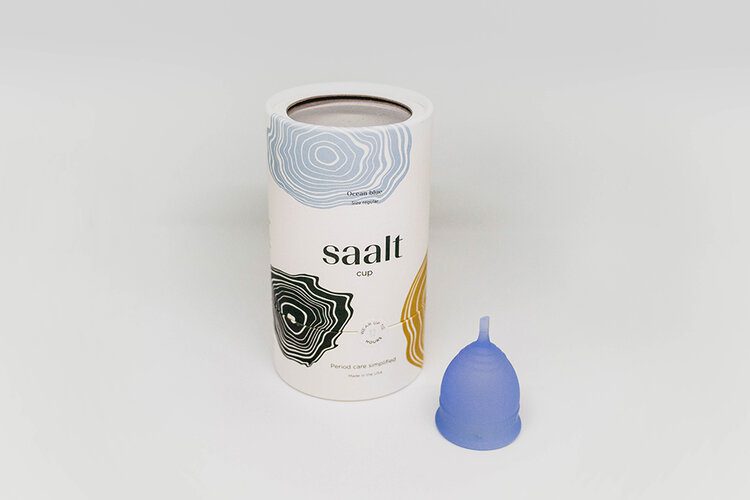
    Menstrual cup

    Let’s start with what a menstrual cup is if you aren’t too sure. A menstrual cup is a silicone cup that is worn like a tampon but rather than absorbing the blood and only being good for one use, it collects the blood and can be washed out and reused for 10 YEARS!

    Though the upfront cost seems significantly higher than a box of tampons, the price of a menstrual cup will end up saving you dollar, dollar for years to come. 

    As well as saving you money, a menstrual cup will also help to save the planet from a vast amount of single-use menstrual waste. With each individual it varies but the average menstruating person will have periods between the ages of 13-51 and will use approximately 11,000 tampons (alone) in their lifetime. With this in mind, the lifetime of a single Saalt menstrual cup (10 years) will save Earth from approximately 2,900 tampons – that’s not even considering pads.

    Saalt has created a very exciting calculator to help you find out roughly how many period products you will prevent from polluting the planet if you switch to a menstrual cup. Calculate how much waste you will divert with Saalt here.

    Before finally switching to a menstrual cup, after I had used what I thought was all of my tampons (they turned up in various handbags and drawers for about a year after), I was eager to use it for the benefits to the environment but I was TERRIFIED. I was scared that it was too big for its purpose, that it would go off on an adventure inside me and need to be removed by, eek, another human being, the idea of emptying it seemed gross and I was really scared that removing it would sting like a bish. Valid fears but once I started using it I found those fears faded away and were replaced by feelings of empowerment and confidence. 

    If you want to read more about my experience using a menstrual cup you can in my blog post Travelling on your period with a Saalt menstrual cup.

    Saalt offers menstrual cups in 3 sizes:


    • Regular – recommended for people with a high cervix or who have carried a child to term. They hold 3-4 tampons worth and are ideal for those with a medium-heavy flow.


    • Small – recommended for people with a low cervix, first time users over the age of 18 and those with a light-medium flow, it will hold 2-3 tampons worth of blood.


    • Teen – Saalt recently introduced a smaller size designed specifically for menstruating people under the age of 18. The silicone softness is between the soft and the original which makes it ideal for young menstruating people. It will hold 1-2 tampons worth.


    Saalt also offers two types of silicone in the regular and small sizes. Their original silicone menstrual cup is firmer, opens more easily and is ideal for those with an active lifestyle. Their soft silicone is better for those with sensitivities such as increased cramping or bladder pressure.

    Saalt offers a Twin Pack which gives you the opportunity to try both their original and soft silicone cups for a reduced price.

    If you’re uncertain about which menstrual cup you need, take Saalt’s cup quiz for extra guidance. You can also reach out to the friendly folk at Saalt for advice.

    Cost

    £24.99 for a single cup and £38 for a Twin Pack or Duo Pack.

    $29 (USD) for a single cup and $49 for a Twin Pack or Duo Pack.

    Use code “HAPPYPLANET15” for a 15% discount on all Saalt products for Earth Day!

    Coconut & Cotton also sell various brands of ethically made menstrual cups.

    Reusable sanitary pad

    Switching to a menstrual cup is scary when you haven’t used one before, even transitioning from tampons to a menstrual cup is a big jump for so many – it was for me. For those who don’t feel comfortable using a menstrual cup on their period or want a cheaper reusable alternative to period panties (see more below) reusable sanitary pads are the answer to your low-waste menstrual health needs.

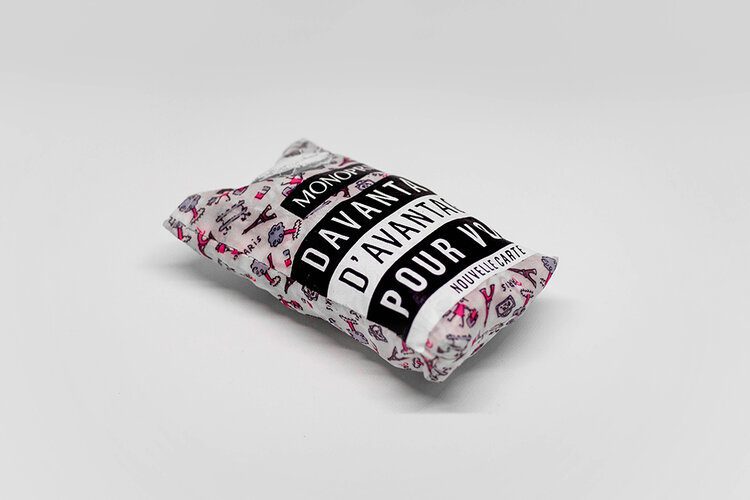
    This reusable Eco Femme organic cotton sanitary pad from Coconut & Cotton comes in fun patterns and recyclable packaging but there’s so much more to the brand Eco Femme that Coconut & Cotton supports.

    Eco Femme products are ethically made by empowered women in Auroville, India. The production of these handmade sanitary pads provides women in rural areas with a living wage and the sales surplus helps to sustain Eco Femmes educational programmes for Indian girls and women as well as provides them with affordable menstrual products.

    When you purchase an Eco Femme pad they give one to a girl in rural India.

    How to wash a reusable sanitary pad

    First soak the used sanitary pad in cold water for half an hour then wash by hand or in a washing machine on a 30ºC eco wash with Tru Earth’s Biodegradable laundry detergent sheets (see more about these below). Hang to air dry naturally.

    Each pad is designed to last for at the very least 75 washes which will cover 3-5 years of period protection! That’s at least 75 plastic sanitary towels that have been avoided! 

    Each single-use sanitary pad made with plastic (most leading brands) takes over 800 years to decompose. Build a collection of pads to rotate during each menstrual cycle and you will be protecting the environment from thousands of single-use plastic waste over your remaining periods. 

    This Eco Femme sanitary pad is a day pad and is made with 6 layers and offers medium protection from leakage. Coconut & Cotton also sells reusable panty liners and a plus pad that has 7 layers for extra leakage protection.

    Cost

    £8.75

    Period panties

    An alternative to menstrual cups and reusable pads are period panties, but what are period panties? Period panties/knickers/undies are underwear that are designed to absorb period blood. 

    I love them because they’re basically a discrete version of a menstrual pad. I haven’t used every brand but I can speak to the quality of Saalt Wear, Saalt’s very own period panties, and they are amazing. They’re so light that they feel like regular underwear with a slightly thicker gusset. They are soft and sensitive and come in various cuts including a thong that absorbs 1-2 tampons worth of blood and high waisted briefs that absorbs 2-3 tampons worth.

    Saalt Wear or any period underwear for that matter can be used either in place of a menstrual cup, pad or tampon if you haven’t made the switch yet they can be used as an extra layer of protection with any of the aforementioned period products.

    Use code “HAPPYPLANET15” for a 15% discount on all Saalt products for Earth Day!

    They are made from an antimicrobial and moisture-wicking material that draws moisture away from your body and prevents odour, they’re also stain resistant.

    What I particularly love about them is that each pair of Saalt Wear is made with three post-consumer recycled plastic bottles! So you’re not only saving plastic waste but you’re also giving it a second life.

    I own a thong in Volcanic Black and bikini cut in Quartz Blush both in medium. The thong is perfect on the lighter day at the end of my period when a cup won’t collect much blood but I still have spotting and I want to avoid VPL.

    Saalt wear comes in a size range of XS – XXL. The sizes run small so I recommend sizing up.

    Cost

    £21-28 (approximate conversion)

    $29-39 (USD)

    Bar of soap

    A bar of soap is already the perfect plastic-free washing alternative on your travels so if you’ve already made the step towards a plastic-free bathroom it’s likely you’ll already have this on your packing list. 

    Allow me to nudge you towards this Friendly aloe vera soap from Coconut & Cotton. As well as washing your hands and body you’ll need soap to keep your menstrual cup (if you choose to use one) clean. It’s very simple to do and only requires a quick wash with cold water and some soap but I encourage you to be mindful of the soap you use. To avoid irritation to your most sensitive area use a perfume-free and gentle soap such as this aloe vera soap. 

    Aloe vera has antibacterial properties which is ideal for washing a menstrual cup between uses.

    Friendly Soap use recycled and recyclable packaging and their soaps are free from preservatives, palm oil and cruelty.

    Cost

    £2.40

    Biodegradable laundry detergent sheets

    Accidents happen but don’t let it ruin your clothes. If your menstrual cup doesn’t quite form a seal or your period starts earlier than you anticipated you may accidentally leak into your underwear, clothing and sometimes bedsheets (we’ve all been there). If you don’t have a washing machine where you’re staying, have a couple of laundry detergent sheets in your luggage. Rinse the area with blood under the cold tap, dissolve a little of the detergent strip (for frame of reference I use half a strip for a light load of washing) into cold water in the sink or bathtub and leave the garment(s) in there to soak for a few hours (judge it on how stubborn the stain is). Once it looks like the stain has washed out, rinse and hang out to dry.

    I switched to Tru Earth laundry eco-sheets in 2020 and I see no reason to go back when there’s all these amazing reasons to use them:


    • They’re dissolvable and biodegradable


    • They’re sensitive


    • They’re vegan


    • They’re phosphate-free


    • They’re paraben-free


    • They’re free from chlorine bleach


    • They’re hypoallergenic


    • They have absolutely no plastic packaging, and the packaging is compostable


    • They’re flat so they are perfect for packing on a trip


    • They’re liquid free so there’s no risk of leakage in your luggage


    Shop either the fragrance free, scented or baby True Earth laundry detergent eco-sheets from Coconut & Cotton.

    Cost

    £13

    Sweatpants

    One of the best things about wearing a menstrual cup is that you can wear whatever you want without fear of leaking (provided it’s inserted correctly). I never felt comfortable wearing light colours with a tampon, especially on heavy days when the string would absorb blood and stain my underwear. After just a couple of periods I knew I could trust my Saalt cup and I don’t even hesitate putting on a white swimsuit.

    Let’s be realistic though, we don’t feel like serving up looks in white swimsuits every day of our period and that’s okay! So pack some sweatpants or something equally comfortable for when you feel bloated and need to just lounge about. Remember to listen to your body and hold space for how to feel.

    Organic chocolate

    Period cravings hit different right? 

    I rarely eat chocolate but come my period it’s all I want and it never tastes as good as when my uterine lining is packing its bags.

    If chocolate is your period craving too then take a look at Cocoa Loco chocolate from Coconut & Cotton. Cocoa Loco chocolate is organic, vegetarian, Fairtrade and is free from Palm Oil. Your craving can satisfy you and care for the planet too.

    Most of us who menstruate crave something salty or chocolate on our periods and though studies can’t really confirm why, we know our bodies want it. So if you’re going to be on your period or premenstrual on a flight, long train ride or road trip then pack some of your personal cravings so you don’t have to go too long without them.

    Cost

    £3.50

    Lavender headache gel

    On the 2nd day of my period, like clockwork, I wake up with a terrible headache that is guaranteed to limit what I will achieve that day if I leave it untreated. In recent years I have reduced the circumstances in which I will take painkillers – I’m not against them, I just don’t want my body to rely on them to alleviate pain – instead I use natural remedies. So when my inevitable period headache comes around I use the lavender headache gel from Norfolk Lavender.

    This translucent gel made with lavender and peppermint oils soothes tension and alleviates stress. Trace some of the headache gel across your forehead and gently massage it into your temples. You’ll know it’s working when it starts to tingle.

    The tiny pot won’t take up much space and can be reused after (unlike packets of painkillers).

    If you’re a Norfolk local or on holiday/vacation in Norfolk, you can shop Norfolk Lavender products from Norfolk Lavender, Jarrolds and Cromer Gift Shop (which has the second biggest stock of Norfolk Lavender products after their own gift shop).

    If you have lavender essential oil knocking around, simply dab a little onto your temples.

    Cost

    £3.75

    Rechargeable hand warmer

    If you suffer from cramps like so many of us who menstruate do, applying heat to your abdomen will help to relax your womb muscles and alleviate cramping. You may find that a hot water bottle or a soak in the bathtub does the trick at home but who really wants to pack a hot water bottle on their travels if you’re not going somewhere frosty?

    If you know heat helps to relieve your period cramps consider getting a reusable hand warmer. It’s compact, rechargeable, heats up quickly, has multiple settings and doubles up as a phone charger (any kind of portable phone charger is a traveller’s friend right?).

    Then come winter (or if you travel somewhere cold) this reusable hand warmer will keep your mitts toasty and you’ll be so grateful to yourself and period cramps for purchasing it.

    Cost

    £21.24

    .

    Coconut & Cotton is a female-owned, environmentally conscious business located in Shaftesbury, south-west England. Both their store and online shop sells affordable plastic-free and low-waste products. Living a life of low impact on the environment is their focus and each one of their products will enable you to live a more mindful and less wasteful lifestyle. When you order from Coconut & Cotton you can trust that it will be sent out plastic free and in reused and reusable packaging.

    If you ever find yourself in Shaftesbury then be sure to pay the owner, Lucy, a visit as she is a ray of sunshine and will be more than happy to share information about her products so you can live a more environmentally-conscious life.

    Saalt is a female-owned menstrual health brand who create clean, ethically made and sustainably sourced menstrual products. Their products enable people who menstruate to care for themselves whilst protecting the environment by using a plastic-free menstrual cup that will last 10 years. Saalt is a certified B Corp and gives 2% of profits to help further educate people around the world about menstrual health and sustainability.

    Go follow Saalt on social media for tips on how to use your menstrual cup and better care for ourselves and the planet. Just like Postcards from Hawaii they openly talk about periods to challenge the social stigma surrounding them. 

    Use code “HAPPYPLANET15” for a 15% discount on all Saalt products for Earth Day!

    For more with Coconut & Cotton check out How to have an Earth-conscious spa day at home with Coconut & Cotton and Sustainable stocking fillers for travellers with Coconut & Cotton.

    For more with Saalt take a look at Travelling on your period with a Saalt menstrual cup.

    Do more on & for the planet, Gabriella

    Pin this post


    This article is a sponsored piece with Coconut & Cotton and Saalt. I was originally and still remain a customer of Saalt and Coconut & Cotton. I highly recommend purchasing your low-waste menstrual health supplies from both of these brands as their advocacy for our environment and menstrual health is unparalleled. 

    As a Saalt Partner I may earn from qualifying purchases made using my affiliate link.

    Use code “HAPPYPLANET15” for a 15% discount on all Saalt products for Earth Day!

    Earth Day discount code is valid from 22nd April – 25th April 2021.

  • Sustainable swaps for travellers

    Sustainable swaps for travellers

    “The greatest threat to our planet is the belief that someone else will save it” – Robert Swan.

    More than ever, the time has come to take a stand against plastic pollution from land to sea. 8 million tons (this number IS shocking, you’re right) of plastic pollution enters our oceans every year causing 100,000 marine animals deaths each year.

    With 40% of the plastic produced every year being single-use plastics, we all need to take responsibility and make as many sustainable swaps as possible to save our planet from irrevocable damage. The problem lies in idly going through life consuming excessive amounts of plastic which have sustainable and reusable alternatives, then incorrectly disposing it, without reusing or recycling, and without any awareness of the harm caused. 

    In this blog post I am focussing specifically on the environmentally-conscious swaps we travellers can make to make the world a better place. It’s no secret that the impact travel has on the environment is significant, so along with offsetting your travel I am sharing the 25 sustainable swaps I have made specifically on my travels, so that we can reduce our wasteful impact around the world:


    Toiletries

    The area you can make the biggest reduction of single-use items whilst travelling is with your toiletries. Toiletries are one of the leading contributors to throw-away items that build up in landfills, our oceans and even on the street! I can’t tell you how many strange places I’ve seen plastic ear buds/Q-tips in peculiar places. By making these simple and sustainable swaps you will be doing more for our planet than you could ever realise:

    Bamboo toothbrush

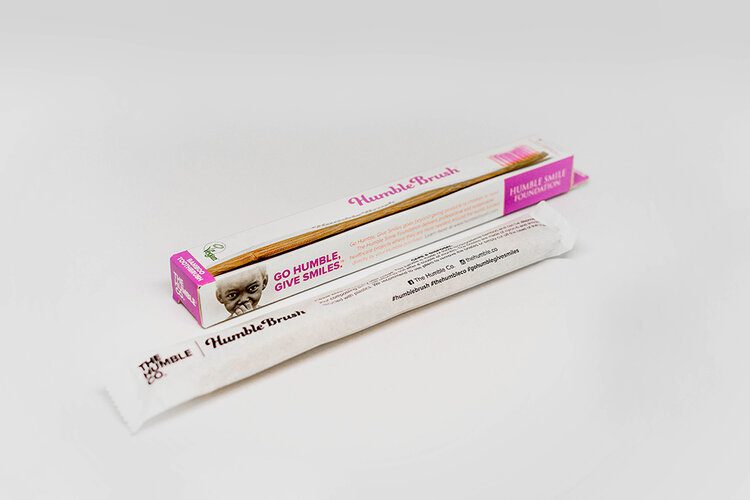
    Did you know that every plastic toothbrush that has ever been made since their invention in the 30s still exists? Why? Because each plastic toothbrush takes over 400 years to decompose and with each person using approximately 300 toothbrushes in a lifetime, well it’s a lot to take in right? So with those figures in mind, it’s about time we started using an alternative. Bamboo toothbrushes are eco-friendly, made from natural fibres and will decompose after use. The Humble Co. was founded in 2013 by dentist Noel Abdayem. He set out to create products that are not only good for us but are kind to our planet too. What’s even more admirable about The Humble Co. is that they also provide dental care for children in need all over our planet via their Humble Smile Foundation, and you can help too as it is funded directly by proceeds from every product sold.

    As well as the product being sustainable, the packaging is too. The boxes are 100% recyclable and the inside wrapper is compostable.

    Chewing gum

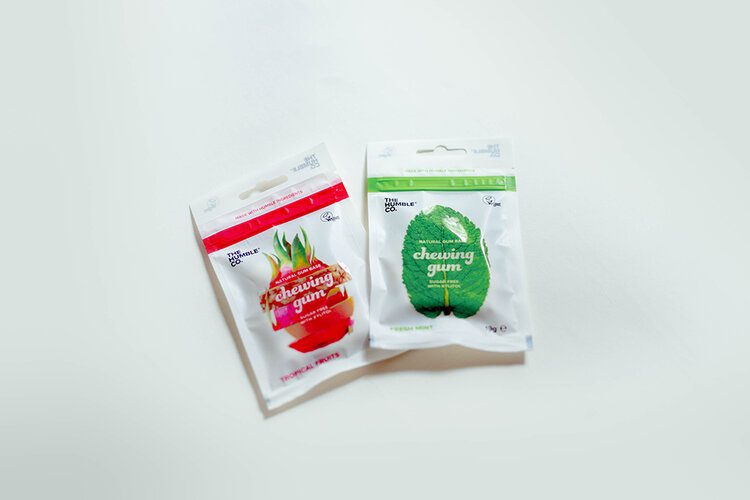
    Sticking (pun not intended but a happy coincidence nevertheless) with The Humble Co. let’s take a look at their chewing gum. It took me longer than I care to admit to realise that if my body can’t digest gum than neither can the planet… Most chewing gum is made from polymers which are synthetic plastics (complicated science stuff, stick with me here) that do not biodegrade and will therefore forever exist on our planet. The Humble Co. however, make a natural alternative made from chicle, a natural gum base from the Sapodilla tree, that doesn’t contain any artificial flavours or sugar, and since the company was founded by a dentist you can trust that it’s good for your teeth!

    Why just stop at mint either, their natural chewing gum comes in lemon, liquorice and tropical fruits too!

    Dental floss

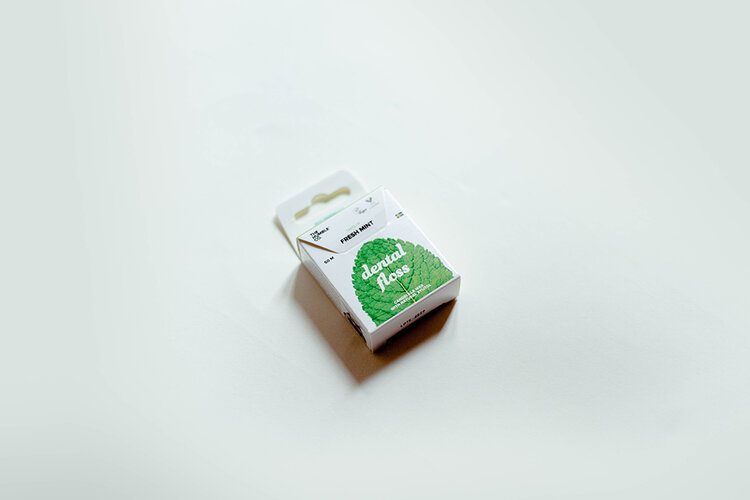
    Amongst many products, some of which are listed above, The Humble Co. also make dental floss. Over 70 million plastic dental floss containers are discarded every year so their solution was to make the packaging 100% recyclable, so it’s simply a cardboard box that does the exact same job with no risk to the environment.

    Bonus: The Humble Co. products are all vegan!

    Bar of soap for hands and body

    It’s time to stop using mini toiletries. As cute as it is to see mini versions of the products we know and love, they aren’t worth the damage they are doing to our environment. Travelling with solid toiletries means that not only will you always be prepared but by using your own packaging-free products you are eliminating the need for single-use mini toiletries all around the world.

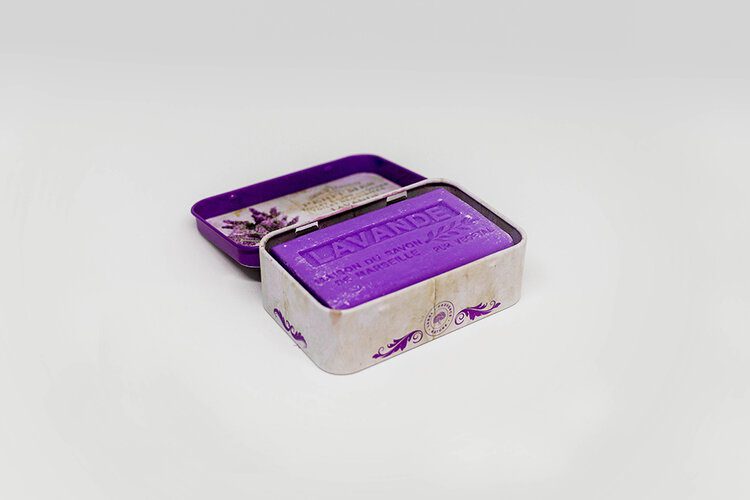
    I use Maison du Savon de Marseille bars of soap for three main reasons:


    1. They are sold without packaging


    2. They smell amazing and have a HUGE variety of scents


    3. They are made with shea butter which means they hydrate your skin as well as cleaning it and they last twice as long as any other soap


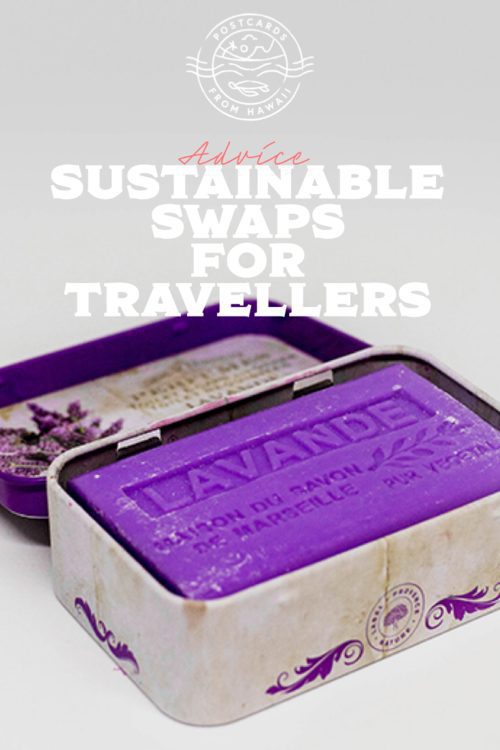
    Plus you can pick up a reusable tin to store it in when you travel.


    Another solid (pun intended) favourite of mine is from Anatomicals because they smell incredible!

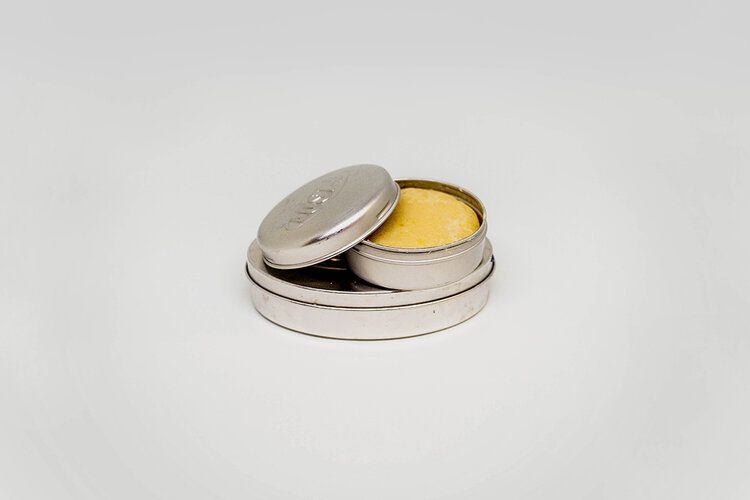
    Solid shampoo and conditioner

    Just like a bar of soap (above), solid shampoo and conditioner bars will prevent the use of plastic bottles, you will always be prepared and they last up to three times longer than a regular bottle.

    I personally use, love and recommend LUSH. They have a significant variety of both shampoo and conditioner bars and sell reusable tins for storage and travel.

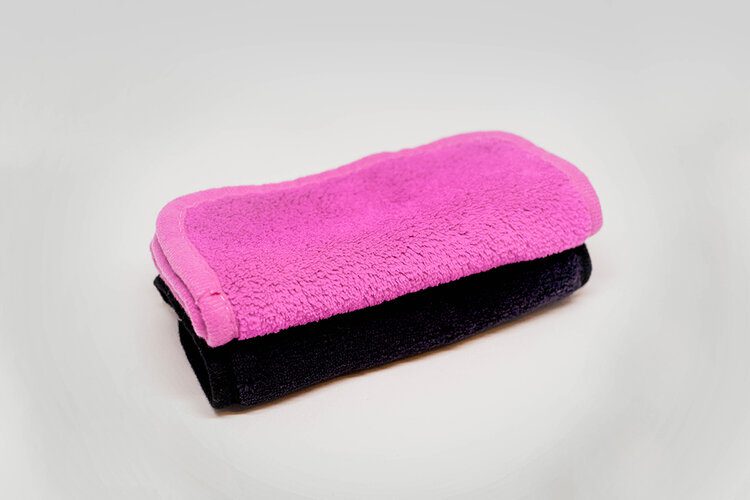
    Magic cloth makeup remover

    Making the switch to magic cloths to remove my makeup last year was one of the best decisions I have ever made. These cloths completely eliminate the need for any bottled makeup remover, all you need is the cloth and water! 

    Simply wet the cloth and wipe away your makeup; its ultra soft woven fabric will remove all types of makeup, even waterproof. To clean your cloth simply wash it in warm water with soap and hang it out to dry. It is the most natural and gentle way to remove makeup without any risk of irritation from chemicals.

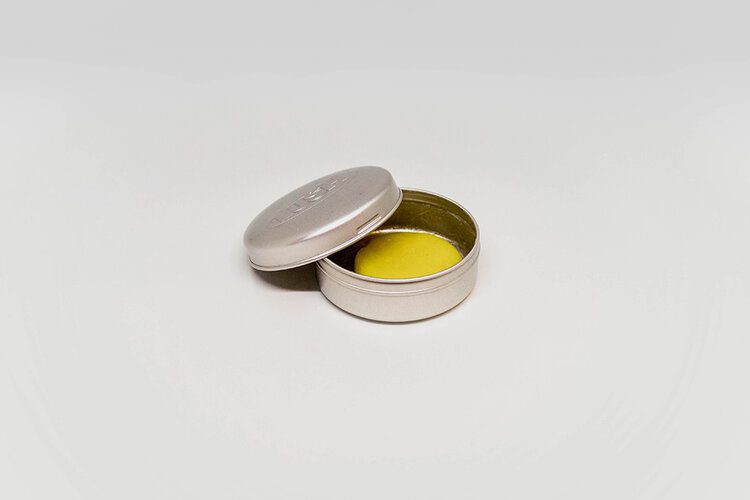
    Zero packaging toiletries

    Where possible, make a switch to zero packaging toiletries such as solids like soap, cleanser, shampoo, etc.

    On the days where I wear a little more makeup than usual, I like to use a solid cleanser to clear my pores of anything gross. I simply rub a little into my hands, massage in into my face and wipe it away with a reusable cotton pad (see next) and warm water before using a responsibly packaged moisturiser (see two below). My current solid cleanser is “Like a Virgin” from LUSH. Its vegan formula cleanses, brightens and tones the skin, plus it smells exactly like fresh Sicilian lemons.


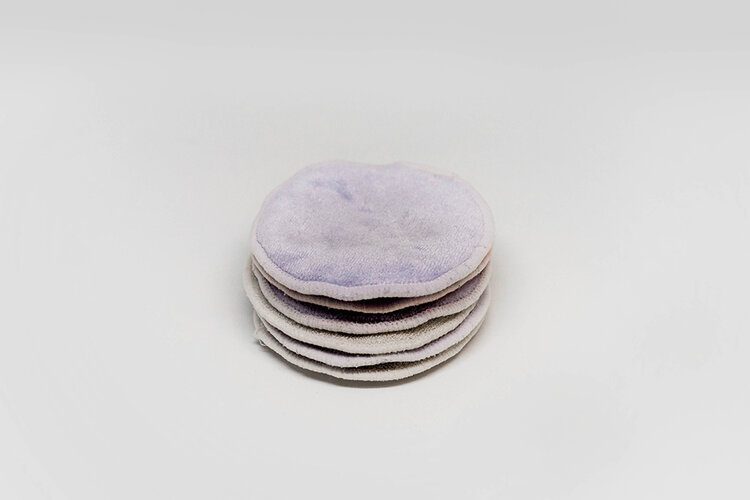
    Cotton pads

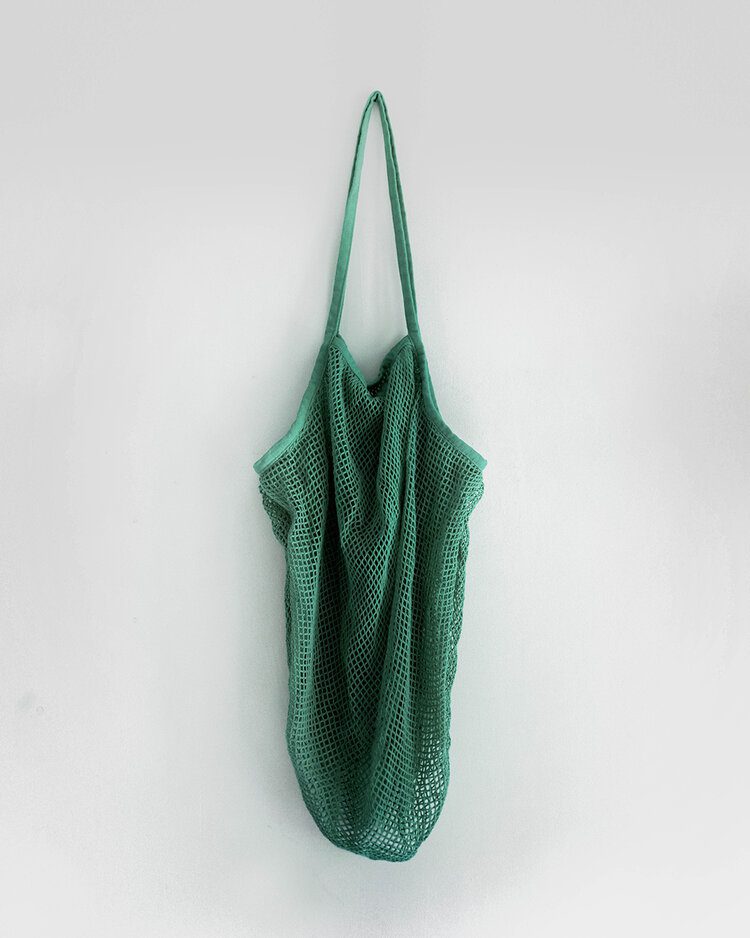
    To use those packaging free/solid toiletries, purchase some reusable cotton pads, therefore eliminating the need for single-use ones. These will not only save you money but they will also save the environment. To clean them, just pop them in a mesh bag (it saves you from having to fish them out between your socks and pants) and into the washing machine.


    Recycled packaging toiletries

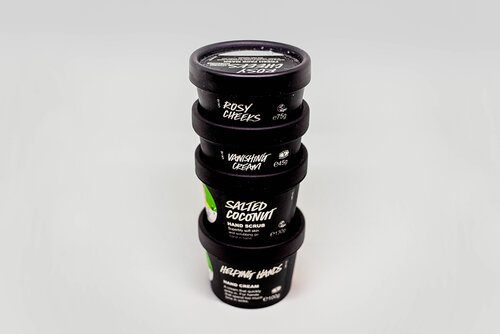
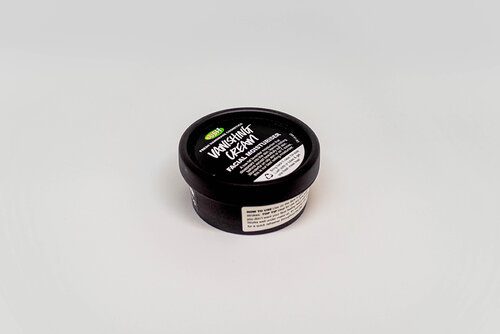
    Not all toiletries can come packaging free otherwise we’d spend an awkward journey home trying not to spill liquids from our hands. Products such as moisturisers, lotions, scrubs etc can be purchased from stores such as LUSH who use recycled packaging. Plus what’s even better about LUSH is that if you return five of their pots (clean) they will repurpose them and you will receive a free face mask!

    I only use facial moisturisers from LUSH for this reason and highly recommend their Vanishing Cream. Its combination of lavender and rose water absorbs immediately into the skin without any greasy residue, leaving your skin feeling soft and nourished. I’ll confess it’s not cheap but a little goes a long way and it’s worth the price to save the environment.

    Mini travel bottles

    If for your own reasons you still need/want to use products that come is plastic packaging (I’m not judging, the only products I have found that tame my frizzy locks unfortunately are packaged in plastic) then I suggest you buy the biggest bottle you can so that it lasts longer, and with that fill smaller reusable travel bottles.


    Natural deodorant

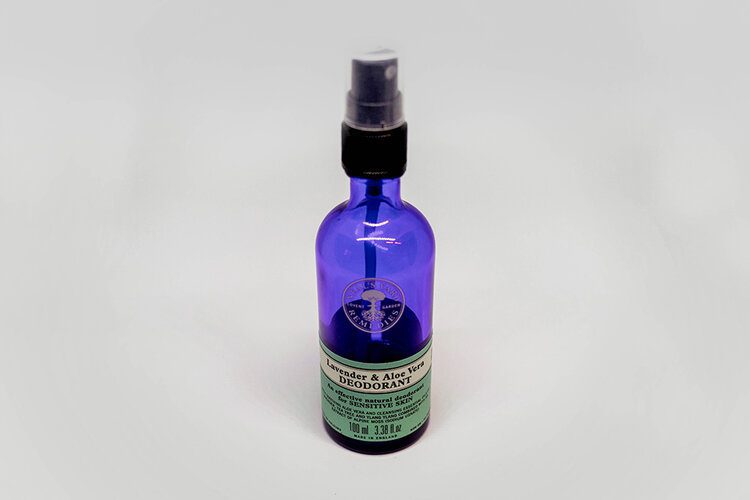
    Far too many deodorants come in single-use plastic bottles so consider swapping to one with more responsible packaging that also has natural ingredients so it’s better for both your body and the planet.

    I am currently using the Lavender & Aloe Vera spray on deodorant from Neal’s Yard because it is made entirely from natural ingredients and the bottle can be repurposed. If you do decide to dispose of the bottle then you can recycle both the glass and paper label and if you take the plastic pump into a Neal’s Yard store, they will recycle it for you.

    Menstrual cup

    For any person who has a period, swapping from tampons and single-use pads to a reusable menstrual cup is one of the best decisions you can make for the planet, your body and your purse! I can’t express how much better my life is now that I have made this swap or how empowered I feel to be bleeding so responsibly every time my period comes around, but to get an idea take a look at Travelling on your period with a Saalt menstrual cup, a blog post I wrote all about exactly why menstruating individuals should switch to a menstrual cup!

    If for some reason you don’t want to read my very informative blog post (shame on you, I put a lot of blood, sweat and tears into that…) then here are some figures to glance at:


    • Over 4.3 billion menstrual hygiene products are thrown away every year in the UK and 20 billion pounds in the USA


    • It takes longer than the lifetime of the user for just one to decompose


    • One cup prevents approximately 3000 tampons from ending up in landfills


    • One cup lasts 10 years and will save an average of £1,150 or $1,500


    Saalt are partnered with Her International, an organisation dedicated to keeping girls in school when they get their periods. With every cup sold, a portion of the profits go to Her International, giving girls the opportunity and means to stay in school during their period so they can receive the education they deserve which will lead to a better quality of life.

    If you want to purchase your new Saalt menstrual cup from their website, use “POSTCARDS10” for a 10% discount on your order!

    Menstrual pads

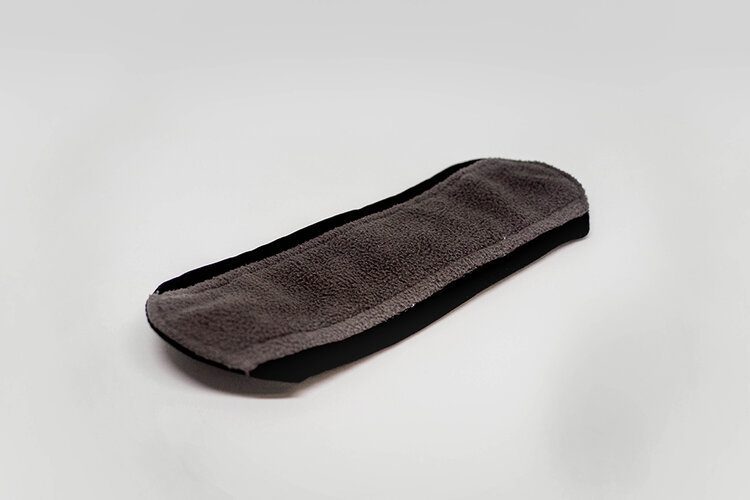
    If something that needs inserting isn’t your thing just yet (no pressure, you do you boo) then make the switch from single-use menstrual pads to reusable cotton menstrual pads. They are made from natural charcoal bamboo fibres and are incredibly absorbent. To clean them you simply pop them in the washing machine with a dark load.

    I currently use High Oh’s reusable pads during evenings where I don’t fancy inserting my cup – you know the really lazy one where you just lay in bed binge eating with Netflix.

    Razor

    According to a recent report by Statista, 163 million consumers in the United States and 5.5 million in Great Britain used disposable razors in 2018, and as they aren’t usually recyclable you can bet they’re poisoning our earth and making their way into our ocean.

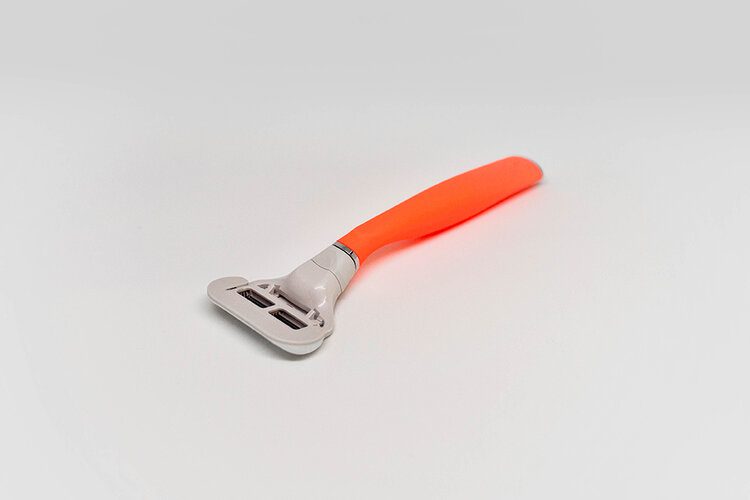
    There are two ways around this and they are to switch to a reusable razor whereby you are only replacing the head rather than the whole body and the other is to use a safety razor where you only need to replace the blades.

    I am currently using a Flamingo reusable razor whereby I remove the head only but I do intend to switch to a safety razor.

    Have you ever noticed how disposable razors are mostly targeted at women and come in all shades of pink but men’s razors are mostly reusable? What’s up with that? Flamingo have recently been taking massive stands against the stigma of female hair removal from the design of the razor to embracing your body hair.

    Shower cap

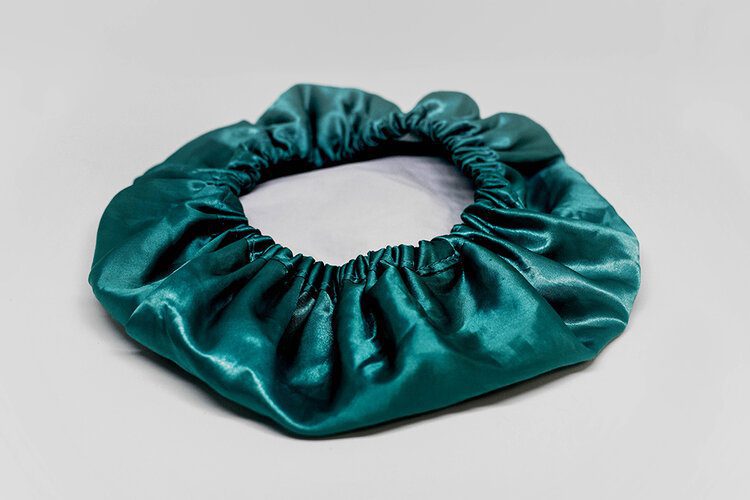
    As most disposable shower caps are made from a PVC-based material, they are not recyclable. Instead of using the disposable ones in hotels rooms, purchase a reusable one so that it has a much longer life.

    Mine is from Boots but I recommend you get one online with a fun pattern!

    Cotton ear buds & Q-tips

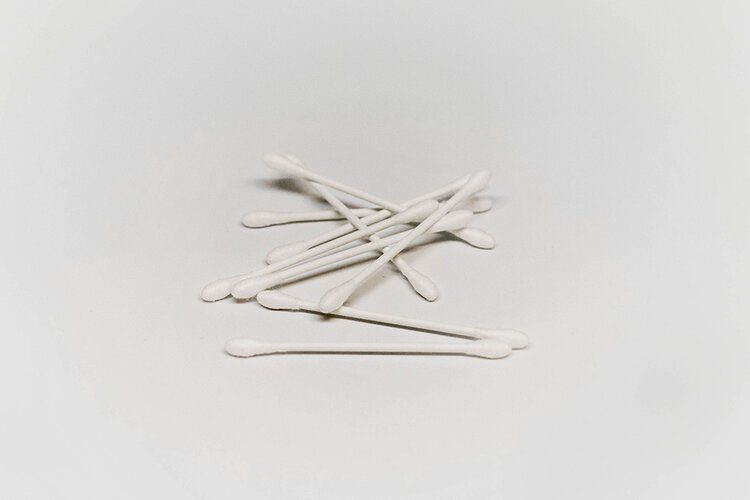
    In May 2019 plastic stemmed cotton buds were finally banned in England with all retailers required to make the switch to compostable paper, wood or bamboo stems before April 2020. Unfortunately this isn’t the case for the rest of the world, so you cannot trust that your hotel or the drug stores/chemists where you travel to will stock compostable ear buds/Q-tips, so travel with your own ones. 

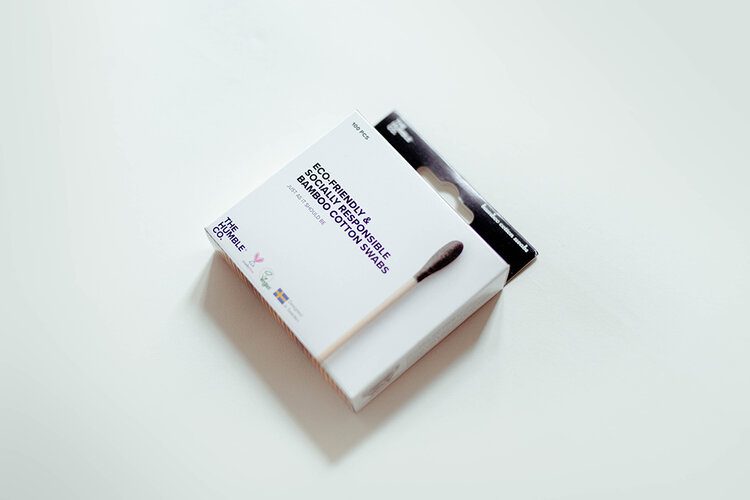
    In the UK you will find compostable ones everywhere from chemists to supermarkets. I even saw The Humble Co.’s bamboo ones being sold in Oliver Bonas the other day.


    Towels

    One of the biggest areas that hotels produce waste is water. Let alone the plumbing in every room, the daily washing of towels and linens produces a significant amount of water waste. Two ways you can avoid adding to this whilst travelling is to leave a note for housekeeping asking that they do not change your towels and sheets during your stay, and then use your own towel. Have you noticed that despite the signs in almost every room claiming the hotel’s green initiative, and telling you that if you fold your towels they won’t wash them to save water wastage, for some reason your towel always disappears off the hook and a fresh folded set is on the rack? Yeah, not cool!

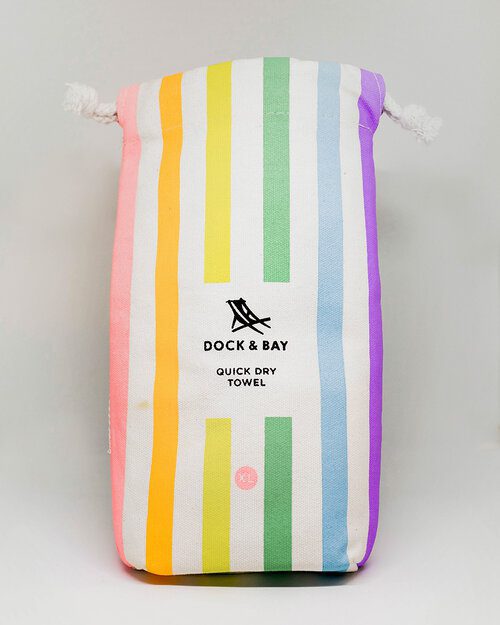
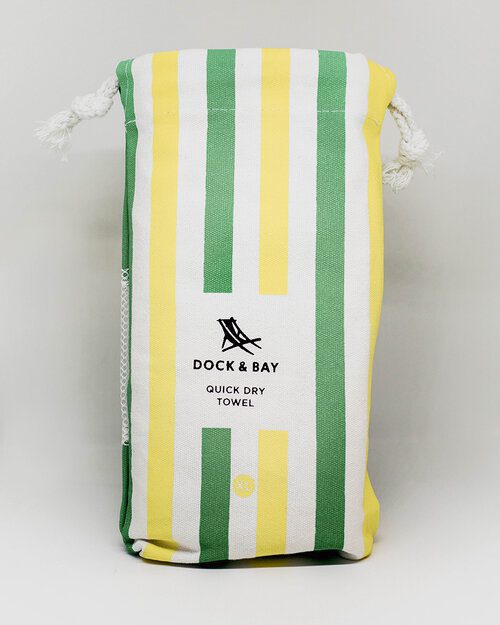
    Dock and Bay’s towels are compact, quick dry and sand resistant, all of their packaging is 100% biodegradable and they have an eco collection which features towels made from 30% recycled materials. Plus they come in all sorts of cute colours and designs all named after popular travel destinations! They also have hair wraps which save you from needing two towels if you have longer hair.

    Food

    The second best way to reduce your plastic waste whilst travelling is to travel with reusable food items that prevent single-use plastics such as water bottles and coffee cups from being consumed excessively. By using a reusable water bottle you will be saving the planet from 40 plastic bottles PER YEAR! Here are few ways you can save the planet and also money by not having to eat out all the time:

    Cutlery

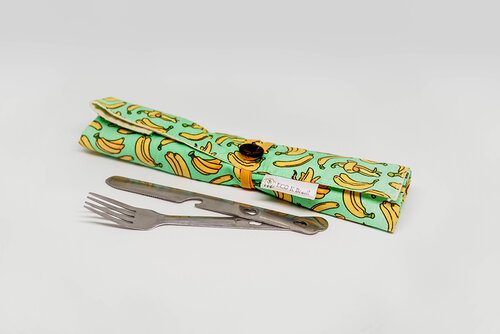
    Whether it’s bamboo or metal, start travelling with a set of cutlery to prevent the need to use plastic cutlery. This kit will also prove to be very helpful in hotel rooms if you want to rustle up a bite to eat.

    I bought mine as a camping KFS set from Mountain Warehouse for £4.99. I chose metal because Michael (my partner) has a habit of snapping our bamboo straws and I wanted our cutlery to be sturdy and last as long as possible. 

    We picked up this little wrap for them on a market in Brazil but they’re super easy to make if you want to do it yourself. If not, this specific KFS set from Mountain Warehouse clicks together so you won’t have stray cutlery in your bag.

    Bamboo straws

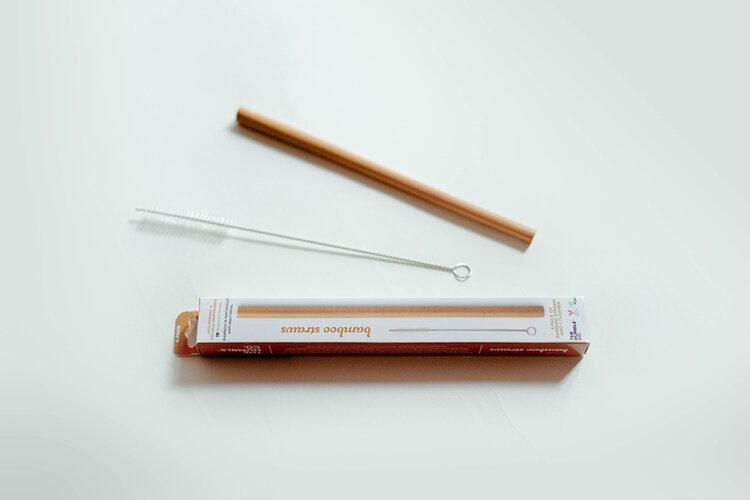
    Throwing it back to The Humble Co. they also make bamboo straws to accompany their many other bamboo alternatives. With over 8.5 billion plastic straws used annually (yes, you read that correctly), it is imperative that for the sake of our planet, and all the creatures living on both land and sea, we make the swap to a responsible choice. The most sustainable being bamboo because it can be reused (unlike paper) and will decompose naturally (unlike glass and metal). Of course paper, metal and glass are all 100% better alternatives to plastic. 

    The Humble Co’s. bamboo straws come with a cleaner as well as a clean conscience.

    Water bottle

    One of the best investments an environmentally conscious, actually ANY, traveller can make is a reusable water bottle. We all need to stay hydrated, especially when we’re out and about exploring, hiking, snorkelling etc. So to prevent the need for endless plastic bottles make the switch to a reusable one. By using a reusable water bottle, you will save our planet from 40 plastic bottles a year!

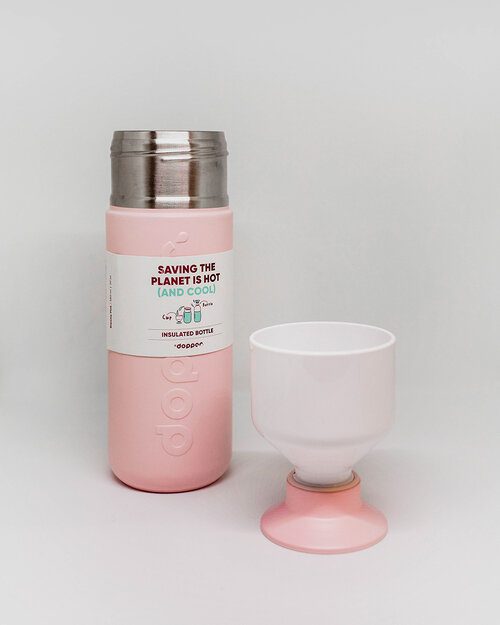
    I used to recommend S’well bottles but after my second one I have come to learn the rubber seal isn’t reliable causing the bottles to leak. So I recently switched to Dopper, a company based in the Netherlands whose mission is to empower people to choose reusable over single-use water bottles to protect our world’s water resources.

    Reasons why I love Dopper: 


    • Every purchase helps to fight to keep our oceans clean


    • The company has launched multiple initiatives around the world to provide clean water to communities in need, and they offer educational programmes to raise awareness of plastic pollution


    • The bottles come in a variety of materials and colours


    • The bottles are sustainably made


    • The bottles are a bottle and cup in one


    • They have thermal bottles that stay hot for 9 hours and cold for 24


    You will be able to fill up your water bottle in pretty much any restaurant or café and many public places such as airports, shopping malls and parks have water fountains. A bottle such as Dopper’s is particularly brilliant for preventing plastic usage on flights as you can fill your water bottle in the airport prior to your flight and if you fancy any other drink, you can unscrew your cup and use that instead of a plastic one.

    Coffee cup

    Along with a water bottle, a reusable coffee cup is one the the best sustainable swaps you can make for the environment. Approximately 16 billion disposable coffee cups are used each year, many of which aren’t recycled.

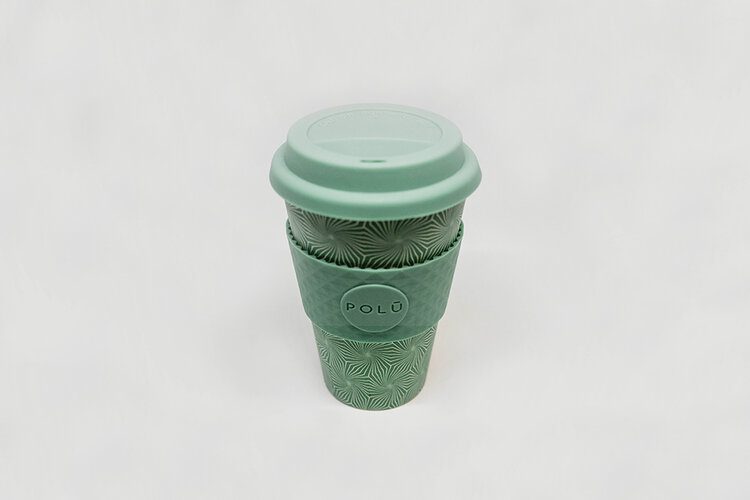
    My current coffee cup is from Polū, a company founded by two Aussie eco-warriors whose mission is to eliminate single-use products and promote Zero Waste living. Their bamboo fibre coffee cups are ethically sourced and completely compostable, whilst their silicone sleeve and lid are both recyclable. 

    What’s better is that with every purchase of a Polū cup, 50p is donated to AccesSurf, a Honolulu based non-profit charity organisation that provides water-based programmes, services, and events for people with disabilities.

    In addition to saving the planet from an abundance of single-use cups, another perk of using a reusable coffee cup is that most leading coffee shops offer a discount when you present your cup. In England for example you can save 25p in Costa and Starbucks and a whopping 50p in Pret.

    If you want to buy your very own compostable Polū coffee cup, saving both the planet and helping AccesSurf bring joy to people with disabilities in Honolulu then click here to make your purchase, and use “POSTCARDSFROMHAWAII” for 10% off your purchase!

    Sandwich wraps

    One of the best ways to save money when travelling often is to pack up your own food for the day instead of having to constantly buy meals out. To read more about this check out my blog post, 6 items for making food in your hotel room.

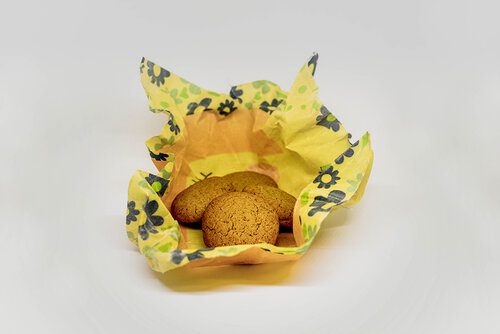
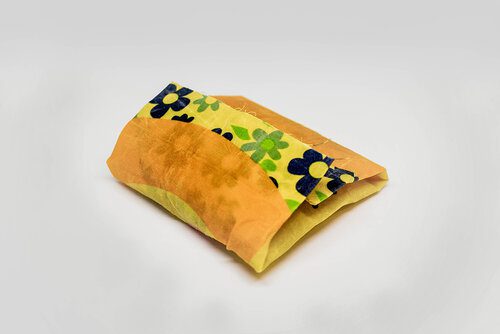
    To prevent using plastic wrap or sandwich bags, purchase a couple of wax wraps, made with either bees wax or plant resin for vegans. Their texture means you can easily fold them around your food and wipe them clean between each use. They’re also great for taking home any solid leftovers should you choose to eat out. You can also get a tin so you can make up and eat salads, pasta etc. on the go or you can take them to eateries to get your food to go packaging free.

    Shopping

    The third biggest area that we travellers can reduce our wasteful impact on the planet is with shopping. I know we’re not always prancing around on the beach in swimwear and buying handmade treasures from local markets, but when we do, when can do it responsibly. Here’s how:

    Shopping bags

    Plastic shopping bags have a lifetime of mere minutes to hours and yet they can take up to 1,000 years to decompose! We have long outgrown the need for plastic shopping bags with reusable alternatives for every thing we have ever used them for. Years ago I used to travel with plastic bags for the following uses:

    Use: Packing clothes in to keep them organised.

    Replacement: Reusable packing cubes.

    Use: Storing my shoes to protect anything in my suitcase from getting marked or dirty.

    Replacement: Reusable waterproof shoe bags.

    Use: Shopping, I would get new plastic bags every time I went shopping for souvenirs etc.

    Replacement: Reusable shopping bags.

    There really isn’t a need for plastic shopping bags anymore. Just keep a couple of reusable bags on you and you’ll never be caught out. You can buy foldable ones from anywhere online to your local supermarket, and virtually every shop selling food or clothes will have a reusable bag you can purchase should you ever be caught out.

    If you have self catered accommodations when you travel and require a supermarket shop, try to buy products that either have zero packaging or recycled packaging. I realise this depends on the place you shop but it’s good to keep it in mind.

    Clothing that is made from recycled bottles and organic cotton

    Many leading brands such as ASOS and H&M have started to get onboard with making garments from recycled bottles and organic cotton. 

    Clothes made from recycled bottles repurpose something single-use into something that can last you for years to come and make you feel good about it every time you wear it. Although it doesn’t sound comfortable you would never be able to tell that it’s made from plastic. The most common garments you will find made from plastic bottles is swimwear, so next time you need some new swimmers whether it’s for doing laps or posing for the ‘gram, consider something that not only looks great on you, but is also doing great things for the environment.

    For women I recommend looking at ASOS because they offer a full range of responsibly recycled swimsuits and bikinis for maternity, tall, petite and regular. 

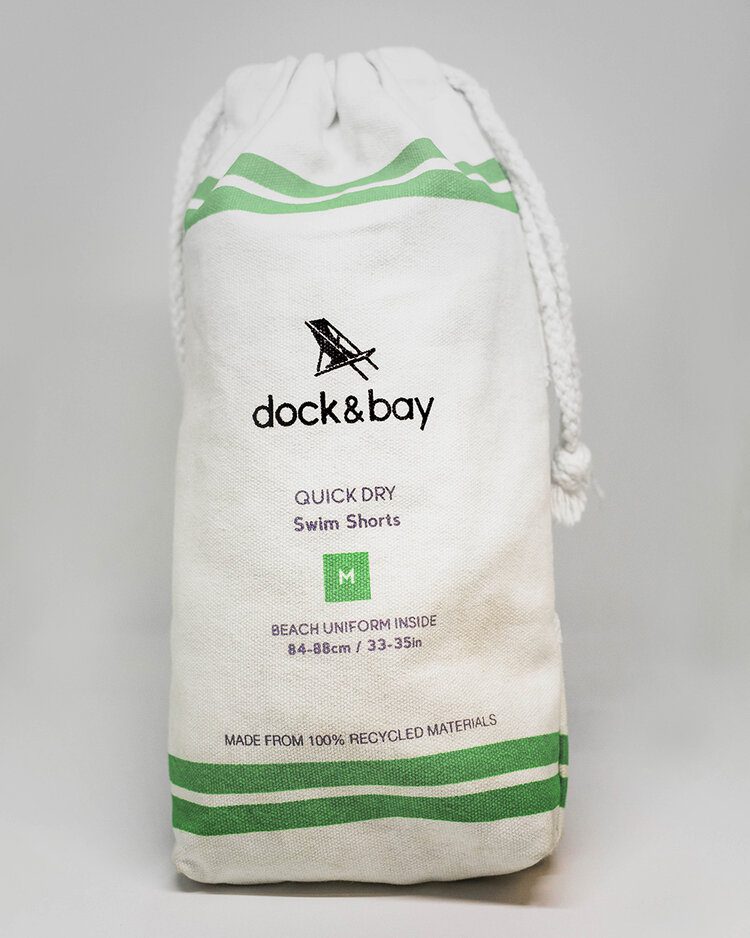
    For men I recommend looking at Dock & Bay. Their shorts are made from 100% recycled plastic bottles with 6 plastic bottles in every pair! I bought Michael a pair for his birthday last year (before I started working with them) and he loves them because they’re responsible, stylish and quick dry!

    Second hand clothing

    Consider buying your clothes from a second hand store either thrifted or vintage. I’ll be honest, I used to be so grossed out by this and it has taken me up until this year to actually start doing it and let me tell you, few things overjoy me as much as finding a bargain!

    . 

    There you have it, 25 sustainable swaps that we travellers can make to reduce our wasteful impact on the environment. Of course, these don’t just apply to travellers, please share this blog post with everyone you know who has a passion for saving the world and anyone who needs to make a start. 

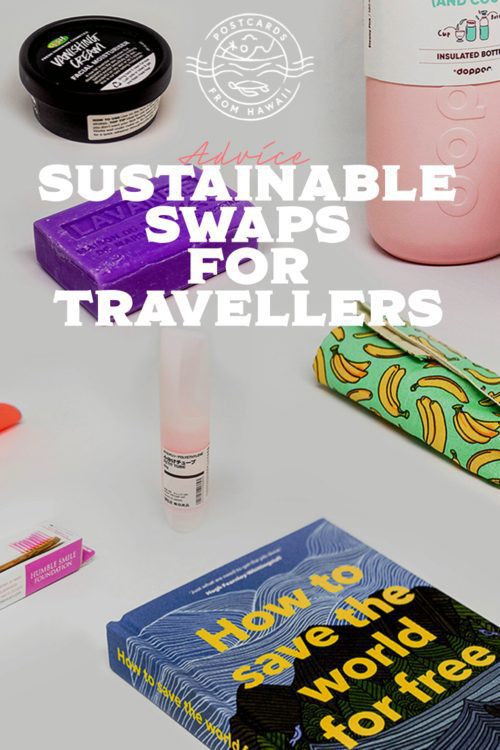
    For more ideas on living sustainably to help protect our planet I strongly suggest purchasing “How to save the world for free” by Natalie Fee. This witty book offers advice on how to reduce your wasteful impact on our planet from food to sex (you bet sex was the first section I read!). There’s even a section on travel.


    Aloha, Gabriella

    Pin this post


  • Travelling on your period with a Saalt menstrual cup.

    Travelling on your period with a Saalt menstrual cup.

    This blog post came about when I was preparing to answer the questions you had sent in about using a menstrual cup, after I did an unboxing on my Instagram stories of the products I received from Saalt. As I was preparing, I realised I had so much I wanted to say about menstrual cups that it only felt right to put it in a blog post where you can always reference it.

    The amount of positive feedback I received from speaking about and educating you on Instagram about using menstrual cups has been mind-blowing. I had so many girls and women reach out to me saying that they want to start using a menstrual cup after watching my stories, I can’t even begin to put into words how happy that makes me. I hope that this blog post educates and encourages you to make one of the best decisions you’ll ever make.

    “Little cup, big difference.” – Saalt.

    It doesn’t matter whether you are male, female or non-binary, menstrual education is a global issue which affects everyone. There are 2 billion people on earth who have periods, but did you know that millions of girls and women miss school and work because of it? 

    #passthesaalt

    Saalt was founded by two amazing women and sister-in-laws, Cherie Hoeger and Amber Fawson. Their story starts with a phone call to Cherie’s aunt in Venezuela when she learnt about the staggering amount of girls and women who don’t have access to menstrual hygiene products. With this information at hand and a burning passion to turn these numbers around, Cherie and Amber teamed up to create Saalt. Saalt creates hypoallergenic, non-toxic, BPA and latex free silicone menstrual cups that simplify period care.

    Aside from the beautiful packaging and positive engagement on social media, the reason I was really sold on buying a Saalt menstrual cup was that they are partnered with Her International, an organisation dedicated to keeping girls in school when they get their periods. With every cup sold, a portion of the profits go to Her International.

    “When a girl gets her period in the United States, she may miss a class. When a girl gets her period in a developing country, she may never go to school again.” – The Pad Project.

    Giving girls the opportunity and means to stay in school during their period gives them the education they deserve which will lead to a better quality of life.

    Now that I use a cup that can be left in for 12 hours, I never have to skip a period again. I just pop my cup in and sit on flights without worrying about getting up to change it. I have been on 14km hikes, gone swimming, kayaking, worn white swimsuits, sunbathed on the beach, been to places with limited toilet access and so much more! Nothing phases me with my cup in, I even forget I’m on my period! 

    Travelling on my period used to be such a dreadful thought and now I don’t give it a second one! 

    Why use a cup rather than single use tampons and pads?


    1. They will save you so much money long term. The average box of 18 tampons costs £3 or $4 and you will be lucky if that’s enough for one period. A Saalt cup costs £23 or $28.99 and it will last you 10 years!


    2. Did you know that over 4.3 billion menstrual hygiene products are thrown away every year in the UK and 20 billion pounds in the USA? Or that it takes longer than the lifetime of the user for just one to decompose? Cups eliminate the need for single use pads, tampons and applicators so they are saving the environment from a lot of unnecessary waste.


    3. You don’t have to change them every 4-6 hours like a tampon. Cups can stay in for 12 hours! The small size holds the amount of three regular tampons and the larger size holds four.


    4. You can swim with your cup with far less risks than a tampon. Tampons absorb water, chemicals and bacteria which increases the risk of infection and toxic shock syndrome.


    5. Speaking of TSS, the risk of getting it with a cup is far lower than with tampons. Leaving a tampon in too long creates the perfect environment for bacteria to thrive which can be absorbed into the blood stream from abrasions caused by frequent use of tampons. The cup collects blood rather than absorbing it like tampons and won’t leave any chemical residue behind.


    6. They are made with no BPA, latex or chemicals. They are non-toxic, odour free and maintain natural PH.


    How is wearing a cup different to wearing tampons? 

    Let me run you through what I got up to on my last period:

    Day 1

    I inserted it and went to my 9am spin class. I then showered with it in, if I was using tampons I would have taken it out and had to put in a new one the second I had dried myself. After work I went shopping, out to dinner and to the cinema, I didn’t have to think about how many tampons to take in my bag or when I should change them. I only emptied, washed and reinserted my cup before going to bed.

    Day 2

    I went to the gym and showered. I removed the cup in the shower, tipped the contents down the drain, washed it with soap and water and reinserted it. You know that race you have with your body to get a tampon in after you’ve showered before the blood makes its way onto your towel? With a cup in, you don’t have to worry about that! I removed my cup, washed it and reinserted it before bed.

    Day 3

    I removed my cup, washed it and reinserted it before my 9am spin class. I was on one of my heavier days so I wanted to empty it before leaving the house. Again I was able to shower with it vs having a tampon. I went for a run with Michael and packed my suitcase before removing, washing it and reinserting it ready for bed.

    Day 4

    I removed, washed and reinserted my cup in the shower before heading to the airport to fly to Portugal. We didn’t get to the hotel until 10pm. I didn’t worry about a long car journey, sitting on a plane or driving to the hotel. I removed, washed and reinserted my cup in the shower.

    Day 5

    I left the hotel at 5am to go shoot photos on the beautiful beaches along the Algarve coast in a white swimsuit. I am never worried about leaking past my cup because I don’t leave it in for more than 12 hours and I always make sure I have a good seal. We got back to our hotel for lunch and then headed to the beach for a few hours of sitting out in the sun, I came back and went to the gym and for a swim, showered and went out for dinner before removing my cup in the evening. Back in the days of using tampons I would never have gone for a swim or felt comfortable in a swimsuit, I would be so conscious of leaks, but with a cup, my period is the last thing on my mind! Plus, I didn’t have to worry about my tampon string soaking up the chemicals in the pool water and entering my body.

    Day 6

    This was a very long day! We went to Spain for the day so I was in the car for about four hours there and back and we walked around all day exploring and sightseeing. It was the last day I used my cup because I had started back on the pill on day five. I had it in all day and the only blood was on the rim, and unlike a dry tampon, it wasn’t at all uncomfortable to remove. I washed it with soap and water and put it in its bag. When I got home from Portugal, I washed it with the cup wash that Saalt sent me ready for my next period.

    In those six days, I never had to worry about finding a toilet to change my tampon, carrying around the right amount of them or packing them. I never had to worry about leaking whilst I sunbathed in my white swimsuit, getting my tampon string wet whilst I swam, changing a tampon on the plane and road trips, or the string getting sweaty when I worked out in the gym. In just one period, using my Saalt cup saved the environment from 21 tampons and applicators.

    Questions you, my followers and readers sent me to answer:

    How long have I been using one?

    I have been using my Saalt menstrual cup since the start of 2019 I have not used a tampon since! It has been not only my favourite sustainable swap but one of the best decisions I’ve ever made.

    Why do I use one?

    For all of the reasons I listed under “Why use a cup rather than single use tampons and pads?”. I have been making huge efforts to swap to as many sustainable and reusable products as possible so I finally made the swap at the beginning of this year when I had reached the point where I had only a few tampons left and the choice was to restock or finally start using a cup.

    Is it hard to insert?

    The first time I was nervous so I called my friend who had been using them for years and she talked me through it. I wet the cup to lubricate it then folded it into a “C fold”.

    Image belongs to Saalt.

    To my surprise, I never found it difficult to insert my cup the first time, and once it was in, I couldn’t feel it. Don’t get me wrong, not every time is a breeze. There have been a few times where it has been a little trickier to insert, just like with tampons every now and then you have a rogue insert which feels uncomfortable from the get go. If this happens I just remove it, wet it, and try again. The first time I inserted my cup, I went to a spin class 30mins later and I actually think it was more comfortable than a tampon!

    How do you put them in?


    • First I wash my hands.


    • Then I check the four holes are clear.


    • Then I wet the cup to lubricate it.


    • I do the “C fold”.


    • I either squat down or prop up a leg on the toilet seat or side of the bath and insert it into my vaginal canal.


    • Once I have inserted it, I let go when I can feel a little pop as the cup opens up. I run my finger around the base of the cup to check it opened out.


    • If it hasn’t, I give the cup a little twist and wiggle until I feel it pop open.


    • I then very lightly tug on the stem to make sure the suction seal has formed so it won’t leak or move.


    • I then wash my hands and I’m ready to go!


    Is it comfortable?

    It is! I trimmed my stem so it didn’t poke me so I can never feel when it’s in!

    How do you know whether to cut the stem?

    Every vaginal canal is different so the cup might sit higher inside you or lower. For me it’s lower so I noticed my stem poking within the first day. I stuck with it for a second day before trimming it back to be certain but after day two I cut to the second notch. The stem is there to locate the cup inside you so it doesn’t matter if yours is long or short. Make sure you cut on these notches using a pair of scissors and make a clean cut.

    Where do you buy it from?

    As I am based in England, I bought mine on Amazon with Prime delivery.

    If you are based in the United States you can also purchase them in store in Target as well as Urban Outfitters and Revolve. Click here for more retailers.

    Their website also offers global shipping and a 10% discount on your first order.

    .

    Some evenings I want a break from inserting my cup so I use HighOh’s reusable pads**. These are great environmentally conscious products for girls and young adults who haven’t used tampons and aren’t confident with inserting a cup just yet.

    .

    So there you have it. A full blog post educating you on why making the switch from single use menstrual products to a sustainable Saalt cup is the right decision for yourself and the planet. It turns out your period holds more power over this world than anyone ever imagined, here is your opportunity to use it to make the world a better place.

    Do more on & for the planet, Gabriella

    Pin this post


    .

    * I was gifted two menstrual cups and cup wash from Saalt, but I had purchased and used their menstrual cup before working with them. Please know that I only recommend products I love and use myself. I wrote this blog post because I wanted to share this information to encourage you to make a life-changing decision that will benefit you and the environment. I was not paid to create this blog post.

    ** I was also gifted a pack of reusable pads from HighOh. They are far more absorbent than cotton pads and you just need to pop them into your regular dark wash in your washing machine.

    .

    As an Amazon Associate and Saalt Affiliate I earn from qualifying purchases.