Tag: Starling

  • Essential apps every Jetsetter needs

    Essential apps every Jetsetter needs

    There’s a lot of controversy surrounding apps, it can be argued that they make us lazy, that there’s nothing like turning the page of a physical book, that we’re becoming ill-equipped to navigate with a real map that doesn’t have a moving blue dot and I can’t imagine the postcard industry is all that healthy at the moment. 

    For the most part I agree, I mean have you tried to track your whereabouts with an actual map recently? I feel like Joey Tribbiani when he stepped into his pop up London map in The One with Ross’ Wedding.

    What we are to be grateful for though is how all of the below “fits” into your phone or tablet, and that if it wasn’t for the advancement in technology, to be able to have all of these things to hand would mean travelling with at least six books. Not to mention the extra bulk of an iPod or walkman – if your childhood goes back as far as mine and if it does can you remember hauling around our extra CDs?! Honestly it’s a miracle we didn’t all put our backs out earlier! My point is, that’s a lot of stuff that has been reduced to one piece of technology. 

    So let me take you through the apps I’m using for planning, transport, accommodation, communication and entertainment that help me to plan a trip a lot quicker than ever before.

    Planning

    Google sheets

    Sheets is my ultimate app when it comes to planning trips. I know it seems excessive to most people but I plan out all of my trips by making an itinerary spreadsheet. I’ll pop in all the dates I’m away and fill in each activity and hotel with all the details I might need to know at a later date. The spreadsheet doesn’t mean everything is fixed to that day, it’s there so that I can access opening times, ticket costs etc., without worrying about an internet connection. I’m a visual person so it helps me to have it all laid out and if I need to move things around I can see straight away what will and won’t work.

    Google Trips

    If you have a google account this app is a breeze, it adds all of your trip details that you receive via email (for example, flights and hotel bookings) and makes an itinerary for you, one that you can personalise for your trip. It’s basically google’s answer for my spreadsheets except you can’t add your own notes to specific days or reservations, so there’s room for improvement. To find out more watch the video here.

    Google Translate

    Most of us probably know from getting a helping hand on our French/German/Spanish homework that Google Translate doesn’t provide the smoothest of translations, but one thing’s for sure, it will help you out if you get in a pickle. Great for vocabulary and making rough translations, you’ll be able to get by in most well-travelled-to countries. 

    The app has come such a long way since it started. You’re no longer restricted to just typing, you can now translate via a photo of the text, handwriting onto the screen and speaking into it. It’s also capable of translating a live bilingual conversation and can even live translate an image of text by just holding your camera up to it.

    Banking

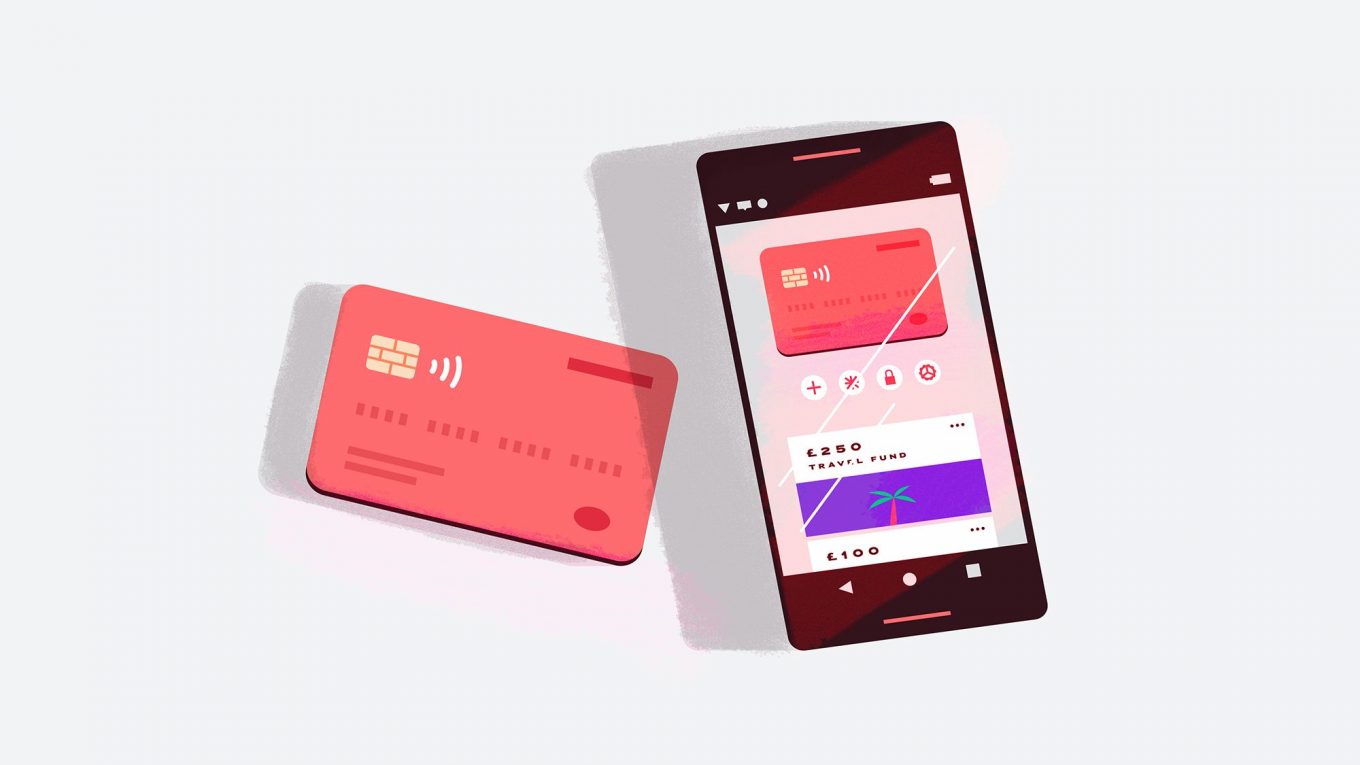
    Honestly, travel cards and online banks are a saving grace! I couldn’t recommend Starling and Monzo enough. Access to their app is secure, their customer service is prompt and reliant, they are Mastercard so for the most part you don’t get charged to use it abroad, you get an instant notification (if you are online) when you spend money that shows you what you’ve spent in Pound Sterling, transferring money over is so easy and there are options to make multiple virtual piggy banks for whatever your heart desires. To learn more about the benefits of travel cards take a look at my post 8 ways to manage your travel money.

    Lonely Planet

    I don’t plan to stop using my LP travel guides anytime soon, they are so helpful. If you aren’t planning on travelling around the country/city/state etc you’re going to and don’t need an abundance of information, or are even just looking to save money by not purchasing the book, you can access heaps of information on their app for over 200 destinations. If you want to know what the must see places are where you’re going then I strongly recommend using Lonely Planet.

    Transport

    Skyscanner

    It’s amazing for comparing flight costs across the board. You can view flights for specific days or even a whole month depending on how flexible you are, plus if you’re really looking to save money you can search for flights to “everywhere” to see what comes out cheapest. Skyscanner compares a huge range of airlines, you can set alerts for when the price drops on flights you have your eye on and there is an option to book multiple legs of your trip which is a seriously great feature that can cut out the need for travel agencies, saving you time and money. They also compare rental car hires and hotels!

    Airline

    Once you’ve booked your flights, download their app (if they have one). The app gives you easy access to your booking should you need to amend it, it’s a far quicker process for checking into your flight, you can view your itinerary easily and most importantly you can save trees by having your boarding pass on your phone. Some airlines such as WOW Air even use their apps to give you access to their inflight entertainment.

    Google Maps

    Save money by not paying for the sat nav system in your rental car or network data if you get lost by downloading areas for offline use. Once you know where you’re going, download the areas you need by searching for it on the map, selecting “offline maps” on the app’s menu, press “custom map” then all you need to do is adjust the amount of area you want to have offline access to and press “download”. Make sure you have a good Wi-Fi connection before doing this because it may drain your data. The other brilliant thing about Maps is that you can save and tag places so they’re easier to locate on your map. This does need to be done online but once you have saved them you will be able to see them offline.

    Uber

    Uber is great for cities and around touristy areas, you can use your card unlike many taxis and you don’t have to worry about stepping into the street to hail one. Plus you get an upfront cost that you can trust rather than getting ripped off in a haggle war.

    Public transport maps

    Of course, the cheapest option is to use public transport. Maps for train and bus routes are available in app form and most are able to plan your route for you, tell you how long it will take and show the cost. For example, RATP is the app for the Paris Metro and bus lines.

    Accommodation

    Hotels.com

    I LOVE using hotels.com because not only do they have a great loyalty programme that gives you bigger and better discounts the more you book with them but they also offer a rewards system whereby if you collect ten nights you get one free. The room value will be the average amount of your ten bookings and can be added to a longer booking or used for just one night.

    Lastminute.com

    I’ve got some great discounted last minute trips here, if you’re not restricted to going away at a certain time or don’t have your heart set on a certain destination then lastminute.com can relieve you from a lot of travel planning stress with the flight and hotel packages they offer for crazy prices. The last time I used them was to book our 6 night trip to the Amalfi Coast in February. We stayed in an absolutely stunning hotel and got an incredible off season deal for it.

    Communication

    World Time Buddy

    Even at my best I’m pretty pants at working out what time it will be in different time zones so to make it easier on myself I use World Time Buddy. The greatest thing about this app is that you can see time zones lined up for each hour of the day rather than just the current time like our usual world clocks do on our phones. This is so helpful for scheduling calls, posting on Instagram and knowing if you’re going to either get a response straight away from someone or annoyingly wake them up. With over 20,000 locations you can personalise the ones you want to see.

    Messaging

    Whatsapp, Facebook Messenger etc. to stay in contact with friends and family without it resulting in a huge phone bill.

    Video calling

    Skype, Facetime etc. so you can see your friends and family plus you can show them around the wonderful places you go. Sometimes we take for granted how far technology has come in terms of communication, I seriously wish these apps were available back when my Dad was flying with British Airways, you can’t imagine what a difference that would have made.

    Entertainment

    Been

    I recently downloaded Been as a virtual accompaniment to my actual map with pins so that I can track where I’ve been in the world. This app will total up how many countries you’ve been and what percentage of the world you’ve seen. It will make even the most seasoned traveller feel humble to what the world has to offer.

    Music

    iTunes, Google Play, Spotify etc. Whatever you listen to whilst away will remind you of that trip for years to come so put together and download a good choice of playlists to soundtrack your trip.

    Video streaming

    Netflix, Amazon Prime, Now TV, More 4 etc. Though it’s not wise to spend a lot of time staring at your screen on couch potato mode, this is a great way to pass time if you’re on public transport (where there isn’t a view out of the window), stuck in the airport when your flight has been delayed or trying to get through a hotel gym work out session. Offline downloads are available on most streaming apps so to save yourself data I suggest you take a moment to download a few episodes or films in advance whilst you have decent Wi-Fi.

    Books

    Who doesn’t love the feeling of being stuck in a good book? If you don’t have a problem reading from a small screen and want to save on packing space, try downloading some ebooks from Amazon Prime, Google Play Books, iBooks etc.

    Camera

    If your camera has it’s own Wi-Fi and the ability to share photos via that NFC you’ll need the app to make that happen. Some apps such as the GoPro one have the ability to control your camera from your phone so you can see what you’re taking a photo of, this is especially handy for selfies.

    Instagram

    Obviously Instagram is very important considering what I do but if you’re not a travel blogger it’s still a great app to have throughout your travels because:

    1. You can share you travels and experiences.

    2.  You can take inspiration from other people’s travels.

    3. You can build a community with likeminded travellers.

    . 

    Of course these aren’t all the travel apps in the world – you’ve probably thought of a few that I haven’t mentioned whilst you’ve been reading – but these are my most used and the ones that have made my journey to booking trips so much smoother than it was in the past and I hope they can do the same for you.

    I’d love to hear about your favourite apps that you use on your travels, spread the love and let me know here.

    Aloha, Gabriella

    Pin this post


  • 8 ways to manage your travel money

    8 ways to manage your travel money

    Identity theft and bank fraud are stressful and mortifying things to happen. Suddenly someone’s wrongdoing become your living nightmare and the burden of recovering your money back ASAP takes over your life. It’s an awful thing to happen at any point in your life, but imagine it happening whilst your on the other side of the world with very little internet and won’t be returning back home for another 3 months…

    Unfortunately for Michael and I, we don’t have to imagine it, because this actually happened to us when we were just one month in to our Round the World trip.

    It was our last day in Australia before heading to New Zealand, we were just about to enter the Blue Mountains National Park when Michael got a text from his bank that had a mini statement saying he had spent money in ASDA a couple of days ago. Straight away this rang alarm bells because we had been out of the country for a month so there was no way he was spending money in an ASDA in the UK. Back then Vodafone used to charge to roam when you were anywhere abroad so we had to pay £5 to use data to get online to find the bank’s phone number to report fraud. After giving his security information he reported the fraudulent activity and they assured him the card had been blocked from use and that his remaining money will be protected whilst they looked into it. 

    The next day however, he called from NZ to check on the progress only to find out that the block was not in place and all of his money had gone. It took our whole road trip from Auckland down to Wellington – lasting about one month – of endless phone calls (most of which were either on hold for hours or disconnected altogether) before we found out that they had spent his money in stores, got cash back, changed all of his personal information (which then made it nearly impossible for Michael to get through to someone on the phone because he couldn’t prove his identity), added an extra person to the account and then cleared out the whole account.

    Eventually, after two very stressful months and a whopper of a phone bill he got his money back. 

    Anyway, horror story aside, here are eight simple pointers for keeping your travel money safe whilst you’re abroad and how you can be prepared should something happen to it:

    1. Write a budget

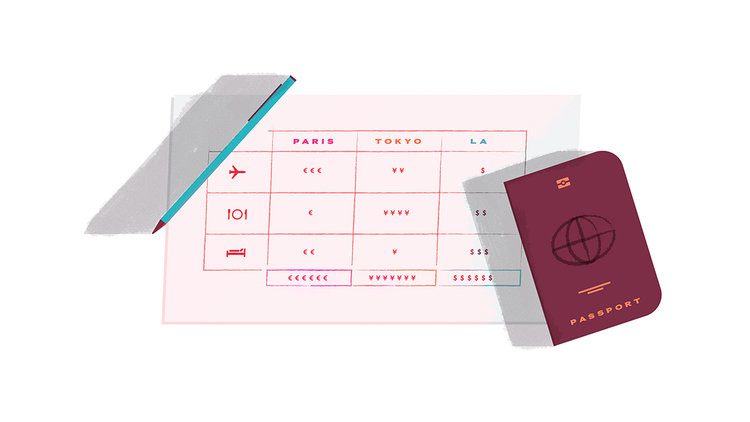
    Whilst planning our Round the World trip, I made a spreadsheet that had the cost of every excursion and activity that we were doing, along with a rough food estimate, hotel prices and an allowance for shopping, souvenirs etc. From this spreadsheet I was able to calculate a rough budget for each destination so I could divide up all the money we had accordingly.

    I now do this for every trip we make. Having a budget means you know how much money to put away, and it helps prevent you from spending more money than you anticipated. When budgeting I always round up and allow a little wiggle room because you’ll never know exactly how much you’re going to spend. Plus this way you have a chance to save money as you go. 

    2. Stash your cash in different places

    Split your physical cash into different compartments across your luggage, so if something gets stolen, all of your money won’t be gone.

    I usually split cash between my purse, my travel wallet (which are both in my hand luggage) then in two different purses in both sides of my suitcase. If I’m carrying a second piece of hand luggage I will put one of the suitcase purses in that instead.

    True Story: Many years ago Michael once went on holiday with someone who was scared of leaving his money in the hotel room, so he kept every penny of it on him. On their first night out, he went to the toilet and got mugged, losing all of his money in less than 24 hours after arriving. Obviously I can’t imagine any of you would do something as daft as this, but it’s a good example of what can happen if you don’t divide up your money.

    3. Split your money across bank accounts

    Similar to above but this time it’s the money in your bank as opposed to your physical cash. 

    When we were gearing up to embark upon our Round the World trip in 2016, we split up our money across eight different bank accounts:


    • X2 STA cash card


    • X2 STA Eccount


    • X2 Debit Card (different banks)


    • X2 Savings Account (different banks)


    Along with all of the above, I also had my credit card and I changed up about £20 in each of the seven currencies we needed, so we had taxi money to hand. Eight might seem a bit excessive but we were going away for 4 months and wanted to be safe. As you’ll have read above though, unfortunately you can never be too careful, but just imagine how stuck we would have been if most, if not all, our money was in that one account that got drained?

    4. Learn your exchange rates

    Know the exchange rates before you go away, this will save you from doing tricky maths with your fingers or wacking out your phone calculator before purchasing something. I always check what £1 and £5 is in the currency of the country I’m going to. I have found I can work out the price of something just from knowing these two. This is especially helpful if you’re bartering and don’t have time to work out the price with a calculator. It also helps to stop you from getting ripped off if you already have an idea of what something costs.

    5. Get to know the money

    Familiarise yourself with the currency so you know what you’re handing over. Take a look at the sizes of the notes and coins, look for identifying pictures or colours. For example, our fivers are small and green but our £20 notes are much bigger and purple. US dollars might all be green but they can be identified by the presidents on them, and each of the Australian quantities have individual colour schemes. 

    By familiarising yourself with the money you are already taking away one big tourist give away. It makes it easier and quicker to pay if you know what you’re handing over, plus haggling prices on markets is far less awkward if you know what you’re dealing with.

    PFH Top Tip: Fold your notes separately in your purse/wallet and organise them by value so you aren’t pulling out a wad of cash wherever you are when you need to spend it.

    6. Consider a travel card

    Travel cards are managed solely online are becoming increasingly popular and are a great way to manage your travel money. 

    My first one was the STA cash card, we were given it for free as we were booking such a big trip with them. At first it seemed like a great idea because it’s a MasterCard that you can pay with and withdraw money from for free when you’re abroad. I didn’t like using it though because the online log in is very complicated, it takes a minimum of four working days for your money to be deposited into the eccount, they charge you to look at your balance at any cashpoint and unless you are spending a large amount of money with them you have to buy the card.

    I now use Monzo (yeah these are the guys with the very popular orange card) and Starling. I much prefer to use Monzo and Starling now because:


    • They have very easy to use apps which are password protected.


    • The apps have the option to make your own digital piggy banks for your different saving goals.


    • You don’t get charged to spend your money abroad.


    • Transfers are virtually immediate.


    • You get a notification as soon as you spend money, provided you’re online.


    • Unlike STA you can transfer money out of their accounts.


    Extra bonus, they both have a really nice design and chances are you will be complimented for the colour of your card when you use it! 

    PFH Top Tip: Apply for Monzo and Starling as soon as possible and not just before your trip because they are in high demand and have a long waiting list. Monzo members are allowed to shortlist someone though so check to see if anyone you know has one.

    7. Apply for a credit card

    They aren’t necessary should you not want to or aren’t able to get one, but there are great benefits to getting a credit card for your travels:


    • Credit cards are like a safety net for your expenses should something go wrong.


    • Hotels require a bank card for incidentals (room service, mini bar etc.), some can be funny about accepting debit cards and prefer credit card.


    • Not all car rental companies will take debit cards and if they do, chances are they will carry out a credit check. Holding a credit card shows that you’re not a credit risk. You will find most rental companies will only take a credit card as insurance should you not return the car.


    • Some credit cards come with travel perks such as travel insurance, lounge access, hotel upgrades etc. It’s worth doing some research into the different companies depending on your style of travel.


    PFH Top Tip: I recommend pre paying for your holiday – flights, hotel etc – with your credit card because should the company go bust before or during, you are protected by the Consumer Credit Act. This means the credit card company has equal liability should you not receive the service you’ve paid for. It’s added protection for your money.

    Pay off your CC as soon as possible to protect your credit score. Remember it’s the bank’s money, not yours so don’t let the debt pile up, they should just be considered a back up plan in case of a problem.

    8. Be prepared

    When the fraudulent activity happened with Michael’s bank account, the people who did it had managed to change all of his personal information which then made it near on impossible for Michael to prove his identity over the phone and get his money back. For this reason I strongly recommend you name a trusted family member on your bank account, so that if anything goes wrong whilst you’re away, they can go in to your local branch and fix the problem with someone in person.

    There’s not a whole lot of point in adding someone for smaller trips and holidays as it won’t be long before you will be home and therefore able to go into the bank yourself, but if you are travelling for a long time or moving abroad, I highly recommend you do it.

    Either way, you should definitely write down or save the phone number for reporting fraud to your bank before you go, so that you don’t have to worry about getting online to find it. You can find the helpline on the back of your bank card but save it somewhere else in case you lose your card.

    .

    What I can say from this experience is no matter how careful you are, you really can’t prevent some things from happening, but these eight tips will help you to be safer and more efficient with your travel money.

    .

    Aloha, Gabriella

    Pin this post