Tag: Gin

  • 10 things to do in a day at St Ives, Cornwall

    10 things to do in a day at St Ives, Cornwall

    St Ives is a seaside town in southwest Cornwall famous for its sun-trap harbour lined with restaurants and bars, art scene with more galleries than you can shake a paintbrush at – including Tate St Ives – surf beaches like Porthmeor and beautiful turquoise waters.

    Originally a fishing village, St Ives is now a seaside resort and is top of everyone’s Cornwall bucket list. Why? Because it’s a cute town with independent shops, pretty views and so many places to eat you’ll want to come back to try more. On that note, spending a day in St Ives by my guide involves a lot of eating so bring your stretchy pants, okay?

    What to pack in your bag for a day in St Ives


    • Reusable coffee cup – to responsibly get your hot drink to-go


    • Towel – to sit on when you’re on the beach


    • Face mask – to cover your face to protect others


    • Hand sanitiser – to protect yourself and others


    Remember to always wear your mask indoors and sanitise/wash your hands as often as possible.

    PFH Top Tip: Keep your face mask on in slightly busier areas such as Fore Street and Wharf Road. Also keep an eye out for a sign in the shopfront that tells you how many customers are allowed in at one time.

    1. Arrive early to get parked

    I guarantee if you ever hear someone recommending a day in St Ives, you will hear them say you must arrive early by car if you have any hope of getting parked. With roads barely wide enough for a single car, corners so tight you can’t but hold your breath when you creep around them, there’s very little parking opportunities in St Ives so the car parks fill quickly. 

    If you plan on driving you must arrive to St Ives before 8.30am to get a spot for your car. 

    The car park we used was The Island Car Park and it cost £8.20 to park all day.

    If you aren’t able to drive you can use the bus and train service. I’ve heard from a friend that the train ride in from St Erth is very scenic.

    2. Get coffee from Yallah 

    So I’ve made you arrive early to St Ives to get parked but you’re like, ugh Gaby, none of the shops are open yet. Make your way to the Yallah Kiosk on Wharf Road and grab a coffee to-go, they will make your coffee in your own reusable cup (yay!) so make sure to hand it over. Click here to read Yallah’s sustainability report.

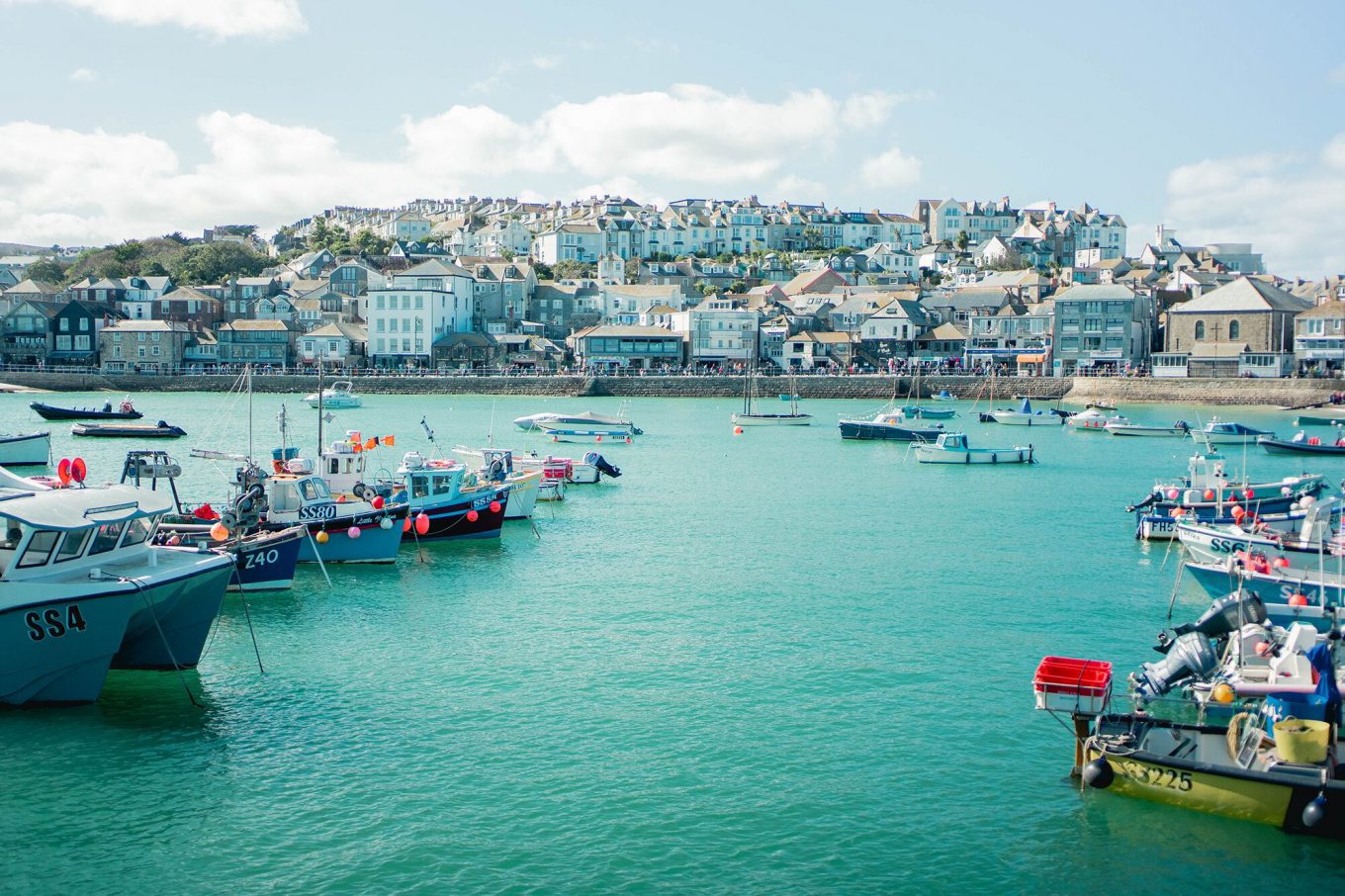
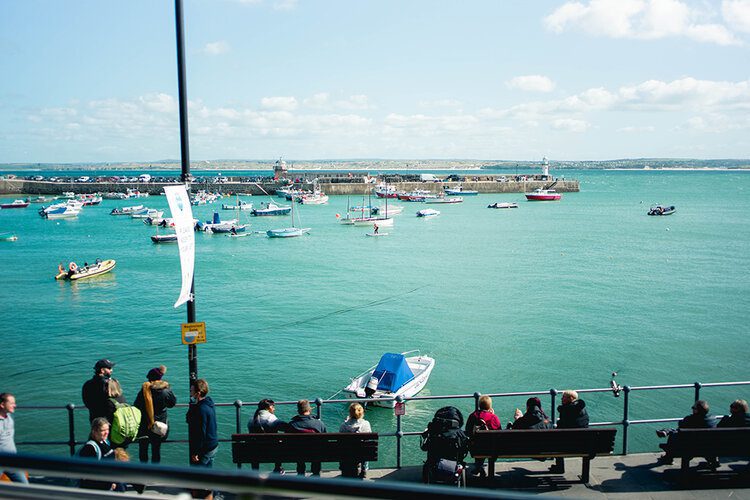
    Take your coffee to one of the benches on the other side of the road and gaze across the harbour at all the little boats bobbing around in the cool clear waters, waiting for the late morning sun to reach them.

    3. Try to spot seals from Smeaton’s Pier

    Take a leisurely stroll over to and along Smeaton’s Pier for a chance of spotting a seal. Catching a glimpse of a seal around St Ives is possible but known to be quite rare unless you take a paid boat trip over to Seal Island.

    Either way it’s a nice little walk to kill time before the shops, galleries and museums open, plus it provides the perfect spot to take a photo of St Ives with the little harbour in the foreground which you can see below.

    4. Visit Tate St Ives

    If you want to step up your gallery game (it’s possible that there’s almost as many galleries in Cornwall as there are Cornish pasties) then book tickets for Tate St Ives. Tate St Ives is an art gallery located just off from Porthmeor Beach that showcases a collection of modern art with local ties.

    The current exhibition “Modern Art and St Ives” is the first that you’ll visit and tells the story of modern artists who are connected to St Ives including Barbara Hepworth, Patrick Heron and Alfred Wallis.

    Hungry for more? Then head on over to the Barbara Hepworth Museum and Sculpture Garden. If you purchase a ticket here first, it’s a little pricer than the Tate ticket but it includes entrance to Tate St Ives.

    Opening hours

    Monday to Sunday 10.00–17.20

    Ticket cost

    Adult £9.50

    Children get free access

    Student £8.50

    Senior (60+) £8.50

    Job seeker £8.50

    People with disabilities £8.50 (companion gets free access)

    Accessibility 

    Each floor is accessible by lift.

    Three wheelchairs are available.

    Accessible toilets are located on the third floor.

    Large print guides printed on yellow paper are available upon request.

    A 10 min audio introduction that describes the architecture is available upon request.

    Guide dogs, hearing dogs and assistance dogs are welcomed.

    COVID-19 restrictions

    Please use the provided hand sanitiser before and after entering.

    Observe the one way system.

    Wear a mask at all times indoors.

    Please stay 1-2 metres away from others.

    5. Explore the nooks and crannies

    With its narrow winding streets that offer glimpses of the sea it’s easy to find charm in exploring the nooks and crannies of St Ives. Stumble across a cute cottage or two, an independent gallery and keep an eye out for special spots that looks like you could be peeping out at the shoreline of Positano. 

    6. Pick up a Saffron Bun from Ferrell S H & Son

    A saffron bun is a spiced bun similar to a tea cake. Yellow in colouring, thanks to the saffron, it sits proud and easily identifiable in the shop window of Ferrell S H & Son’s bakery on Fore St, a family run bakery that has been there since the 1960s.

    It’s a traditional Cornish treat and is up there on the must-try-whilst-in-Cornwall list that also includes:


    • Cream tea with Cornish clotted cream (preferably Rodda’s)


    • Cornish pasty


    • Yarg (cheese)


    Heads up, despite the C-19 pandemic, Ferrell S H & Son only accepts cash so have some to hand to get your bun.

    7. Shop on Fore Street

    Whilst on Fore Street, enjoying your saffron bun, potter around the shops. Here you’ll find some of the best independent shops in St Ives including all things surf, seaside themed and rum/gin focused. My favourites along this little street are:

    John’s Liquor Cellar

    Shopping in John’s Liquor Cellar is like stepping into a cave full of intoxicating treasures including locally crafted beers, wines and ciders but most importantly (for me anyway) gins. You’ll find a vast selection of local gins such as Tarquin’s, Trevethan and St Ives in all their available flavours including Trevethan’s pink grapefruit and lychee or Tarquin’s rhubarb and raspberry. They even sell miniatures so you can grab some souvenirs/stocking fillers for friends and family back home.

    Myrings of St Ives fudge and rock shop

    Myrings’ fudge recipe has been passed down through generations for over 30 years. It’s the perfect spot in St Ives to pick up a sweet treat for yourself or a loved one. 

    Cornwall soapbox

    Pick up some handmade soap, a shampoo bar and a candle to match from Cornwall Soapbox. Each soap is made with pure essential oils and organic African Shea Butter. They each smell amazing and even better, they reduce your plastic packaging waste as they’re wrapped in paper.

    The Sewing Room

    It won’t come up on google maps but it’s a little knitting and crochet shop selling needle, hooks, patterns and wool/yarn which will inspire you to make something or pick up kits as gifts for others.

    Yummy Scrummy Bakery

    Pick up a giant iced bun topped with hundreds and thousands before they sell out to the masses!

    8. Get ice cream from Moomaid of Zennor

    “Legend has it that a young Cornishman was lured into the sea by the beauty of the Mermaid of Zennor. Today you’re more likely to be seduced by Daisy, Primrose and Sid Vicious – just three of the cows that help make Tremedda Farm’s ice cream. They are the legendary Moomaids of Zennor.” – Moodmaid of Zennor.

    Once you’ve been into all the wonderful independent shops on and around Fore Street, pop into Moodmaid of Zennor for some locally made Cornish ice cream. Their ice cream is made with fresh ingredients and in small batches so they can ensure only high quality ice cream is going from scoop to tummy. 

    Their flavours run from traditional vanilla clotted cream to salted almond praline. Take it in a cone or a tub dressed up with the likes of brownie chunks and a stick of fudge. 

    WARNING! Cornish seagulls are buttheads and will take the food from your hand mid-flight. Whilst eating lunch on the beach in Port Isaac, a cannibalistic seagull took half of Michael’s egg mayo baguette from his hand and swallowed it whole as we looked on in horror. Be so careful with your ice cream when you eat it okay? Walking around with food by the shoreline in Cornwall is like entering shark infested waters with an open wound. Alright, even without my exaggeration I still advice you to eat quickly.

    9. Sit on the beach

    If it’s a lovely day out then spread out a towel on the sand and either lay back and soak up some rays of sunshine on Porthgwidden Beach or watch the surfers catching waves on Porthmeor Beach.

    10. Get dinner at Porthminster Kitchen looking out on the harbour

    Porthminster Kitchen is located on Wharf Rd and has an amazing view of the harbour, and oh, when the sun hits the water and it lights up to an electric cyan blue, it feels like you could be anywhere in the Mediterranean.

    The menu features dishes inspired by global cuisine but made with locally sourced Cornish ingredients. They’re sure to tickle your seafood fancies with a wide choice including scallops, squid, clams, mussels and more!

    If you’ve been around here for a while then you’ll know I’m somewhat partial to some fish and chips (fish and chips are life) and of all the chippies in all the land, I have never had mushy peas as good as I have at Porthminster Kitchen. Their spiced peas are like two fish and chips classic sides in one: mushy peas and curry sauce!

    Make sure to book in advance if you’re going to St Ives during peak spring/summer to avoid disappointment, card details are required to make the booking and you will be charged £15 if you don’t show for your booking without prior warning. If it’s forecast to be a sunny day, see if you can ask for a table outside.
    PFH Top Tip: if you can’t get booked into the restaurant for dinner, consider lunch at their café, Porthminster Café, located on Porthminster Beach.

    COVID-19 restrictions


    • Wear your face mask until you are seated at your table and make sure to wear it if you leave your table


    • Pay for your meal by contactless card


    • Observe the one way system


    • Try to keep a distance from others in the restaurant when you’re not at your table


    Travel safely,

    Gabriella

    Pin this post


  • Top 6 classic English cocktail recipes

    Top 6 classic English cocktail recipes

    England, as it turns out, has created some of the world’s most famous and favourite cocktails. Hands up if you’ve ordered an espresso martini in the hopes that you’ll be able to suppress your yawns with the caffeine kick and hide the fact that you would rather be in bed binging Netflix – you’re not alone. It’s also not far off how the famous British cocktail, the espresso martini, was created one night in London – or so rumour has it!

    One of my favourite things to do on my travels is to try a local tipple that has a historical or cultural connection to where I’m visiting. I find you can learn a lot about the history of a place from its cocktail creations. From the sweet, fruity sip of a Singapore Sling created to disguise alcohol for female socialites so they could “acceptably” drink in public settings, to the warming sip of a New Orleans’ Sazerac, known to be the world’s first cocktail that is famously served in a bar – The Sazerac Bar – that up until 1949, only served men.

    With the help of The Ivy Brasserie Norwich I was able to put together this cocktail list of six classic English cocktails. Here you’ll learn a bit about their creation, what’s in them and how to make them. I can guarantee you that just as long as alcoholic beverages are your thing, then there is something here for you whether you prefer sweet, sour or straight up boozy, one of these is sure to delight. When ordering these cocktails, go to a bar, like The Ivy, where you can guarantee you’ll not only be served by experienced bartenders but at a well-stocked bar so that they are able to create cocktails that aren’t on their menu. For this reason, your average pub shouldn’t be your go-to when ordering these cocktails.

    So let’s find out the origin story of the following 6 classic English cocktails and the recipes for how you can make these famous British cocktails at home.

    1. Vesper Martini

    The Vesper Martini cocktail was created by British writer, Ian Fleming in his very first James Bond novel, “Casino Royale”, published in 1953. It’s named after the double agent, Vesper Lynd, one of Bond’s many, many, lovers but arguably his first and only love.

    As in true Bond style, his martini preference is, altogether now, “shaken, not stirred,” but the golden rule is to always stir a spirit-only drink and not shake it as it dilutes the drink, but as per Mr. Bond’s strict instructions to “shake it very well until it’s ice-cold,” the Vesper Martini must also be shaken, not stirred.

    Be warned the Vesper martini is the strongest drink on this list of English cocktail drinks, so take it easy with this one.

    Ingredients to make a Vesper martini cocktail

    60ml Gordon’s gin

    20ml Vodka

    10ml Kina Lillet (White vermouth)

    Ice

    Strip of lemon zest

    How to make a Vesper Martini cocktail


    • Pour the gin, vodka and white vermouth into a shaker with ice.


    • Shake until the shaker is ice cold.


    • Double strain into a martini coupe glass.


    • Pinch the zest to spray over the glass then place the zest into the glass.


    2. Espresso Martini

    The world famous espresso martini was created by London bartender, Dick Bradsell, in 1984 upon request by a then up and coming British super model for “something that will wake me up and then f**k me up?”.

    The queryable thing here is that the model is rumoured to be Naomi Campbell but with a simple Google, it’s a struggle to believe, even with my background in working with models, that a 14 year old Naomi was storming bars and demanding drinks when she wasn’t even “discovered” until she was 15!

    Anyway, in 1984 upon this request Dick Bradsell came up with what is now one of the most classic cocktails in the world: the espresso martini. Bradsell’s espresso martini creation combined coffee to wake her up and vodka to do the rest. He says that the coffee machine was right next to the station where he served drinks and so it was on his mind when he was putting together this classic cocktail recipe.

    Ingredients to make an espresso martini cocktail

    40ml Vodka

    20ml Coffee liqueur (recommended: Kahlua)

    20ml Espresso

    Ice

    3 coffee beans

    How to make an espresso martini cocktail


    • Make a shot of espresso and leave it to chill.


    • Pour the vodka, coffee liqueur and espresso into a shaker with ice.


    • Shake vigorously in order to create a froth and until the shaker feels ice cold.


    • Strain into a chilled martini coupe glass.


    • Garnish by placing three coffee beans onto the top of the foam.


    Bars across the UK have began created all sorts of magical variants of the traditional English espresso martini cocktails including The Ivy who does a Salted Caramel Espresso Martini.

    3. Gimlet

    The Gimlet became popular in England after its mention in the 1953 novel by Raymond Chandler, The Long Goodbye. Before then, it is said to have been created in the late 19th century with the purpose of preventing sailors from getting scurvy. Its name is credit to two sources so without really knowing which one is right I’m letting you know both: one is after a hand-held tool for boring holes, which was used on the ships and the other is after Rear-Admiral Sir Thomas Desmond Gimlette who is sometimes credited as the original creator of the Gimlet after he mixed his daily ration of lime cordial (to prevent scurvy) with gin.

    When the Gimlet was first created it was 50% gin and 50% lime cordial, since then the Gimlet’s proportions have changed and are now served more to a 1 part lime and 2 parts gin standard, I’m including the original volume below as it’s the traditional recipe.

    Ingredients to make a gimlet cocktail

    50ml Rose’s Lime Juice Cordial

    50ml Gin

    Ice

    Strip of lime zest

    How to make a gimlet cocktail


    • Pour the gin and lime syrup into a shaker with ice.


    • Shake until the shaker feels cold.


    • Strain into a chilled martini glass.


    • Pinch the zest to spray over the glass then place the zest on the rim of the glass.


    In term of taste, it’s really not dissimilar to a Brazilian Caipirinha.

    4. Bramble

    The Espresso Martini wasn’t British bartender. Dick Bradsell’s only cocktail creation, he also came up with another classic English cocktail: the bramble. Bradsell invented the bramble in the 80s at Fred’s Club in Soho, London and says it was inspired by the blackberries he used to pick on the Isle of Wight as a child. When looking to create this simple cocktail he adapted a Singapore Sling. He dropped a few ingredients and served it in a short glass and called it a Bramble after the bush in which Blackberries (the dominant flavour of this cocktail) grow on.

    Ingredients to make a bramble cocktail

    50ml Gin

    25ml Lemon juice

    2 bar spoons simple sugar syrup

    2 bar spoons crème de mûre (blackberry liqueur)

    Ice

    Crushed ice

    Blackberries

    Strip of lemon zest

    How to make a bramble cocktail


    • Pour the gin, lemon juice and syrup into a shaker with ice.


    • Fill an Old Fashioned glass with crushed ice.


    • Drizzle the crème de mure over the ice.


    • Strain the cocktail into the glass and garnish with blackberries and lemon zest.


    5. Tom/John Collins

    John Collins created the classic English cocktail John Collins in a restaurant in London around 1860. In 1874 a popular joke was being told in New York whereby people would start a conversation asking if someone had seen Tom Collins, they would then proceed to say that this Tom Collins has been talking smack about them and that they should go find them. Tom Collins was a fictional person. Rumour has it that one day a witty barman made a John Collins and served it to a man asking for a Tom Collins and from that moment on, the name of the cocktail changed to Tom Collins and was so cemented that in 1876 Jerry Thomas, known as “the father of American mixology” published the recipe to a John Collins as a Tom Collins is his book, The Bartenders’ Guide. Poor John, right?

    John hasn’t been completely left behind though, as now a John Collins is known as the rum based version of his original cocktail.

    The classic Tom Collins cocktail is a long drink, perfect for sipping out on the grass on a summer’s afternoon or accompanying a weekend brunch.

    Ingredients to make a Tom Collins cocktail

    50ml Gin (Tom) or rum (John)

    25ml Lemon juice

    25ml Simple sugar syrup

    125ml chilled soda water

    Strip of lemon zest

    How to make a Tom Collins cocktail


    • Fill a Collins glass with cubes of ice.


    • Pour in the gin, lemon juice and syrup.


    • Stir to combine and then top off with the soda water.


    • Garnish with lemon zest.


    6. Pimm’s No1. Cup

    To find out how to make one of the most famous British cocktails, a Pimm’s fruit cup, head to my previous blog post: How to make the perfect pitcher of Pimm’s No1. Cup You’ll also get to learn more about the history of this classic English cocktail and its important and beloved place in British culture.

    .

    So there you have it, 6 English cocktails, which one are you eager to try? Let me know in the comments below if you make one of the drinks from this classic cocktail recipe list and what you thought of it!

    Do more on & for the planet, Gabriella

    Please drink responsibly.

    Pin this post


    .

    The Ivy uses biodegradable straws, should you wish to use your own, just request that no straw is served in your drink.

  • 9 points of interest on a road trip in Scotland

    9 points of interest on a road trip in Scotland

    Scotland is beautiful. So beautiful in fact that it made me sad knowing that I was born and raised in England and never took the time to drive up there. With endless snowcapped mountains, more sheep than you can shake a stick at and medieval architecture with the richest of histories, I would recommend a trip to Scotland for anyone who loves starting the day with a hike in the mountains and ending it with a G&T made from a local gin in a quaint village pub.

    In December 2019 we drove from home (Norfolk, England) all the way up to Scotland and back, making overnight stops at Edinburgh, Isle of Skye and Glasgow. Here are nine of the best things that we did both in these destinations and on the journeys in-between:

    1. Edinburgh Castle

    Where?

    Edinburgh

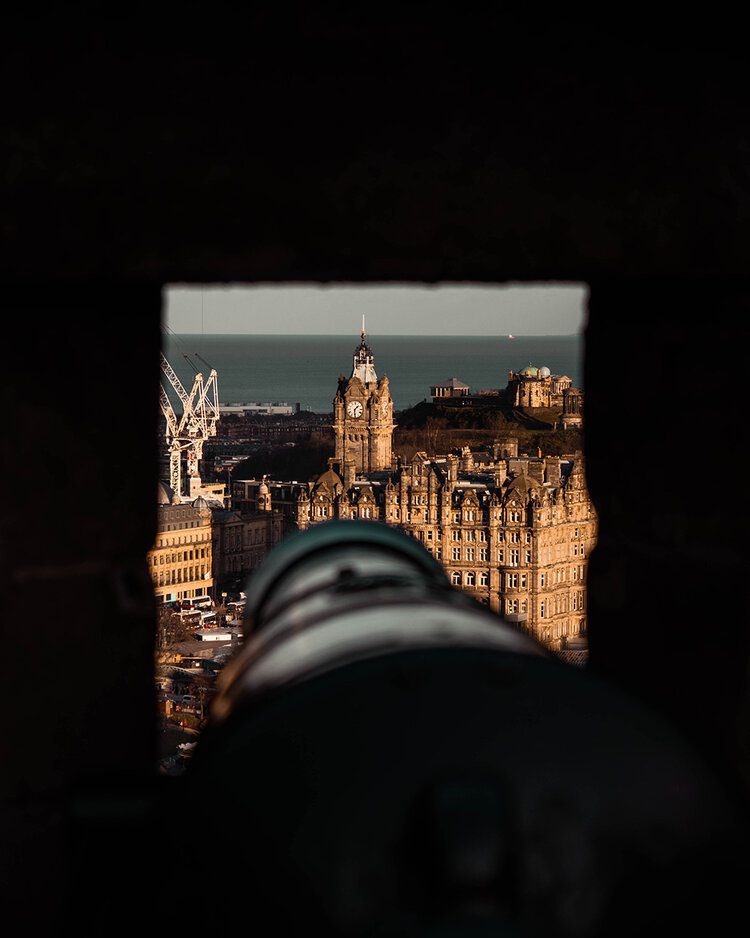
    After pulling over to take selfies at the England/Scotland border, our first stop was Edinburgh, more specifically, Edinburgh Castle.

    Proudly looking out over the city from the top of the hill that Edinburgh is built upon is Edinburgh Castle. It’s centuries old and has been the centre piece to centuries of battles between the English and Scottish monarchies, all of which you can learn about within the castle’s walls.

    The views of the city from the castle are amazing but the pièce de résistance is visiting the crown jewels which includes the story of how they were made, hidden, lost and then found.

    PFH Top Tip: Try to be around the castle at 1pm when a gun is fired precisely at one o’ clock. The tradition comes from alerting the ships in the nearby waters to set their maritime clocks. The sound of the gun firing echos across the city and can be heard every day except for Sundays, Good Friday and Christmas Day.

    Cost

    £17.50 for adults

    £10.50 for children aged 5-15 years old

    Children under 5 years old go free

    £14 for seniors aged 60+ 

    Opening times

    1st April – 30th September 9.30 – 6pm (last entry at 5pm)

    1st October – 31st March 9.30am – 5pm (last entry at 4pm)

    2. Whisky tasting or a distillery tour

    Where?

    Edinburgh (and just about everywhere in Scotland)

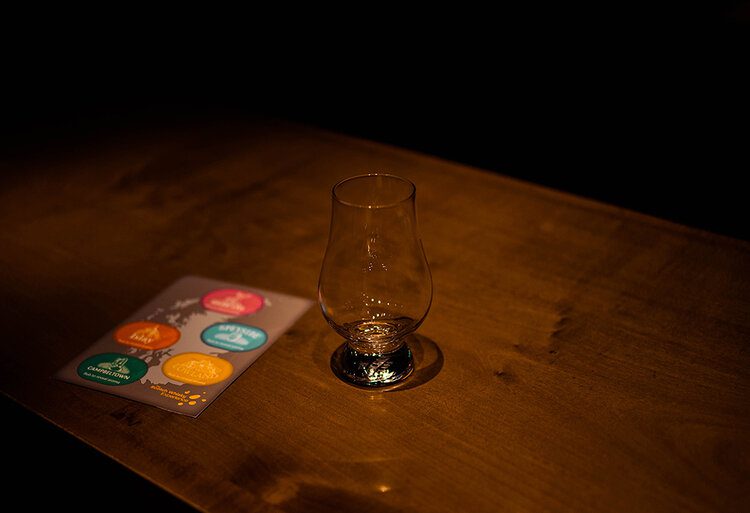
    Whilst in Edinburgh we went to The Scotch Whisky Experience to learn about the production of whisky. There are many options for tours at The Scotch Whisky Experience from the basic introduction covered on the Silver tour right the way through to masterclasses. As we are not fans of whisky but wanted to learn we chose the Silver tour which includes the following:


    • An automated whisky barrel ride that tells you the process of the production of Scotch Whisky.


    • An introductory video that teaches you the various aromas of Scotch whisky related to its region.


    • A lesson in how to taste whisky which includes a dram of Scotch Whisky (or Irn-Bru for children under 18).


    • A viewing of the world’s largest collection of Scotch Whisky.


    • A complimentary crystal whisky tasting glass (adults only).


    Of course you don’t just have to go here, there are many liquor shops in Edinburgh that will teach you about Scotch Whisky, we chose here because we didn’t want to pay for an experience where we had to try more than one whisky!

    The other option you have in Scotland that’s centred around alcohol is to visit one of the countless distilleries both whisky and gin. Scotland gin and whisky is world famous and you won’t find it hard to find a distillery wherever you are in the country. Even when we were on the Isle of Skye and all I could see for miles was mountains and sheep there were still two distilleries there! We weren’t successful with visiting one because the ones we tried to go to were closed on the weekend so my advice is to check in advance. My alternative advice is to sit in a pub and (responsibly) work your way through their selection of local gins!

    Cost

    The costs for the Silver tour as follows:

    £17 for adults

    £8 for children

    £15 for seniors aged 60+

    Opening times

    January – March 10am – 5pm

    April 10am – 6pm

    May – June 10am – 8pm

    July 10am – 8.20pm

    August Monday – Friday 10am – 5pm

    August Saturday & Sunday 1-am – 5.40pm

    September – December 10am – 5pm

    Tours runs approximately every 20mins from opening.

    3. Cairngorms Reindeer Centre

    Where?

    Cairngorms National Park

    Meet Britain’s only free-ranging herd of reindeer in their natural environment at the Cairngorm Reindeer Centre.

    Depending on the time of year there are two different experiences available: the hill trip and the paddock visit.

    Hill trip

    If you are physically able to make the trip up the hill to where the reindeer roam free then I strongly suggest you rise early to get tickets for this tour (see more under opening times below). Upon receiving your ticket you will be given directions and a parking pass for the Sugarbowl car park just a few minutes up the road. Here you will park and wait for the rangers to gather everyone at 11am. From there they will guide you across the road and down a steep path to a bridge crossing a river, where you will then make a short but steep incline up the hill to where the free-ranging reindeer are.

    The rangers will give you a brief introduction to the reindeer herd and will then give you a handful of food to hand feed them. Don’t worry about having to find a reindeer, they know you have food and will come to you. It is best advised that you take your gloves off to feed them so you can feel their velvety soft noses, trust me they’re incredibly soft!

    The tour lasts around 1.5 – 2 hours but you have the option of staying a little longer if you want to hang out with the reindeer for longer. To be honest though it’s very cold up there and once the reindeer work out you don’t have any more food, they aren’t interested in cuddles anymore.

    Reindeer etiquette 


    • All children must stand with an adult.


    • Do not bend down near a reindeer, they will perceive it as a signal that you want to fight them and you’ll be smacked with their antlers. I ducked in a photo so you could see the reindeer behind me without thinking and one came up to headbutt me in the leg with her antlers.


    • Do not chase them.


    • Don’t touch their faces, it irritates them which can again result in an antler-driven headbutt.


    • Don’t approach them from behind, it can startle them and they may run away or again, headbutt you.


    Paddock visit

    From Easter to the New Year it is possible to visit some reindeer in the paddock at the centre.

    This option is best for people with mobility difficulties and young children who are unable to make the steep walk up the hill.

    Whilst at the paddock rangers will teach you about the reindeer and will even be able to identify each one.

    Although you are able to touch the reindeer you won’t be able to hand feed them, this is so they maintain a healthy weight.

    PFH Fun Fact: Each season of calves are named with a theme. Previous themes were cheese (yes there’s Parmesan the reindeer), European cities and to commemorate the 2012 London Olympics the 2012 theme was…2012.

    What to wear

    Second to Ben Nevis, Cairngorms National Park is the highest mountain range in all of the United Kingdom and is a sub-arctic environment. Reindeer don’t feel the cold until the temperature drops below -30 degrees Celsius but you’re not reindeer so here’s how I recommend you keep warm:


    • A warm coat, preferably one that is waterproof as Scotland is notorious for rainfall, and if you go in winter the chances of snowfall are high.


    • A snood. A scarf may unwrap in the wind and you don’t want it to brush against the reindeers’ faces and startle them so I suggest a snood. Plus it will defend your face from the harsh windchill which can be in the minus.


    • Waterproof over trousers.


    • A wooly hat to keep heat from escaping through the top of your head and to protect your ears from the wind.


    • Thermal base layers, both tops and long-johns. For females I recommend a pair of thermal tights so you can have an added layer on your feet.


    • As many thick socks as you can fit into your boots. (I had 3 pairs of snow socks and my toes were still numb).


    • Layers. Layer up as much as you can under your coat.


    • Hiking boots or wellies (you can rent a pair of wellies for £1 from the centre if you don’t have hiking boots or wellies. They won’t let you go up with anything else on your feet).


    Between June – October it is advised that you wear insect repellent. 

    Cost

    Hill trip

    £16 for adults

    £10 for children 

    Children under 3 years old go free

    Paddock visit

    £3.50 for adults

    £2.50 for children

    Children under 3 years old go free

    Closed on Christmas Day, 1st January and from 6th January – 8th February 2020.

    Opening times

    The centre opens at 10am.

    Tickets are first come first served, I strongly advise arriving at least before 9.30am (9am on weekends) to make sure you get tickets.

    Tours depart at 11am and 2.30pm with an additional trip at 3.30pm in July and August during weekdays.

    Still arrive before 9.30am to buy your tickets for the afternoon tours as they will be sold to the people in the queue who don’t get on the 11am tour.

    Winter trips may have adverse weather and therefore the centre may decline children to keep them safe. The centre telephone line is open from 9am so call ahead if you have concerns about the weather. The first time we tried to go the snow was so bad that we couldn’t even get to the centre.

    The paddock is open from 10am – 5pm Easter – New Year.

    4. Loch Ness

    Where?

    Inverness

    It might not be the most beautiful loch in Scotland but it’s without a doubt the most famous one! If you don’t already know why, it’s because legend has it a monster known as the Loch Ness monster, or Nessie for short, lives in the depths of the loch. Its neck long and not unlike a Brachiosaurus with its body formed of many humps that protrude from the water. The first sighting was in 1933 with various pieces of “evidence” coming to light over the years when photoshop didn’t exist so it was hard to disprove.

    Despite Loch Ness being 56.4 km², a road trip around Scotland would be incomplete without an attempt to spot infamous Nessie from one of the many parking bays surrounding the loch.

    Cost

    There is no entrance fee to visit Loch Ness.

    5. Glenfinnan Viaduct (Featured in Harry Potter)

    Where?

    Glenfinnan

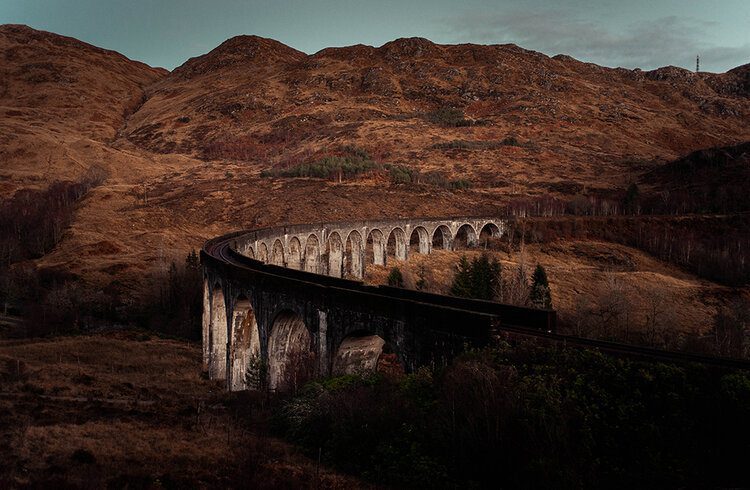
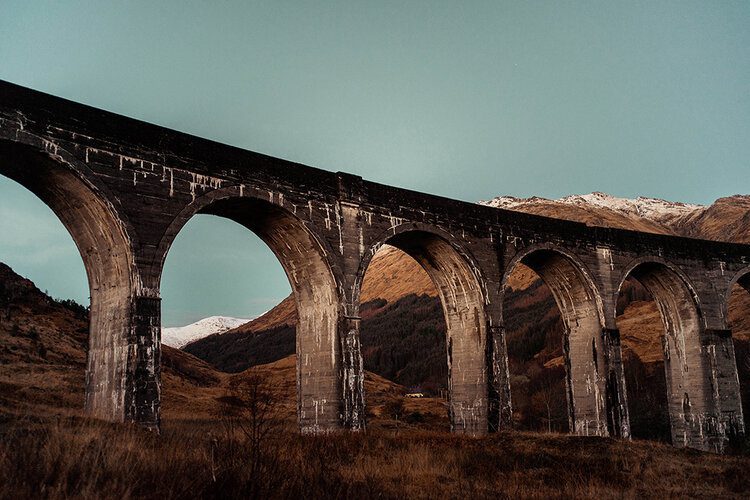
    This 30m high structure built in the 1897 is most famously known for being the railway bridge that the Hogwarts Express travels across in the first Harry Potter film of the series, The Philosopher’s Stone, it’s also worth a visit simply because it’s magnificent. 

    For the best view point on foot, turn right out of the car park and start walking along the road until you reach a private car park which is gated off. Walk past the gate and continue up the path until you find another small path heading up hill on your left, just before you reach the viaduct. You’ll then cross under the viaduct and start curving back on yourself as you walk along the path up the hillside. When the path widens you will be able to look out upon the viaduct.

    PFH Top Tip: For the best photo op, aim to be there around 10.55am or 3pm where you will see the Jacobite steam train cross the bridge aka, the Hogwarts Express.

    Cost

    Though you don’t have to pay to visit the viaduct, there is a £4 charge for parking. Though we arrived at 4pm (in December) when the sun was going down and the kind gentleman allowed us to park for free because we wouldn’t be there long due to the fading light. If you just want to hop out to see the viaduct and/or have a really good camera to shoot in low light, you could try your luck doing this.

    Opening times

    The visitor centre is open 9.30am – 4pm.

    6. The Old Man of Storr

    Where?

    Isle of Skye

    The Old Man of Storr is a peculiar rock formation up in the rocky hills on the Isle of Skye. The pinnacle was created by a massive ancient landslide and on a good day it can be seen for miles, but on a bad day, you’ll be lucky to catch it between breaks in the mist.

    We, of course, hiked up on a very grey and miserable day but we did manage to catch a glimpse as the mist cleared for a few fleeting moments. I would say don’t give up hope if the weather is bad, just pray for wind.

    There are various hiking routes surrounding the Old Man of Storr. As the weather was dreadful and the light was fading we chose to hike up to where it levelled out and we could appreciate the view of both the pinnacle and the vast stretch of water behind. There and back with a break for a cuppa and a few photos took us approximately 2hrs.

    The terrain is steep, rocky and wet so I strongly advise hiking boots. Michael foolishly forgot to pack his and found it to be a slippery slope in his running shoes.

    Cost

    There is one car park that is free whilst the roadside parking is paid parking. I suggest you arrive as early as you can to park in the free car park, which is close to the entrance gate up the mountain (next to the construction site).

    In winter you shouldn’t have a problem parking.

    As we went in winter when it was quiet we used the free car park and therefore I don’t know the cost of parking along the road.

    7. Fairy Pools

    Where?

    Isle of Skye

    The walk from the car park to the pools isn’t strenuous like the walk up to the Man of Storr is, it’s paved for most of the way and only has a shallow incline. You do however have to cross many rushing streams both over stepping stones and giving into getting your shoes wet when the rainfall has been heavy and the rocks are submerged. For this reason I strongly recommend wellies or hiking boots.

    Though many online guides will tell you the walk there and back is only 40mins, disregard this because it doesn’t include stopping to take in the view nor does it included walking to the furthest pools.

    There are many pools to see but the further you go the more pure the blue water becomes in colour. Once you see it for yourself it’s not hard to imagine little fairies hanging around.

    The path to the pools is the same you take back.

    Cost

    There is no entrance fee to the Fairy Pools but there is a parking cost of £5 per car. This is cash only so come prepared.

    8. Gallery of Modern Art, Glasgow

    Where?

    Glasgow

    There are four galleries within the GoMA, all of which are free to enter and rotate throughout the year so check ahead to see what is on here.

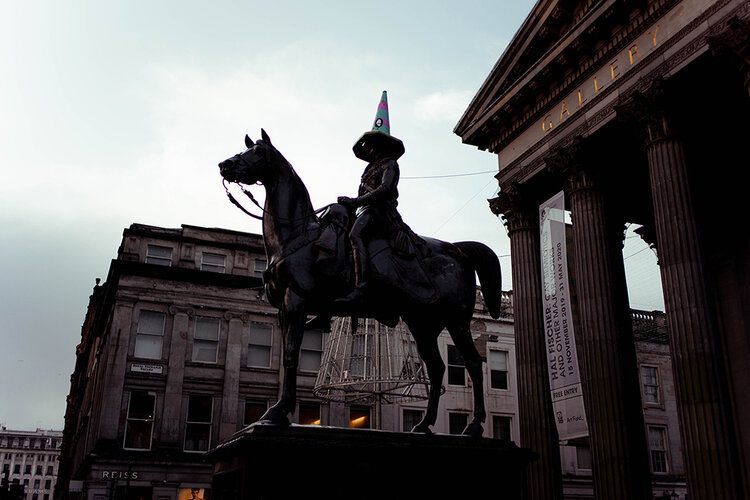
    The best feature of the museum and no doubt the part that draws people to it from all over the world is the equestrian statue of the 1st Duke of Wellington that stands out front with a traffic cone upon his head. The traffic cone hat is a tradition that started way back in the 80s and was accepted as a way of expressing Glaswegians’ humorous side.

    Cost

    Entrance is free

    Opening times

    Monday – Wednesday 10am – 5pm

    Thursday 10am – 8pm

    Friday 11am – 5pm

    Saturday 10am – 5pm

    Sunday 11am – 5pm

    9. Glasgow Cathedral

    Where?

    Glasgow

    Read any guide of places to visit in Glasgow and the cathedral will be top of the list. For over 800 years Christians have worshiped God from within the medieval walls of this vast cathedral. Having been dedicated in 1136, it is the oldest cathedral on mainland Scotland and is the oldest building in all of Glasgow. 

    Cost

    Entrance is free.

    Opening times

    Monday – Saturday 10am – 3.30pm

    Sunday 1pm – 3.30pm

    Our road trip around Scotland was just a week long and we were able to comfortably visit all of these places even with only 6.5 hours of daylight (as we visited in December). I chose these places to highlight because you truly get a feel for Scotland’s passions from their medieval history to the vast and beautiful landscape.

    If you have any questions about my trip, feel free to contact me here.

    Aloha, Gabriella

    Pin this post