Tag: Hotel Room

  • 5 no-cook recipes you can make in a hotel room

    5 no-cook recipes you can make in a hotel room

    Need hotel room food ideas? These five no-cook meals for travelling are perfect for making in your hotel room when you don’t have a kitchenette or are looking to save money on your travels. These easy no cook recipes are a mix of vegan, vegetarian, meat, dairy free and gluten free meals that are all healthy and delicious – there’s something here for everyone. These travel food recipes are perfect for when you have a tight travel budget and want to save money by not eating out but don’t want to eat junk food and don’t have a kitchen to cook in. These no-cook recipes are also ideal for camping if you don’t have a stove to cook on but want to make something healthy to eat.

    Eating out in new restaurants is one of the most exciting things about travelling but do you ever feel like you can’t be bothered to go out, want to save money or need to resist temptation of another bowl of pasta? Well you’re not alone! Often I will opt to save money by making no-cook meals in my hotel room and these are my top recipes that don’t require any cooking.

    I’ve been experimenting the past few summers whilst road tripping to be able to eat well with very little kitchenware and have made these five no-cook meals for travelling as simple as possible because I know first hand that we aren’t equipped with the regular basics such as seasonings or a microwave in hotel rooms. I’ve also picked five no-cook recipes that have ingredients that cross over to help you use up what you’re buying and to make them cost-efficient.

    What you need to make food in a hotel room

    To make these five no-cook travel food recipes for road trips, hotel stays or camping you will only need the following three items:


    1. Swiss Army knife – this will be your knife, can opener and scissors


    2. Camping cutlery – to stir, serve and eat with (I have metal ones but bamboo cutlery are a good low-waste choice)


    3. Collapsible bowl – your chopping board and bowl


    I previously wrote 6 items for making food in your hotel room which features a few more bits that are super helpful for making food to pack-up for the day.

    You may also be interested in my guide to picking the best reusable coffee cup.

    Tips for making food in a hotel room


    • Pay attention to tins having ring pulls to make life easier for you, but don’t worry if you can’t get one as your Swiss Army knife should have one


    • Try to buy loose fruit and vegetables so you can avoid extra plastic packaging but it also means you don’t need to buy in bulk when you won’t be able to eat it all


    • Buy a large onion and spread it out across all the recipes that use it


    • Use your collapsed bowl as a chopping board as the base is solid


    • Use cherry tomatoes because they only require a small surface space for cutting


    • I have cleaned my counter before taking these photos but I do recommend you avoiding placing your food on the surface space of your hotel room. Use your bowl or the food packaging 


    1. Vegetarian wraps

    Swap the vegan ham to ham to include meat and use gluten wraps if you don’t need a gluten free meal.

    Ingredients


    • Ham


    • Cucumber


    • Sweetcorn


    • Cress (easy to use up vs. a bag of salad)


    • Hummus


    • Wraps (these gluten free fajita wraps are so much better than any other gluten-free wrap I have ever tried so I always get these)
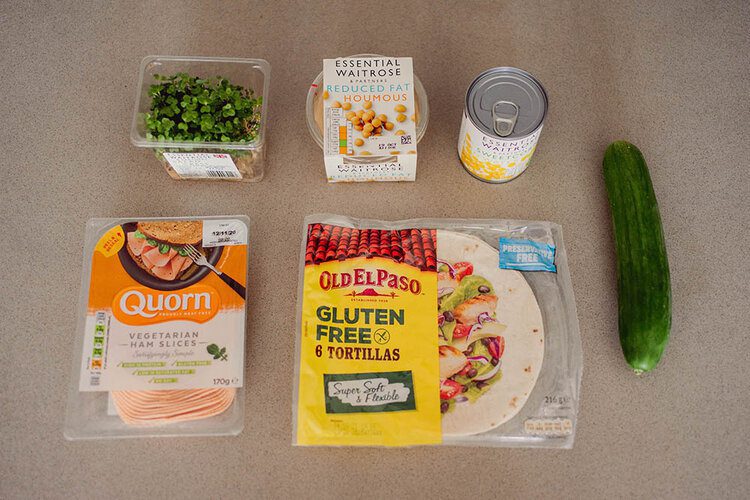

    No-cook vegetarian wrap recipe


    1. Spread a layer of hummus over your wrap


    2. Lay a few slices of ham on top


    3. Sprinkle on some sweetcorn


    4. Use your Swiss Army knife and bowl to chop up the cucumber into small chunks and sprinkle over your wrap


    5. Top with cress, roll up and enjoy


    2. Tuna and avocado dip recipe with crackers

    Swap out the tuna for feta to be vegetarian or to tomatoes to be vegan. You could also use a vegan tuna substitute such as Tuno.

    Ingredients


    • X1 tin of tuna


    • Onion


    • Avocado


    • Cucumber


    • Lime (stops the avocado from tuning brown and adds flavour)


    • Crackers (oat cakes for a gluten free version)


    No-cook tuna and avocado dip recipe


    1. Use your Swiss Army knife and bowl to chop up the cucumber into small pieces and leave it in the bowl


    2. Do the same with some onion


    3. Cut your lime in half and put it to the side for a moment


    4. Cut open your avocado and scoop it into the bowl


    5. Squeeze your lime over the avocado and add the remains to your water bottle to infuse your water and give it a second life


    6. Open and drain your tuna and add it to the bowl


    7. Stir and serve on crackers


    3. Mixed bean salad recipe

    Swap out cheese to hummus to be vegan, add ham to include meat or use vegan ham to be vegetarian and vegan.

    Ingredients


    • X1 can of mixed beans


    • Cherry tomatoes


    • Onion


    • Sweetcorn


    • Cucumber


    • Feta cheese


    No-cook Mixed bean salad recipe


    1. Use your Swiss Army knife and bowl to chop up the cucumber into small pieces and leave it in the bowl


    2. Do the same with some onion and cherry tomatoes


    3. Sprinkle in some sweetcorn


    4. Drain your can of beans and add them to your bowl


    5. Crumble over some feta cheese and enjoy


    4. Roast Chicken salad

    Ingredients


    • Pre-cooked chicken from the hot deli counter at the supermarket


    • Sweetcorn


    • Cherry tomatoes


    • Cucumber


    No-cook roast chicken salad recipe


    1. Use your Swiss Army knife and bowl to chop up the cucumber into small pieces and leave it in the bowl


    2. Do the same with some cherry tomatoes


    3. Add sweetcorn to your bowl along with your pieces of chicken


    5. Antipasto

    Swap out meat to be vegetarian, cheese to vegan cheese and crackers to oat cakes to be gluten free.

    Ingredients


    • Crackers


    • Hummus


    • Sliced meat


    • Cheese


    • Olives


    • Grapes


    • Cherry tomatoes


    • Nuts/crisps


    No-cook antipasto recipe


    1. The great thing about a makeshift antipasto is it requires little effort as you can leave all the elements in the packaging.


    .

    There you have it, five no-cook recipes that are cost-effective, nutritious, easy to make and delicious. These travel food recipes are easy meals to make in your hotel room and will save you so much money.

    Let me know in the comments below if you liked or have tried these hotel room dinner ideas and if you want me to share more!

    Bon appétit, Gabriella

    Pin this post featuring 5 no-cook hotel room meals


  • 8 tips for working together in hotel rooms (or quarantined homes)

    8 tips for working together in hotel rooms (or quarantined homes)

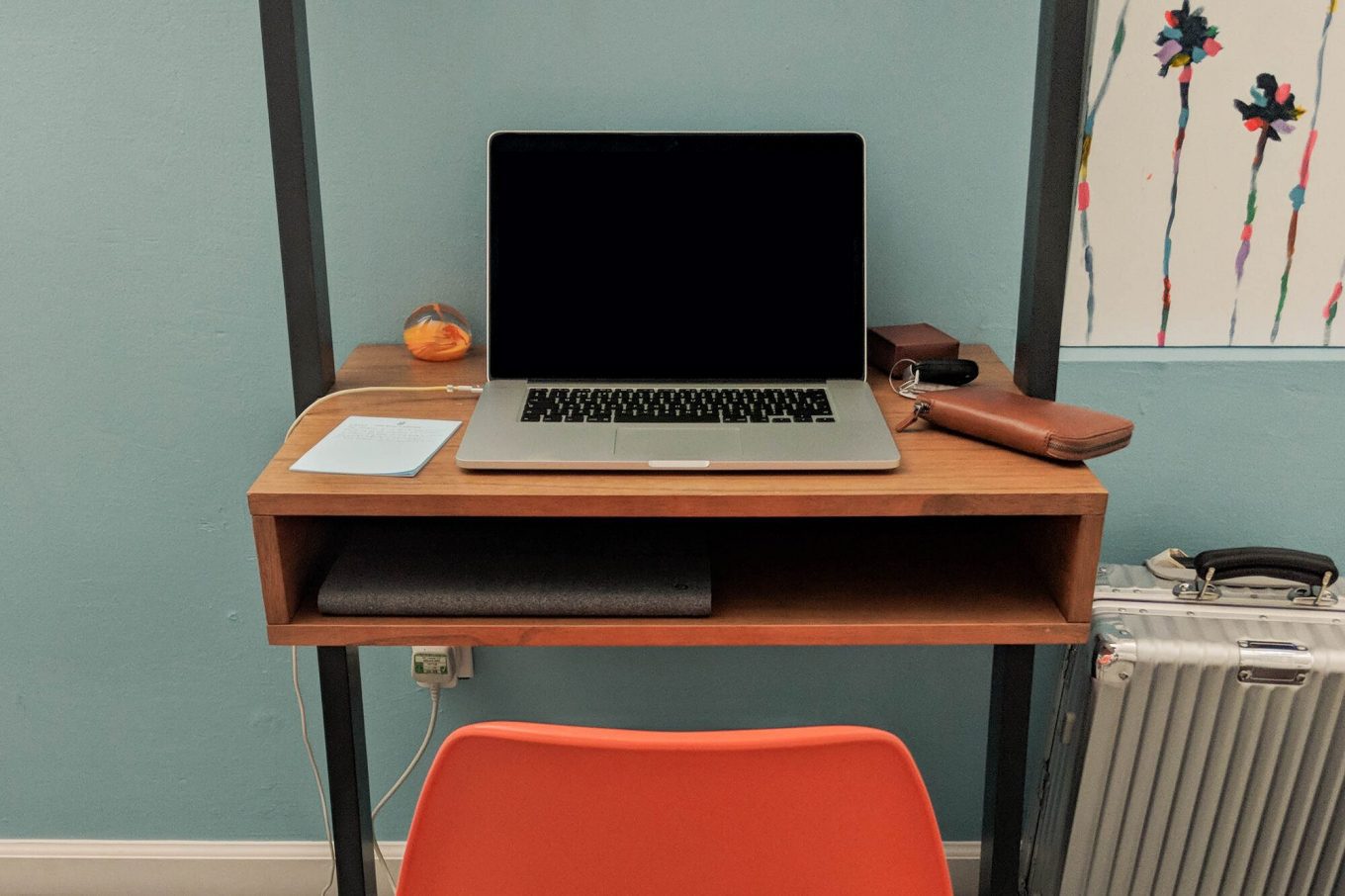
    I have been working from home for the last two years and Michael for the past six, so we know a thing or two about creating a safe, productive and comfortable working space at home. We are especially pro at navigating working together in confined spaces such as hotel rooms or say quarantined houses during COVID-19-related worldwide lockdowns…

    These are our top tips for how we work together in hotel rooms, which are the most confined places we work from, but they will particularly help you survive working from home during self-isolation/quarantine/lockdown when you have a partner, friend or family working from the same space as you.

    Here are our eight tips that we have put together that reduce distraction, loneliness and the desire to kill each other… well, to quote Hannah Montana, nobody’s perfect. 

    1. You can do it on the bed and the table

    Usually there’s only one desk in hotel rooms so we take it in turns between the bed and the desk based on whose work is a priority, taking into account the type of work it is. For example: If I’m writing, that takes priority over Michael sketching out story boards so I will use the desk in that case, or if he’s animating then that takes priority over me making pins which I can do sitting on the bed. Do not get into bed though!

    Of course if you’re both working from home during the 2020 COVID-19 pandemic you have probably sorted out desks for both of you, but if there is a situation where one is better than the other, say one is a desk and the other is the kitchen table, then consider taking it in turns.

    2. So you can walk the walk, but can you type the talk

    Given the close quarters, it seems so much easier to just speak out aloud to each other but resist the temptation because it’s extremely distracting. Try your best not to frequently interrupt each other by talking, especially if it’s just chitter-chatter. 

    To get around this we use a messaging app such as WhatsApp or FB Messenger. I prefer FB Messenger because it can be used on laptops and desktops rather than just phones because it’s less distracting. I find if I pick up my phone to answer a message I’ll spend more time on my phone checking Instagram or looking at photos of myself, oh wait that’s the same thing… As I was saying, it’s easier to get distracted on your phone.

    By messaging each other, it cuts down on frequent distractions as it can sit there waiting until you’re ready to answer rather than blowing your train of thought.

    3. Coffee breaks not break ups

    It is key to have regular tea/coffee breaks for the following reasons:


    • Something to work towards


    • Gives you time to socialise together 


    • Gives you a break from your work


    • Gives you energy


    • A change of scenery


    Set a couple of breaks: one in the morning and one in the afternoon. Organise a time for lunch too so you’re not eating alone if you don’t have to.

    4. Timing is everything

    Just like your breaks, make sure you set working hours too. This will either stop you from overworking or not doing enough, we’ve all been both types at some point whether we’re in a physical office or not.

    Starting and finishing in good time helps to make sure you and your partner, friend or family member(s) get some time together in the evenings. It’s important to honour this and hold each other accountable too so you don’t influence each other into a bad routine.

    5. Play music not games

    Pick a communal playlist that you can both enjoy or at least settle on a radio station that you both listen to. For the most part, Michael and I hate each other’s taste in music so this is compulsory to stop arguments and the constant distraction of having to skip songs. 

    If you’re looking for some AMAZING playlist I just so happen to have the following travel-themed playlists for you: 

    PFH London mix tape playlist 

    PFH Rio de Janeiro mix tape playlist

    PFH New York City mix tape playlist 

    PFH Hawaiian mix tape playlist

    PFH Californian road trip mix tape playlist

    6. Ignorance is bliss 

    If one of you does something that annoys the other then accept that you will need to wear headphones.

    Michael gets really stabby when he’s using his drawing-pad-thingy so I have to stick on my headphones and he says I type aggressively like a cat on a computer meme so he wears his headphones if that gets too much or I do it on purpose to annoy him.

    Tip number 2 is especially useful here as you definitely won’t be able to communicate with headphones on.

    7. Meet in the middle

    Organise little meetings with each other so you can discuss each other’s plan of action or progress. When you don’t have a social office environment to lean on this will come in particularly helpful. Even if you both don’t understand everything, it helps productivity to air out what you’re working on. Plus you never know when the other person can offer helpful advice. For example I asked if we could sit down and discuss this blog post and he helped me expand on these points.

    You’re not replacing each other’s bosses or superiors to be clear, this is to support and encourage each other.

    8. Keep it clean

    Michael has the most annoying habit of leaving his shoes in the middle of a room ready for me to break my neck at any given moment and I like to leave my glasses and mugs laying around and let’s face it, blaming an imaginary co-worker only works until the evening when someone actually has to wash up my mugs or pick up Michael’s shoes after I’ve thrown them across the room… so do each other a favour and keep it clean. 

    A particularly good tip for working in hotel rooms is to use VIPoo or light a candle (BE CAREFUL) if you use the bathroom because no one wants that stinking distraction in their work space.

    . 

    I’m going to offer more blog posts like this that are travel related but respect the fact that we can’t actually travel anywhere at the moment. Please let me know if there’s anything you want to see on Postcards from Hawaii during this COVID-19 isolation period.

    Aloha, Gabriella

    Pin this post


  • 6 items for making food in your hotel room

    6 items for making food in your hotel room

    As important and enjoyable as eating national dishes and trying new food is when you’re on a trip, we all love saving money right? Eating out for three meals a day adds up, especially if you travel often. Realising that food costs were getting a little out of control with the trips we have been on in the last year, I started looking for ways we could save money. I built a kit that not only helps the environment by eliminating the need for single use items, but it also saves us so much money by allowing us to prepare breakfast, lunch and dinner in our hotel rooms.

    These six items are a game changer and now go on every trip with us:

    1. Water bottle

    Save money and unnecessary plastic waste by bringing your own water bottle. So many hotels provide water in the lobby now, so you can fill your water bottle. This way you have water to start the day with or you can take it back up to your room. You no longer need to buy bottles of water. I never realised how dehydrated I would let myself get by not having water to hand in my hotel room, keeping a reusable water bottle to hand has definitely changed my life, I’m never caught out thirsty.

    2. Coffee cup

    My KeepCup was one of the first reusable items I bought for my travels. Aside from my reusable Starbucks red cup (it’s the only way to drink gingerbread lattes on the go) it’s the only one I have and I take it everywhere.

    In addition to saving the world from more single use wastage and saving you money in certain coffee shops who reward you for bringing your own cup with a discount, a reusable coffee cup also has multiple handy uses for eating and drinking on the cheap.

    Hot drinks

    Save yourself from spending money on buying your morning hot beverage by making it up in your room before heading out. Ok it might not be as good but many hotels are stepping up their game by putting coffee machines in rooms or are offering complimentary tea and coffee in the lobby.

    Water

    Sure, I’ve already mentioned a water bottle, but if you’re going somewhere hot or don’t fancy making another trip down to the lobby to fill up your water bottle again, then bring your coffee cup down and fill it up along with your bottle. Stay hydrated folks!

    Pasta in a mug

    Of course these aren’t the most nutritious of dinners, but they offer an easy and quick hot meal whilst travelling. Mug Shots are always on offer in our local supermarket so we pick up 6 (for £1) and take them on every trip. Accompanied with snacks, you won’t go hungry. Plus they’re flat and light so they’re so easy to pack.

    You will need a kettle to make this and the following, but virtually every room comes equipped with a kettle now. If you don’t have access to one, head out to a coffee shop and ask them to fill you coffee cup with boiling water.

    Cuppa soups

    Another hot option is a cuppa soup. Like the pastas above they are flat and easy to pack, plus supermarkets have heaps of options for flavours. Pick up a bread roll from a nearby bakery or supermarket and you’ve got yourself a meal.

    3. Cutlery

    When I first started travelling more frequently and for long amounts of time, I used to stash plastic cutlery from the aeroplane to use in hotel rooms. Last summer I bought a metal camping cutlery set and I can’t tell you how useful they have been! I am now never caught short without cutlery in my hotel room so I can make sandwiches, eat pasta or yoghurts etc. Better than that, by swapping to a reusable set, I am saving so much plastic waste.

    Whether they’re metal or bamboo, a reusable cutlery set will not only prevent the use/need for plastic cutlery but it will come in more useful than you could ever imagine. These three utensils are amongst the best travel products I have ever bought!

    4. Swiss army knife

    I bought Michael his Swiss army knife about seven years ago and it took him about two years to use it as something other than a glorified nail file. It now comes with us on every trip because you never realise how much you need something until you don’t have it. There’s always something that needs cutting or opening etc.

    Knife

    Before I bought us cutlery to travel with we were getting by with the knife in Michael’s Swiss army knife. We would sterilise it with boiled water from the kettle and use it to make sandwiches. It worked a treat!

    Corkscrew

    Of course having a drink in a restaurant or bar is one of the joys of being on holiday/vacation, but  marked up prices and tips mean that can add up pretty quickly. Say you have a lovely view from your balcony, well what’s stopping you from picking up a bottle of vino and enjoying that view? With a cork screw in your Stanley knife and a couple of coffee cups, you’re good to go.

    Bottle opener

    For pretty much the same as the corkscrew but you can open bottles or beer, cider or soft drinks.

    Scissors

    Honestly, I mostly used these to cut tags out of clothes when they annoyed me or thread if button needed stitching back on. They’re also super handy to open tricky food packaging such as cheese.

    Can opener

    I both love and hate this can opener. When we were living in Paris we lived in a shoe box (no joke, our entire apartment was smaller than my current bedroom) and there wasn’t much in the way of kitchen utensils, I think it came with four plates, bowls and tumbler glasses. Michael was an intern and my job didn’t pay much either so we owned one saucepan, one frying pan, the smallest chopping board ever, one enormous sharp knife (courtesy of my chef brother) a serving spoon, three mugs and two wine glasses (which I bought when a friend came to visit and I wanted to look classy, of course). I digress, what I was saying is, we didn’t have a lot of money for a long time and as the sensible 21 year old that I was I would rather spend it on Monacos than spring for a can opener. So, I used the can opener on the Swiss army knife, it was character building to say the least, but it worked. I guess what I’m saying is, if you want to open a can of sweetcorn, you can…

    5. Collapsible bowl

    The biggest thing that I have saved money on by eating it in my hotel room is breakfast. Buying a carton of milk, which we keep in the mini bar fridge, and a box of cereal (or two because Michael and I don’t approve of each other’s cereal choices) and eating it out of our collapsible bowls with our metal spoons has saved us a ridiculous amount of money!

    I started eating cereal in my hotel room for breakfast in 2016 when I did my round the world trip and was looking to save money anyway I could. When we were in America we were getting our dinners from the Whole Foods salad and hot food bars, whilst there I would put a couple of small cardboard soup containers in my bag and use them as cereal bowls until the bottom fell out and then I’d get a couple more. Eventually I developed a conscience and bought a couple of collapsible silicone bowls that we could take everywhere with us so not only would I stop using cardboard ones (or nicking them in my case) but I am also always prepared.

    Cereal isn’t the only thing you can use them for, we also use ours to make up salads for dinner.

    6. Beeswax wraps

    Last year I realised I was using plastic sandwich bags on every trip. I only ever took a couple and washed to reuse them, but when I learnt about beeswax wraps, the switch was a no brainer! We have one each and use them to make and wrap up our lunch. I always pack up sandwiches in my hotel room and take them out with me.

    Using the beeswax wrap as a surface and the cutlery mentioned above to cut the bread I make sandwiches. We usually buy a pack of bread rolls, butter/spread or mayonnaise, cheese, turkey slices and lettuce which we keep in the mini bar fridge (not the bread).

    PFH Top Tip: If you have breakfast included in your hotel pocket a few peanut butters/butters OR if you’re really brave, and I’ve done it more times than I could count, make up a couple of sandwiches at the table then craftily put it in your beeswax wrap and drop it in your bag with a banana. Voila, lunch for the day!

    Think of all the plastic waste you’ll be preventing by not using sandwich bags or cling film/plastic wrap. Plus keep them on you and anytime you need to wrap up something for later, you can!

    .

    Aloha, Gabriella