Tag: Mauritius

  • Mauritian napolitaine biscuit recipe (gateau napolitaine recette Mauricien)

    Mauritian napolitaine biscuit recipe (gateau napolitaine recette Mauricien)

    Napolitaines are traditional Mauritian biscuits. They are round, flaky shortbread biscuits (cookies) that are sandwiched together in pairs with jam between them and coated with a thick, bright pink icing. Though the shortbread is savoury, the jam and icing make napolitaines a very sweet treat.

    Napolitaines are one of the first things I seek out when I visit Mauritius, they’re like home a comfort to me. They’re one of my favourite Mauritian treats and so I want to share them with you.

    Before I share the recipe I have answered a few questions you might have about making napolitaine biscuits but if you want to skip straight to the recipe, feel free to do so.

    How many napolitaine biscuits/cookies does this recipe make?

    This recipe will make approximately 30 napolitaine biscuits.

    How long does it take to make Mauritian napolitaines?

    Making the dough for napolitaines will take approximately an hour and they take 22-25 minutes to bake (keep in mind that you may need to bake in batches too). They take about an hour to cool fully and it will take between 10-20 minutes for you to add the jam. Icing could easily take an hour and a half or more and for the best results you should leave them out to dry overnight so the icing sets completely. 

    I start making my napolitaines 2 days before the day I will be serving them. They take a little planning but they’re worth it.

    Which jam goes in Mauritian napolitaine biscuits/cookies?

    Traditionally guava jam goes into napolitaines but depending on where you are in the world, guava jam might not be the easiest to get hold of, it certainly isn’t in England. So I use either my homemade raspberry or strawberry jam to go in the middle of my napolitaines.

    Can napolitaine biscuits be made dairy free or vegan?

    Mauritian napolitaine biscuits (cookies) are already vegetarian. To make them dairy free/vegan you just need to swap out the butter for vegan butter or dairy free margarine and the milk that goes into the icing can be swapped out for a plant based milk alternative. I have actually used vegan margarine and soy milk to make these napolitaines in this recipe.

    Can napolitaine biscuits be made gluten free?

    I have tried to make gluten free napolitaines but the dough was just too dry and kept falling apart. Gluten free flour is very dry and due to the already crumbly nature of the shortbread the dough just wouldn’t hold together to be able to roll it out.

    Ingredients for making Mauritian napolitaines


    • 500g (3 cups + 2 tbsp) plain flour (plus a little extra for rolling)


    • 360g (1 ½ cups) butter or vegan margarine (room temp)


    • Pinch of salt


    • 8-10 tbsp jam


    • 500g (3¼ cups + 3 tbsp) icing sugar


    • 80ml milk or plant based milk alternative


    • ½ tsp pink food colouring (paste will give you the best colour)


    What you need to make Mauritian napolitaines


    • Measuring cups or scales


    • Large mixing bowl


    • Small mixing bowl


    • Rolling pin


    • Round cookie cutter 5cm or 2” wide


    • 2 Baking trays


    • Cooling rack


    • Whisk


    • Spoon


    How to make Mauritian napolitaines

    1. Pre-heat the oven to 180°C or 356°F (fan oven).

    2. Sieve the flour into a large mixing bowl and add a pinch of salt.

    3. Combine the butter and flour to resemble breadcrumbs then continue to bring them together to form a crumbly dough. If it’s a real struggle to get it to come together then add a knob more of butter.

    4. Leave the dough to rest for 15mins at room temperature.

    5. Split the dough in half, take one half and roll it out on a lightly floured surface to a thickness of 0.5cm (a little under a ¼”).

    6. Cut an equal number of cookies using a round cookie cutter and repeat for the other half of the dough .

    7. Place the Napolitaine biscuits on baking trays and bake on the middle shelf of the oven for 22-25 minutes. You want them to be pale in colour, not golden, but baked through. You may need to bake in batches as you might not get them all in the oven.

    8. Place the Napolitaine biscuits on a cooling rack and allow to cool fully, this should take approximately an hour.

    9. Once cool, apply a teaspoon of jam to the centre of half of the Napolitaine biscuits (cookies) then take each top and press them upon the ones with jam, wiping away any jam that spills out.

    10. Add the ½ tsp of pink food colouring to your milk and stir until it looks like strawberry milk. With your icing sugar in a large mixing bowl, begin to add the pink milk gradually, whisking in-between pours. You don’t want to add all the milk right away as you want the consistency of the icing to be thick, you might not need to add all the milk. The ideal consistency should be that when you lift your whisk with icing, the icing that pours off sits for a moment on top of the rest before settling in – see the photo below for reference.

    11. Place a plate, greaseproof (parchment) paper or a baking tray under the cooling rack before coating the Napolitaine biscuits with icing.

    12. Spoon the icing over a Napolitaine biscuit, holding it still over it until the icing has run all over the Napolitaine biscuit. You want the top and sides to be coated in icing so continue to do this until each one is fully coated.
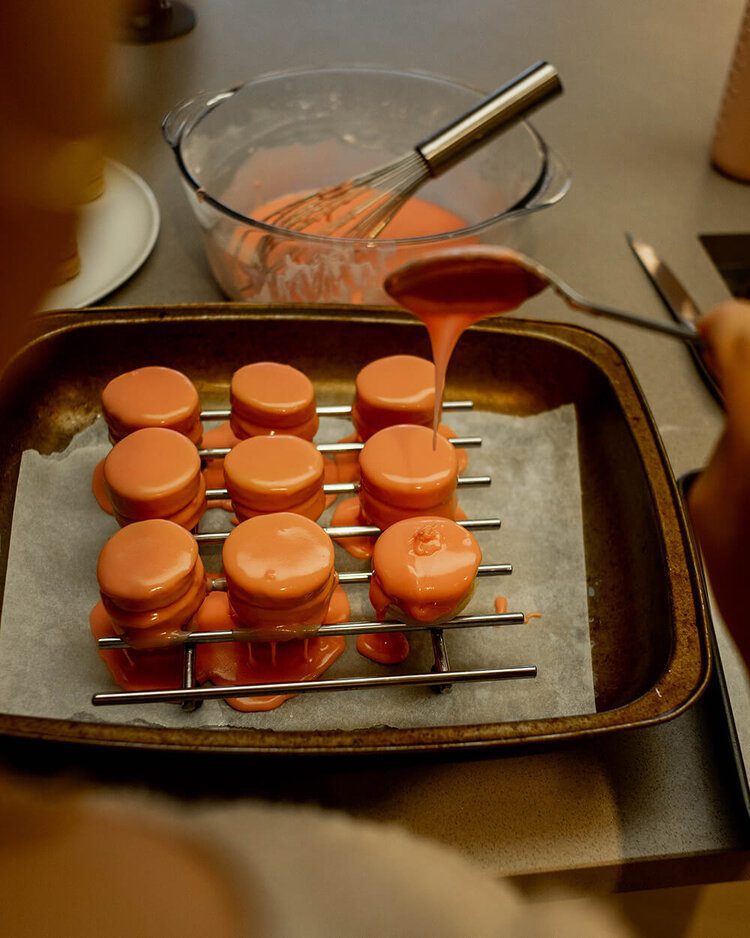
    13. Leave the icing on the Napolitaines to dry fully, it’s best to do this overnight as they need to be dry to the touch then they’re ready to eat.


    Bon appétit! 

    Do more on & for the planet, Gabriella

    Pin this post


  • Mauritian achard légumes (vegetable pickle) recipe

    Mauritian achard légumes (vegetable pickle) recipe

    Achard légumes is a Mauritian mixed vegetable pickle that originates from the Indian dish, achaar.

    Though it took me a long time to acquire an appreciation for the taste of achard légumes, its place on the table in my family is a nostalgic one. This bright yellow, orange and green dish has been present at almost every large family gathering and for me, conjures the same comforting summer feels as strawberries and cream. 

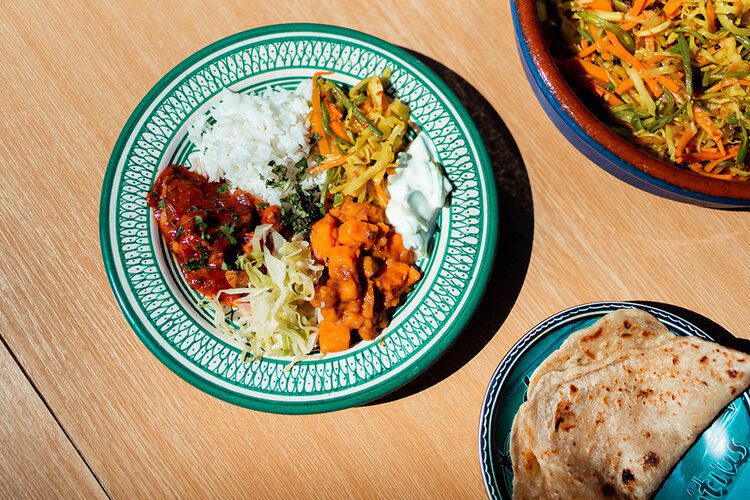
    Achard légumes is one of the best side dishes you can make because it compliments such a wide variety of meals. It can be eaten with a curry or rougaille along with many other side dishes, or it can be eaten with a roti (Mauritian flat bread) or fresh bread, it can go into a sandwich or on a salad and it goes great with a BBQ or a cheese board. It’s a really flavoursome way to bring a variety of vegetables to whatever you’re eating.

    Just like the rougaille recipe I shared last month, this achard légumes recipe is my Mum’s, so there are variations.  Her adaptation is that she doesn’t use vinegar or cauliflower because my Papa, her Dad, didn’t like it so he didn’t use it. Many of the tweaks to our Mauritian recipes come from my Papa not having liked something!

    This achard légumes can last up to two weeks if refrigerated if you do the following:


    • Fry all of the onion as this recipe tells you to. Some recipes will tell you to only fry half and add the rest in raw but this makes the achard watery and it won’t preserve for as long.


    • Add salt just before eating. Salt will also make the achard watery and again, it won’t last as long.


    • Prep your vegetables the day before you are planning to cook it. By allowing the vegetables to dry out overnight, the achard will last longer.


    I almost forgot to point out, though you will be able to work it out from the ingredients list below, it’s vegan and vegetarian!

    This recipe will serve 4-6 people.

    Ingredients 

    3 carrots

    3 stringless flat beans

    1/4 small white cabbage

    2 shallots

    2-3 cloves of garlic

    1 fresh or dry chilli (add more if you want the achard to have more of a kick)

    1/2 tsp mustard seeds

    2 tsp fresh turmeric (can be dry if you can’t get hold of fresh)

    2 tsp fresh ginger

    4 tbsp oil

    Salt and pepper

    You may also be interested in my Mauritian rougaille recipe to serve as your entrée/main dish.

    Equipment 

    Chopping board

    Sharp knife

    Measuring spoons

    A wok or a large saucepan

    Large cooking spoon (black or metal, keep in mind that the turmeric will stain it)

    When it comes to washing these up, use an old tea towel as the turmeric will stain it.

    Method

    1. Prepare your vegetables a day before and allow them to dry out.


    • Julienne the carrots and beans.


    • Shred the cabbage.


    • Cut the chilli(es) in half, lengthways. If you don’t like too much spice then remove the seeds, if you don’t mind then keep them in.


    2. When you are ready to cook, peel and finely slice the shallots, mince the garlic and ginger and grate the turmeric.

    3. Heat 2 tbsp of oil in the wok/frying pan on a medium heat and fry the shallots.

    4. Add the garlic, turmeric, mustard seeds, chilli, pepper and ginger and stir through. Let them heat through for a few minutes to release their flavour.

    5. Add the carrots and beans. Stir frequently so they get covered with the spices.

    6. Add the remaining 2 tbsp of oil along with the cabbage and cook it until it wilts. The length of time you cook your achard really depends on whether you want the vegetables to be crunchy or soft. The longer you cook it, the softer it gets, so stop cooking it when you are happy. We cook ours for about 10mins so there’s still a little crunch.

    You may also be interested in my family’s rougaille/rougail recipe.

    7. Serve with your food of choice! Add salt just before eating.

    8. Pop the rest into a container (be mindful that this pickle will stain plastic) and store in the fridge for up to 2 weeks.

    .

    Bon appétit, Gabriella

    Pin this post


  • Mauritian sausage rougaille (rougail) recipe

    Mauritian sausage rougaille (rougail) recipe

    A traditional Mauritian rougaille (or rougail depending on the region) is a flavoursome tomato based sauce that can be cooked with any meat or vegetable. It is one of the most basic dishes in Mauritian cuisine and because of that, it’s one that tends to vary ever so slightly from one Mauritian family to the next. 

    The ingredients to our family’s rougaille causes a heated debate between my Mum and her four sisters and brother because even they believe their little additions and substitutes are better than the others. I learnt not to get them started on whether or not to add ginger – my Papa, their Dad, didn’t like ginger so it was never added to his rougaille when he made it but not all of his kids followed suit with that, and they will argue until they turn blue (as many Mauritian families do) over whose is the best. It’s the same with their vermicelli (a dessert), achard legumes (vegetable pickle) and créole rice (a rice dish not dissimilar to a paella) – despite the culinary competition, you are always guaranteed one hell of a feast when my aunts and uncle cook together.

    Serve your Mauritian rougaille (rougail) with a Mauricien achard légumes (vegetable pickle). Get the recipe here!

    This rougaille recipe is my Mum’s, her adaptation is that she favours passata over fresh tomatoes, purely because the tomatoes we can buy in England aren’t as flavoursome as they are in other places around the world, so passata provides the rich tomato taste the dish requires, oh and as tribute to her Dad, she doesn’t use ginger.

    As I mentioned earlier, a rougaille sauce can be cooked with any meat or vegetable, it is even popularly accompanied by boiled eggs in Mauritius. This recipe is for a saucisse rougaille, sausage rougaille, as it’s one of the most simple to make but the option is there to substitute the sausages to make this recipe vegetarian or vegan! 

    This recipe will serve 5-6 people.

    Ingredients 

    X2 packs of sausages

    500g passata (or chopped fresh tomatoes if you can buy them beautifully ripe and flavoursome)

    X2 tbsp oil

    X4 spring onions/scallions

    X1 fresh chilli

    X1 onion

    X2 garlic cloves

    X2 sprigs of thyme

    A handful of fresh coriander

    1tbsp chopped chives

    1tbsp chopped parsley leaves

    Salt and pepper

    All the herbs can be dry if fresh herbs aren’t an option for you, it will taste better with fresh herbs but it’s not the end of the world if you don’t grow them or can’t buy them fresh.

    You may also be interested in my Mauricien achard legumes recette – Mauritian vegetable pickle recipe.

    Equipment 

    Chopping board

    Sharp knife

    Saucepan

    Large cooking spoon

    Baking tray with grease proof lining

    Method

    1. Cook your sausages in the oven for as long as the instructions on the packet say.

    2. Peel and finely chop the onion, garlic, spring onions and coriander leaves.

    3. Cut the chilli in quarters – deseed it if you don’t want your rougaille to be too hot, or cook with the seeds if you do.

    If you don’t cook the seeds into the rougaille then keep them either to cook into something else or plant them so you can grow your own chillies!

    4. Add the oil to your saucepan and sauté the onions and then garlic.

    5. Add the spring onions (scallions) and chilli. Keep the heat low as you’re not cooking these ingredients, you’re heating them to bring out the flavour. Let them sit for about 5mins gently tossing them around every minute or so to stop it sticking.

    6. Pour in the passata and stir through.

    7. Add the thyme, parsley and chives and season it with salt and pepper. Stir it and leave to simmer on the same low heat whilst you prepare your sausages.

    8. When the sausages are cooked remove the excess oil by putting them on paper towels or your reusable alternative which will absorb it.

    9. Cut the sausages into bite-sized pieces.

    10. Add the sausages to the rougaille sauce and stir through. Leave it to simmer for another 5mins.

    11. Season to taste with salt and pepper.

    12. Right before serving, sprinkle and stir in the coriander leaving some aside for a garnish.

    13. Serve with rice, fresh bread or roti (Mauritian flat bread). Garnish with the remaining coriander leaves. Enjoy!

    .

    From my family to yours, bon appétit!

    Aloha, Gabriella

    Pin this post


  • Observing local customs: how to cover up and dress respectfully

    Observing local customs: how to cover up and dress respectfully

    It is one of the greatest joys in life to experience other cultures and all that comes with it: architecture, cuisine, music, religion and clothing. Having travelled to places such as Morocco, Dubai, Egypt, Mauritius and Singapore, this is a topic I have exhausted on Google. Really it comes down to not wanting to be disrespectful to local customs, be it for religious or cultural reasons.

    Whilst seeking out advice on what I can wear, I have asked hotel staff, taxi drivers and so on, and I always get the same answer which is along the lines of “there are only tourists here, don’t worry”, but I don’t agree with this being the answer. Why should we ignore local customs when it comes to dressing in other cultures just because we’re tourists? If you want to immerse yourself in and respect other cultures, you put the effort in to observe and participate.

    There is a truth behind what they are saying by certain locations being driven by the tourism industry, and that the lines are blurred on what to wear. For example, Marrakech is far more lenient than somewhere more rural in Morocco but then Dubai is even more accepting of a little more skin, but you should never assume that everyone will be comfortable with the amount you choose to show.

    An example of a Bardot sleeve with my scarf close by to cover my shoulders in the presence of others.

    From my travels and experiences I have put together the following guidelines for dressing modestly:


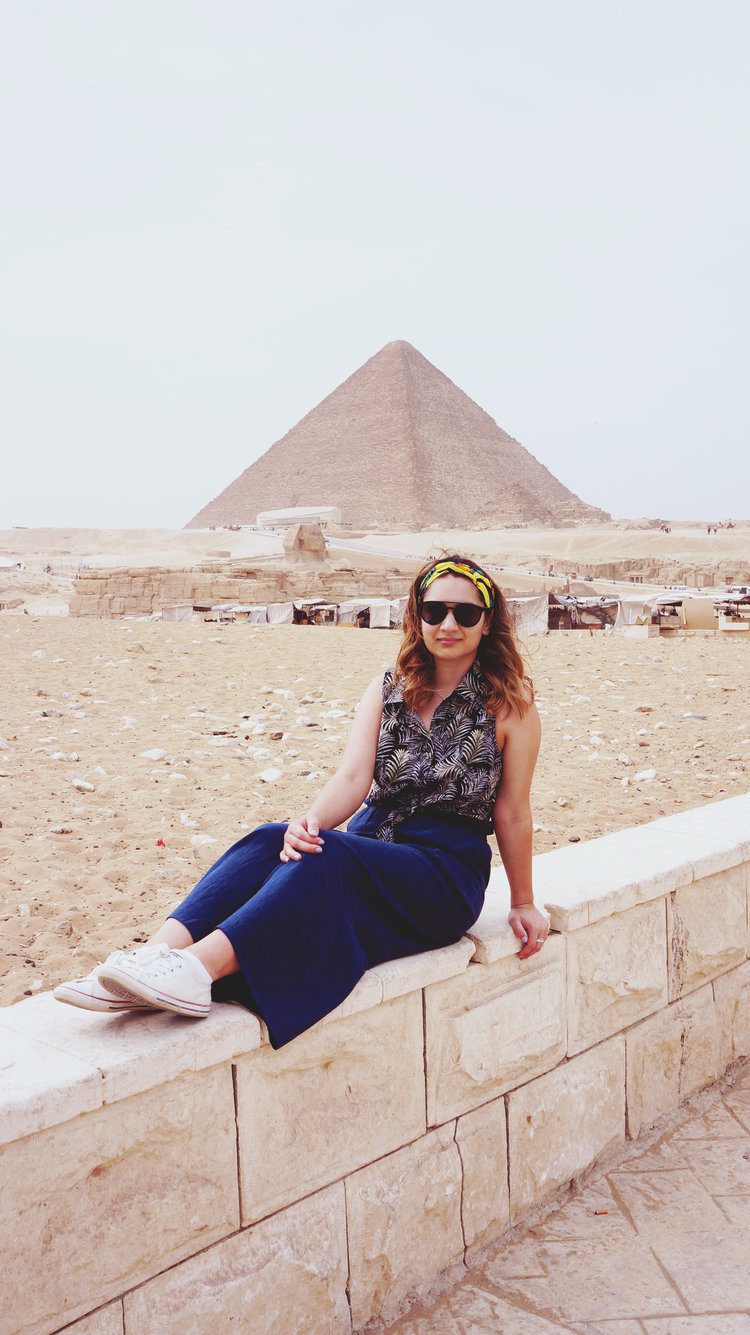
    • Cover your shoulders.


    • Cover from your knees up.


    • Don’t wear anything low cut.


    • Don’t wear anything see-through.


    Really none of these are unimaginable, they’re entirely understandable and easily done. However, the problem we 21st century ladies face is how all of the above are the biggest trends going and are completely unavoidable on a shopping trip; Short-shorts cut to reveal some booty, Bardots and cold shoulder sleeves, deep Vs and mesh tops have been dominating the fashion universe for the last few years.

    So the question is, how can we dress respectfully, whilst keeping up with current trends?

    The answer lies in focusing on our less skin-baring trends and wearing one accessory that will literally have your back throughout your trip:

    Cover your shoulders

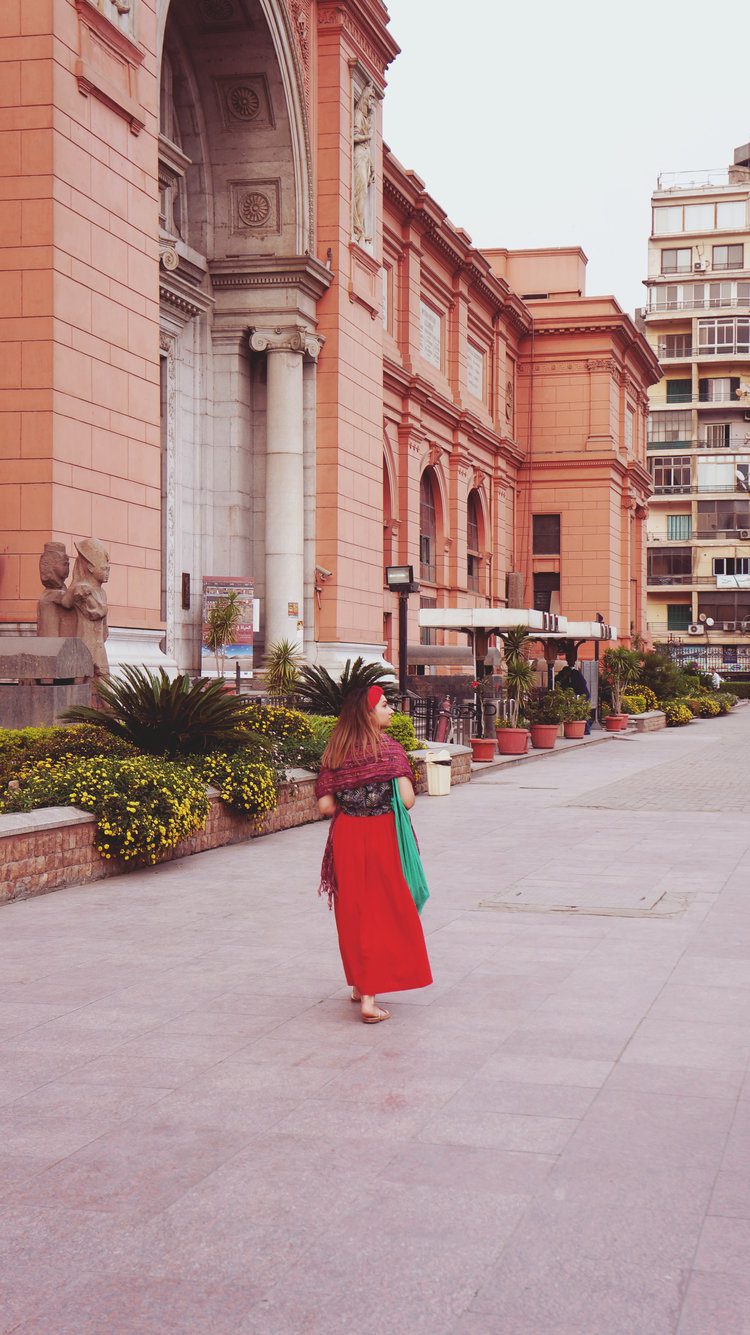
    This is where that one accessory comes into play. The magnificent scarf! This blessing can be carried easily in your bag when you don’t need it, and when you do, it can be worn in a multitude of ways to cover your head, shoulders and legs!

    A scarf means you can wear strappy items, cold shoulders or Bardot sleeves and when you need to, you can throw a scarf over your shoulders to cover them.

    Go for a light one because if you’re looking at this post then the chances are you are heading somewhere hot, so you want cotton or a loose weave to stop you from overheating. If you want it to be able to cover you legs for visiting a temple but you’re wearing shorts, then pack a wider one that can be tied as a sarong.

    Kimonos are another great way to cover up, they’re light and loose so you won’t overheat and they are majorly in fashion at the moment. 

    Bring some options to accessorise your outfits.

    Cover from your knees up

    What I mean by this is don’t wear short skirts or shorts, especially not shorts that cut right up your bum. I’m partial to flashing a bit of cheek in swimsuits but when you’re walking through the old Medina in Marrakech, shopping in the souks of Dubai or visiting temples in Singapore, it’s inappropriate and may get you unwanted attention. 

    Not being able to wear above-the-knee shorts is difficult I know because they are practical and comfortable in the heat, but there are some amazing bottom half trends in fashion at the moment which are entirely suitable:

    Palazzo pants

    These long and loose trousers are amazing for staying cool in hot climates because they don’t cling to your body, plus the length means they will cover your legs.

    Culottes

    With the same benefits as the palazzo pants but these bad boys are cropped so the hems won’t get dirty and your lower legs can get a bit of sun.

    Jumpsuits

    Your whole outfit in one with the practicality of trousers! With such a huge variety of top styles and cuts for the legs, you have so much to choose from.

    Midi skirts

    My absolute go to at the moment, I am loving midi skirts. I’m short so they don’t crop as high as they would on taller gals, but for me, it means I can get length without them draping along the floor. Brands such as Urban Outfitters are coming out with matching midi co-ords so they’re easy to style.

    Midi dresses

    Same as the midi skirts except you have one less worry over what to wear on top, because it comes with one!

    If you’re heading to any souks or into the desert, I wouldn’t recommend wearing maxi-length skirts or dresses because the hem will get dirty very quickly.

    Don’t wear anything low cut

    I’m not talking wear roll-necks, but I wouldn’t suggest going more than a couple of inches below your collar bone.
    Don’t wear anything see-through
    Mesh tops, crochet creations and braless numbers (where nips are visible) are all best to avoid.

    A dress bought in the medina in Marrakech, Morocco.

    Hopefully, this has made dressing modestly a little less daunting. There are so many options and with a silver lining of not having to shave half of your legs (if you do shave) it’s easy to adhere to. Plus, you can always buy clothing from the country you’re in (see the photo above). 

    Some locations are a little more lenient than others, and some might just require dressing modestly when in a place of worship – just do a little research before you go to be sure.

    Aloha, Gabriella