Tag: Honolulu

  • How to practice responsible tourism

    How to practice responsible tourism

    Travel has completely opened my eyes to how much waste there is in the world and the effects that my contributions were having. Seeing real life mounds of discarded single use plastics, videos of animals’ tummies full of plastic and rubbish, animals being harassed for tourists’ amusement and beaches scattered with rubbish – it’s hard to ignore what irresponsible behaviour can lead to. It’s important that we all do our part to stop being so wasteful, to protect our planet from the damage we’ve caused so that future generations of animals and humans don’t suffer because of what we’ve done. 
    My experience of irresponsible tourism 

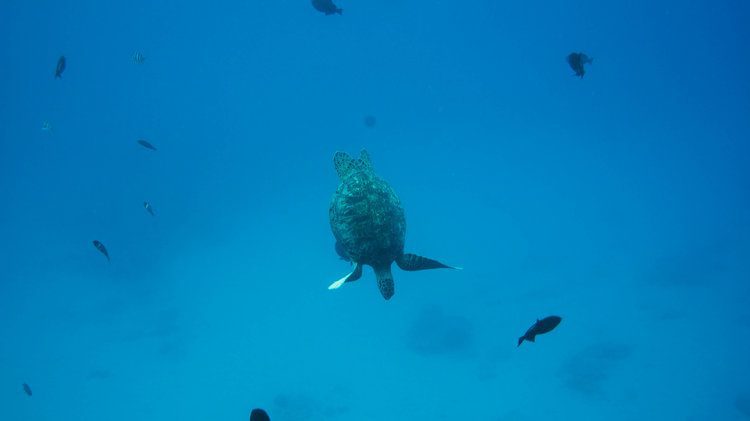
    In February I returned to Hawaii and whilst in Oahu I decided to book an excursion to swim with turtles, something I had done a few years before in Maui and thoroughly enjoyed. I chose to book with a company called Holokai Catamarans based in Waikiki and was gravely disappointed by the behaviour of both the crew and the passengers on my tour.

    We witnessed the crew throw chocolate chip cookies into the water, and last time I checked, wheat and chocolate don’t grow in the sea and are therefore not part of a natural diet for turtles or fish. There were only four turtles in the water, one was young too, and another three boats came to join us, including a boat loaded with scuba divers and even a glass bottom boat! At one point there were approximately 40 people both on and beneath the surface of the water surrounding these poor turtles. 

    That situation had multiple things wrong with it:


    1. The turtles were heavily outnumbered and surrounded. If they feel threatened they will be reluctant to surface for air, which could lead to asphyxiation and therefore death.


    2. Glass bottom boats are extremely dangerous for sea turtles as they can get confused and try to surface beneath the boat. This can damage their head, fins or their shell and even lead to panic and suffocation.


    3. Sea turtles are an endangered species and it is very important that you respect them and their environment. For this reason you legally must stay 10ft back to prevent the turtle from being scared, harassed or harmed. Turtles are curious creatures so there is a good chance that whilst you are observing them that they will surface near you to do the same to you. In this situation, you must remain calm and very slowly give them space, then count your blessings for a beautiful moment you shared with such a magnificent animal.


    Unfortunately the situation worsened and not only were the turtles encompassed by far too many tourists, some groups of people then did the worse thing imaginable, they started to grab at the turtles and chase them, whilst the crew did nothing. I personally had to stop at least five people from chasing the turtles when they surfaced and I even pulled a person away after they touched one of the turtles. It was incredibly distressing! So, for these reasons I cannot recommend taking this tour; their lack of responsibility for their passengers and respect for the turtles was heartbreaking. 

    Once I returned to my hotel I wrote a letter of complaint to the company and I also reported them to Hawaii’s tourism board via their government’s website. Since then I have been far more vigilant over choosing tours, doing my best to make sure they are environmentally conscious and responsible.

    Tips for finding responsible marine tours

    With so many tours available over the internet it might seem like a daunting task to find operators that are responsible. Here are a few pointers for finding tour companies that you can trust to be environmentally conscious:


    1. Always take a peek at their own website, even if you’re using a comparison site. You’ll get a better idea of their priorities and what they pride themselves on. For example, if they mention that they are “the most eco friendly tour operating out of that harbour” you know they’ve got their priorities in order.


    2. If you’re booked to stay in a hotel, ask the concierge or front desk if they can recommend any responsible tours. Then research them before making a booking.


    3. Look for companies that provide or encourage the use of reef safe suncream only.


    4. Small tours are always the better choice. They have a smaller impact on the environment and it means you are going to have a much more personal experience with them. Larger tours are mostly operating to make money and don’t take care of individuals or the environment. Whilst on a whale watching tour in Hawaii, we chose to go on a very small dinghy and because of that it meant we could hear the whales singing through the hull of our boat. Moments later we were joined by a large boat with two decks which was blasting out its own music. Not only was that precious moment lost on those people on the larger tour, but they are discouraging people to truly experience their surroundings.


    5. Take note of companies that partner with nature conservationists, charities and organisations. You know they care for the environment and everyone’s personal experience over masses of paying passengers if they have a strong focus on marine biology and research.


    6. Reach out to travel and environmentally conscious bloggers. Ask them if they know of any trustworthy tours, or if they can recommend any companies. You can always contact me through my Instagram, @gabriellawisdom, or email, if you have any questions or want recommendations.


    If a turtle surfaces near you, remain calm so you don’t antagonise it, do not reach out to it, and when it is safe, put distance between yourself and the turtle.

    Extra measures that you can take

    Of course, responsible tourism doesn’t start and end with the tour operators. We all have a responsibly to protect and preserve our beautiful environment. Here are the ways you can help:


    1. Bring your own reusable water bottles to prevent the use of plastic ones.


    2. Wear and bring your own reef safe suncream. Oxybenzone and octinoxate are harmful chemicals to coral reefs and are often found in suncream and UV protection products. Many leading brands such as Hawaiian Tropic, Australian Gold and Banana Boat are now reef safe. Check the label before purchasing your next bottle.


    3. Be respectful of your environment. Don’t touch or harass any animals, don’t take anything with you except memories and photographs (if it’s appropriate) and don’t leave anything behind such as rubbish. If you see any rubbish, pick it up.


    4. If you do see something wrong, don’t be afraid to voice it and report it. I recommend you report what you witnessed to authorities and sending a private email over blasting them on the internet, the situation will be taken more seriously if you go about it sensibly.


    You may also be interested in this eco-conscious suncream from plastic-free shop Coconut & Cotton.

    Responsible marine companies I have used around the world

    Since my experience in Oahu, Hawaii, I am more determined than ever to make sure I book responsible and environmentally conscious tours. Here are some companies from around the world that I whole heartedly recommend because, each one of them have a passion for the world we live in and the animals we share it with:


    • Ultimate Whale Watch & Snorkel for whale watching in Maui, Hawaii. 


    • Pride of Maui for swimming with sea turtles in Maui, Hawaii.


    • Wild Whales Vancouver for whale watching in Vancouver, Canada.


    • Reef Day-tripper for swimming in the Great Barrier Reef, Cairns, Australia.


    We are all accountable for making sure we protect and preserve our environment. Together we can make great strides towards responsible tourism by acting upon the tips I have highlighted above and booking tours based on their environmental impact and awareness over what costs less.

    .

    Aloha, Gabriella
  • Packing guide – Hawaii, USA

    Packing guide – Hawaii, USA

    I have been to Hawaii both in the height of summer and winter. I have experienced endless days of sunshine and blue skies and relentless rainstorms and chilly winds. 

    From my time in Hawaii I have learnt that it’s better to be prepared for both ends of the seasonal scale because you don’t always know what you’re going to get. Plus, there are certain excursions you can do that warrant clothes you wouldn’t quite expect to wear in the Rainbow State.

    Hawaii is made of glorious tropical islands, so even in the winter the temperature doesn’t really dip much below 20˚C in the daytime and it will pretty much sit around 24˚C. During the summer months, you’re looking at an average low of 24˚C and a high of 30˚C. As you can imagine you won’t need to make space in your case for a bunch of wooly knits! So let me take you through my packing list and the essential items that I couldn’t do without.

    Swimwear

    Bring a good selection of swimwear, and I don’t just mean different patterns of the same stringy bikinis (or in my case high waisted ones, they flatter everyone!), I mean different types that suit a range of activities! If you are fully able to go into the ocean, you’d be a fool to stay out of it with so many reasons to enjoy it from cooling off to swimming with turtles! Here are the staple swimsuits I think you need:

    Women


    • A rash guard for three good reasons, the first is if you go surfing you’ll want to protect your chest from a board rash. The second is if the waters are cooler it will help you keep warm in the water. The third is if it’s really hot, it will protect your back from burning in the sun whilst swimming.


    • A full coverage swimsuit or even better a surf suit for going surfing. I wore a very practical Roxy swimsuit with a rash guard but if you come off your board and get thrown about a bit, your rash guard might ride up and if your swimsuit doesn’t have a high neckline you may or may not have a nip slip… I may or may not be speaking from experience, thank God for those rash guards, hey I guess that’s a fourth good reason to have one!


    • A bikini, if you’re confident wearing one, to avoid leaving the islands with a pale tummy. I spent two weeks in Mexico in mostly swimsuits and my stomach was a stark contrast to the rest of my body! FYI I don’t like being in bikinis but in Hawaii I realised anyone judging me for a roll or two when I sit up has more insecurities than me, and so I sat out in my bikini and embraced the body I have.


    • Something cheeky! This is hard because virtually every swimsuit in the shops these days are encroaching on wedge territory. I’m not encouraging it just for fashion’s sake though, I like them because you get a more even tan on your tooshie!


    • Swimsuits for posing, I’m talking about the really impractical ones, the ones that are meant for sun loungers and cocktail sipping, why not, you’re on holiday/vacay!


    Men


    • Shorts, because you don’t really have a lot of options, sorry.


    • Rash guard, for the three same reasons as above – if you go surfing, you’ll want to protect your chest from a board rash. If the waters are cooler it will help you keep warm in the water, and if it’s really hot, it will protect your back from burning in the sun whilst swimming.


    Cover ups

    I am assuming you’ll be spending a lot of time going between the glorious beaches and maybe the pool so I recommend bringing a couple of cover ups to go over your swimsuit. Men, you just need a T-shirt so you’re easily sorted, Women, a tunic is a great option because it can be worn over a swimsuit or with shorts if you’re heading away from the beach (you don’t want to feel like you’re in your undies). A sarong is always a solid cover up but if you’re looking to buy one, wait until you’re in Hawaii and grab a pareo, it’s a traditional Polynesian sarong that can be worn multiple ways.

    Shorts

    You can’t go wrong with a good pair of shorts, denim is my preference because they go with anything, but bring something that is comfortable so that you can go anywhere in them from hiking to shopping.

    Tops

    Even though I felt like I wore more than just the same outfit over and over again, I pretty much wore the same top almost everyday! With so much to do, you’ll end up being quite active and wearing a lot of swimwear so don’t stress about brining a lot of tops. Of course bring more if you won’t be wearing many dresses, but I really only needed a few that I would wash and put out to dry on the days I would be mostly on the beach.

    Outerwear

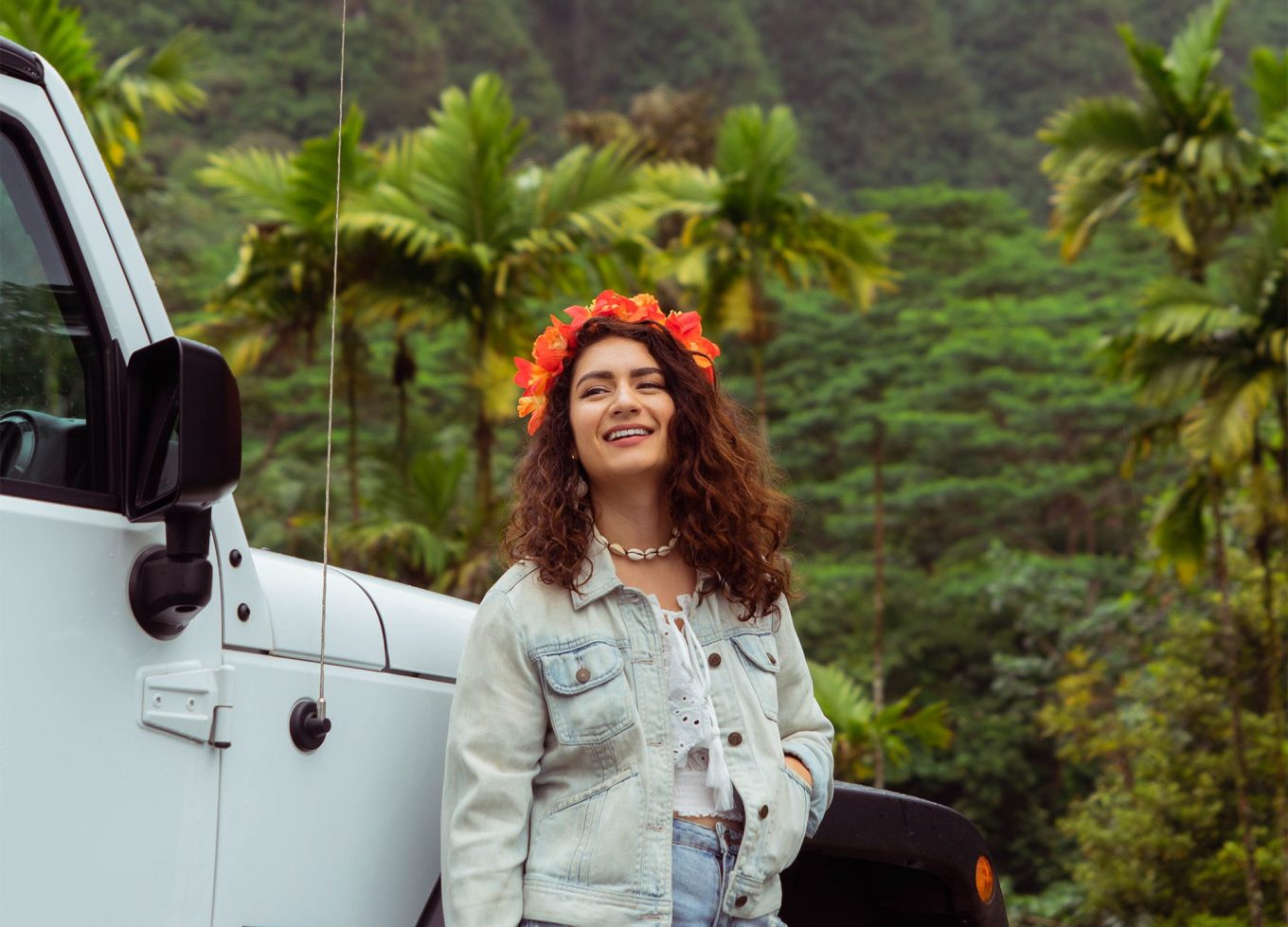
    I brought a denim jacket to Hawaii both in summer and winter and it was welcomed on both trips. Even in the summer, the nights can be cool so having a versatile jacket is smart, plus you can wear it in air conditioned restaurants and shops, you know, the ones that overcompensate and feel like you’re walking into the Artic circle. That jacket will definitely be needed for winter evenings and some cooler days.

    A lightweight shower proof jacket is a great one for both seasons too. The are far more rainy days in winter, obviously, but those glorious rainbows need a little help from a shower or two so it’s not the worst idea to have one to hand.

    Haleakala is a chilly ordeal no matter what time of year you go. We went in the middle of summer and it was shockingly cold and wet! Despite wearing thermals, warm layers and waterproofs, we were not prepared for how cold it was and we felt like we had frozen to the bone! Hours later when we returned down from the clouds, we were roasting again. If you are planning on going up to watch the sunrise or sunset from Haleakala, bring layers! 

    Trousers 

    Like I mentioned in outerwear even if you’re going in summer, if you’re planning on making a trip up to Haleakala, you are going to need to wrap up so bring a pair of trousers. It could be smart trousers that you can wear in the evening for dinner or a pair of jeans. Honestly even when I went in winter it wasn’t cold enough for trousers, but as I travelled from England with a pair of jeans I wore those on some cooler evenings but again, it wasn’t terrible cold that I felt I had to wear them.

    Jewellery

    Shell jewellery is so hot right now! I made a bracelet, anklet, choker and earrings after purchasing a jewellery making kit and a box of cowrie shells from Amazon. It’s way cheaper than buying them in any highstreet store! If you don’t fancy making or buying them, wait until you get to Hawaii, there are shops everywhere selling cowrie shell jewellery for just a couple of dollars if that.

    Shoes

    Really you only need two pairs of shoes for a trip to Hawaii and those are a pair of flip flops for the pool, beach and avoiding awkward tan lines and a pair of trainers or hiking boots for walks, hikes and anything else active. Of course I brought four other pairs of sandals and sneaks just for styling with various outfits, but if you’re aiming to pack light, you can live off two. Maybe bring one nice pair of sandals for any special nights out, at a push.

    Mosquito Repellent 

    If you’re planning on driving the road to Hana you’ll need bug spray! Those nasties are ready to pounce the second you get out of the car, so be prepared.

    . 

    There’s a good chance you’re here because you’re either taking a trip to Hawaii or planning to so here are some other blog posts that might be of use to you:

    6 of the best things to do in Maui, Hawaii

    PFH Hawaiian mix tape playlist

    Packing guide – what to take on excursions, tours and day trips

    .

    If you like the look of my packing list and want to make one for yourself, take a look at My ultimate interactive packing list. You can download my template and personalise it to your trip!

    Aloha, Gabriella

    Pin this post