Tag: British

  • Great British desserts every traveller must try

    Great British desserts every traveller must try

    If there’s one thing British cuisine does well it’s dessert, or as we call it, pudding! With so many classics it was hard to get it down to a digestible number so here’s 11 of the greatest British desserts that I think travellers to the UK need to try, (at least one anyway!)

    All of these desserts can be ordered in pubs across Great Britain (they might not have all of them but it would be peculiar if they didn’t have at least one) and if you want to save money you can also buy them in pretty much any large supermarket across the nation. I’ve also linked out to recipes if you fancy making them yourself at home whilst the pandemic is preventing international travel.

    Traditionally, all the puddings/desserts below are made with wheat and dairy, but with so many more alternatives available these days, it’s easy to make or find gluten free, dairy free or vegan versions of these Great British delights.

    I started working on this blog post in March right before the UK went into lockdown so I didn’t manage to get photos for all of the following sweet treats, so Michael very kindly provided some illustrations so you can get an idea of what they look like. Aww ain’t he cute!

    1. Sticky Toffee pudding

    What is it?

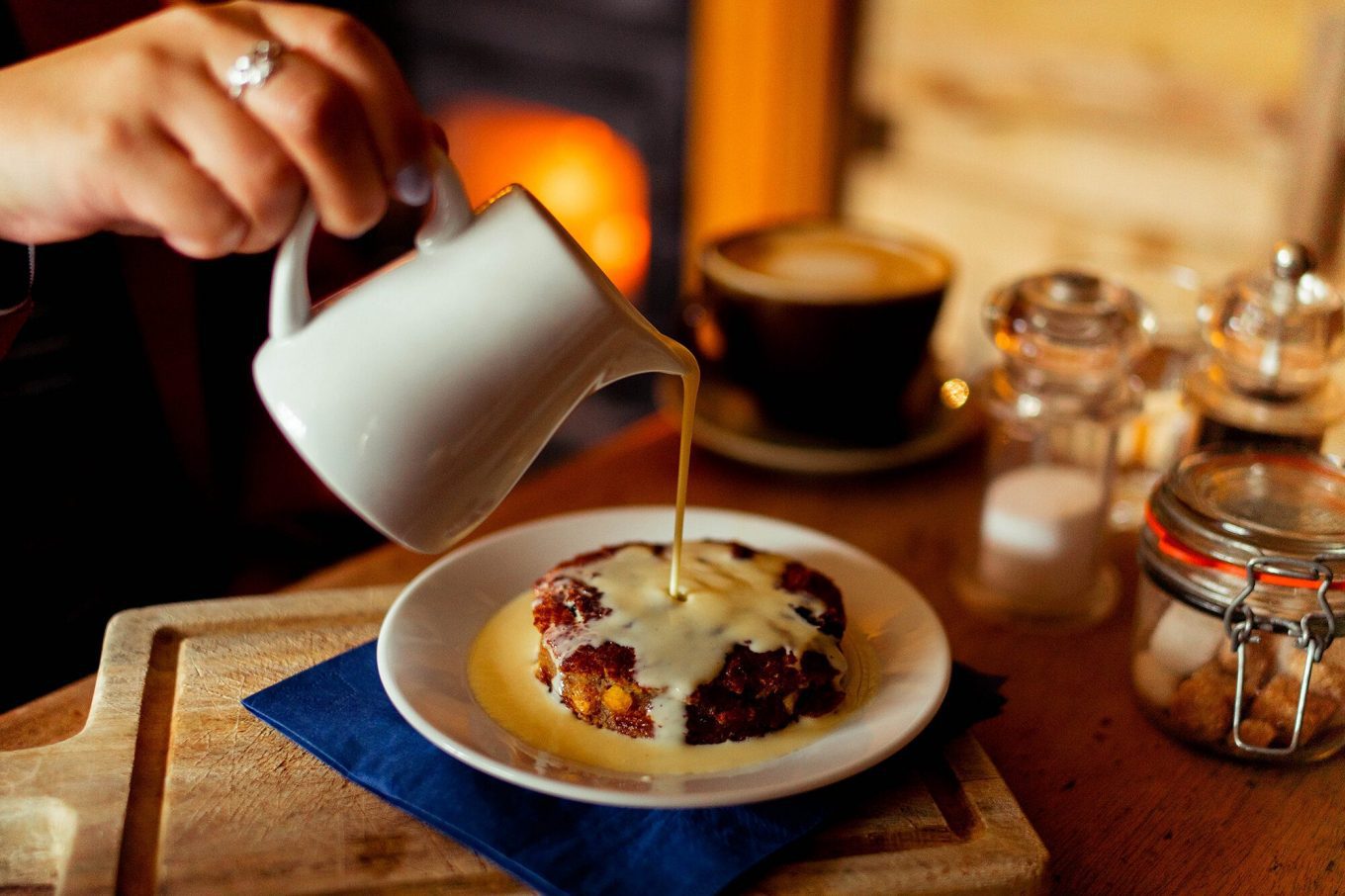
    Sticky toffee pudding, often known as STP, is a dark, moist sponge that is coated to the point that it’s virtually swimming in a rich toffee sauce. Sometimes the sponge is light and fluffy and others make it dense but it’s always extra sweet and sticky.

    Origin story

    The origin of sticky toffee pudding is still highly debated between three possibilities:


    1. STP was first made by Francis Coulson at Sharrow Bay in the Lake District in Cumbria, England in the 70s. Coulson’s recipe is so sought after that all the staff at Sharrow Bay have had to sign a non-disclosure agreement. The recipe itself is kept in a vault within the hotel.


    2. STP was first made in Aberdeenshire in Scotland.


    3. Francis Coulson received the recipe from Mrs Martin of The Old Rectory in Claughton, Lancashire in England.


    Whatever the origin is, it came from a desire to create something warm and comforting for dark and cold winter nights.

    Served with

    Served hot with either custard, cream or vanilla ice cream.

    Recipe

    Get Mary Berry’s classic recipe here.

    2. Spotted Dick

    What is it?

    It’s a polkadot patterned male genital usually served with custard but sometimes cream… UGH could you imagine? Nope, despite the comical name, spotted dick is a steamed suet pudding packed full of currants or raisins. The pudding itself isn’t very sweet but it gets its sweet taste from the dried fruit and custard that it should always be accompanied by.

    Origin story

    Spotted dick originated in the Victorian Era, a period known for its pudding inventions. Its first published mention was in 1850 by chef Alexis Soyer in The Modern Housewife, or, Ménagère. 

    So why spotted dick? “Spotted” comes from the dried fruit scattered throughout the pudding and “dick” is a dialectal name for a plain pudding shorted from “puddick”. Alternative names for spotted dick are Spotted Dog or Railway Cake; “dog” was also another name for a plain pudding abbreviated from “puddog”.

    Served with

    Served hot with warm custard.

    Recipe

    Get James Martin’s spotted dick and custard recipe here.

    For Nadiya Hussain’s Irish soda bread spotted dick recipe, click here.

    3. Bread and Butter pudding

    What is it?

    Bread and butter pudding is made from layered slices of buttered, stale bread that have been sprinkled with currants and cooked in nutmeg seasoned egg and cream mixture. It should be golden and crunchy on top and soft and moist on the bottom. It’s incredibly fragrant for a fairly simple pudding and is ideal for using up stale bread that’s on its way out. Bread and butter pudding is made with stale bread in the same way that banana bread is made with over-ripened bananas.

    Origin story

    The earliest publication of a bread and butter recipe was in Eliza Smith’s The Compleat Housewife in 1728 (take the fact that most of these desserts come from some kind of how-to-be-a-good-housewife guide, with a pinch of salt, Lord knows I am). 

    Before it became bread and butter pudding though, it was known as “whitepot”. Whitepot used bone marrow in place of butter, yeah…. I’m glad it changed too.

    The much loved dessert comes from the necessity to use up stale bread so that it doesn’t go to waste. 

    Served with

    Served hot with either custard, cream or ice cream.

    Recipe

    For Delia Smith’s classic bread and butter pudding recipe, click here. 

    For Jamie Oliver’s bread and butter panettone pudding tart recipe, click here. I made this a couple of Christmases ago and it’s an amazing use for panettone bread, if you’re someone that always gets given one over the festive period. 

    4. Summer pudding

    What is it?

    Summer pudding, otherwise known as summer fruits pudding, is a chilled bread pudding that has been soaked in the fruit juices of seasonal summer berries and has a centre packed full of all of those juicy berries. The berries used may include any of the following:


    • Raspberries


    • Strawberries


    • Blackcurrants


    • Whitecurrants


    • Redcurrants


    • Blackberries


    • Tayberries


    • Loganberries


    • Cherries 


    • Blueberries


    • Gooseberries


    Origin story

    Another Victorian pudding made from stale bread, yes, but this one is entirely different from bread and butter pudding as it swaps out a rich dairy mixture for being soaked in fresh summer berries. Oh, and it’s served chilled.

    A similar recipe to summer pudding dates back to 1904 but was served hot. The most similar recipe came much earlier in the late 1800’s but it was called “Hydropathic pudding”, served to ladies in spas as it was seen to be a healthier option to stodgier suet puddings.

    Served with

    Serve chilled with thick pouring cream.

    Recipe

    The very best summer fruit pudding recipe has to come from Delia Smith, click here for her recipe.

    5. Crumble 

    What is it?

    Crumble is to the Brits what pie is to North Americans; it can be made with multiple fruit fillings and is often enjoyed after a large family meal.

    It’s a base of stewed fruit topped with mixture resembling breadcrumbs made from flour, butter and sugar which is baked to go golden and crunchy.

    Origin story

    Crumbles came about during World War II when food was rationed and the breadcrumb-like topping was a far more economical way to create a dessert over making a pie during a time when ingredients were limited. To further reduce the use of flour, oat and often breadcrumbs could be used to top this dessert.

    The most popular crumble fillings are apple and rhubarb.

    Served with

    Served hot with custard, cream or ice cream.

    Recipe

    Click here for Jamie Oliver’s rhubarb crumble.

    Lorem ipsum dolor sit amet, consectetur adipiscing elit. Ut elit tellus, luctus nec ullamcorper mattis, pulvinar dapibus leo.

    6. Jam Roly-Poly

    What is it?

    A jam roly-poly is not dissimilar to a Swiss roll in that it’s spread with strawberry jam and rolled up before being steamed or baked.

    Origin story

    The jam roly-poly is another Victorian era suet pudding creation, honestly how the women survived in corsets is beyond me. It was originally rolled up and steamed within an old shirt sleeve which got it the appetising nicknames: shirt-sleeve pudding and dead man’s arm… yum!

    It’s a simple delight that’s a popular choice with kids and is a staple dessert on school dinner menus across the nation. 

    Served with

    Serve hot with warm custard.

    Recipe

    Click here for The Hairy Biker’s jam roly-poly pudding recipe.

    7. Trifle

    What is it?

    I’m sure many Brits would agree that Christmas wouldn’t be Christmas without a trifle.

    Trifle is the traditional English dessert that Rachel Green was trying to make for Thanksgiving when she got mixed up with shepherds pie in Friends, “The One Where Ross Got High”.

    It’s made up of layers of sponge soaked in booze, fruit, jam/jelly and English custard that is topped off with whipped cream and sprinkled with either chocolate shavings or almond flakes. 

    Just like a crumble, the fruit can be your own choice. Strawberry is a firm favourite but it’s equally delicious when made with seasonal fruits.

    Origin story

    The trifle is one of the oldest desserts in British history and was first published in 1585 in Thomas Dawson’s cookbook, The Good Huswifes Jewell. It evolved from a fruit foole which is a dessert made from fruit mixed into a sweetened cream.

    The Scottish version is a tipsy laird and in the US there’s a trifle variant called a tipsy cake… yeah, a boozy one for sure, but you can swap out the sherry (etc.) for fruit juice so it’s more appropriate for the kiddies to eat.

    Served with

    As trifle is made with layers of custard and cream, it doesn’t need to be served with anything.

    Recipe

    For a traditional trifle recipe made with jam, click here for Mary Berry’s recipe.

    For Jamie Oliver’s trifle recipe made with jelly, click here. 

    8. Eton Mess

    What is it?

    Eton mess is a delightfully simple dessert made from meringue, cream and summer berries.

    Origin story

    Eton mess is a dessert that originates from Eton College, the poshest all boys school in the United Kingdom; it’s where Princes William and Harry went to school.

    Eton mess is know to have first been made in 1893. Originally Eton mess was made from either strawberries or bananas mixed with either ice cream or cream and was available from their tuck shop in the 1930s. It was years later that the meringue was added. Its name comes from its place of origin and the fact that it wasn’t well presented.

    Legend goes that a dessert of strawberries, cream and meringue was accidentally dropped on the floor during the annual Eton vs Harrow cricket match in the late 19th century, instead of letting it go to waste, they scooped it up and served it anyway. It is now served every year at the cricket match, however you can get it from most pubs in summer or it’s easy peasy to make at home, especially if you use pre-made meringues.

    Served with

    As Eton mess is made with cream, it doesn’t need to be served with anything else.

    Recipe

    Click here for an Eton mess recipe that teaches you how to make meringues from scratch.

    9. Knickerbocker Glory

    What is it?

    A knickerbocker glory is a British ice cream sundae.

    Origin story

    The knickerbocker glory is known to have been around since 1920s but its true origin story seems to be lost in a multitude of claims from being named after the popular Dutch surname to Lyon producing a series of desserts named after outer-garments.

    Served with

    As knickerbocker glories are packed full of cream and ice cream, it doesn’t need to be served with anything else.

    Recipe

    Click here for Mary Berry’s knickerbocker glory recipe.

    10. Banoffee Pie

    What is it?

    Banoffee pie is an incredibly indulgent pie filled with toffee, sliced bananas and cream.

    Origin story

    The banoffee pie is the most recent dessert creation on this list. It was first created in East Sussex by British restaurateur Nigel Mackenzie in 1972 when he and his chef Ian Dowding were making a Blum’s Coffee Toffee Pie but decided to adapt it to include fruit. It instantly took off and became a permanent dessert on the menu at The Hungry Monk. The recipe became accessible to all when Nestlé printed it on the side of their cans of Carnation condensed milk. 

    Served with

    As banoffee pie is topped with lashings of cream, it doesn’t need to be served with anything but it can be served with ice cream.

    Recipe

    Click here for Mary Berry’s classic banoffee pie recipe. 

    11. Treacle Tart

    What is it?

    Treacle tart is a shortcrust pastry base filled with a thick golden syrup mixture and is probably the sweetest one on here.

    Origin story

    The recipe for treacle tart first appeared in one of Mary Jewry’s cookbooks in 1879 but it was made with a much thicker black treacle and isn’t a representation of the treacle tart Brits know and love today. The modern treacle tart came about in the 1880s with the invention of golden syrup.

    It was a popular dessert with less fortunate families as it could simply be made with bread and treacle which were much cheaper ingredients than fresh fruits.

    PFH Fun Fact: “treacle tart” is cockney slang for “sweetheart”.

    Served with

    Served hot or cold with whipped or clotted cream or ice cream.

    Recipe

    Click here for James Martin’s treacle tart recipe. 

    .

    I hope you have sweet tooth!

    Gabriella

    Pin this post


  • A guide to spending the day at the British seaside

    A guide to spending the day at the British seaside

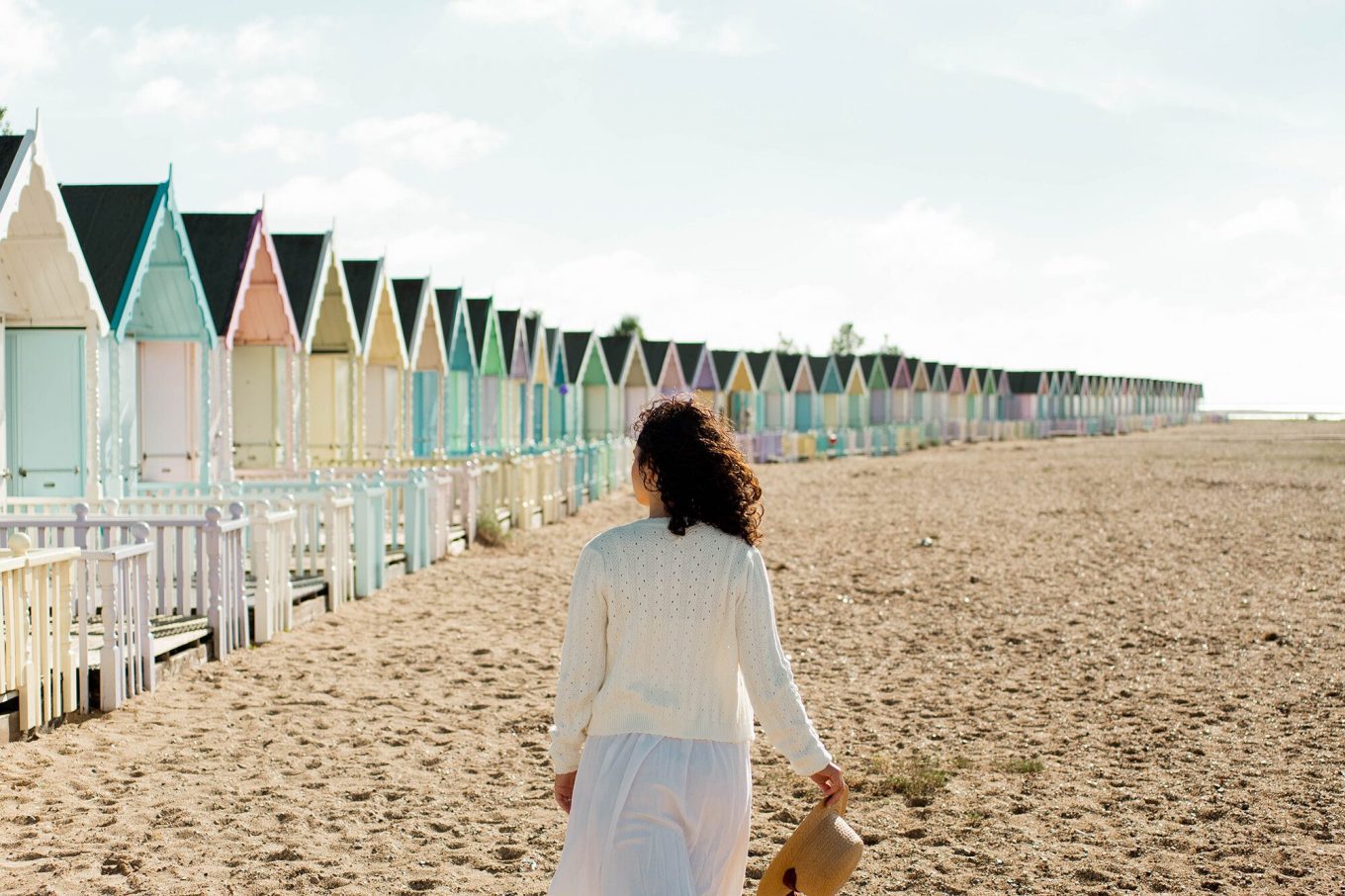
    Well it’s not quite the Great British Summer we were expecting for 2020 but it won’t be like this forever! Let’s make the most of what we have left of the summer and then this little guide will still be around for years to come when you (whether you live in the UK or plan to visit) can spend a classic day at the seaside doing all the things that make summer by the seaside the quintessential pastime that it is.

    I wanted to put this guide together for anyone coming to a British seaside town for the first time, so that you can spend the day doing all of the classics that so many Brits have enjoyed for years. 

    Fun Fact: The day below is my ultimate date plan. My favourite days spent with Michael at home are doing exactly what I’ve listed below. I don’t (always) need a fancy dinner, just give me a handful of 2ps for the arcade and chips swimming in vinegar and I’m on cloud nine.

    Find a spot on the beach

    The goal here to is arrive early to nab a good spot and then spend an almost absurd amount of time there; I’m talking hours. You don’t want to leave until sand is everywhere: hair, mouth and even your bits. If sand isn’t washing out of your crack in the shower at the end of the day, you didn’t stay at the beach long enough. 

    Things to do on the beach:


    • Read a book


    • Make a sandcastle


    • Do a beach clean (and dispose of the rubbish/trash responsibly)


    • Swim in the sea, even if it’s a little chilly


    • Bodyboard, paddle board or surf


    • Rock pooling (discover the sea life living in the rock pools during low tide)


    Things you might want to consider bringing with you for a day at the British Seaside:


    • A windbreaker


    • Collapsible camping chairs


    • A net


    • A bucket and spade


    Please either keep hold of your bucket and spade to reuse and if you don’t want to travel with it, please hand it to a family so that their kids can use them. NEVER leave your bucket and spade on the beach, the tide will carry them out to sea and it will pollute the ocean and could kill marine life.

    THIS IS VERY IMPORTANT: Check the tide times before you plan to go. Having worked in a little café on the beach for 9 summers when I was younger, if I had a penny for every time a tourist asked me where the beach was I wouldn’t have had to work as a waitress for 9 years! Many beaches will be covered during high tide so check the tide times for your beach of choice online. 

    High tide: the sea has come in and is covering the beach.

    Low tide: the sea has gone out and the most amount of beach is uncovered.

    Please make sure you drink plenty of water and regularly apply suncream. Pay attention to signs on the beach that indicate safe swimming areas/rip tides.

    For a packing guide for a day at the beach, check out my blog post: what’s in my beach bag.

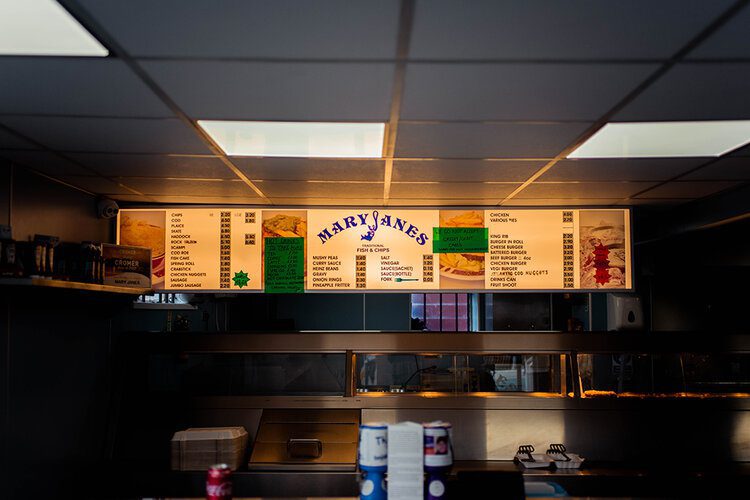
    Fish & Chips for lunch

    If you’ve read my blog post, Traditional British meals every traveller needs to try then you’ll know that fish and chips is one of my favourite meals of all time. I cannot go too long without fish and chips, fish and chips is life. If you’re vegan, drop the fish and just go with the chips, many places will fry in veg oil, but check in advance.

    Check out my blog post Traditional British meals every traveller needs to try to read about your different condiment options.

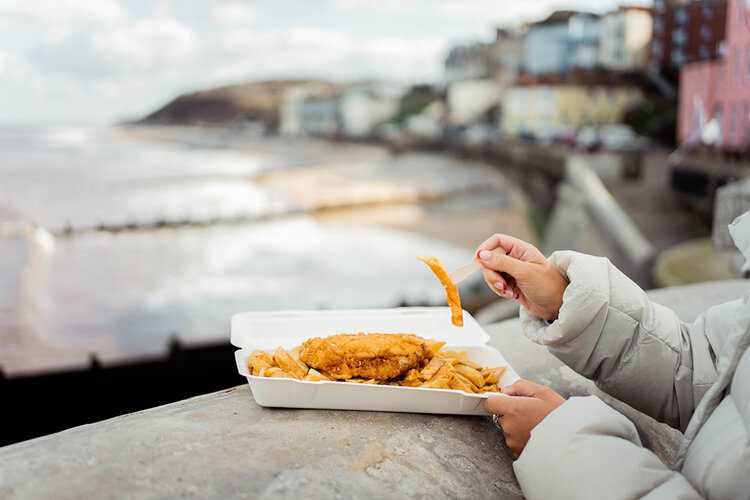
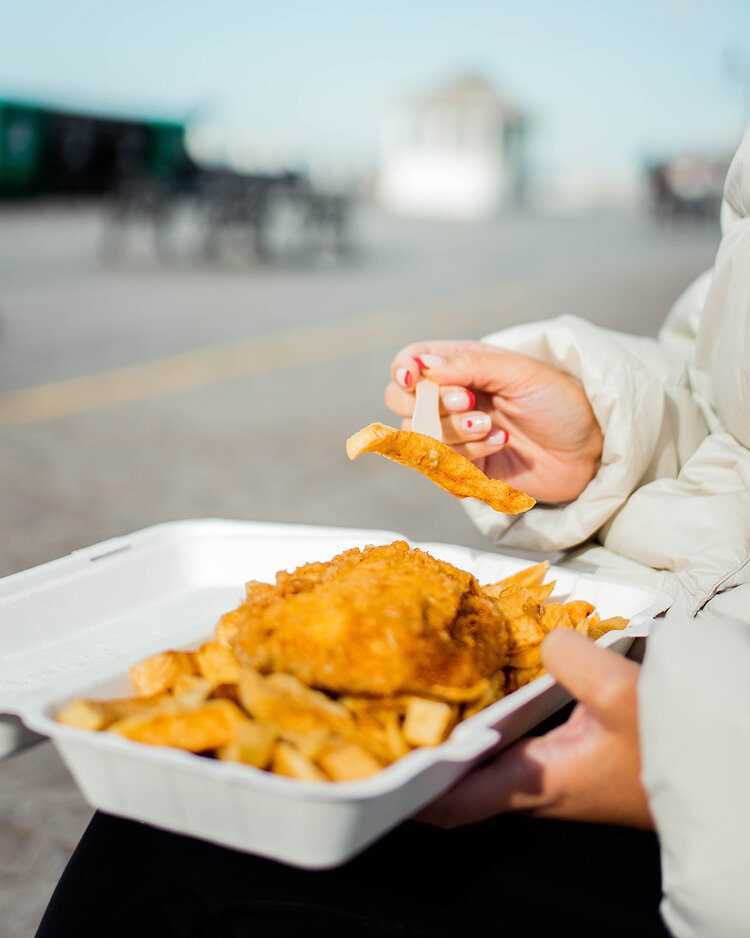
    When getting fish and chips on a day at the beach, you’ll want to get to the chippy before 12pm or later in the afternoon to avoid queues longer than Brighton pier. Get them open (rather than wrapped) so you can add your own salt and vinegar, then head back to the beach. Yes you’re probably going to get sand in your chips, but that’s part of the charm. 

    PSA: Beware of the seagulls!

    Visit the local shops

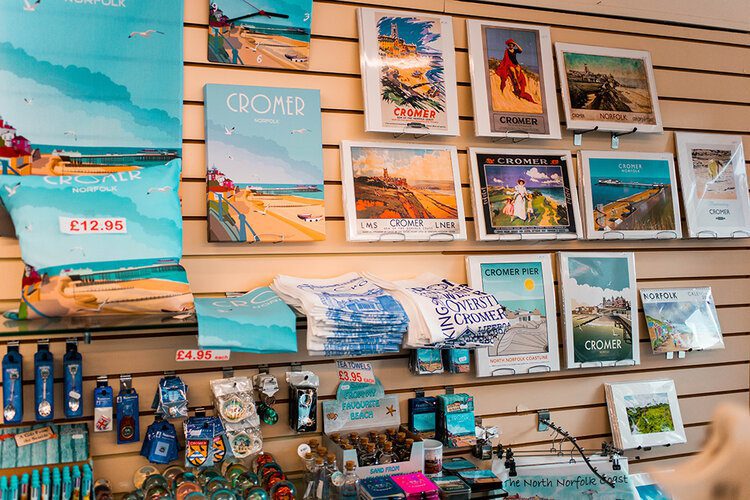
    No trip out is complete without a souvenir of the day. With so many locally made options, it would be a shame to leave the seaside with a standard trinket over a unique-to-the-area souvenir. For example, when visiting the Norfolk seaside, you absolutely must pick up something made with Norfolk lavender or when in Brighton or Blackpool you can’t leave without a stick of rock (hard candy).

    Spend purposefully not mindlessly and support local businesses.

    Enjoy a 99 Flake ice cream

    Ice cream comes after the shops because many won’t let you in with food and drink… it’s fair, I’ve been both the customer who accidentally dropped their ice cream and the shop assistant who has had to clean up the ice cream off the floor, so shop then eat.

    Unless you have allergies – in which case you can get an ice lolly, sorbet or ice cream in a pot – the only ice cream you should be eating at the seaside is a 99 ice cream. But Gaby, what on earth is a 99 ice cream? It’s a soft whip vanilla flavoured ice cream that should be (but isn’t always if you’re being served by a teenager) delicately swirled into a wafer cone (that tastes like nothing but it’s not the same without it) and then penetrated by a Cadbury’s chocolate Flake (a crumbly chocolate stick that falls apart when you try to eat it). Honestly it’s the basic bish of British ice-cream but summer just wouldn’t be the same without it.

    Contrary to popular belief, a 99 Flake ice cream didn’t get its name from its price but unfortunately no one really knows why it is called a 99 flake, 99 or ninety-nine. The true origin has been lost in time with many people claiming to be the first to snap a Cadbury’s Flake in half and stuff it in an ice cream. Origin stories cover tributes to the First World War, cricket, Italian Royalty and shop addresses. Either way, not knowing why it’s called a 99 Flake ice cream is part of the charm.

    Ideally you want to purchase your 99 Flake ice cream from an ice cream van with copyrighted cartoon characters with slightly askew features. Ice cream van jingles are the sound of summer!

    Play in the seafront arcades

    In the days before we all carried around copious amounts of hand sanitiser, I would make sure eating our ice cream came before going to arcades, because there’s nothing sanitary about handling decades worth of copper pennies and then eating with your hands.

    The arcades is one of my favourite parts of the day, it’s good fun with minimal effort and provided you don’t get carried away, it doesn’t cost much. 

    The most classic machine to play is the 2p slot machine. Not just any 2p slot either, you want the one that looks like this one in the photo, where there’s a whole platform pushing coins rather than rickety old arms that barely push the coins anywhere. This machine will give you your best chance of getting more coins back.

    Your technique should be to drop your coin as the top shelf is drawn in, so that by the time it lands, the shelf is all the way out, then when it draws back in again, the coin will push other coins froward and hopefully off the shelf. 

    The goal of these machines is to win something crappy that’s hanging off the edge but if it’s not something you’ll use, either play for the fun of it or even give it back to prevent contributing to waste (because really, these prizes are naff, except for the time I won a High School Musical pen, I still have that). Many arcades offer tickets/tokens that you can collet to buy better toys, but really you’ll only collect enough for some sweeties/candy.

    To manage your spending at the arcades, don’t change up more than £5 of 2ps. Honestly you can get your kicks on a couple of pounds and anymore than £5 you should have just spent it in one of the local gift shops instead. There will be various change-maker machines around the arcade but if you have notes, take them to the counter to be changed up.

    Playing 2p slot machines in the arcades at the seaside is a simple pleasure in life that I think everyone should experience, if possible.

    Grab a pint from the pub

    After a long day at the seaside, it’s really only logical to end it with a cold pint, or something equally classic such as a Pimm’s No.1 Cup or a G&T, at one of the local pubs. 

    If you don’t drink alcohol, don’t worry, this isn’t quite so much about drinking as it is socialising and taking a pause to savour the day you’ve just had at the beach before leaving. Whether it’s a pint of local ale or lemonade, take it out into the beer garden and enjoy what’s left of the sunshine before it dips below the buildings.

    If you are drinking an alcoholic beverage, firstly drink responsibly, and second try a locally brewed beer, cider or gin.

    .

    Gabriella

    Pin this post


    .

    If the photos are confusing it’s because I had originally started shooting this content back in February 2020 (pre-pandemic) for something else, hence the winter gear but I guess it shows you can do ALL of this no matter what time of year it is.

  • How to make the perfect pitcher of Pimm’s No.1 Cup

    How to make the perfect pitcher of Pimm’s No.1 Cup

    Anyone for Pimm’s?

    The perfect pitcher of Pimm’s doesn’t exis…. here it does. This recipe will have you making the perfect pitcher of Pimm’s Fruit Cup to serve this summer.

    Pimm’s No.1 Cup was created by James Pimm in 1840. It’s a gin-based spirit that is mixed with lemonade, ice, mixed fruits and mint. Pimm owned an oyster bar in London where he served up Pimm’s No.1 Cup as a digestive aid in a small tankard, which is how the drink got its name.

    Pimm’s No.1 Cup or known informally as just Pimm’s, is Britain’s favourite summer drink. It is famously served at some of England’s biggest summer events such as Wimbledon and the Chelsea Flower Show and is a staple at any summer wedding, BBQ, cricket match or garden party.

    Pimm’s Drizzle Loaf Cake

    Recipe Here

    Pimm’s o’ clock

    No other cocktail represents the Great British Summer better than Pimm’s, so to help you bring a little British summertime sophistication into your home here’s how to make the perfect pitcher of Pimm’s No.1 Cup!

    This recipe will serve 4 glasses working off the ratio of 50ml of Pimm’s to 150ml of lemonade per person. When making Pimm’s No.1 Cup, the ratio to lemonade is 1 part Pimm’s to 3 parts lemonade.

    Wimbledon themed party snacks

    Read here

    Ingredients to make the perfect pitcher of Pimm’s

    200ml Pimm’s No.1 Cup

    600ml lemonade (clear and carbonated)

    1 orange

    1 lemon

    1 lime

    1/2 cucumber 

    3 strawberries

    A handful of fresh mint leaves

    Ice cubes

    What you need to make the perfect pitcher of Pimm’s

    Pitcher or jug, preferably clear so you can see all the colours of the fruit

    Glasses

    Stirrer (this could literally be a spoon)

    Chopping board

    Sharp knife

    Measuring jug

    Wimbledon themed party snacks

    Read here

    Recipe for how to make the perfect pitcher of Pimm’s

    1. Slice the orange, lemon, lime and strawberries.

    2. Chop up the cucumber into chunks.

    3. Cut off the excess stalks from the mint leaves.

    4. Fill your pitcher 1/3 of the way with ice.

    5. Add the fruit and mint leaves. Before adding the mint leaves, give them a little smack with your hands. This warms up the mint and starts to extract the oils so that they can infuse your drink.

    6. Measure out your Pimm’s Cup and pour into the pitcher.

    7. Measure out your lemonade and pour into the pitcher.

    8. Take your stirrer and stir to combine the Pimm’s Cup and lemonade whilst evenly spreading out the fruit and ice.

    9. It’s ready to pour and serve, chin-chin!

    Alternatively you can mix Pimm’s No.1 Cup with ginger ale or even champagne to make a Pimm’s Royal Cup.

    .

    For more Brit food inspiration check out:

    Traditional British meals every traveller needs to try

    Classic English fruit scones recipe

    Aloha, Gabriella

    Pimm’s Drizzle Loaf Cake

    Recipe Here

    Pin this post


  • Traditional British meals every traveller needs to try

    Traditional British meals every traveller needs to try

    For all the times I have recommended street food and national dishes all around the world, I haven’t once thought about recommending what tourists visiting the UK should try, until now that is! 

    As a generally cold and wet country, our food tends to be on the stodgy and comfort side, focusing on potatoes and meat that can keep us warm, some of our favourites being bangers and mash (that’s sausages and mashed potatoes), cottage pie (no pastry involved) , shepherds pie (still no pastry involved) and actual pie with pastry involved. Don’t even get me started on the desserts! There’s trifle, crumble, Eton mess, jam roly-poly, summer pudding, sticky toffee pudding, bread and butter pudding and spotted dick (no dick’s involved) – oh yes, we do dessert very well here.

    Amongst all of those extremely delicious delicacies, there’s five things that every traveller absolutely must eat when visiting Great Britain:

    1. Fish and Chips

    Let me start off with a public service announcement before going any further – if you are North American, in the UK chips are not potato chips, those are known as crisps, chips are fries but chunkier, fluffier and better! Don’t get me wrong, I love fries, but fries are fast food, guilty pleasures, ordered as a side… chips however, chips are life!

    You order fish and chips from pretty much any restaurant in the UK from The Ivy to any old pub, but the best place to go is a local “chippy” either to eat in or take out. Very few foods bring me as much joy as when I unwrap my greasy paper to reveal more chips than I can physically eat and a piece of fish bigger than my head – challenge accepted!

    The great fish debate has been going on in households since the dawn of time (or at least fish and chips), and really your choice of fried fish comes down to personal taste. Your options for the most part are:


    • Cod


    • Haddock


    • Plaice


    • Skate


    Alternatives are: fish cakes, scampi a battered sausage or chicken nuggets (a firm favourite with kids).

    There are three basic sides to fish and chips: pickled onions, pickled gherkins and mushy peas. I don’t know why, I don’t ask why, I just eat them and they taste good. 

    As for sauces, these tend to be a little more regional but they’re usually all available:


    • Curry sauce (which bares zero resemblance to curry but is amazing)


    • Gravy (that’s a northern thing)


    • Tartar sauce (that’s a posh thing)


    • Ketchup (standard)


    The seasoning though is the most important part: salt and vinegar. Chips without salt and vinegar is like Sonny without Cher, Thelma without Louise, Burt without Earnie, LIFE WITHOUT AIR! They are what bring together this all time favourite meal of the British public. If you’re eating fish and chips in a pub or restaurant you will also be given a wedge of lemon for the fish.

    Traditionally fish and chips is eaten on a Friday.

    2. Sunday roast

    A Sunday roast with all the trimmings is probably the British public’s favourite meal. It is synonymous with family and is a big home comfort for all Brits. Traditionally it is homemade but the alternative is to go to a pub for a carvery which is a buffet served roast. It’s called a roast because the meat and half of the trimmings are roasted, your meat options will be:


    • Chicken


    • Beef


    • Lamb


    • Pork


    • Turkey (reserved for Christmas)


    The basic trimmings are:


    • Roast potatoes


    • Carrots


    • Parsnips


    • Yorkshire puddings


    • Stuffing


    • Gravy


    Everyone has their own veg favourites so there could be additional ones depending on where it’s being served.

    Condiments vary depending on the meat, Horseradish goes with beef, mint sauce goes with lamb, apple sauce accompanies pork and cranberry sauce enhances turkey. Chicken has been in a long-term relationship with gravy for so long that when you invite one the other comes too, chicken has no sauce on the side. Some people might serve bread sauce – a medieval sauce made from bread crumbs, butter and milk – but it isn’t a popular choice despite what Michael might tell you.

    As a tourist visiting who hasn’t been invited into someone’s home for a Sunday roast, you can get one from virtually any pub on a Sunday. It’s not limited to Sunday but traditionally it’s eaten on a Sunday for lunch or dinner so Sunday will be your best bet.

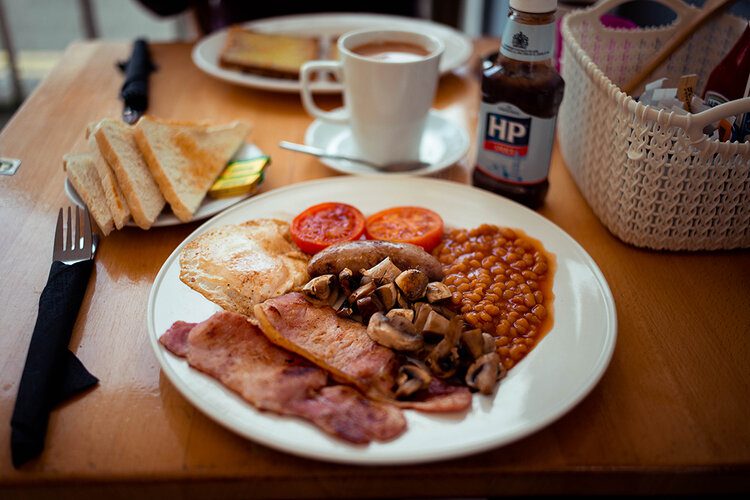
    3. Fry up

    The fry up, otherwise known as a “full English”, is the quintessential British breakfast. Some ingredients change between England, Ireland, Scotland and Wales but the following staples stay the same:


    • Fried egg


    • Fried tomato


    • Fried mushrooms


    • Bacon


    • Sausage


    • Baked beans


    • A round of buttered toast


    Black pudding is another core ingredient but is an acquired taste so it’s usually an add on.

    Top off your fry up with a squirt of HP Brown sauce, a blob of ketchup and a sprinkling of salt and pepper and you’re ready to tuck in.

    When I was working with children in Paris, the eight year old I was caring for came running across the playground when I was picking her up, looked up at me with disgust and said, “do you English really eat all that meat for breakfast every morning?” – eventually I worked out that she had just learnt in her English class that day about English food and our fry up. I’ll never forget the look on her little face! No we don’t eat a fry up every day or we would be dead in the ground in our 40s! A fry up is predominantly reserved for a lazy brunch or hangover cure.

    You can get your fry up at any greasy spoon café serving fried food and any restaurant or pub open for breakfast/brunch. Your most authentic experience will be in a greasy spoon: an ever so slightly run-down and very cheap café.

    4. Afternoon tea

    Unlike everything listed above, afternoon tea is on the fancy side of Brit favourites and thanks to social media has become a true experience meal rather than just a slightly extra way to eat cake before dinner.

    Afternoon tea is known to north Americans as high tea but they aren’t traditionally the same thing. Take a look at this blog post 

    PFH Fun Fact: though north Americans call afternoon tea “high tea”, they aren’t actually the same thing. Afternoon tea originates from the upper classes and royalty as a meal to satisfy the hunger that occurred between lunch and dinner, whereas high tea originates from the working class who didn’t have long afternoons to spend eating cake and ridiculously small sandwiches because they were well, working, so they had something to eat much later in the day and far more substantial than cake after a hard day’s work.

    A traditional afternoon tea consists of:


    • Finger sandwiches (luckily we have progressed past plain cucumber)


    • A selection on mini cakes and pastries


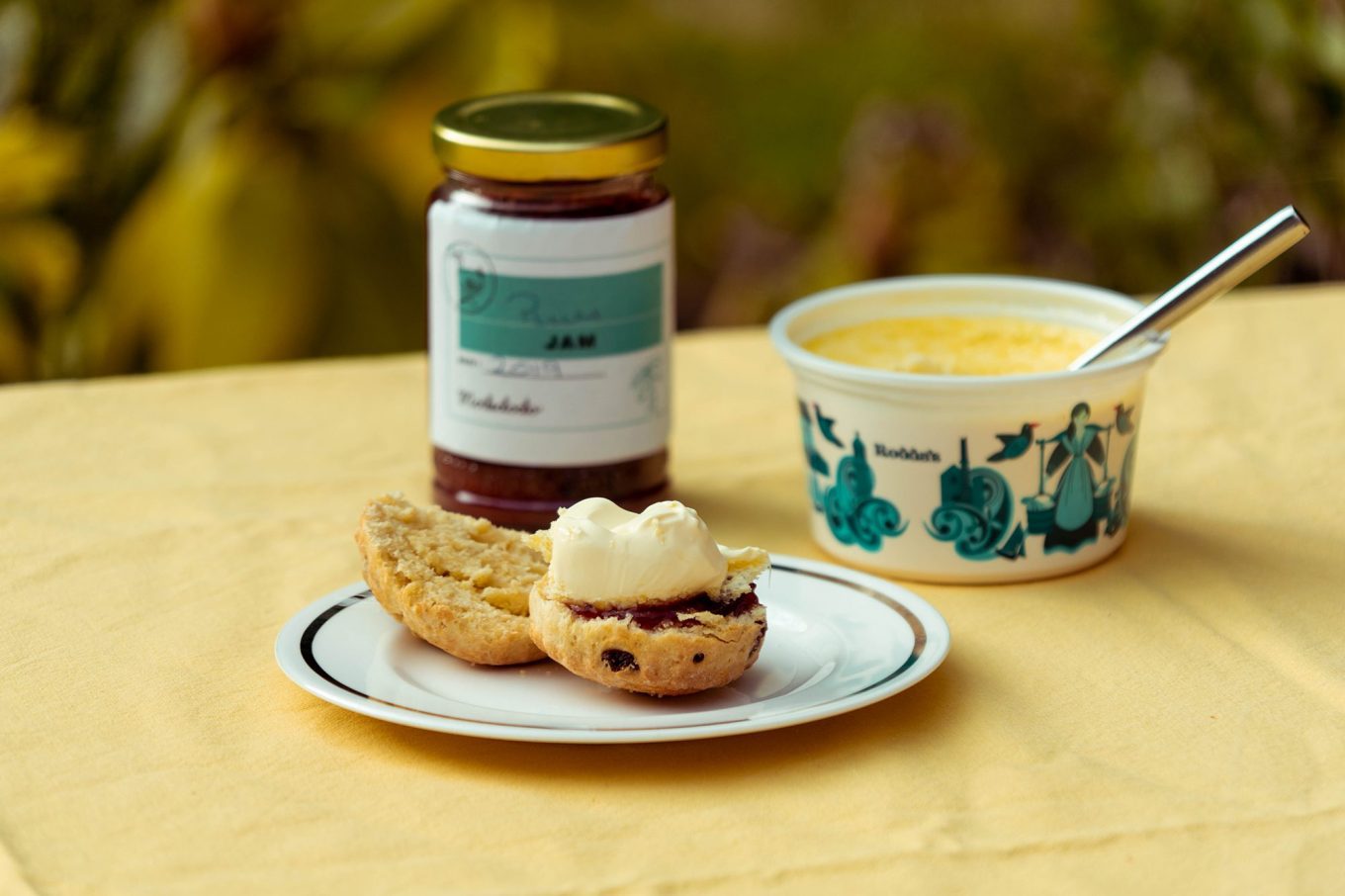
    • Fruit and plain scones served with jam and clotted cream


    • Tea (expect an extensive list)


    Almost everywhere will give you the option to pimp up your afternoon tea with prosecco or champagne, this is known as “Royal tea” and may concur an additional cost.

    There is a certain etiquette to afternoon tea so listen up kids:


    1. The dress code is “smart casual” unless stated otherwise. Use it as a chance to dress up


    2. Place the napkin on your lap


    3. Before pouring your tea, place the strainer over the tea cup so the tea leaves don’t enter your cup


    4. Hold down the lid of the tea pot as your pour


    5. Do not drop your sugar lumps in, place them


    6. Never bash your tea spoon on the side of the tea cup when stirring


    7. NEVER put your pinky in the air, that is not a thing


    8. Do not dunk anything into your tea (do this behind closed doors and only with a sturdy biscuit)


    9. Eat your sandwiches first, with your fingers not cutlery


    10. Never sandwich the two halves of a scone together with jam and cream in the middle


    11. Also it’s scone like “gone” not scone like “bone”


    12. You may use your dessert fork to eat your cakes


    13. Dab your napkin on your mouth, don’t wipe


    Afternoon tea should be served at 4pm but restaurants, cafés and tearooms will generally serve between 2pm – 5pm.

    You will be able to find afternoon and cream tea all across the UK but if you are looking for the crème de la crème for traditional afternoon tea in London your top choices are:

    You will need to book in advance for all of the above.

    If a full afternoon tea seems too much, you can just order a cream tea which is scones served with jam and cream and a pot of tea. It’s the best part of the afternoon tea anyway!

    Want to create your own cream tea or even afternoon/high tea at home? Take a look at my traditional English fruit scones recipe so you can make your very own from scratch!

    .

    Apart from the fried fish, there are gluten free, vegan and vegetarian alternatives to all of the meals above so everyone can have a least one of the above! As we ever so sophisticated Brits say, “dig in!”

    Aloha, Gabriella

    Pin this post


  • Classic English fruit scones recipe

    Classic English fruit scones recipe

    Tell me a more quintessentially British thing to do in the afternoon than indulge in a cream tea or afternoon tea? Of course, absolutely no afternoon tea is complete without good old fashioned fruit scones served with jam and clotted cream. So here I am to bring a little British culinary culture to your home with a very simple and easy recipe for baking fruit scones. 

    To learn more about proper afternoon tea etiquette, take a look at my blog post, Traditional British meals every traveller needs to try.

    Usually my recipe blog posts are inspired by my travels, but the recent glorious sunny days we’ve been having out in the Norfolk countryside has got me thinking about the Great British Summer and it inspired me to look a little closer to home this time.

    Remember everyone, it’s “scone” like “gone” not “scone” like “bone”.

    Scones can come in many shapes and tend to be made using family recipes that have been passed down. So I will be sharing the recipe my Mum uses.

    The recipe below makes approximately 10 scones. 

    Ingredients

    225g self raising flour (plus extra for rolling)

    1 level tsp baking powder

    40g softened butter

    25g caster sugar (and a couple of pinches for sprinkling over the scones)

    1 egg

    150ml milk (plus a dash extra for brushing the scones)

    55g currants

    Jam

    Clotted cream

    Equipment

    Measuring scales

    Sieve 

    Large mixing bowl

    Tsp measurement

    Wooden spoon

    Bowl

    Fork

    Rolling pin

    Round cutter (approx. 6cm wide)

    Pastry brush

    Baking tray

    Reusable tray liner (or greaseproof paper, but try to buy a reusable greaseproof liner)

    Wire rack

    Method

    1. Preheat the oven at 180˚C

    2. Measure out all of your ingredients

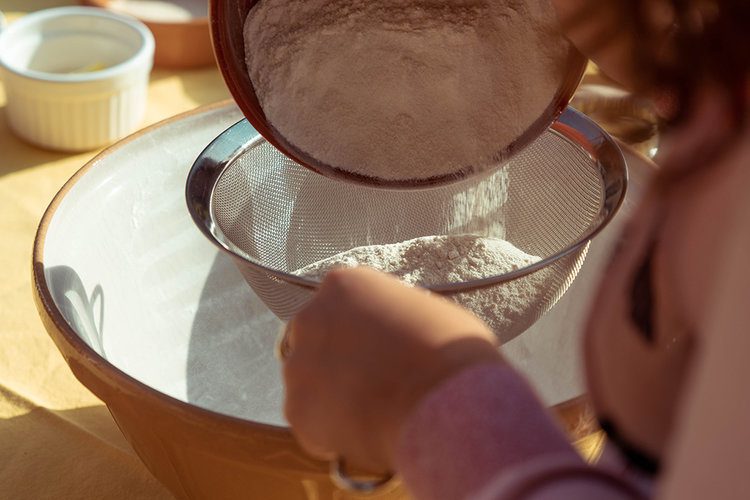
    3. Sieve the baking powder and flour into a large mixing bowl


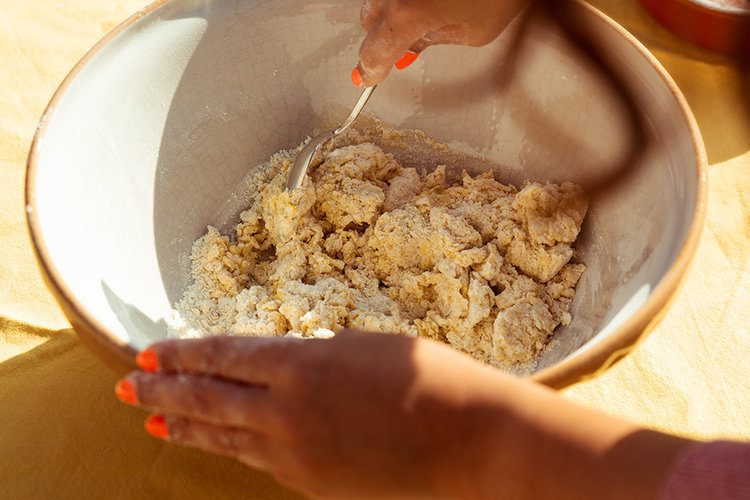
    4. Add the butter to the flour mixture and rub ever so lightly with your finger tips until the mixture resembles breadcrumbs

    5. Stir in the sugar

    6. Break the egg into a separate bowl and whisk with a fork whilst adding the milk

    7. Stir the egg mixture into the large mixing bowl to make a soft dough

    8. Stir in the currants

    9. Your dough should be in-between dry and sticking, if it is too wet and sticky sprinkle flour over it until it is soft rather than sticky

    10. Lightly flour a flat surface for rolling out the dough

    11. Once you have gathered the dough into one lump, remove it from the mixing bowl and place it on your floured surface


    12. Knead the dough very gently

    13. With flour dusted on your rolling pin, roll out the dough to a thickness of 2cm (3/4”)

    14. Using a 5cm (2”) round cutter, cut the dough into as many rounds as you can, placing each one on your lined baking tray

    15. Gather the remaining dough, roll it out to the same thickness and cut what’s left

    You should have approximately 10 scones, I managed to get 11 out of mine so it can vary

    With the scrap of dough left, roll it into a ball to bake – don’t waste anything!

    16. Using the pastry brush, brush the tops of each scone with milk and sprinkle with a very small amount of caster sugar, this will make the tops of the scones go golden brown

    17. Place the tray on the middle shelf of the preheated oven to bake for 10 minutes, if they are not golden brown quickly turn the tray around and bake for 2-3 more minutes, but no more than that

    18. Remove them from the oven and place the scones on a wire rack to cool down

    To serve


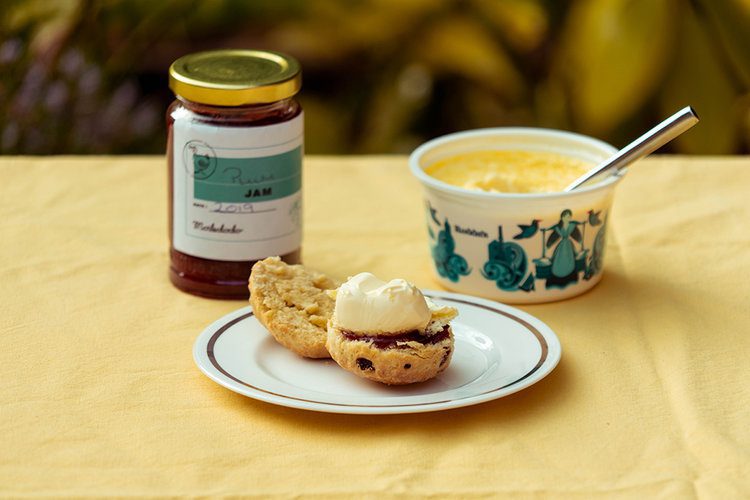
    • Cut in half


    • Spread jam on each half


    • Top with clotted cream


    There you have it, your perfect addition to your afternoon or cream tea. 

    Remember, proper afternoon tea etiquette is to keep those pinkies down and never bang your spoon on your tea cup!

    If you give these a try let me know how it goes. Tag me using @gabriellawisdom and the hashtag #postcardsfromhawaiiblog so I can share it on my Instagram.

    Enjoy!

    Aloha, Gabriella 

    Pin this post