Tag: Hike

  • 7 must-visit attractions in the Cotswolds, England

    7 must-visit attractions in the Cotswolds, England

    The Cotswolds is an iconic rural area in the English countryside. Located in the South of central England, it’s just a stone’s throw away from the Welsh border. It’s perfect for a staycation or if you’re travelling from abroad it’s an ideal escape to the British countryside; think The Holiday (2006) and those are the vibes you’re getting (it’s not set in the Cotswolds, but you get the idea).

    The Cotswolds cover 800 square miles, stretching across these five counties: Gloucestershire, Oxfordshire, Wiltshire, Warwickshire and Worcestershire. Despite covering five different counties that each have their own individual charm, the Cotswolds stands in unison with its easily identifiable golden Cotswolds stone walls and buildings, medieval villages and rolling hills for as far as the eye can see. 

    PFH Fun Fact: “Cot” means sheep enclosure and ‘wold’ means hill.

    With plenty to do it’s important to me that I stress that these aren’t the only things you can do in the Cotswolds but they were my favourites and really give you the full Cotswold experience, which is why I wanted to share them with you:

    1. See Arlington Row in Bibury

    Bibury is small, quaint and picturesque village in Gloucestershire and is just a short drive from “the capital of the Cotswolds”, Cirencester. From the evidence of its existence provided in the Doomsday Book, the village of Bibury dates back as far as 1086.

    British textile designer, William Morris, once described Bibury as “the most beautiful village in England” and as it’s home to one of the most photographed places in England, it’s hard to argue with that statement.

    Arlington Row is the most photographed row of cottages in England and when you see it in person you’ll realise why. It’s the quintessential image of honey coloured Cotswold stone cottages, nestled into the beautiful British countryside, surrounded by brightly coloured flowers and accessed by a little bridge over the gentle River Coln that’s full of kingfishers, ducks and royal swans. Catch it on a quiet, sunny morning and it feels like you’re in a scene from Stardust… well that’s actually because some scenes from Stardust (2007) were shot along Arlington Row. Actually the Cotswolds is home to many movie locations such as Bridget Jones’ Diary, Downton Abbey and Harry Potter. To find out more, check out this helpful article by Rabbie’s Travelfeels.

    Arlington Row was originally built as a wool store in 1380 for Arlington Mill. In the 17th century, it was converted into cottages for the weavers, who used to hang the washed wool out on racks that lead to the name of the nearby meadow, Rack Isle. In 1929 it was purchased and preserved  by the Royal Society of the Arts then in the 1970s it was purchased and preserved by the National Trust.
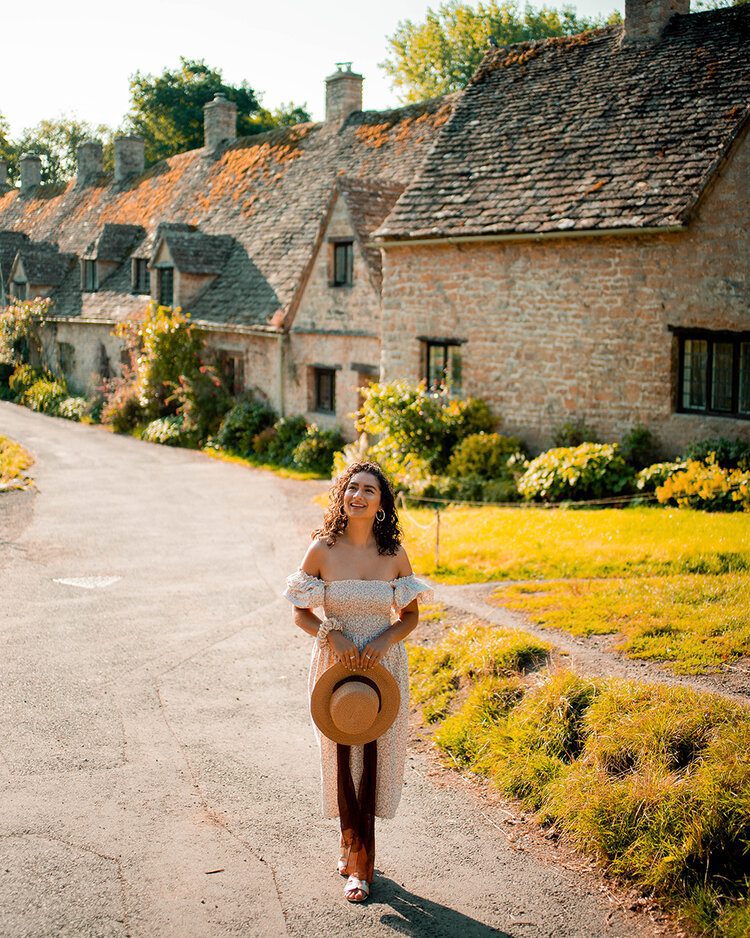
    All but one of the cottages are privately owned and occupied but you can actually stay at 9 Arlington Row for a minimum or 3 nights for about £500. You can book it here via the National Trust website, keep in mind you’ll need to book months out for this popular spot.

    PFH Fun Fact: Arlington Row featured on the inside cover of the 2010 issued British passports, making the village an even more popular destination to visit.

    Aside from being home to an Instagrammble hotspot, Bibury is also known for its unique and rare wildlife that mostly live in the protected meadow behind Arlington Row, Rack Isle. Take a long stroll around the village and make time for a treat in one of the local tearooms.

    As you can imagine, Bibury is a popular village to visit and it gets busy so if you want to see it at its best I suggest arriving early in the morning. 7.30am in summer is ideal as the sun is just creeping over the tops of the cottages creating a warm glow on the already golden stone and as everyone is asleep it’s quiet enough to only hear the birds singing. It’s ideal for taking in your surroundings and getting photos. You won’t need to rise so early in winter but still go as early as you can to avoid crowds. If you do arrive early, please be quiet and respectful of the people who actually live in these cottages.

    2. Visit Bourton-on-the-Water

    Bourton-on-the-Water, dubbed “the Venice of the Cotswolds”, is one of the prettiest villages in the Cotswolds by far! The village is located in Gloucestershire and straddles the River Windrush and each side is accessible via a series of low bridges, which make for a great photo spot by the way.

    There’s plenty to do in Bourton-on-the-Water besides taking cute photos and even though I don’t plan on having any yet, it’s a great spot for kids with wildlife parks, the Motoring Museum which is home to Brum (if you know, you know) and the Model Village to keep them entertained. 

    Start by arriving early to avoid the crowds, take a stroll along the river, taking cute photos whilst no one else is around getting in the background. This will also ensure you nab a parking spot before the village fills up. Next, grab breakfast in Bakery On The Water, a small family run artisan bakery, and if the weather is good choose to sit outside where you can sit next to the river as it runs down into the village. Walk off your breakfast by visiting the Motoring Museum next door which is home to over 40 cars including little Brum. 

    For those of you who didn’t grow up watching Brum on the tele in the 90s, he was a little, yellow, half-scale replica of a late-1920s Austin 7 Chummy convertible car with giant eyeballs, who would regularly drive off to “Big Town” when his owner wasn’t looking. Each episode would see him coming to someone’s rescue or learning something new and would end with him coming home with some souvenir of the day which, for some reason, NEVER seemed to baffle his owner when he found it at the end of the day. It’s a classic!

    Once you’re done at the Motoring Museum, stroll over to the Model Village, a miniature replica of the very same village you’re in. Built in the 1930s, it’s the only Grade II listed model village in the country. At £4.50 per adult and £3.50 per child (children under 3yrs old go free) it’s entertaining for all ages, especially when you realise there’s a model village in the model village, in the model village in the model village – that honestly gets me every time! 

    Once you’ve finished up in the model village, spend some time pottering around the shops and maybe take a break for a cream tea (a pot of tea served with a scone topped with jam and clotted cream) before leaving.

    3. Go for a long hike

    Provided you are able to do so, hiking or going for a long stroll out in the countryside of the Cotswolds is an absolute must. With plenty of paths, routes and bridleways it’s hard to choose which to tackle, but the number one trail is Cotswold Way. This 102 mile long National Trail is the most famous walk in the Cotswolds as it goes all the way from one end of the Cotswolds to the other: from Bath, Somerset to Chipping Campden, Gloucestershire. There’s plenty of opportunities along the trail to do sections of it rather than the full 102 miles, thank goodness. We chose to do the Leckhampton Hill Loop which is a moderate hike with some steep sections that starts and ends in Seven Springs. It’s 4.5 miles (7.25km) and will take around 3hrs to complete. The Leckhampton Hill Loop covers some of the best sections of The Cotswold Way including vast luscious grasslands home to roaming cows, Iron Age remains and an incredible hilltop view over Cheltenham. Park up early in the lay-by opposite the Seven Springs pub.

    Another really beautiful spot to hike that is close to the Cotswolds but not in it, is the Wye Valley Area of Outstanding Natural Beauty, there’s a pay and display car park at Symonds Yat Rock where you can start many trails. Make sure you make a stop at the view point from Symonds Yat Rock for breathtaking views of the valley which includes a horseshoe bend in the River Wye and the chance to spot a Peregrine Falcon, the world’s fastest bird, soar.

    Be sure to bring water, wear suitable footwear and if you walk in the summer make sure you wear suncream.

    4. Take a deep breath at Cotswold Lavender

    If you’re a frequenting reader of Postcards from Hawaii, you probably know that I am obsessed with lavender, so one of the first things I needed upon arriving in the Cotswolds in July 2020 was to visit Cotswold Lavender.

    Cotswold Lavender is a third-generation family run Lavender farm and distillery, located in Snowshill, Worcestershire that overlooks the Vale of Evesham. Unlike many other Lavender farms across England, their visiting months are limited to just June and July so aim for these summer months if you’re planning to visit. The middle of July is when the lavender is most in bloom.

    The field opens at 10am and costs £4 per adult and £2 per child aged 5-16 years, children under 5 get free entry.

    With over 40 varieties of lavender across 140 miles (225km) of rows there’s plenty of opportunities to take a moment to deeply breathe in the intoxicating and calming scent of the lavender plus you can get all the photos you need from various angles thanks to the plants being split up into various patches.

    The best angle is with the lavender farmhouse in the background (it’s on the right as you enter the lavender fields). As always, arrive early for the best shots.

    There’s plenty of picnic benches amongst the lavender if you want to bring your own lunch.

    Be sure to pick up some of their lavender products before leaving, they’re amongst my favourite lavender products I’ve ever purchased. Their lavender hand sanitising gel is ideal for keeping you clean and calm in a pandemic and their sleep spray is heavenly! 

    For further reading on lavender on PFH, check out 10 lavender products for more relaxing travels and How to sleep on long flights.

    5. Go wine tasting on a vineyard tour

    Catch them on a glorious spring/summer’s day and the vineyards within the Cotswolds look and feel like rural France.

    Our vineyard of choice is one of the oldest in England: Three Choirs in Gloucestershire. A tour and tasting at Three Choirs Vineyard costs just £12.50 per person and includes a 30-45mins guided walking tour of the factory which gives you a brief history of the vineyard and their wine production plus you get a tasting of four of their wines which includes their sparkling, red and white wines. Bookings must be made in advance by contacting them here.

    Be sure to book a table at their brasserie where you can dine on a carefully selected menu to compliment their wines whilst looking out over their some 45,000 French and German grape vines set upon 75 acres of hills. 

    After your meal, take a lazy stroll on the vineyard walk which is mapped out with plenty of signage explaining the history of Three Choirs’ wine production. 

    There’s also a shop for you to purchase your favourites from your tasting and meal and with their own onsite accommodation, there’s also the option to wake up to the beautiful view of the vines.

    6. Enjoy a lazy pub lunch 

    Though it’s not what we’ve been used to, I honestly much prefer the way pubs are set up now due to the worldwide C-19 pandemic. Everything is table service which means you don’t have to queue at a crowded bar, the tables and toilets are regularly cleaned which means no more sticky surfaces and seating is far more spread out so you can rest assured that everyone in the village won’t know your business because no one can hear you chatter at your table now!

    Pretty much every village in the Cotswolds has a pub so you won’t have to look far to find a dreamy location for your lazy lunch. Treat yourself after a long morning walk/hike – like the ones I mentioned earlier – to a pint and lunch or better yet, end your week with a Sunday lunch carvery. 

    The pub we chose to eat at was The Royal George in Birdlip, a tiny but picturesque village in Gloucestershire.

    You could also grab a pint in the oldest pub in Britain, The Porch House in Stow-on-the-Wold with parts of its building known to date back to the year 947!

    7. Experience ancient Rome in Bath

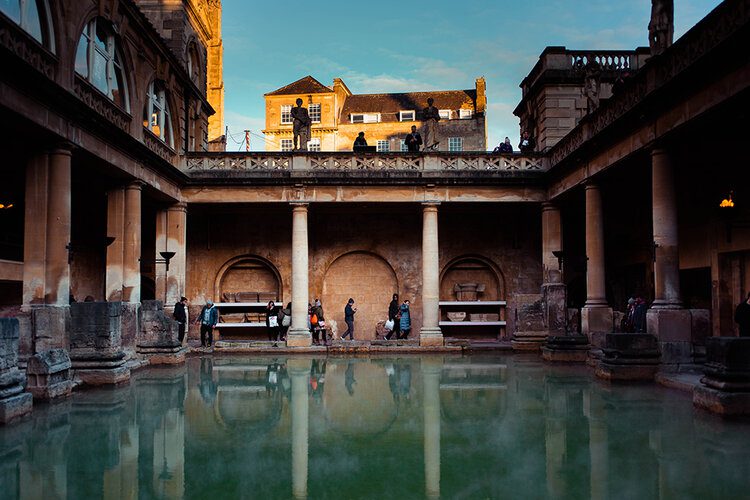
    Bath, Somerset is located at the very base of the Cotswolds. Its history spans thousands of years as it was an ancient Roman settlement over 2000 years ago. I highly recommend spending some time exploring Bath and learning about its rich history making sure to visit the Roman Baths, stroll the cobbled street and eat at Sally Lunn’s. To read more about what to do in Bath, take a look at Long weekend in Bath, England itinerary.

    If you do visit any of these places during the pandemic, please make sure you bring a reusable face mask and keep your face covered whenever you’re inside or in close proximity to other people outside of your allowed bubble. Please regularly wash your hands or use sanitiser and put in the effort to socially distance yourself from others.

    As I have recommended with many of the things to do in this list, arrive early to avoid crowds and not only will you have a better chance of taking great photos but you will also reduce the amount of people you are around.

    Gabriella

    Pin this post


  • 5 best shoes to travel the world in

    5 best shoes to travel the world in

    After years of travelling with a ridiculous amount of shoes – and I’m not even a shoe person, I prefer handbags – I have come to terms with the fact that there are really only five types of shoes that you need for travelling anywhere in the world. Anything beyond these five types of shoes comes down to your personal style and which pair goes with what outfit, but as long as you have these gender-neutral five to hand when you’re packing for your trip, you can’t go wrong.

    1. Trainers/sneakers

    We are finally comfortably living in a time where it’s socially acceptable to go almost anywhere in a pair of trainers/sneakers. They’re versatile, comfortable, fashionable and practical. Great for long days on your feet exploring and for working out in hotel gyms or going for a run.

    I am particularly fond of Reebok Nike. If you want a pair that you can wear during the day and to the gym, I suggest going for a pair made by a sports brand.

    2. Hiking boots 

    As well as being completely appropriate for hikes, hiking boots are comfortable for long days on your feet and are water proof so ideal if the weather isn’t peachy where you’re heading. It’s important to hike with supportive shoes to prevent injury and misery. A few years ago we went on an organised trek through the Malaysian jungle just outside of Kuala Lumpur. It was a steep trail over rocks and through streams, and the other couple with us were wearing trainers (sneakers) and struggled with their little tread underfoot. I strongly suggest breaking in a pair of hiking boots if you plan on hiking on your trips.

    I have a pair of hiking shoes from Hi-Tec and boots from Dune and I recommend both as they are waterproof with a great tread.

    3. Flip flops

    If you’re going anywhere remotely warm, you cannot go wrong with a pair of basic bish flip flops. These will take you to the pool, the beach, communal showers or for a potter around but I don’t recommend wearing them all day because they don’t offer any support.

    Lorem ipsum dolor sit amet, consectetur adipiscing elit. Ut elit tellus, luctus nec ullamcorper mattis, pulvinar dapibus leo.

    You can be as expressive as you want with your flips flops, the more colourful the better! What’s great about these is that you don’t have to splash cash at these, whether they’re from Primark/Target or Prada, they do the same thing, plus you can wash them on the go!

    My go-to flip flops are Havaianas.

    4. Sandals

    Going somewhere hot and need something a little smarter than flip flops? Sandals have got your back. Go for something classic and neutral so you can take them from the beach to the bar. I am not a big fan of heels so I prefer to go out to dinner in a pair of sandals that can be dressed up or down.

    My favourite sandals are Loupe in tan from Dune. They look like a pair from Hermès but with an affordable price tag.

    5. Ankle boots

    If you’re going somewhere cooler where flip flops and sandals will leave you with blue feet but trainers aren’t appropriate, a pair of ankle boots will do the trick. A simple pair of ankle boots will dress up an outfit for the evening and will help keep the cold out during the day. 

    Dune has the most amazing selection of ankle boots.

    Depending on the climate of your destination and what you plan to do there, the chances are you won’t need all of the above, and if you do, kudos on the amazing trip, but here are the five pairs that you can refer to that will get you all over the world.

    Aloha, Gabriella

    Pin this post


  • 9 points of interest on a road trip in Scotland

    9 points of interest on a road trip in Scotland

    Scotland is beautiful. So beautiful in fact that it made me sad knowing that I was born and raised in England and never took the time to drive up there. With endless snowcapped mountains, more sheep than you can shake a stick at and medieval architecture with the richest of histories, I would recommend a trip to Scotland for anyone who loves starting the day with a hike in the mountains and ending it with a G&T made from a local gin in a quaint village pub.

    In December 2019 we drove from home (Norfolk, England) all the way up to Scotland and back, making overnight stops at Edinburgh, Isle of Skye and Glasgow. Here are nine of the best things that we did both in these destinations and on the journeys in-between:

    1. Edinburgh Castle

    Where?

    Edinburgh

    After pulling over to take selfies at the England/Scotland border, our first stop was Edinburgh, more specifically, Edinburgh Castle.

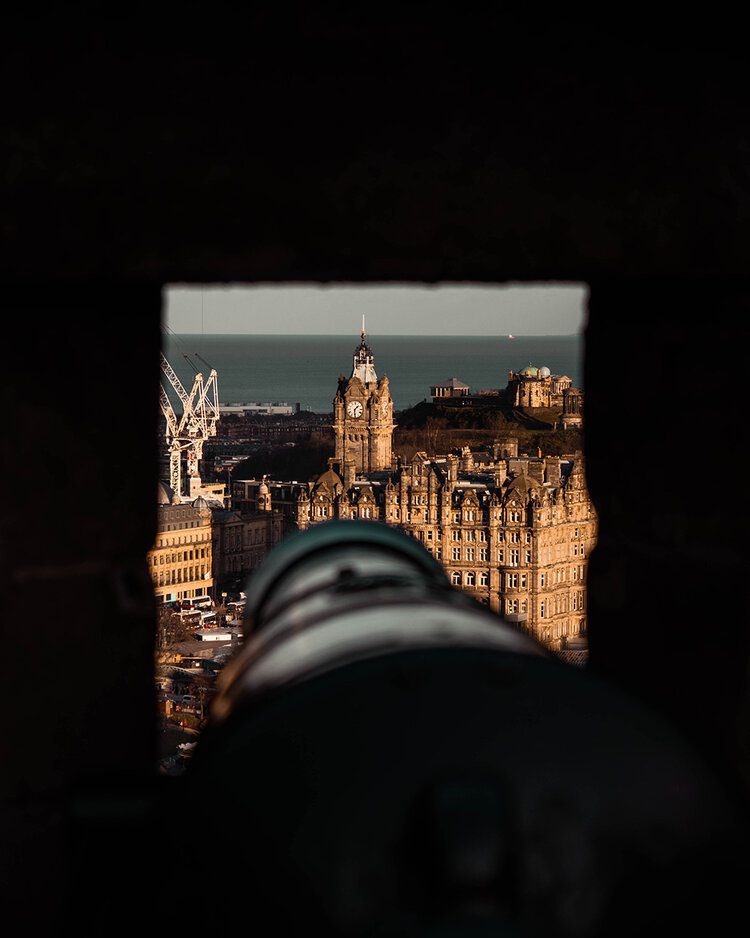
    Proudly looking out over the city from the top of the hill that Edinburgh is built upon is Edinburgh Castle. It’s centuries old and has been the centre piece to centuries of battles between the English and Scottish monarchies, all of which you can learn about within the castle’s walls.

    The views of the city from the castle are amazing but the pièce de résistance is visiting the crown jewels which includes the story of how they were made, hidden, lost and then found.

    PFH Top Tip: Try to be around the castle at 1pm when a gun is fired precisely at one o’ clock. The tradition comes from alerting the ships in the nearby waters to set their maritime clocks. The sound of the gun firing echos across the city and can be heard every day except for Sundays, Good Friday and Christmas Day.

    Cost

    £17.50 for adults

    £10.50 for children aged 5-15 years old

    Children under 5 years old go free

    £14 for seniors aged 60+ 

    Opening times

    1st April – 30th September 9.30 – 6pm (last entry at 5pm)

    1st October – 31st March 9.30am – 5pm (last entry at 4pm)

    2. Whisky tasting or a distillery tour

    Where?

    Edinburgh (and just about everywhere in Scotland)

    Whilst in Edinburgh we went to The Scotch Whisky Experience to learn about the production of whisky. There are many options for tours at The Scotch Whisky Experience from the basic introduction covered on the Silver tour right the way through to masterclasses. As we are not fans of whisky but wanted to learn we chose the Silver tour which includes the following:


    • An automated whisky barrel ride that tells you the process of the production of Scotch Whisky.


    • An introductory video that teaches you the various aromas of Scotch whisky related to its region.


    • A lesson in how to taste whisky which includes a dram of Scotch Whisky (or Irn-Bru for children under 18).


    • A viewing of the world’s largest collection of Scotch Whisky.


    • A complimentary crystal whisky tasting glass (adults only).


    Of course you don’t just have to go here, there are many liquor shops in Edinburgh that will teach you about Scotch Whisky, we chose here because we didn’t want to pay for an experience where we had to try more than one whisky!

    The other option you have in Scotland that’s centred around alcohol is to visit one of the countless distilleries both whisky and gin. Scotland gin and whisky is world famous and you won’t find it hard to find a distillery wherever you are in the country. Even when we were on the Isle of Skye and all I could see for miles was mountains and sheep there were still two distilleries there! We weren’t successful with visiting one because the ones we tried to go to were closed on the weekend so my advice is to check in advance. My alternative advice is to sit in a pub and (responsibly) work your way through their selection of local gins!

    Cost

    The costs for the Silver tour as follows:

    £17 for adults

    £8 for children

    £15 for seniors aged 60+

    Opening times

    January – March 10am – 5pm

    April 10am – 6pm

    May – June 10am – 8pm

    July 10am – 8.20pm

    August Monday – Friday 10am – 5pm

    August Saturday & Sunday 1-am – 5.40pm

    September – December 10am – 5pm

    Tours runs approximately every 20mins from opening.

    3. Cairngorms Reindeer Centre

    Where?

    Cairngorms National Park

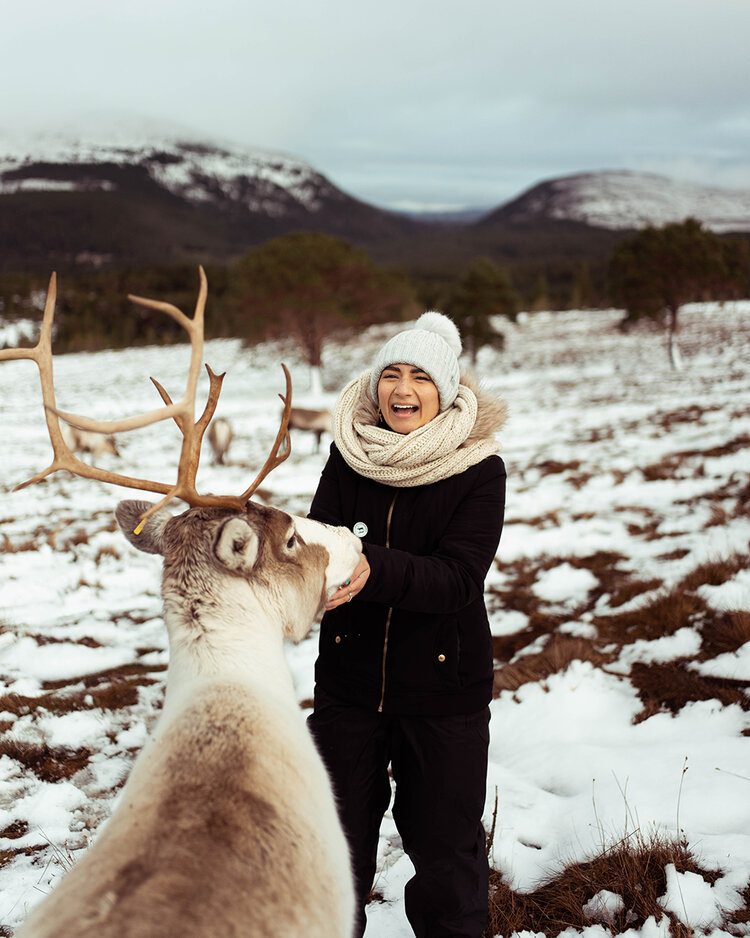
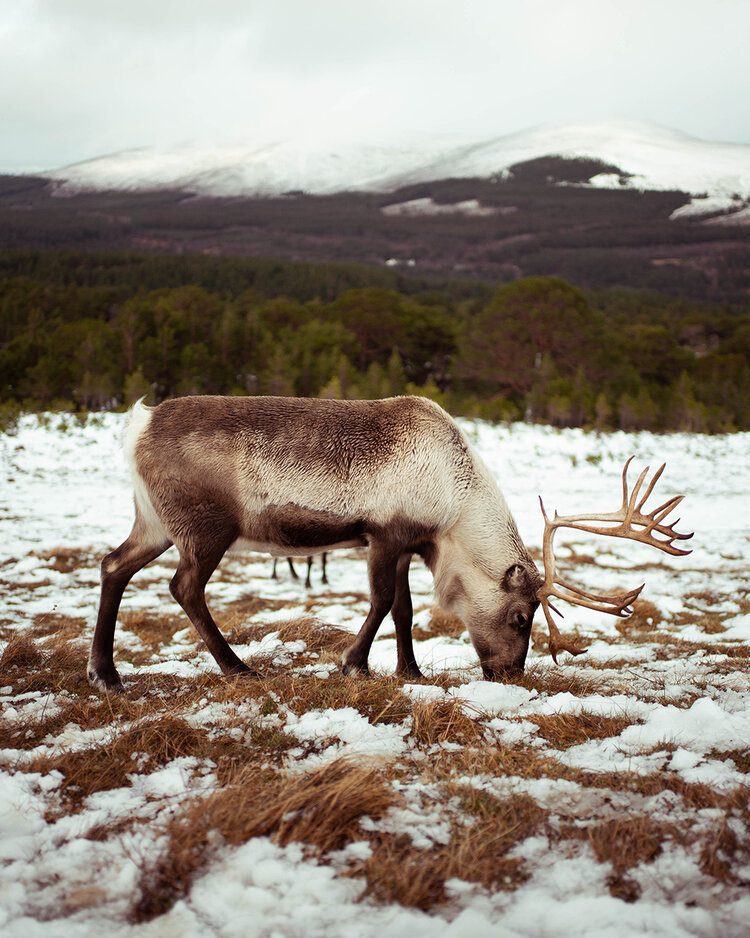
    Meet Britain’s only free-ranging herd of reindeer in their natural environment at the Cairngorm Reindeer Centre.

    Depending on the time of year there are two different experiences available: the hill trip and the paddock visit.

    Hill trip

    If you are physically able to make the trip up the hill to where the reindeer roam free then I strongly suggest you rise early to get tickets for this tour (see more under opening times below). Upon receiving your ticket you will be given directions and a parking pass for the Sugarbowl car park just a few minutes up the road. Here you will park and wait for the rangers to gather everyone at 11am. From there they will guide you across the road and down a steep path to a bridge crossing a river, where you will then make a short but steep incline up the hill to where the free-ranging reindeer are.

    The rangers will give you a brief introduction to the reindeer herd and will then give you a handful of food to hand feed them. Don’t worry about having to find a reindeer, they know you have food and will come to you. It is best advised that you take your gloves off to feed them so you can feel their velvety soft noses, trust me they’re incredibly soft!

    The tour lasts around 1.5 – 2 hours but you have the option of staying a little longer if you want to hang out with the reindeer for longer. To be honest though it’s very cold up there and once the reindeer work out you don’t have any more food, they aren’t interested in cuddles anymore.

    Reindeer etiquette 


    • All children must stand with an adult.


    • Do not bend down near a reindeer, they will perceive it as a signal that you want to fight them and you’ll be smacked with their antlers. I ducked in a photo so you could see the reindeer behind me without thinking and one came up to headbutt me in the leg with her antlers.


    • Do not chase them.


    • Don’t touch their faces, it irritates them which can again result in an antler-driven headbutt.


    • Don’t approach them from behind, it can startle them and they may run away or again, headbutt you.


    Paddock visit

    From Easter to the New Year it is possible to visit some reindeer in the paddock at the centre.

    This option is best for people with mobility difficulties and young children who are unable to make the steep walk up the hill.

    Whilst at the paddock rangers will teach you about the reindeer and will even be able to identify each one.

    Although you are able to touch the reindeer you won’t be able to hand feed them, this is so they maintain a healthy weight.

    PFH Fun Fact: Each season of calves are named with a theme. Previous themes were cheese (yes there’s Parmesan the reindeer), European cities and to commemorate the 2012 London Olympics the 2012 theme was…2012.

    What to wear

    Second to Ben Nevis, Cairngorms National Park is the highest mountain range in all of the United Kingdom and is a sub-arctic environment. Reindeer don’t feel the cold until the temperature drops below -30 degrees Celsius but you’re not reindeer so here’s how I recommend you keep warm:


    • A warm coat, preferably one that is waterproof as Scotland is notorious for rainfall, and if you go in winter the chances of snowfall are high.


    • A snood. A scarf may unwrap in the wind and you don’t want it to brush against the reindeers’ faces and startle them so I suggest a snood. Plus it will defend your face from the harsh windchill which can be in the minus.


    • Waterproof over trousers.


    • A wooly hat to keep heat from escaping through the top of your head and to protect your ears from the wind.


    • Thermal base layers, both tops and long-johns. For females I recommend a pair of thermal tights so you can have an added layer on your feet.


    • As many thick socks as you can fit into your boots. (I had 3 pairs of snow socks and my toes were still numb).


    • Layers. Layer up as much as you can under your coat.


    • Hiking boots or wellies (you can rent a pair of wellies for £1 from the centre if you don’t have hiking boots or wellies. They won’t let you go up with anything else on your feet).


    Between June – October it is advised that you wear insect repellent. 

    Cost

    Hill trip

    £16 for adults

    £10 for children 

    Children under 3 years old go free

    Paddock visit

    £3.50 for adults

    £2.50 for children

    Children under 3 years old go free

    Closed on Christmas Day, 1st January and from 6th January – 8th February 2020.

    Opening times

    The centre opens at 10am.

    Tickets are first come first served, I strongly advise arriving at least before 9.30am (9am on weekends) to make sure you get tickets.

    Tours depart at 11am and 2.30pm with an additional trip at 3.30pm in July and August during weekdays.

    Still arrive before 9.30am to buy your tickets for the afternoon tours as they will be sold to the people in the queue who don’t get on the 11am tour.

    Winter trips may have adverse weather and therefore the centre may decline children to keep them safe. The centre telephone line is open from 9am so call ahead if you have concerns about the weather. The first time we tried to go the snow was so bad that we couldn’t even get to the centre.

    The paddock is open from 10am – 5pm Easter – New Year.

    4. Loch Ness

    Where?

    Inverness

    It might not be the most beautiful loch in Scotland but it’s without a doubt the most famous one! If you don’t already know why, it’s because legend has it a monster known as the Loch Ness monster, or Nessie for short, lives in the depths of the loch. Its neck long and not unlike a Brachiosaurus with its body formed of many humps that protrude from the water. The first sighting was in 1933 with various pieces of “evidence” coming to light over the years when photoshop didn’t exist so it was hard to disprove.

    Despite Loch Ness being 56.4 km², a road trip around Scotland would be incomplete without an attempt to spot infamous Nessie from one of the many parking bays surrounding the loch.

    Cost

    There is no entrance fee to visit Loch Ness.

    5. Glenfinnan Viaduct (Featured in Harry Potter)

    Where?

    Glenfinnan

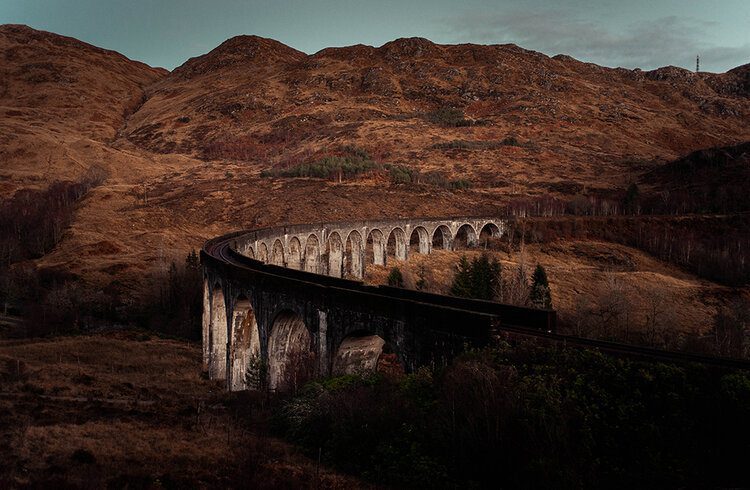
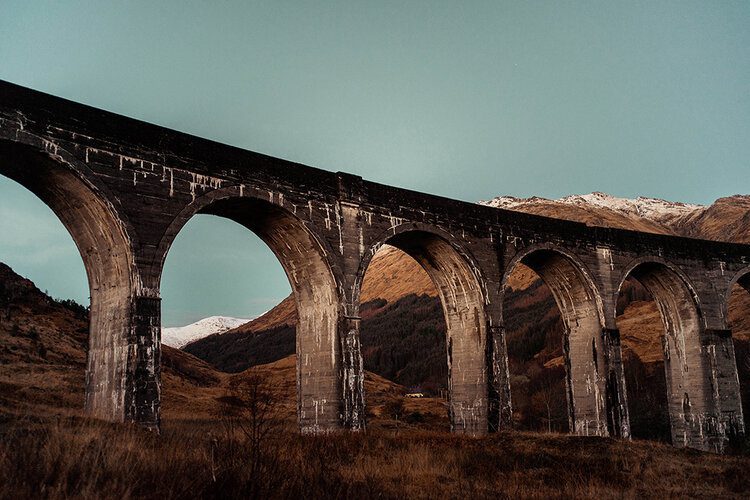
    This 30m high structure built in the 1897 is most famously known for being the railway bridge that the Hogwarts Express travels across in the first Harry Potter film of the series, The Philosopher’s Stone, it’s also worth a visit simply because it’s magnificent. 

    For the best view point on foot, turn right out of the car park and start walking along the road until you reach a private car park which is gated off. Walk past the gate and continue up the path until you find another small path heading up hill on your left, just before you reach the viaduct. You’ll then cross under the viaduct and start curving back on yourself as you walk along the path up the hillside. When the path widens you will be able to look out upon the viaduct.

    PFH Top Tip: For the best photo op, aim to be there around 10.55am or 3pm where you will see the Jacobite steam train cross the bridge aka, the Hogwarts Express.

    Cost

    Though you don’t have to pay to visit the viaduct, there is a £4 charge for parking. Though we arrived at 4pm (in December) when the sun was going down and the kind gentleman allowed us to park for free because we wouldn’t be there long due to the fading light. If you just want to hop out to see the viaduct and/or have a really good camera to shoot in low light, you could try your luck doing this.

    Opening times

    The visitor centre is open 9.30am – 4pm.

    6. The Old Man of Storr

    Where?

    Isle of Skye

    The Old Man of Storr is a peculiar rock formation up in the rocky hills on the Isle of Skye. The pinnacle was created by a massive ancient landslide and on a good day it can be seen for miles, but on a bad day, you’ll be lucky to catch it between breaks in the mist.

    We, of course, hiked up on a very grey and miserable day but we did manage to catch a glimpse as the mist cleared for a few fleeting moments. I would say don’t give up hope if the weather is bad, just pray for wind.

    There are various hiking routes surrounding the Old Man of Storr. As the weather was dreadful and the light was fading we chose to hike up to where it levelled out and we could appreciate the view of both the pinnacle and the vast stretch of water behind. There and back with a break for a cuppa and a few photos took us approximately 2hrs.

    The terrain is steep, rocky and wet so I strongly advise hiking boots. Michael foolishly forgot to pack his and found it to be a slippery slope in his running shoes.

    Cost

    There is one car park that is free whilst the roadside parking is paid parking. I suggest you arrive as early as you can to park in the free car park, which is close to the entrance gate up the mountain (next to the construction site).

    In winter you shouldn’t have a problem parking.

    As we went in winter when it was quiet we used the free car park and therefore I don’t know the cost of parking along the road.

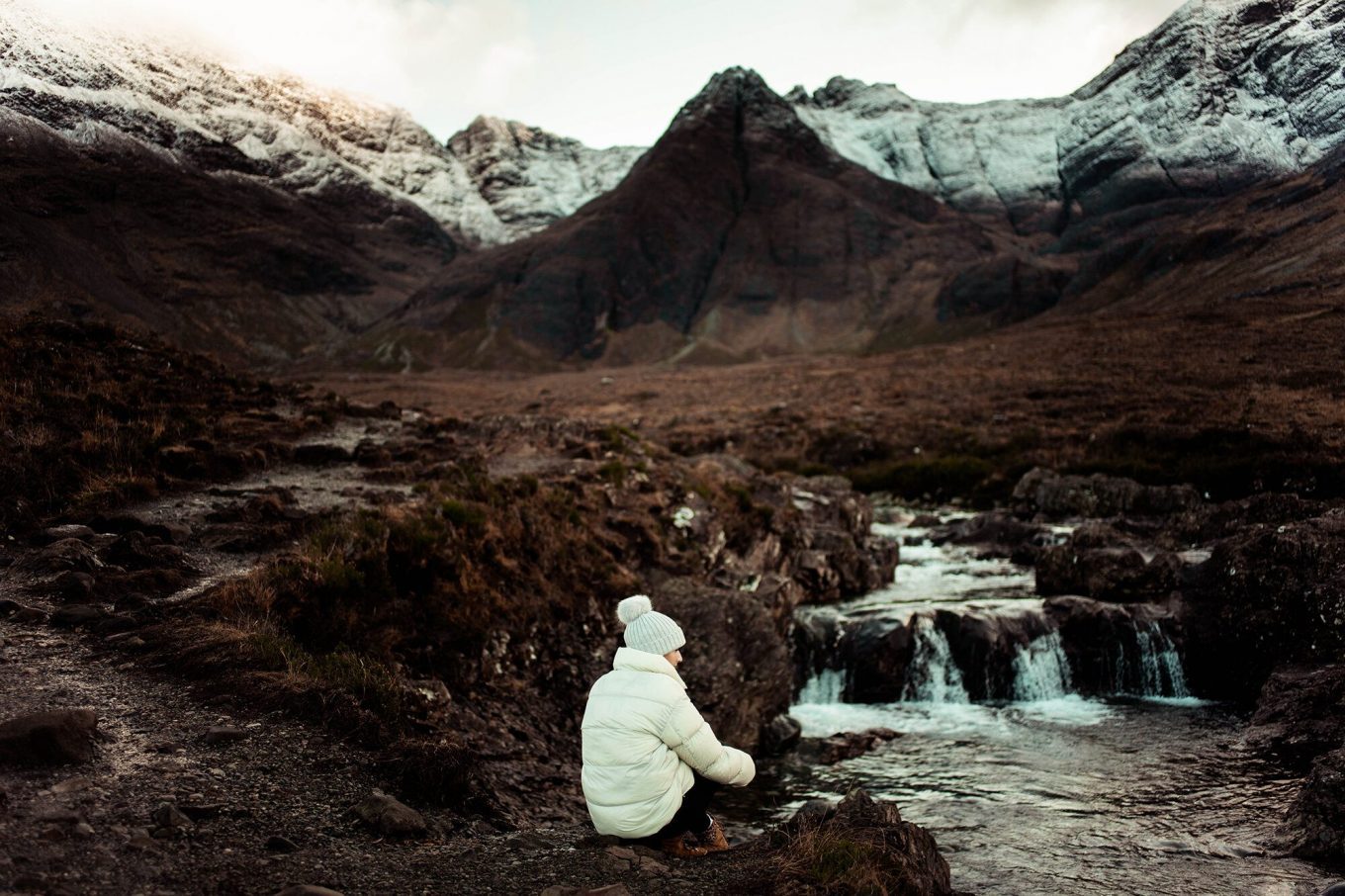
    7. Fairy Pools

    Where?

    Isle of Skye

    The walk from the car park to the pools isn’t strenuous like the walk up to the Man of Storr is, it’s paved for most of the way and only has a shallow incline. You do however have to cross many rushing streams both over stepping stones and giving into getting your shoes wet when the rainfall has been heavy and the rocks are submerged. For this reason I strongly recommend wellies or hiking boots.

    Though many online guides will tell you the walk there and back is only 40mins, disregard this because it doesn’t include stopping to take in the view nor does it included walking to the furthest pools.

    There are many pools to see but the further you go the more pure the blue water becomes in colour. Once you see it for yourself it’s not hard to imagine little fairies hanging around.

    The path to the pools is the same you take back.

    Cost

    There is no entrance fee to the Fairy Pools but there is a parking cost of £5 per car. This is cash only so come prepared.

    8. Gallery of Modern Art, Glasgow

    Where?

    Glasgow

    There are four galleries within the GoMA, all of which are free to enter and rotate throughout the year so check ahead to see what is on here.

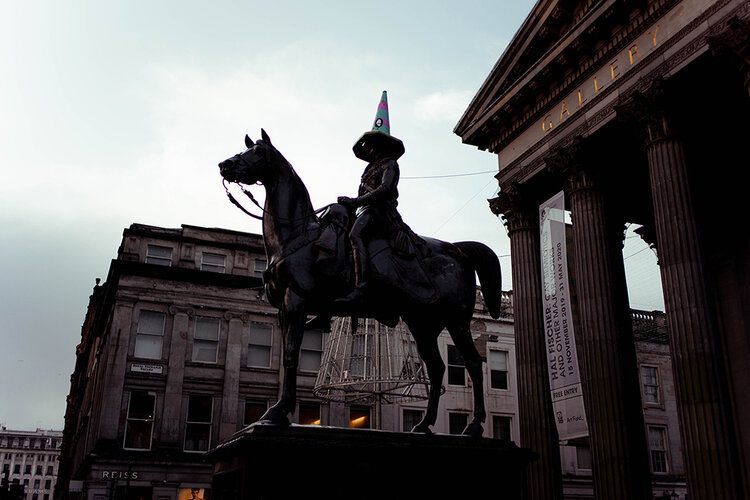
    The best feature of the museum and no doubt the part that draws people to it from all over the world is the equestrian statue of the 1st Duke of Wellington that stands out front with a traffic cone upon his head. The traffic cone hat is a tradition that started way back in the 80s and was accepted as a way of expressing Glaswegians’ humorous side.

    Cost

    Entrance is free

    Opening times

    Monday – Wednesday 10am – 5pm

    Thursday 10am – 8pm

    Friday 11am – 5pm

    Saturday 10am – 5pm

    Sunday 11am – 5pm

    9. Glasgow Cathedral

    Where?

    Glasgow

    Read any guide of places to visit in Glasgow and the cathedral will be top of the list. For over 800 years Christians have worshiped God from within the medieval walls of this vast cathedral. Having been dedicated in 1136, it is the oldest cathedral on mainland Scotland and is the oldest building in all of Glasgow. 

    Cost

    Entrance is free.

    Opening times

    Monday – Saturday 10am – 3.30pm

    Sunday 1pm – 3.30pm

    Our road trip around Scotland was just a week long and we were able to comfortably visit all of these places even with only 6.5 hours of daylight (as we visited in December). I chose these places to highlight because you truly get a feel for Scotland’s passions from their medieval history to the vast and beautiful landscape.

    If you have any questions about my trip, feel free to contact me here.

    Aloha, Gabriella

    Pin this post


  • How to hike to the Hollywood sign

    How to hike to the Hollywood sign

    In 1923 Harry Chandler, a real estate developer, erected a sign reading “Hollywoodland” to advertise his new housing development. It went bust during the Great Depression so the sign was neglected and it began to fall apart. In 1944 it became city property but by the time the Hollywood Chamber of Commerce took it on, the “H” had fallen over. They propped it back up again and removed the “LAND” but of course priorities changed during WWII and the sign deteriorated once more, but this time much worse, getting to the point where large sections of the letters were missing and the third “O” had toppled over.

    In 1978 the Hollywood Chamber of Commerce decided to rebuild the sign completely, and thanks to a fundraiser organised by the late Hugh Hefner, some of the biggest names in Hollywood collectively put up a quarter of a million dollars to get this done. Since then the sign frequently receives touch ups, as every big Hollywood stars does, including a facelift in 2013 in prep for it’s 90th birthday. 

    This universal icon holds such precedence that it’s considered a high risk area for a possible terror attack and therefore has 24/7 surveillance which includes cameras, choppers flying over constantly and loud speakers. If you want to take a look for yourself head here for a live video feed of the sign.

    Heads up guys, unlike in many popular films including one of my favourites Friends with Benefits, it is NOT possible to climb up the letters. Thanks to the surveillance I just mentioned, you will be spotted straight away and you will face being arrested and fined for trespassing.

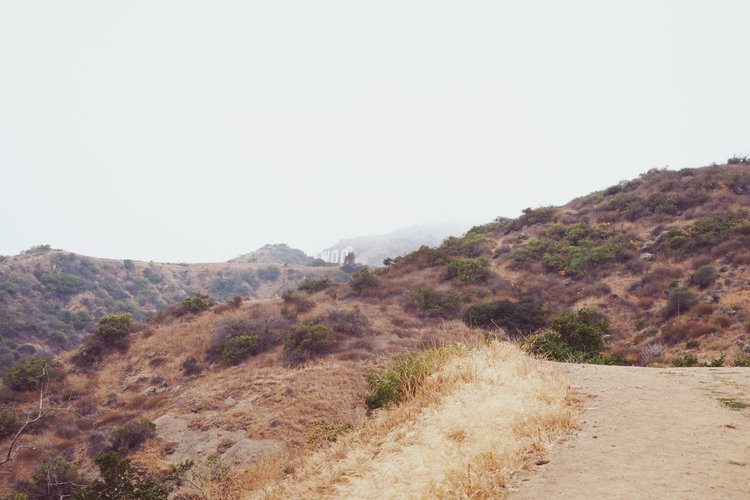
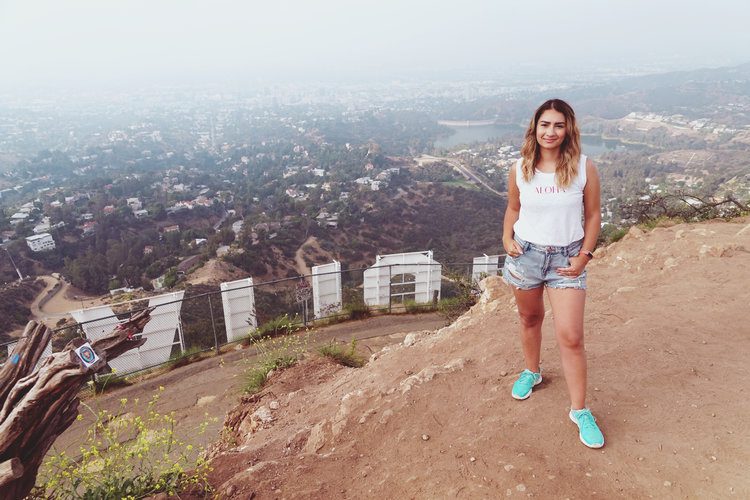
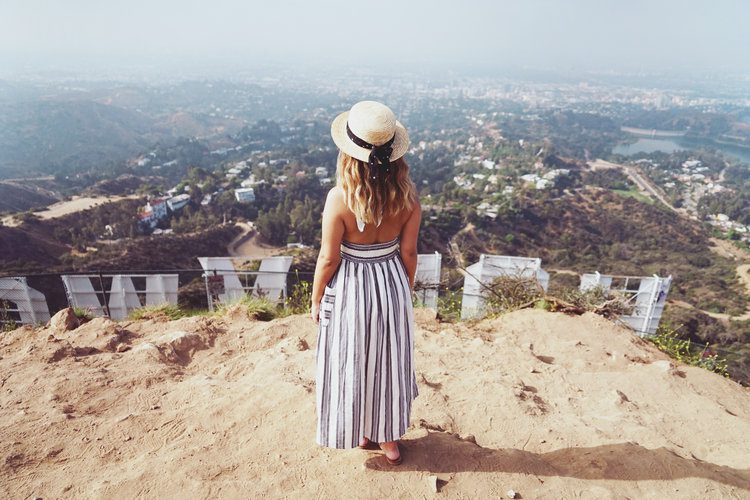
    The absolute closest you can get to it (unless you’re making a movie or part of the maintenance crew) is hiking up to the top of Mount Lee. This will take you up and around the back of it, so technically you’ll be looking down on “DOOWYLLOH”. 

    Now that you know a little bit of the backstory to one of the world’s most famous signs, I’ll tell you how to get up there.

    Where to start

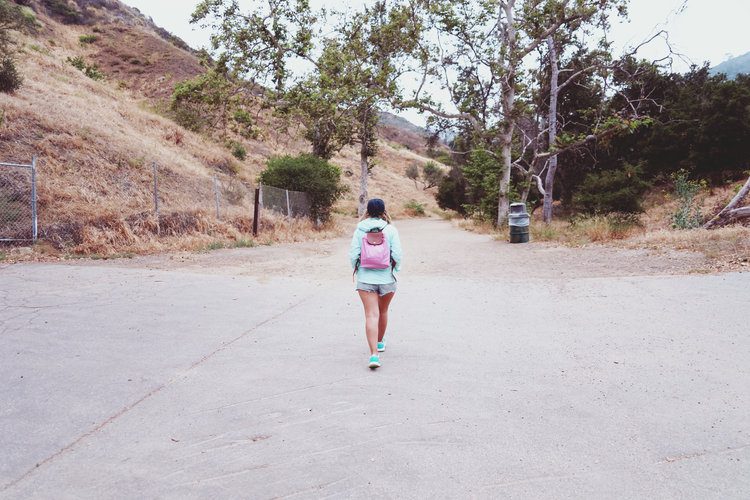
    Pop Bronson Caves* into your sat nav device for your starting point. When you get there, continue driving up the road past the children’s play areas which will be on both sides. There are two car parks, the first is a skinny strip on the right (see image below), the second is further up and on the left. If it’s quiet I recommend going to the one furthest on the road because it will take you closer to the start of the trail which you will appreciate on the way back to your car. Both of the car parks are free and are open from sunrise to sunset.
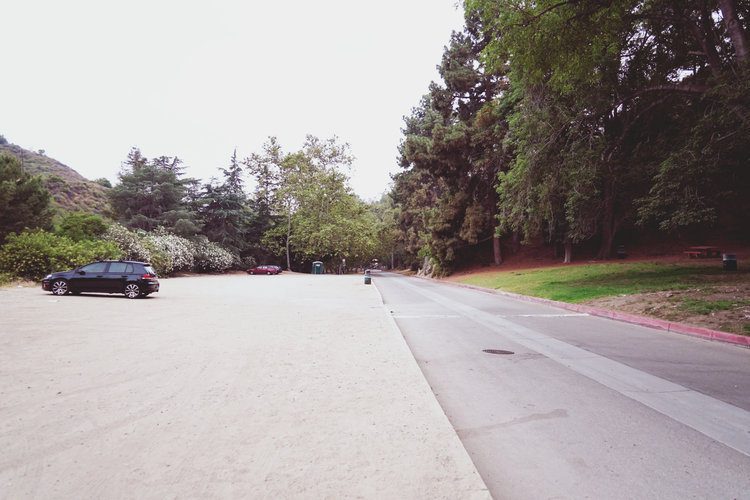
    Looking back at the first car park.

    Directions

    From the car park walk ahead down the path. 

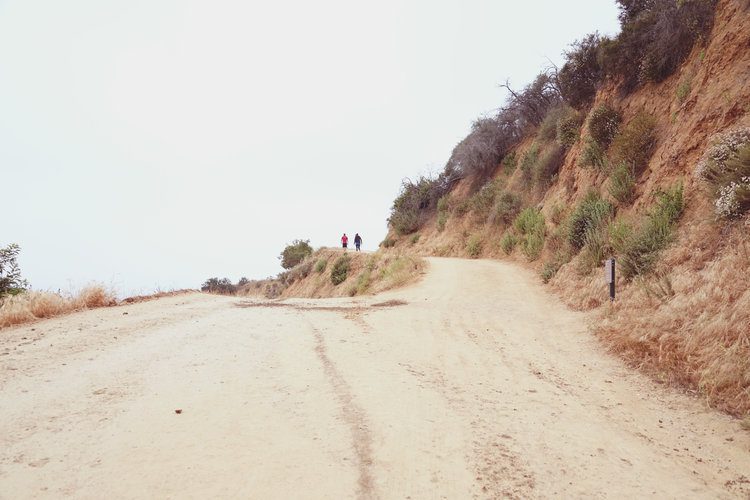
    Not long after entering you will face a gate which closes off the road to unauthorised vehicles. Pedestrians can walk past the gate, this is the trail. 

    Continue on to start the climb up.

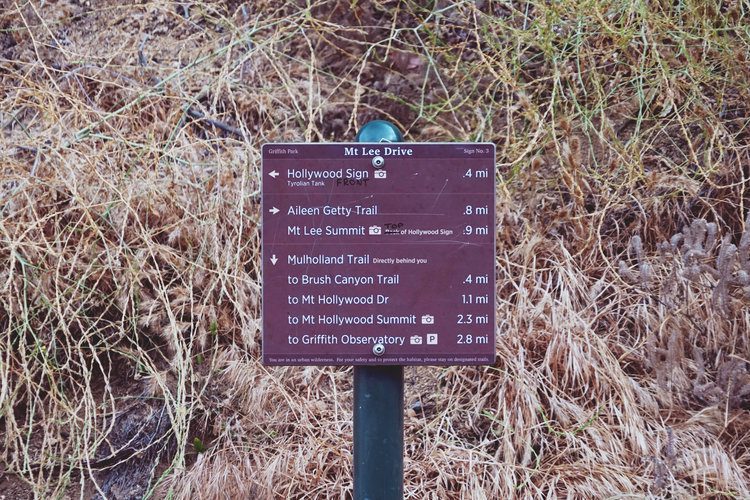
    The first sign for directions tells you to go left for the sign, the right will take you to the Griffith Observatory. This one is simple.

    The second sign will show two options for the Hollywood Sign. 

    Follow the direction for the first. Facing the two options, take the one on the right heading upwards.

    The third sign is mildly confusing, it says left to the Hollywood Sign but you actually want to follow the direction for the Mt Lee Summit, so head right. Someone has written on the sign that this trail will lead you to the back, which means behind the sign. It will seem counterintuitive to go right because it appears to lead you away from the sign but after a steep incline you will eventually wrap around the back of it and get up to the top.

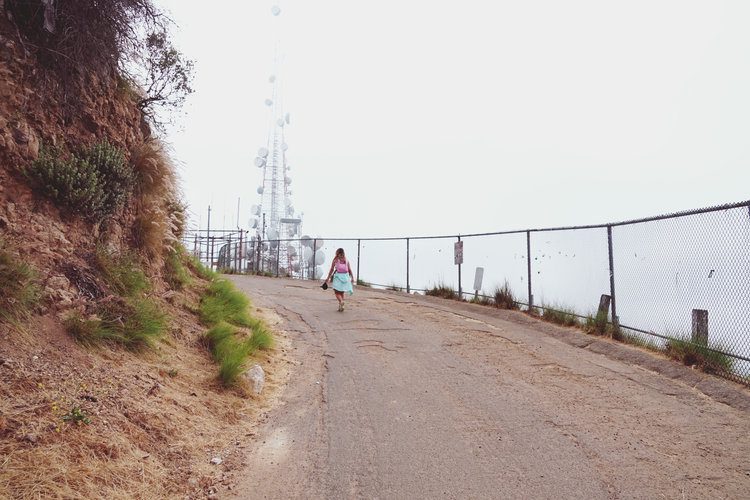
    The first sighting you will get once you walk around the corner will be of the sign behind a big wire fence but keep going up and around the left for a tiny but very steep dirt track which will take you up to the best viewpoint, where you will look down on the sign and the city it graces.


    Weather

    I’ve done this hike twice, once when we were doing our RTW 2016 and the other two days ago, 26th June 2018. The first time we went was in July during a heatwave and despite us getting to the top at 6pm it was scorching and we had to keep stopping to catch our breath.

    The second time we went first thing in the morning and it was much cooler and June Gloom is taking hold of LA whilst we’re out here so the mornings have been overcast and therefore cooler than usual. The sun broke through the clouds at about 9am that day so we were comfortable on the way up but by the time we started to descend it was heating up quickly and we were grateful for already being on our way down.

    I mentioned above that you can watch a 24/7 stream of the sign, this is really helpful to see what the weather is doing up there should it be an overcast day like ours started out. The cloud does lay low though so we didn’t have a problem even before the sun came out. Be sure to check the forecast too though.

    You can do this hike all year round but obviously the height of summer during the midday sun is ill-advised. It’s not worth risking heatstroke or sunburn so go when it’s cooler.

    Time to go

    Sunset is a good time to go because the temperature will be cooling down and the views will be amazing, but keep in mind that the carpark closes at sunset, so if you dawdle or don’t leave enough time you might not be getting your car back. The other issue with this is that it will most likely be busy with people trying to get those sunset snaps.

    My advice is to go first thing in the morning. We left our accommodation not long after sunrise and arrived for 7am which was perfect for us. It was still overcast so the temperature was a cool 17 degrees Celsius, but it was still nice and bright for photos. We only passed a few locals on the way up on their morning jogs, and when we reached the top there was only one woman up there. Luckily for us, because we had to do a fair bit of shooting, we were alone up there for about an hour so I could easily get changed and shoot anywhere I wanted. By the time were done and ready to go down, which was 9am, the sun was out, people were starting to arrive up there and it was soon swarming. I counted at least 30 people up there just as we were heading down and in less than 5 minutes into our descent another 13 people passed us on their way up.

    To summarise, go as early as you can.

    How long it takes

    It’s a 7.5 mile hike which takes you 1,003 ft up and is considered a medium level hike, but that is really determined by how fit you are and what the temperature is when you go.

    As I said above we have done this hike twice the first one was on a very hot day which wore us out quickly. That time we started off at 4pm and it took us about 2hrs just to get up there. That includes stopping time because it was a rough go in the sun but also for photos. We didn’t stay up there much longer than half an hour and then we came down. The sun was on its way down as we made our descent so it was much cooler and parts of the trail were shaded so it only took 1hr to get back to the car.

    The second time only took 1hr 5mins to get to the top, it was cooler so we didn’t overheat and we didn’t stop for photos because L.A. was still under a blanket of cloud so there was nothing to see. We did however spend 1hr up at the top taking photos in multiple outfits (a girl’s gotta have options) and then our descent took longer than the climb because the sun was out and we wanted to stop and take photos of the city and the valley views. We got back to the car at 10.30am so it took us 1hr 30mins to get down including the time to take photos.

    I should note that the second time around we were on a mission to get up there before anyone else so we power walked to keep it to roughly an hour, honestly if you don’t need to rush allow an extra half an hour for a more leisurely hike. I’d say on average you’re looking at spending 3hrs not including however long you want for photos.

    What to bring

    There is no shade on the trail once the sun is up which means you are completely exposed to its burning rays, so most of these items are geared up to protect you.

    Sunhat

    Wearing a sunhat does three things: stops your head from burning, shields your eyes from the sun and absorbs sweat from your brow.

    Sunglasses

    It’s really bright even when it’s overcast so protect your eyes. They will also save you from squinting in your selfies.

    Suncream

    No lower than SPF 30 but really just go for SPF 50. You’re exposed and vulnerable so it’s better to be safe than sorry.

    Water

    Bring at least 1 litre. Not only is it hot but it’s a tough hike, plus it’s quite dusty so stay hydrated. If you don’t already have one get yourself a thermal bottle. These babies will keep your drink cold for 24 hours with no condensation, which is a blessing when you are all hot and bothered.

    Comfortable shoes

    Wear a pair of hiking boots or decent trainers (sneakers). I’m talking function over fashion people! There are two steep climbs bookending the trail and the middle is basically a dirt track. If you know the pain of stones in-between you and your sandals you will be grateful for a pair of good walking shoes. 

    If you’re hellbent on getting snapped in a cute outfit do what I did and pack it up to change when you get there. FYI there are no changing rooms up this mountain, strange I know, so bring something that’s easy to get in and out of. 

    Camera

    You’ll want to capture the moment once you’re up there but there are also amazing views of LA on your way up too.

    Selfie stick

    A simple arm out selfie won’t be enough to capture the whole sign so unless you have a wide angled lens or a GoPro, a selfie stick will be your friend. If you’re thinking “ugh a selfie stick, that’s so 3 years ago, I’ll just ask someone to take photos” well, If you take my advice and go early someone might not be there to take photos and even if someone does come up whilst you’re there they might possibly be OUT OF THEIR MIND and not actually capture the sign in the background of your photo. You don’t believe that someone could do something so absurd? Well see the image below…

    Like seriously, how?!

    .

    Check out my California road trip playlist for some Cali inspired hits to accompany a trip to the Golden State, you might even want to listen to it on your hike!

    .

    Aloha, Gabriella

    Pin this post