Tag: Responsible Tourism

  • 10 easy ways everyone can be a sustainable traveller

    10 easy ways everyone can be a sustainable traveller

    Frequent travel is not good for our environment. Yes I said that. When compared to staying at home the impact of air travel emissions or water wastage in hotels – just a couple of examples – are taking their toll on our beautiful planet. Beautiful she is though and so we are desperate to explore all the wonderful things Earth has to offer. From hiking closer to cascading waterfalls that drop from luscious green cliffs hundreds of metres into the sky to snorkelling in reefs where fish of all colours of the rainbow inquisitively dart between your limbs, we don’t want to deny ourselves of these opportunities.

    Seeing those luscious and bountiful forests burn up and the coral reefs bleach and die are heartbreaking but very real scenarios and they are happening across Earth frequently as a repercussion of the times we have all chosen convenience over sustainability. So how do we continue to travel Earth but start to become more mindful of the impact we are having on it? The way to begin is to make more sustainable choices in our regular travel routine and with that being said, here are 10 easy ways that everyone can be a more sustainable traveller, really simple swaps that we can all do to make our travels less impactful and more responsible:

    1. Transportation

    If given the choice between walking and taxi (Uber etc.) you should walk. It not only cuts down on fuel usage but it also saves you money and is a way to work more exercise into your day.

    If given the choice between a taxi (Uber etc.) or public transport, take the public transport. Compared to private car journeys, public transportation produces less air pollution and reduces traffic congestion.

    If you need to hire a car, look for an economic option such as cars that use less fuel or are either electric or hybrids. In years gone by we have rented large fuel guzzling cars and it is not something I intend to do again. 

    Avoid cruises! With the mass generation of hazardous chemical waste, these beasts are polluting both the air and sea! Never mind the fact that a single person’s carbon footprint triples when onboard a cruise. I understand the appeal but please consider that cruises are incredibly damaging to eco-systems, please avoid them at all costs.

    2. Carbon offsetting

    The most responsible way to travel (aside from walking as mentioned above) is to travel by bus or train and though there are many amazing networks in place around the world, not everywhere is connected by rail or road, I mean, I won’t be moving to Vancouver from England on a train anytime soon.

    So the very best things we can do when a flight is involved is to book direct flights and carbon offset them. Check out my blog post, How to carbon offset your flights for three companies that I recommend using including information on what it is that these companies do, how you can calculate your emissions and how much carbon offsetting costs.

    Oh, also pack less, it’s hard I know and something I still have to keep pushing myself to do but lighter suitcases means lighter aeroplanes which means less fuel consumption and so less carbon emissions. 

    3. Environmentally friendly products

    Switch from using single-use products or products with non-recyclable/biodegradable packaging. Every little swap makes a BIG difference to the planet and lessens your contribution to plastic pollution.
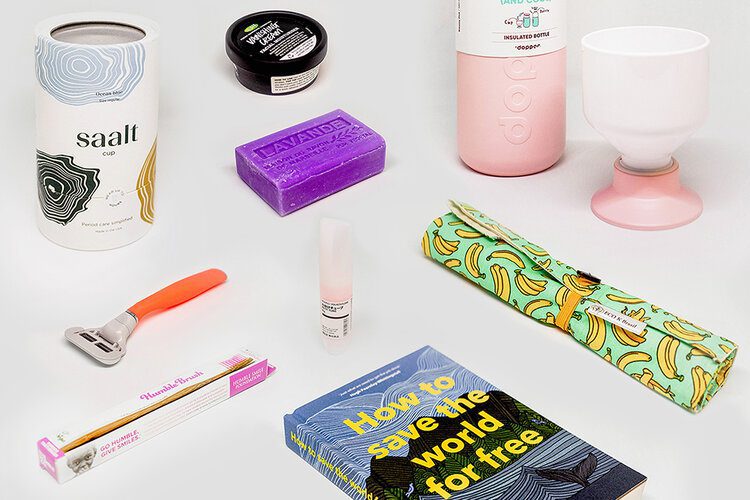
    For 26+ ideas on which sustainable swaps you can make for not just on your travels but in your daily-routine take a look at my blog posts:

    Sustainable swaps for travellers

    10 Lush products for reducing plastic usage whilst travelling

    4. Responsible tourism

    The tours and excursions you book tell a big story of the type of traveller, nay person (yeah that’s right I said nay) you are. To knowingly partake in any activity that causes harm to animals and/or the environment is something that needs to stop. 

    Animal tourism stems from the brutal treatment of animals which includes drugging, caging, under-feeding and bullying — just to name a few — to manipulate them for the owners needs. Avoid visiting big cat enclosures, elephant rides, posing with chained monkeys in market squares or with snakes around your neck. 
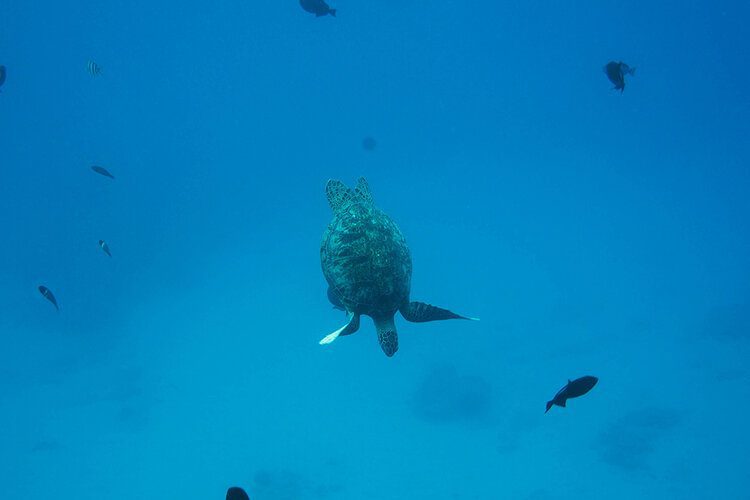
    I wish I could say I’ve never been a part of this but unfortunately I have been on camel rides that I now know in my heart weren’t being treated well. We must reflect and learn from past experiences so that we consciously make the right decisions in the future.

    I’ve written a full blog post focused on how to find sustainable tours and excursions with advice specifically focused on marine tours here in How to practise responsible tourism.

    You can also help by donating to legitimate sanctuaries and charities who put in the hard work every day to protect our environment and all the wonderful creatures who call it home.

    5. Hotel tips

    Second to staying in sustainable hotels here are some extra measures you can take:


    • Bring your own solid toiletries such as shampoo, conditioner and soap instead of using the tiny plastic bottles the hotel may provide. Yes they look cute but don’t be fooled by their disguise, each one is a threat to the environment. You could also call ahead to see if the hotel uses refillable toiletries so that you can avoid single-use plastic and heavier luggage. IF you do use the mini toiletries for whatever reason, NEVER leave with product still in them, it will get thrown away and it’s a terrible waste. If you’re sacrificing our planet then at least use the whole bottle.


    • Hang up your towels! Hotels are significantly responsible for big time water waste and pollution partly due their never ending laundry piles (well unless there’s a worldwide lockdown of course). Reuse your towel to prevent the need for daily washing, or better yet, take your own microfibre towel so housekeepers aren’t even tempted to kindly (less we not forget they’re not intentionally upsetting us) replace our towels with fresh ones.


    • Turn off the lights, TV, air con/heater and plugs so that electricity isn’t been wasted whilst you’re out exploring.


    • Keep your room clean and tidy so housekeepers don’t have to vacuum (electricity), change the sheets (water) or clean surfaces (chemicals in non-recyclable bottles) until you’ve checked out or unless absolutely necessary. 


    6. Go paperless

    Travel tends to be a slightly trickier area to go paperless with boarding passes automatically being printed out from self-service machines, ticket stubs being issued from booking offices… and though I’m fully aware that these often make great travel mementos, please try to go paperless where you can. 

    My top tips for paperless travel are:


    • Download the app that allows you to have an electronic boarding pass.


    • Buy your tickets to everything you can online checking that you don’t have to print them off.


    • Use Google Maps instead of a paper map.


    • Take photos of brochures/maps etc. (If you do take one, try your best to return it so that someone else can use it).


    • Don’t sign up to mailing lists, unless they’re email mailing lists.


    If you do end up with something that you don’t want to keep anymore, ensure that you recycle it.

    7. Observe local customs

    Part of being a responsible traveller is knowing how to conduct yourself in a way that respects and honours cultures and local customs. Do your research before arriving. Things to be aware of are how to speak, how to act and how to dress.

    For countries where it is advised to be respectful and cover up certain areas of your body, I have written a blog post on how to dress: Observing local customs: how to cover up and dress respectfully.

    You know Chief Seattle’s quote “take only memories, leave only footprints”? Well it’s not just something to re-pin to your “Travel Inspo” board, it’s something to actively practise. Don’t go pinching rocks at Pompeii or coral from the ocean bed, and don’t leave your rubbish/trash on the ground or chemicals from your suncream in the waters.

    Pay attention to signs, I cannot stress this enough for when it comes to taking photos for the ‘gram. If a sign says “stay off the grass” then stay off the grass, if a sign says “no access” then don’t go beyond it and if a sign says “no photos” then don’t take photos.

    If getting a photo is more important than the experience of being there and respecting the country’s rules then quite frankly you don’t deserve to be there. It’s a lesson I’ve taught myself especially since becoming a blogger, if I can’t be respectful and put the experience over the photo then I don’t deserve the experience and I need to check myself. No matter who you are, you are leading by example, so make sure it’s the right one.

    8. Litter pick

    Wherever you are in the world, if you see rubbish/trash on the street, in a bush, in the sea, on the beach etc. then please pick it up (if it is safe to do so) and dispose of it properly. 

    Actively live by “not my garbage, but it’s my planet” everywhere you go and soon enough you will ALWAYS be alert to poorly discarded litter.

    Don’t hesitate to share your litter picking on social media to raise awareness to others of where there’s rubbish/trash that needs to be removed and to advise others to keep their eyes open to it.

    Remember to wash your hands after and carry hand sanitiser, soap leaves or biodegradable anti-bacterial wipes to be extra safe.

    Oh and on the topic of rubbish/trash, keep in mind that not all hotels and airlines have an adequate recycling system so you may want to keep hold of any recyclable waste until you can dispose of it responsibly rather than leaving it to someone who won’t.

    9. Food

    Food is an overlooked but important area for maintaining sustainability on your travels. Taking into account of where you’re choosing to eat is a very important decision and could be the difference between eating responsibly and contributing to more pollution for our planet.


    • Eat locally. Local produce means it hasn’t travelled miles to be on your plate. It also helps to fund the community; it’s always good to support local businesses – responsible local businesses.


    • If you are purchasing a take-out meal make sure you get them to use your own reusable container and request that they do not give you cutlery (use your own reusable cutlery that I have listed in my previous blog post Sustainable swaps for travellers). If they won’t allow it and their packaging is plastic or polystyrene then avoid eating there.


    • Avoid all-inclusive offers. All-inclusive leads to an obscene amount of waste.


    • Cook yourself. Stay in accommodation that has a kitchen/kitchenette and shop from a local market so you can cook your food yourself. Not only does this cut down on food wastage but it also saves you money. For simple ideas on preparing food in your hotel room take a look at my blog post, 6 items for making food in your hotel room.


    • If you eat out, carry a reusable container with you so you can keep the leftovers. Most restaurants offer a “doggy bag” or a box but you never know if it’s going to be plastic.


    10. Souvenirs 

    When it comes to buying souvenirs, take your time to find locally produced and handcrafted items. By doing so you are supporting the local community. Mass produced souvenirs aren’t very meaningful and are often discarded. If you’re uncertain, ask locals where you can go.

    Another thing to consider is finding local classes where you can learn to make something. Wouldn’t you prefer a handmade clay pot over a generic shot glass?

    .

    So there you go, 10 ways you can become a sustainable traveller! Comment below if you do any of these or have any additional suggestions!

    Aloha, Gabriella

    Pin this post


  • How to carbon offset your flights

    How to carbon offset your flights

    Air travel currently accounts for 2.4% of global carbon dioxide emissions, a figure that is still rising at an alarming rate. Though it is not the highest contributor to rising greenhouse gas emissions, it is a significant one for us travellers to consider. Now of course I’m not here to tell you to stop flying, that would be entirely unreasonable of me, not to mention hypocritical, but I am here to help guide you with the ways you can reduce your carbon footprint whilst you travel. This blog post in particular suggests three companies you can use to carbon offset your air travel and towards the end I also suggest more ways in which you reduce your carbon footprint.

    There is a lot of speculation of carbon offsetting which stems from the idea that simply planting trees isn’t the answer, but there is more to carbon offsetting than reforestation. The three companies I have listed below all work on a variety of projects beyond tree planting, from distributing efficient cooking stoves in countries who wouldn’t otherwise have access to them, to funding clean energy farms such as wind and solar. They’re not just helping you to offset your carbon footprint, these companies and their projects are also working hard to improve the quality of life in developing countries.

    Here are the three companies I recommend using to offset you carbon footprint:

    1. Gold Standard

    Gold Standard has offset 117 million tonnes and counting, supporting over 17,000 projects in more than 80 countries.

    Read more about Gold Standard here.

    What you can offset


    • A custom donation for any carbon emissions


    How to calculate 

    With Gold Standard, you calculate your carbon emissions from your air travel, vehicle, home etc. using either of the following calculators and pick from one of their various projects to donate to by the tonne. 

    WWF Carbon Footprint Calculator

    Carbon Footprint Calculator

    There is a wide choice of projects from focusing on sustainable energy sources such as wind and solar power to humanitarian projects such as providing safe water and clean cooking equipment to villages in need all around the world. Take a look at your options here.

    Cost per tonne

    £7.75 – £15.50 or $10 – $20 per tonne.

    How to donate

    Once you have calculated the amount of carbon you wish to offset and the project you want to support you can pay via the payment methods:


    • Visa


    • MasterCard


    • American Express


    • Paypal 


    Choose wisely and keep your points in mind so that you can collect towards your travels and future offsetting payments!

    2. Mossy Earth

    Mossy Earth is a carbon offsetting company that offers an immersive experience. What does this mean? With your donation you receive the following: 


    • A photo & GPS coordinate of each tree


    • Regular on the ground project updates


    Read more about the ways you can reduce your impact here.

    What you can offset


    • Your air travel


    • Your road trip


    • Your carbon footprint


    • A custom donation


    How to calculate

    Mossy has its own calculator which will calculate your footprint by the hour for air travel, by the km for road travel or by the tonne for your custom emissions footprint.

    You can choose to donate either as a one off or via a monthly subscription.

    Unlike Gold Standard, you cannot pick your project to donate to, however here is a list of the project Mossy works on:


    • Wildfire restoration – replants after wildfires


    • Healing clearcuts – replants after illegal logging


    • Native oak woodland restoration – reduces the fire hazard for local communities 


    • Irish reforestation – plants trees in the least forested region in Europe


    • Rewilding impact – helps pay ranger salaries so they can continue to protect forests, sets up cameras for biologists to track wildlife populations and helps to put out wildfires 


    You can also give a gift of a planted tree to a fellow environmentally-conscious traveller (or anyone really). They even have wedding and birthday gift kits!

    Cost per tonne

    £30 or $39 per tonne.

    How to donate

    Once you have calculated the amount of carbon you wish to offset and the project you want to support you can pay via the payment methods:


    • Apple Pay


    • Paypal 


    3. Atmosfair

    Atmosfair is a non-profit organisation that specialises in offsetting air travel emissions. With the donations made, they are developing and financing renewable energies in over 15 countries worldwide.

    To read more about their renewable energy projects, click here.

    What you can offset


    • Your air travel


    • Your carbon footprint


    • A direct donation


    How you calculate

    Atmosfair has its own calculator which can work out your air travel emissions by taking your destination, ticket class, aircraft and route into consideration. Alternatively you can use one of the following calculators to work out your footprint. 

    WWF Carbon Footprint Calculator

    Carbon Footprint Calculator

    You can also choose to donate either as a one off or via a monthly, quarterly or yearly subscription.

    Atmosfair does not participate in any reforestation projects but they do work on the following:


    • Wind energy


    • Solar energy 


    • Hydro power


    • Environmental education


    Cost per tonne

    £20 or $26 per tonne.

    How to donate

    Once you have calculated the amount of carbon you wish to offset and the project you want to support you can pay via the payment methods:


    • Visa


    • MasterCard


    • American Express


    • Paypal 


    Choose wisely and keep your points in mind so that you can collect towards your travels and future offsetting payments!

    We are yet to use Atmosfair but I have included it here because it’s on my radar and it’s also recommended by Natalie Fee in her book, How to save the world for free, which I have recommenced many times in my blog posts and across social media.


    More ways to reduce your air travel carbon footprint

    Offsetting your carbon footprint isn’t the only way to reduce your impact on the world, here are some more ways you can help to save the planet when you fly:

    Fly economy/coach

    As uncomfortable as it is, flying economy/coach is better for the environment as the seats take up less space than first or business. Luckily we can’t all afford business and first so for the most of us, we’re already doing our bit!

    Fly direct

    Yes connections are cheaper, but next time consider flying direct as take offs and landings use the most fuel which means more of them create higher emissions. Balance the cost of a connecting flight against the extra offsetting cost for two or more flights.

    Say no to the inflight meal

    Inflight meals feature a lot of plastic and single use waste. Contact your airline to reject the inflight meal when possible, and instead bring your own food from home – in reusable packaging of course!

    Travel light

    The more you pack, the heavier the plane. The heavier the plane, the more fuel it uses to fly. The more fuel used, the higher the carbon emissions. So try to pack less. This is the one area I particularly struggle with when it comes to travelling. Luckily my upcoming move to Canada is forcing me to reduce my belongings (all being sold, handed down, donated or recycled) so that after the first flight is done, I will be travelling with a lot less from then on.

    If you have any questions about carbon offsetting, please feel free to reach out to me here or via Instagram. I’m no expert but I might be able to offer advice if what you’re looking for isn’t here.

    Thank you for reading this and understanding the importance of protecting the planet we all love to explore!

    Aloha, Gabriella

    Pin this post


  • Everything you need to know about visiting Norfolk Lavender

    Everything you need to know about visiting Norfolk Lavender

    Lavender has blown up over the last few years and like pretty much everything that’s popular these days, it’s due to Instagram. As someone who uses Instagram for work I’m not mad at it, however, the behaviour displayed on the app and the examples being set can sometimes have a damaging effect. Unfortunately, the increasing desire to get that shot for the ‘gram in a lavender field has led to inconsiderate behaviour over in the fields of Provence.

    It has come to light that in their desperation to get their own shot of themselves frolicking in rolling fields of lavender, people are flying to Provence in France and trespassing onto farmers’ fields, picking the lavender, stomping on the plants when they want to cross rows and there isn’t a gap and leaving rubbish. It’s easy to think a few sprigs of lavender won’t be missed but these fields are farmers’ livelihoods; it’s how they’re paying bills and providing for their families. To draw upon the DVD piracy campaign (are these even on DVDs anymore?), you wouldn’t steal a car, so why would you steal someone’s lavender stock? Whether you are using Instagram for work or pleasure, you are making an impression on someone, and therefore it is so important to lead by example.

    So how can we solve this (whilst saving money)? Instead of entering someone’s field, visit the fields dotted around England where you can get a responsible, rewarding and legal experience. Sure, there are entrance fees or tour costs but you actually get to learn about the lavender plants and pick it guilt free. 

    The most important thing is to share with others about responsible tourism. Educate your followers, whether there’s 42k or 42 of them, about visiting a field that is supporting the industry as well as giving you the opportunity to get that all important Instagram-worthy photo.

    I’m sharing Norfolk Lavender with you not only because you’ve asked to see more local content on here, but because it offers so much more than a lavender field. It really is a great day out for everyone. Entrance is free, there’s a café, gardens, a huge gift shop, a plant nursery, a farm shop and an animal garden and play park for children. Plus, in summer, when the lavender is in full bloom, they offer tours of both their lavender distillery and their new lavender field for a reasonable price. Read on for everything you need to know about visiting Norfolk Lavender.

    Getting there

    Norfolk Lavender is conveniently located in the countryside but close to the seaside in Heacham,  West Norfolk. This means your day out doesn’t have to end there, Hunstanton (a popular and typical seaside town) is just 3 miles down the road. So if the intoxicating smell of lavender doesn’t do it, the sea air will guarantee you a great night’s sleep.

    Parking at Norfolk Lavender is free.

    Opening times

    Monday – Sunday 

    9am – 5pm March – October 

    9am – 4.30pm November – February

    Accessibility 

    All of the attractions at Norfolk Lavender are on one level so everything has full wheelchair accessibility plus there are two toilets for people with disabilities. I do just want to point out that the gift shop is split over two levels inside with stair-only access, however if you go back outside and around the building you can gain access to the second level without stairs where the ground naturally slopes. They also have a wheel chair available for guests to borrow but you must reserve it in advance.

    Tour

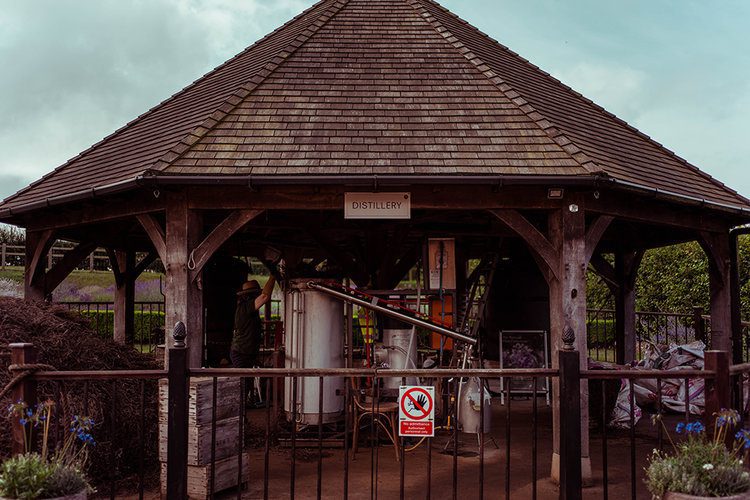
    In the peak months of lavender bloom Norfolk Lavender offer a tour in their newest field, Torrey’s Field. The tour lasts 45mins and includes a visit in the field with an opportunity to take photos and pick your own lavender, facts about plants, a history of Norfolk Lavender and a visit to their distillery.

    The tour dates vary year to year depending on the crop so it can be anytime between June – August. Check the Norfolk Lavender website to be certain.

    Tour times

    11am, 12 noon, 1pm, and 2pm.

    Ticket cost

    £5 per person.

    Tickets are purchased in the gift shop.

    Tour cap off at 15 people max.

    The Lavender Lounge tearooms

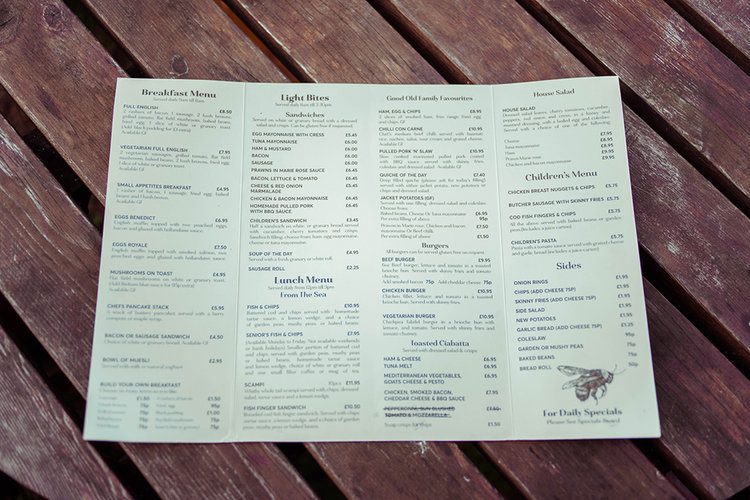
    Though the presentation of the food leaves something to be desired, it is very good. They serve a good variety of snacks and meals from cakes and scones to sandwiches and hot meals.

    I strongly recommend you try a slice of their lavender cake. Unlike most lavender flavoured or infused foods, the cake perfectly balances the lavender taste and goes down nicely with a coffee or a cuppa. They also serve up a great variety of generously filled sandwiches.

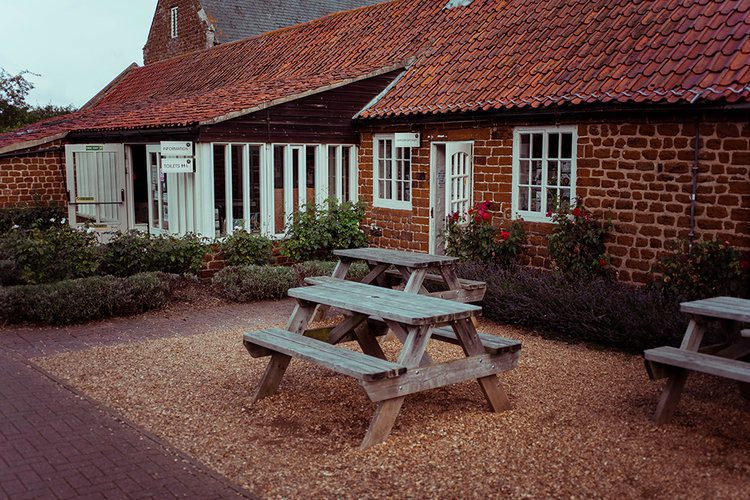
    There are plenty of tables both inside and outside so you have a very good chance of getting a seat, but keep in mind that if you sit outside you will be surrounded by bees and wasps because they are attracted to the surrounding plants.

    Breakfast 9am -11am

    Light Bites 11am – 3.30pm

    Lunch 12pm – 3pm

    Gift shop

    Norfolk Lavender was founded in 1932 and is now England’s best lavender farm. If me telling you isn’t enough then maybe you’ll trust the Queen of England. Norfolk Lavender has been growing lavender on HM The Queen’s Sandringham Estate since 1936 and currently holds a warrant of appointment from HRH The Prince of Wales, Prince Charles for all of their products.

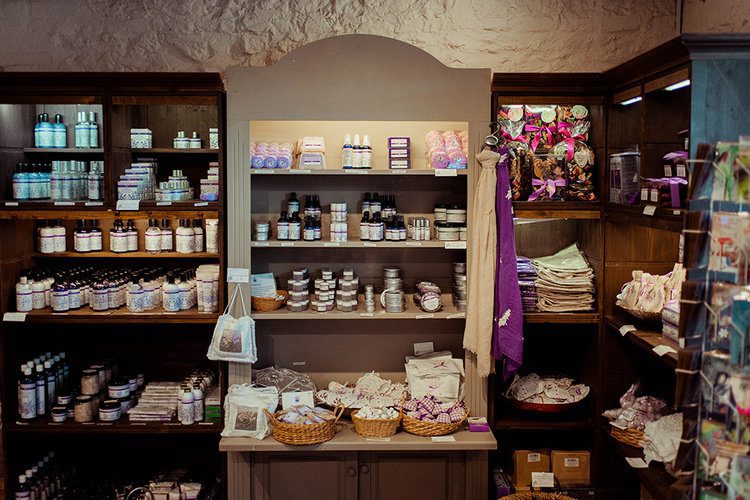
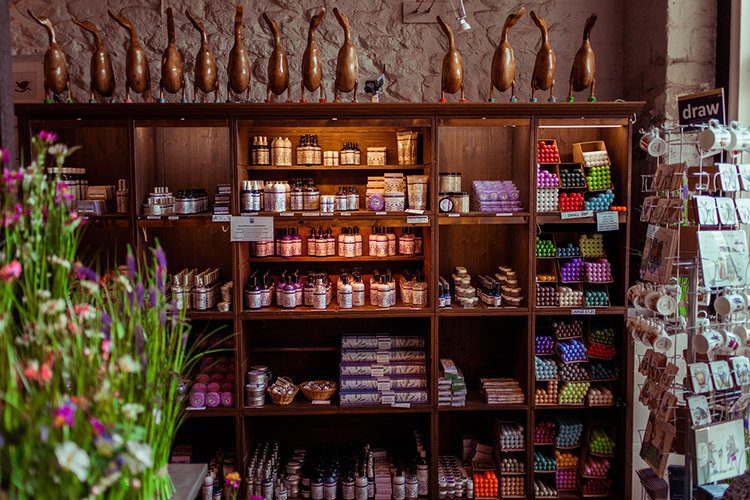
    Their gift shop has the largest variety of lavender products I have ever seen anywhere in the world, with everything from lavender infused food to beauty products, and trust me when I say they are some of the best lavender products you will ever use.

    If you are interested in knowing more about the benefits of lavender and which products I recommend, take a look at 10 lavender products for more relaxing travels.

    Aside from having every lavender product you could possibly imagine, the gift shop expands further down into the building to reveal kitchenware, children’s toys, gardening tools, food and so much more. It’s impossible for me not to buy something every time I visit. 

    All of their lavender products are available to buy through their online store but you can also find a list of stockist here.

    Plant centre

    As you exit the far side of the gift shop, there is a purple hut selling gardening items such as tools, seeds, bird feeders etc. Pass through this shop and you will enter the plant nursery where you will find the largest range of lavender products on sale in England, plus many other plant varieties.

    Gardens

    As you enter Norfolk Lavender from the car park, take the small entrance to the left of the gate for the opportunity to walk through their herb and lavender garden.

    This small garden is not only a great place to see the different varieties of lavender but it is also another opportunity for photos. The field is best for shots within long rows of lavender, but the garden has lavender bushes that have grown higher so you can get photos that appear like you’re more nestled into the lavender. 

    For a further stroll into their grounds, from the plant nursery, turn right and cross over the bridge to gain access to their gardens. It’s a pleasant place for walking off your slice of lavender sponge cake or for children to play away from the plants.

    Farm shop

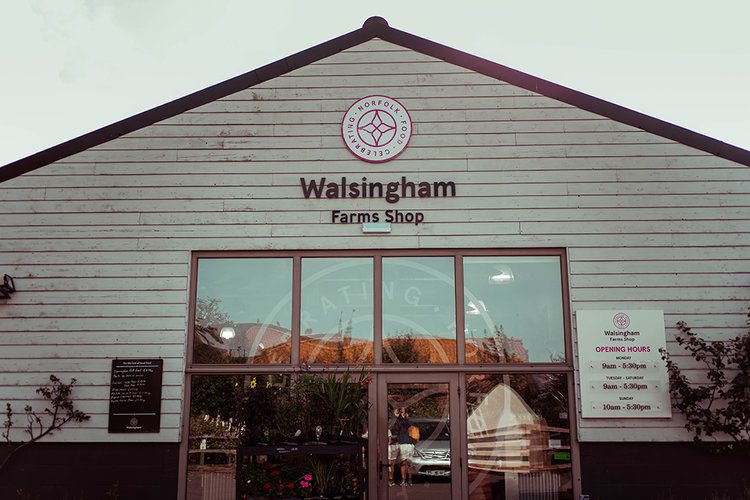
    Opposite the ground of Norfolk Lavender, on the side of the car park, is an award winning farm shop, Walsingham Farm Shop, selling fresh and local produce. I’ve picked up a bite to eat a few times from here when either The Lavender Lounge is full or has stopped serving food, and I’ve enjoyed everything I’ve bought from there. If you are planning on bringing anything back home from the farm shop, I suggest bringing a cool bag/box in the car as you are most likely visiting in summer.

    Opening times

    April – October 

    9am – 5.30pm Everyday

    November – March

    Monday 10am – 4pm

    Tuesday – Saturday 9am – 5pm

    Sunday 10am – 4pm

    Animal garden and play park

    I haven’t been here because I don’t have kids but I know people who have been with theirs and have enjoyed it. To get all the information you need to visit click here.

    For the history of England’s lavender, click here to read a summary on Norfolk Lavender’s website.

    .

    As amazing as Norfolk Lavender is, I have to be honest the most spectacular lavender field that I have visited is Hitchin Lavender. It is located near Luton (about 1hr 30mins drive from central London) and is the biggest lavender field in England.

    Their field is designated to visitors who want to cut their own lavender to fill a bag that is provided with your entrance ticket of just £6 per adult and £3 per child aged aged 5-14 yrs (under 5 yrs go free). However, there isn’t as much to do at Hitchin Lavender as there is at Norfolk Lavender and they don’t offer nearly as many products as Norfolk Lavender does, so I will say it depends on where you’re located, how far you’re willing to drive and what kind of experience you want to have.

    Aloha, Gabriella

    Pin this post


  • How to practice responsible tourism

    How to practice responsible tourism

    Travel has completely opened my eyes to how much waste there is in the world and the effects that my contributions were having. Seeing real life mounds of discarded single use plastics, videos of animals’ tummies full of plastic and rubbish, animals being harassed for tourists’ amusement and beaches scattered with rubbish – it’s hard to ignore what irresponsible behaviour can lead to. It’s important that we all do our part to stop being so wasteful, to protect our planet from the damage we’ve caused so that future generations of animals and humans don’t suffer because of what we’ve done. 

    My experience of irresponsible tourism 

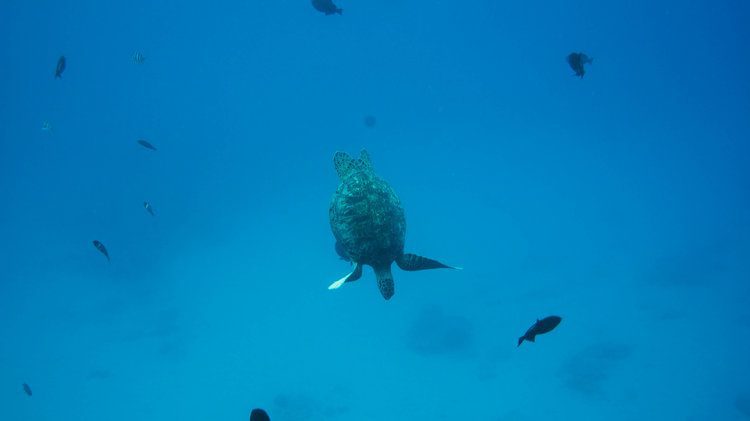
    In February I returned to Hawaii and whilst in Oahu I decided to book an excursion to swim with turtles, something I had done a few years before in Maui and thoroughly enjoyed. I chose to book with a company called Holokai Catamarans based in Waikiki and was gravely disappointed by the behaviour of both the crew and the passengers on my tour.

    We witnessed the crew throw chocolate chip cookies into the water, and last time I checked, wheat and chocolate don’t grow in the sea and are therefore not part of a natural diet for turtles or fish. There were only four turtles in the water, one was young too, and another three boats came to join us, including a boat loaded with scuba divers and even a glass bottom boat! At one point there were approximately 40 people both on and beneath the surface of the water surrounding these poor turtles. 

    That situation had multiple things wrong with it:


    1. The turtles were heavily outnumbered and surrounded. If they feel threatened they will be reluctant to surface for air, which could lead to asphyxiation and therefore death.


    2. Glass bottom boats are extremely dangerous for sea turtles as they can get confused and try to surface beneath the boat. This can damage their head, fins or their shell and even lead to panic and suffocation.


    3. Sea turtles are an endangered species and it is very important that you respect them and their environment. For this reason you legally must stay 10ft back to prevent the turtle from being scared, harassed or harmed. Turtles are curious creatures so there is a good chance that whilst you are observing them that they will surface near you to do the same to you. In this situation, you must remain calm and very slowly give them space, then count your blessings for a beautiful moment you shared with such a magnificent animal.


    Unfortunately the situation worsened and not only were the turtles encompassed by far too many tourists, some groups of people then did the worse thing imaginable, they started to grab at the turtles and chase them, whilst the crew did nothing. I personally had to stop at least five people from chasing the turtles when they surfaced and I even pulled a person away after they touched one of the turtles. It was incredibly distressing! So, for these reasons I cannot recommend taking this tour; their lack of responsibility for their passengers and respect for the turtles was heartbreaking. 

    Once I returned to my hotel I wrote a letter of complaint to the company and I also reported them to Hawaii’s tourism board via their government’s website. Since then I have been far more vigilant over choosing tours, doing my best to make sure they are environmentally conscious and responsible.

    Tips for finding responsible marine tours

    With so many tours available over the internet it might seem like a daunting task to find operators that are responsible. Here are a few pointers for finding tour companies that you can trust to be environmentally conscious:


    1. Always take a peek at their own website, even if you’re using a comparison site. You’ll get a better idea of their priorities and what they pride themselves on. For example, if they mention that they are “the most eco friendly tour operating out of that harbour” you know they’ve got their priorities in order.


    2. If you’re booked to stay in a hotel, ask the concierge or front desk if they can recommend any responsible tours. Then research them before making a booking.


    3. Look for companies that provide or encourage the use of reef safe suncream only.


    4. Small tours are always the better choice. They have a smaller impact on the environment and it means you are going to have a much more personal experience with them. Larger tours are mostly operating to make money and don’t take care of individuals or the environment. Whilst on a whale watching tour in Hawaii, we chose to go on a very small dinghy and because of that it meant we could hear the whales singing through the hull of our boat. Moments later we were joined by a large boat with two decks which was blasting out its own music. Not only was that precious moment lost on those people on the larger tour, but they are discouraging people to truly experience their surroundings.


    5. Take note of companies that partner with nature conservationists, charities and organisations. You know they care for the environment and everyone’s personal experience over masses of paying passengers if they have a strong focus on marine biology and research.


    6. Reach out to travel and environmentally conscious bloggers. Ask them if they know of any trustworthy tours, or if they can recommend any companies. You can always contact me through my Instagram, @gabriellawisdom, or email, if you have any questions or want recommendations.


    If a turtle surfaces near you, remain calm so you don’t antagonise it, do not reach out to it, and when it is safe, put distance between yourself and the turtle.

    Extra measures that you can take

    Of course, responsible tourism doesn’t start and end with the tour operators. We all have a responsibly to protect and preserve our beautiful environment. Here are the ways you can help:


    1. Bring your own reusable water bottles to prevent the use of plastic ones.


    2. Wear and bring your own reef safe suncream. Oxybenzone and octinoxate are harmful chemicals to coral reefs and are often found in suncream and UV protection products. Many leading brands such as Hawaiian Tropic, Australian Gold and Banana Boat are now reef safe. Check the label before purchasing your next bottle.


    3. Be respectful of your environment. Don’t touch or harass any animals, don’t take anything with you except memories and photographs (if it’s appropriate) and don’t leave anything behind such as rubbish. If you see any rubbish, pick it up.


    4. If you do see something wrong, don’t be afraid to voice it and report it. I recommend you report what you witnessed to authorities and sending a private email over blasting them on the internet, the situation will be taken more seriously if you go about it sensibly.


    You may also be interested in this eco-conscious suncream from plastic-free shop Coconut & Cotton.

    Responsible marine companies I have used around the world

    Since my experience in Oahu, Hawaii, I am more determined than ever to make sure I book responsible and environmentally conscious tours. Here are some companies from around the world that I whole heartedly recommend because, each one of them have a passion for the world we live in and the animals we share it with:


    • Ultimate Whale Watch & Snorkel for whale watching in Maui, Hawaii. 


    • Pride of Maui for swimming with sea turtles in Maui, Hawaii.


    • Wild Whales Vancouver for whale watching in Vancouver, Canada.


    • Reef Day-tripper for swimming in the Great Barrier Reef, Cairns, Australia.


    We are all accountable for making sure we protect and preserve our environment. Together we can make great strides towards responsible tourism by acting upon the tips I have highlighted above and booking tours based on their environmental impact and awareness over what costs less.

    .

    Aloha, Gabriella