Tag: Cornwall

  • Eco-conscious Cornwall packing guide

    Eco-conscious Cornwall packing guide

    Whether it’s a staycation within the UK or you’re coming from far and wide (post pandemic) a holiday/vacation to Cornwall in south-west England will be one of your best adventures in Great Britain. 

    If you haven’t already take a look at my previous travel guide for Cornwall, 8 beautiful places to visit in Cornwall part 1 and part 2 to learn about everything you don’t want to miss on your trip. There’s something for everyone from indulging on Cornish pasties and cream teas to riding waves and hiking to medieval castle ruins.

    To help you prepare for your best trip to Cornwall I’ve put together this pinpointed packing guide for some key things that will make life so much easier on your holiday/vacation to the Cornish coast.

    Wetsuit

    One of the most ideal things to pack for a trip to Cornwall is a wetsuit as it’s one of the top locations in the world for water sports. It will insulate you when the water is chilly and protect your skin from board rash so if you already have one this is definitely the trip to pack it.

    If you don’t have a wetsuit, don’t panic as you’ll have plenty of options for renting them out at a low cost and some tourism companies include wetsuit rental in their prices – check ahead of time just to be sure. 

    Swimsuit  

    Unless you are going in the middle of winter and have no intentions of getting into the sea, the first thing you should be packing for a trip to Cornwall is your swimsuit. 

    The beaches in Cornwall are the best I’ve been to in the UK. Golden sands + turquoise waters + warm sunshine = the perfect set up for very long and lazy beach days.

    Whether you’re jumping into a wetsuit and onto a surfboard, cooling off in the ocean, going for a swim at one of the many sea pools and lidos in Cornwall or laying out in the sun a swimsuit is a Cornwall staycation necessity. 

    Of course you can wear whatever makes you feel comfortable and if that’s not a swimsuit than I am here for you no matter what you choose. My message is more that if you do choose a swimsuit and it’s time to purchase a new one look for one made from recycled fabric or even biodegradable (yah that’s a thing now, I’m yet to try but I hear good things). I have a few swimsuits made from recycled plastic bottles and you would never know from the texture.

    The most responsible thing is to use the swimsuits you already have though so as difficult as it is and I REALLY understand this one, please try to limit your purchases and use what you have.

    Another tip for swimwear is to purchase interchangeable sets or reversible pieces for more options on your travels.

    Dock and Bay towel/poncho

    The most sustainable choice would be to pack a towel you already own but if you need a new one then I recommend one from Dock & Bay. Michael and I been using Dock & Bay products since 2018 for the following reasons:


    • All of their products are now made from 100% recycled materials.


    • They’re part of the blue light card discount for NHS staff.


    • 5% of their profits go to one of their partnered environmental charities. Their 2021 partner is WWF and if you purchase one of their two collaborative towels they will donate 20% of those profits to WWF.


    • They are compact and pack down much smaller than a regular towel.


    • They dry x3 times faster than a regular towel.


    • They’re sand resistant so you can shake it right off.


    Along with one of the XL towels which are perfect for stretching out on to sunbath or to share with someone else for a picnic, the towel you absolutely need for a trip to Cornwall is one of Dock & Bay’s ponchos. 

    Their super absorbent towels are the best accessory for any waterspouts from surfing to kayaking and for hanging out on the beach. I forgot to bring mine and Michael could tell you I said “I wish I had my Dock & Bay poncho” every. single. day. As they’re made from the same material as the towel they’re just as absorbent and lightweight but the reason they’re perfect for a trip to Cornwall is because they’re big enough to get changed in and out of your swimsuit in public without revealing yourself to the world.

    Dry bag

    Dry bags are a must have for me when I’m going anywhere near the water for two reasons:

    1. They keep your belongings together and dry on the beach, paddle board, boat etc. You can us it to store suncream, your phone, car keys etc.

    2. You can pop your wet swimsuit and towel in it after you’ve changed and it will stop everything else from getting damp.

    Look after your dry bag and it will see you through many years of travelling all over the world. 

    Sandals/trainers suitable for hiking 

    The South West Coastal Path is the longest walking trail in England. At 630miles long it passes through Somerset, Devon, Cornwall and Dorset. Whether you’re embarking on the full length or just enjoying parts of it, the trail is an opportunity to get some of that fresh sea-air in your lungs – the kind that people say will make you sleep better – to be at one with nature and enjoy some incredible views of the prettiest coastline in England.

    The path is natural and therefore uneven so though it wouldn’t be impossible to take it on in flip flops but it would be super uncomfortable. For this reason I think a pair of trainers, hiking boots or some bang-on-trend Dad sandals (like these ones from Dune) is something you need on your feet for enjoying long walks in Cornwall without the risk of rolling your ankle.

    To prevent unnecessary waste make sure that when you purchase a pair of shoes or sandals they are high quality, made with care and meant to last. A comfortable pair of shoes is one of the most important things to me and something I value highly in the world (hence why I work with Dune) I believe an uncomfortable pair of shoes can ruin your day let alone your travels – and trust, I’ve been there. So look for shoes that are comfortable for you, sensible and versatile so you can enjoy them for years on your travels around the world. 

    Biodegradable disposable BBQ

    I don’t know about you but BBQs along with Pimm’s are my first thought when I hear the word summer. Was it even summer if you didn’t have a BBQ? 

    With over a million sold each summer in the UK it’s safe to say disposable BBQ grills are a popular summer accessory HOWEVER safe they are not. Regular disposable BBQs are not-only single use but they are toxic, non-recyclable nor biodegradable. 

    Of course we love the idea of being able to take a little BBQ out to the beach or the park to cook up a quick feast with friends and family under the sun so what’s the alternative? It’s pretty simple: a biodegradable disposable BBQ grill!

    We purchased our sustainable BBQ grill from Casus Grill for the following reasons:


    • It’s made from 100% natural materials: bamboo, lava stone, recycled cardboard and charcoal


    • Everything but the lava stone is biodegradable


    • Remove the lava stones and use on a fire, campfire or log burner – they are a neutral product that will return to earth when burnt


    • It’s free from fossil waste


    It lit quickly (out of the wind) and was ready to cook on within an hour. If you need to purchase a disposable BBQ try to choose a sustainable grill from now on to reduce your impact on our planet. I recognise they are more expensive and not everyone is in a position to buy one but I encourage you to make this choice if you are able to.

    DO NOT leave any kind of disposable BBQ in an enclosed space, the carbon monoxide fumes are poisonous and may result in death.

    Reusable water bottle

    Stay hydrated kids, there are very few things in life more important than drinking water. Please don’t go littering the earth with endless single-use plastic bottles to do this though, instead bring a reusable water bottle.

    By law all licensed pubs, bars, nightclubs, cafes, restaurants, takeaway food and drink outlets, cinemas and theatres are required to provide tap water to anyone who (politely) asks for it. Though pandemic rules have made this a little difficult so be smart about it, it is absolutely acceptable to ask for your bottle to be filled with tap water so just think of all the money you’ll be saving as well as plastic!

    I always recommend a thermal one as most will keep cold liquids cool for 24 hours and hot liquids warm for 12 hours which is not only super handy on travels around the world but it also cuts out that nasty risk of plastic water bottles poisoning you when you leave them in the car to get warm.

    My thermal bottle is from Dopper and if you’re interested in why I love it so much you can read about here.

    Waterproof phone case or camera case  

    This truly depends on the kind of traveller you are. If you love to document your adventures, are outdoorsy or even clumsy then a waterproof case for your camera or phone will suit you on Manu of your travels, however if you like to be in the moment and reduce your screen time then this won’t necessarily be an accessory you need on your packing checklist for Cornwall.

    If you do want one, look for one that fits multiple phone makes and models so that you don’t need to buy a new one when you get a new phone. 

    Better still, though it is more cumbersome, invest in a waterproof camera case so that you have better quality photos and are less likely to need a new camera case as cameras last far long than phones. 

    Reef-safe sun cream  

    Cancer doesn’t discriminate folks the sun will cause damage to everyone’s skin so always protect it from harmful UV rays by wearing suncream/sunscreen/sunblock – whatever you call it, wear it!

    Unfortunately chemicals that go into most suncreams to help protect us from the sun have harmful effects on creatures living in the sea so when we enter the water wearing sun protection made with oxybenzone and octinoxate they wash off and cause corals to bleach and die and when they die an entire ecosystems are destroyed. That means no more colourful reefs to explore on your travels.

    Over 50% of our planet’s coral reefs have been destroyed in the last 30 years due to Climate Change and pollutants. Next time you purchase sunscreen make sure it doesn’t contain oxybenzone and octinoxate. Instead look for sunscreen that contains zinc oxide and titanium dioxide, these are not linked to coral bleaching and will still protect your skin from harmful UV rays.

    You may be thinking, but Gaby I won’t be exploring tropical coral reefs in Cornwall so why is wearing a reef-safe sunscreen important? Our oceans are connected and whether you’re swimming in Cornwall or Mauritius once you’re in the water those chemicals are casing harm to something in our global waters so please try to purchase reef-safe suncream when your current one runs out.

    I have been using Shade – sold through Coconut & Cotton – as it is a natural suncream that is free from any harmful chemicals plus the package is plastic free and reusable.

    Other reef safe suncream brands I use (but have reduced as they are sold in single-use plastic bottles) are Australian Gold and Hawaiian Tropic.

    Raincoat

    Though for the most part the weather is beautiful in Cornwall the weather can drastically change should a storm roll in from the Atlantic. Whilst in Cornwall towards the end of September the weather went from shorts-and-tshirts weather to wet, windy and cold overnight. 

    To be prepared pack a raincoat no matter the time of year you’re going – after all it’s not the weather than can hold you back from having a good time it’s how you dress for it.

    If you don’t own a good waterproof coat look for one with taped seams for extra protection from wet weather. I’ve had my Joules one for years and it has seen me through freezing cold and wet conditions in Scotland so I highly recommend it but you don’t have to spend heaps on a rain coat, Michael has one from Mountain Warehouse which was much cheaper and it saw him through the same weather.

    Looking for a raincoat with taped seams will ensue that coat is more durable which means will have better longevity that ultimately means it’s a more sustainable way forward than buying endless cheap raincoats or worse single-use plastic ponchos.


    .  

    Do more on & for the planet, Gabriella

    Pin this post


    As an Amazon affiliate I may earn from qualifying purchases.

  • 8 beautiful places to visit in Cornwall part 2

    8 beautiful places to visit in Cornwall part 2

    In a follow up to 8 beautiful places to visit in Cornwall part 1 here’s another 8, I know, I spoil you. In this travel guide for Cornwall I’m sharing photogenic places and adventurous things to do in the top part of the county. From learning about complex eco-systems in the magnificent biomes of Eden Project to surfing waves rolling in from the Atlantic Ocean this second part to my Cornwall travel guide will plan out your most memorable trip there.

    1. Summerleaze Beach in Bude

    Take a day trip over to Summerleaze Beach in Bude where some of the highest summer temperatures in Cornwall are recorded so you can not only catch a great tan (don’t forget to wear your reef safe sun cream folks) but it’s the ideal spot to cool off too thanks to the huge sea pool that sits at the base of the cliffs.

    Bude sea pool is a 91m long by 45m wide semi-natural pool that was built in the 1930s to create a safe place to swim. It is both free to use and unrestricted (unless there’s a pandemic).

    For the best position to get a photo of Bude sea pool, head up the path behind the ice cream shops and stand safely at the top of the cliffs above. Hopefully the sun will catch the water for you and you’ll get some beautiful sea sparkles in your photo.

    2. Tintagel Castle 

    Tintagel Castle is a medieval fort built in the 1200s but ruins onsite are known to date back to the 4th Century AD. Cross a bridge suspended high above rough waters and enter the legendary birthplace of King Arthur. Work your way around the one way system that will take you up to the top of the cliff and down to the visitor centre.

    If the legend of King Arthur and Merlin tickles your fancy you can also visit Merlin’s Cave, thought to be Merlin’s home, at low tide.

    Land Rovers and step free access is available to most of this heritage site.

    If on foot, wear sensible footwear as the ground is uneven and a it’s a trek just to the castle and back from the village alone.

    As interesting as the castle ruins are it’s the views of the coastline from them that’s the most photogenic.

    Tickets must be booked in advance with English Heritage as they only allow access on a timed schedule. Tickets will give you access to the castle’s remains which offer spectacular views of the rugged area of coastline.

    After your visit to Tintagel Castle, potter through the village where you’ll find many tearooms to enjoy a Cornish cream tea in their garden.

    3. Port Gaverne

    One of my favourite memories from our trip to Cornwall was standup paddleboarding with Cornish Rock Tors at Port Gaverne. 

    Our instructor, whose name has sadly escaped me, was the best you could have asked for. Not only did he make sure we knew exactly what we were doing before getting out on the water but he had the patience to let us build up our confidence before we left the port to reach the open water. With him we explored a cave, attempted tricks and even took a moment of calm to practice some yoga – anyone remember Michael doing a headstand on a paddle board out of nowhere when he cannot walk down the street without tripping over?

    2 hour sessions are £40 per person and include wetsuit rental.

    SUPing isn’t all Cornish Rock Tors offers, they also do coasteering, kayaking and sea swimming. Also they’re a single-use plastic free business with a Surfers Against Sewage’s Plastic Free Champion certification, so yay for that!

    Save time searching for almost non-existent parking by parking in St. Endellion Car Park and walk 5mins down to Cornish Rock Tors. When you’ve finished paddleboarding, walk to Port Isaac, which is only 10 minutes in the other direction to St. Endellion Car Park for lunch. Port Isaac is where much of the filming for the ITV series Doc Martin took place.

    4. Polzeath

    Polzeath beach attracts more surfers than you can shake a shortboard at. The large beach and on-beach parking means that the waves are more accessible than some of the smaller, more limited destinations.

    For this reason it’s a pretty ideal place to learn to surf and there’s heaps of surf schools to choose from. I will say it gets busier for this reason though so if you seek less distraction look for a quieter location but it is where you’ll find some of the most experienced surf instructors.

    We joined friends on a lesson with George’s Surf School which is considered to be within the “Top Ten Surf Schools in the World” by The Guardian. Their patience and guidance will motivate and comfort you no matter how you progress in your lesson. Your instructor won’t just help you stand but they will also correct you so each time you catch a wave you’re not just standing and falling but actually improving on your technique.

    Wetsuits are available to rent for a small fee from multiple vendors on the beach.

    Polzeath beach has a community atmosphere that makes you feel like summer will never end. There’s multiple restaurants right on the beach including the hot-spot rum bar out the back of Surfside Polzeath. For beach babe apparel check out Fusion on Dander’s Hill.

    5. Newquay

    Newquay is a coastal town in north Cornwall that is known best for being a top location for surfing thanks to the strong surf coming in from the Atlantic Ocean. Fistral Beach and Watergate Bay are the two most popular places to surf with Watergate Bay being where the English National Surfing Championships are held every year. Yeww!

    Fancy yourself as a surfer but can’t catch a wave to save your life? I feel you and Newquay is the place for you to kit yourself out in all the surfer themed apparel your heart desires.

    Best surf apparel shops in Newquay 


    • Ann’s Cottage Surf Shop


    • Watershed


    • Married to the Sea


    • Northshore Surf Shop


    • The Wave Project – an amazing organisation who offers complimentary surf therapy classes to people with various mental health diagnoses, profits from the shop help to keep those classes funded.


    Newquay airport, located 15 minutes outside of the town, has regularly scheduled flights (when there isn’t a pandemic) to Spain, Germany, Ireland, London, Liverpool, Manchester, Glasgow and Edinburgh. 

    Where to stay in Newquay

    If you’re happy to spend extra on a beautiful place to stay in Newquay then I highly recommend booking a stay at Tolcarne Beach Village on Tolcarne Beach. 

    Tolcarne Beach Village offers four types of rooms: beach cabins, beach houses, apartments and colonial rooms (yeah the name makes me uncomfortable too).

    We stayed in one of the colonial rooms, Ganges Suite and the room is one of the most beautiful and well designed interiors I have ever stayed in. Every detail of the room from the antique dressing table to the record player makes you feel like you’ve stepped into a time gone by. Pop a record on, light the fire, draw a bubble bath and take in the sea view from the balcony whilst you wait for it to fill up. In the morning take a cuppa out onto the balcony in one of their robes and spy on the early rising surfers.

    At low tide you can walk into Newquay from Tolcarne Beach.

    Lorem ipsum dolor sit amet, consectetur adipiscing elit. Ut elit tellus, luctus nec ullamcorper mattis, pulvinar dapibus leo.

    6. Eden Project

    As an eco-activist who regularly writes about sustainable travel, I’m sure it’s not hard for you to imagine why visiting the Eden Project was one of my favourite things to do in Cornwall. 

    The first of two biomes is a humid tropical forest filled with rope bridges weaving you through palm trees, waterfalls, hibiscus flowers and more – it honestly felt like I’d been magically transported back into the Malaysian jungle.

    The second biome is a mediterranean South African, Western Australian and Californian climate that boasts a cacti garden, olive trees and even a little vineyard. There’s even a terrace right in the centre where you can sip sangria surrounded by hot pink bougainvillea.

    Within each dome and the surrounding grounds is heaps of information about various threats to our planet’s complex and wonderful eco-systems from mass palm oil farming in South America to bush fires in Australia. The educational material is both informative and easy to digest plus it offers further reading and shares organisations that you can support who are making a difference for all of us and the future of our planet

    What’s better than the entrance being less than £30 per adult (which funds the good work that they do)? The ticket is an annual pass so you don’t have to pay again to return within a year.

    PFH Top Tip: 

    If you’re visiting on a chilly day, layer up so you can shed one or two whilst you’re in the warm and humid biomes.

    Be sure to visit the gift shop for a host of eco-conscious and low-waste products from their very own skincare and kitchenware to reusable nappies and clothing.

    7. The Hidden Hut at Porthcurnick

    We were pulled to Porthcurnick beach for one thing only and that was The Hidden Hut. Ran by Simon Stallard & Jemma Glass, The Hidden Hut is a beach cafe turned beach dining experience.

    If you’re a frequenting reader here then you’ll probably know how much love I have for fish and chips on the beach, but The Hidden Hut elevates seafood on the sand. You won’t find a deep-fat fryer here, instead they cook fresh locally sourced ingredients that the use their outdoor stove and bakery oven to whip up chowders, dhal, grilled fish, briskets, soups, stews, Cornish pasties, sausage rolls, cakes and more.

    The menu changes to cater to seasonal local produce but here’s an idea of what you could expect to see:


    • Wood fried pork sausages served on a tomato and bean salad topped with a rosemary crumb and tomato basil dressing


    • Beef brisket and pork shoulder chilli with feta, jalapeños, sour cream and bulgar wheat


    • Smoked Cullen skink chowder topped with chives, spring onions, sourdough croutons and served with a freshly baked roll


    • Spinach and chickpea dhal with raita, pickled red onions and a coriander flatbread.


    • Roasted onion, leek and cider soup with sage and blue cheese sourdough croutons served with a freshly baked roll.


    Good, right?

    Outside of pandemic restrictions, The Hidden Hut hosts a weekly ‘feast night” and “Beach Breakfasts” where they set out a long table on the beach and anyone with a ticket is encouraged to dine socially. You bring the plates, cutlery and wine and they’ll serve the food. 

    Thankfully the daily lunch menu doesn’t require booking but to avoid an even longer wait and disappointment if your choice sells out, get in the queue early because that thing will tail down to the beach. Michael got into the queue at 11.45 and was able to see the menu at 12.15pm. By 12.30pm he had returned with the food – take note that this was mid-September and the wait will be much longer during the height of summer.

    Come prepared with your travel cutlery and a towel to enjoy your meal on the beach.

    How to find The Hidden Hut

    The Hidden Hut was originally built pre-war (don’t ask which one, I couldn’t find it) intentionally to be difficult to find.

    Parking is extremely limited for Porthcurnick beach. Arrive early to nab street parking on a road that I can’t even find the name for so I’ve included a screenshot of it below. Once full of cars, the dead-end road isn’t wide enough to turn around so if you have the space when you arrive, park facing the way you came from to save reversing until you reach a driveway to turn in. 

    Take the slipway at the end of this road to the beach and don’t be surprised if you still can’t see The Hidden Hut. From the centre of the beach turn your back to the water and head inland but off to the left where a path will lead you up to this secluded restaurant.

    It sounds fussy but it is worth it to eat at The Hidden Hut.

    8. Falmouth 

    Spend the afternoon in Falmouth where you can enjoy lunch looking out to the harbour and potter around outdoor activity shops in town with a takeaway coffee (they’ll serve it into your reusable cup) from Beacon Coffee. We stopped for lunch at Indidog Eatery where I indulged in an Asparagus grilled cheese sandwich which was the best grilled cheese sandwich I have ever had (not to mention it’s Instagrammable). Before leaving take a nosy in Falmouth Art Gallery on Webber Street and/or visit the National Maritime Museum.

    Part 1 of 8 beautiful places to visit in Cornwall is available here so if you’re planning on booking your staycation in Cornwall, take a look for tips on visiting St Michael’s Mount or swimming in the UK’s most beautiful art deco lido.

    Do more on & for the planet, Gabriella

    Pin this post


    As an Amazon associate I earn from qualifying purchases.

  • 8 beautiful places to visit in Cornwall part 1

    8 beautiful places to visit in Cornwall part 1

    Reflecting on my staycation to Cornwall I have put together a two part guide that shares some of the most beautiful places to visit in the county of Cornwall. This first part of my Cornwall travel guide focuses on the Instagram-worthy southern tip of the county and explores beautiful seaside towns, a legendary castle, white sandy beaches and the very ends of the country. So if planning a trip that involves taking a dip in an Art Deco lido, dining in restaurants that look out to cute harbours and hiking dramatic coastal paths excites you ,then you’re in the right place with the first part to my Cornwall travel guide. 

    Planning a staycation in Cornwall? Take a look at 8 beautiful places to visit in Cornwall part 2 for more on visiting the top half of Cornwall where I share about visiting the incredible Eden Project, which company to learn how to surf with and where to find a secret restaurant on the beach.

    1. St Michael’s Mount near Marazion

    St Michael’s Mount is a very small rocky island, just off the shore of Marazion, that is home to a medieval castle and gardens and a village with no more than 53 houses that can only be accessed by boat during high tide. During low tide St Michael’s Mount can be accessed from the beach along a cobbled pathway that becomes partly submerged during mid tide and non-existent once the tide has rolled all the way in. To bare witness to the path disappearing I suggest booking your tickets a couple of hours before the tidal cut off, by the time you get onto the island and have taken a leisurely stroll around the castle and gardens the water will be creeping up onto the path.

    Michael miscalculated how long it would take us to get to Marazion and by the time we made it on the St Michael’s Mount we only had 40mins to get around the castle and back down before the tide came in and trust me when I said we had to run to make it round and down in time. The tide comes in fast too, so don’t dawdle as you make your way back along the path unless you want wet ankles.

    Once you’ve made it back to the beach, turn back to take some Insta-worthy photos of the St Michael’s Mount as the tide creeps over the path.

    St Michael’s Mount off the coast of Cornwall came into the possession of the monks who also owned Mont St Michel, its sister isle, in Normandy in 1066 but it wasn’t until the 12th Century that the church and priory still seen today on the mount was constructed. The actual castle wasn’t built until the 14th Century but has been heavily involved in centuries of rich history including the War of the Roses, the Civil War and the Spanish Armada. Legends surround the island from a giant to mermaid sightings to spiritual miracles including a tale of Saint Michael – the patron saint of fishermen – appearing on the island to ward fishermen from certain peril. 

    The castle had been home to the St Aubyn family since the 17th Century and with the National Trust the family have been able to open the castle grounds to the public between the months of April and October. As you weave through each room you’ll come across peculiar relics brought to the castle by various family members over the years.

    Once you’ve explored the hallowed halls of the castle grounds make your way to the gardens. Due to the location of St Michael’s Mount, the island has its own microclimate that allows for the gardens to bloom the likes of Agave (best known for making Tequila), Puya, and Agapanthus (better known as Lily of the Nile or African Lily). Take the winding path down from the castle through the gardens and out to the lawn where you can enjoy a picnic or at the very least an ice cream.

    You must book your ticket to St Michael’s Mount in advance as it’s a very popular location and visiting times are entirely dependant on the tide times which limits entrance every day.

    2. Penzance 

    Whilst in Penzance book a swim in Jubilee Pool, an Art Deco lido that opened to the public in 1935. Holding 5 million litres of water, it is the largest seawater pool in the UK and only goes 1-2 degrees Celsius above the temperature of the sea. Its unique triangular shape is to protect it from large swells when storms roll in. 

    Entrance to the main pool is less than £5 per person, book your tickets here.

    If you just want to visit Jubilee for a photo because it’s too cold for you then you can enter the terrace where the Jubilee Pool Café is located for free.

    Where to stay in Penzance

    For most of our staycation spent exploring Cornwall we were based in an AirBnb in Plymouth, Devon but we did stay in a couple of hotels and one of them was Artist Residence in Penzance. Artist Residence is a boutique hotel tucked away into a Georgian house on a quiet street in Penzance, you wouldn’t believe it has 16 rooms, 3 suites, a restaurant, bar and outdoor terrace within. Mix-matched decor bring an eclectic vibe to these airy rooms that are moments away from Jubilee Pool, the town centre and opposite the oldest pub in Penzance, The Turk’s Head.

    PFH Top Tip

    Artist Residence uses full-sized toiletries that they refill so you can pack less in your wash bag knowing that they’ve got you covered.

    3. Porthcurno

    When planning a trip to Cornwall you must visit Porthcurno, it’s one of the most beautiful and photogenic beaches I have ever seen and what makes it even more special is that it’s in England. Now I know that the majority of Brits knew we had beaches like Porthcurno but having grown up on the east coast with the North Sea it blew my mind to see white sandy beaches with the kind of calm, turquoise waters you associate with far flung tropical islands. I mean I’m beyond grateful to have grown up and worked my teens – early twenties on the beach but Porthcurno is operating on another level to my beloved West Runton. 

    From Google Maps it doesn’t look like there’s much going on at multi-award-winning Porthcurno beach, in fact it doesn’t actually seem like a beach is there but it has to be my favourite beach in Cornwall and if you get the chance to visit you’ll understand why. The combination of soft white sand and crystal clear water that is sheltered by tall rugged cliffs makes for the ideal beach day. Try your best to visit on a sunny day because when the sunlight hits the water it becomes almost electric in colour.

    To really take in the glory of Porthcurno take the South West Coastal path up to the Minack Theatre – an open air theatre built into the granite cliff – as you ascend take a moment to pause and admire the beach from above, it’s where these photos of Porthcurno were taken.

    Lifeguards are usually on duty between May and September but check the RNLI website to be sure.

    4. Land’s End

    A visit to Cornwall should include a trip to Land’s End if for nothing more than to say you’ve been to Land’s End: the most westerly point of England but unlike most of Cornwall, Land’s End appears to have become more of a gimmick than a place of wonder. 

    There’s plenty to keep children amused including the interactive Aardman and Arthur exhibitions but in general you won’t need to spend too much time here once you’ve passed through the End to End exhibit, seen the iconic Land’s End sign, admired the rugged granite cliffs that drop down into the wild waves of the Atlantic and maybe purchased a souvenir or two from The First and Last House. Not to say Land’s End isn’t worth visiting, it wouldn’t be on my list if not, but it might not be as fulfilling as hiking the coastal paths, catching a wave or soaking up the sun on golden beaches so don’t schedule a whole day here.

    5. Sennen Cove

    On a windy day, park up facing the sea at Sennen Cove and watch as enormous waves roll in and crash upon the rocks in such a dramatic fashion you’ll have your eyes peeled to spot the Little Mermaid hanging out on them.

    PFH Top Tip:

    Save money by visiting during off-peek times where there won’t be anyone charging you to take a photo with the official Land’s End sign.

    6. St Ives

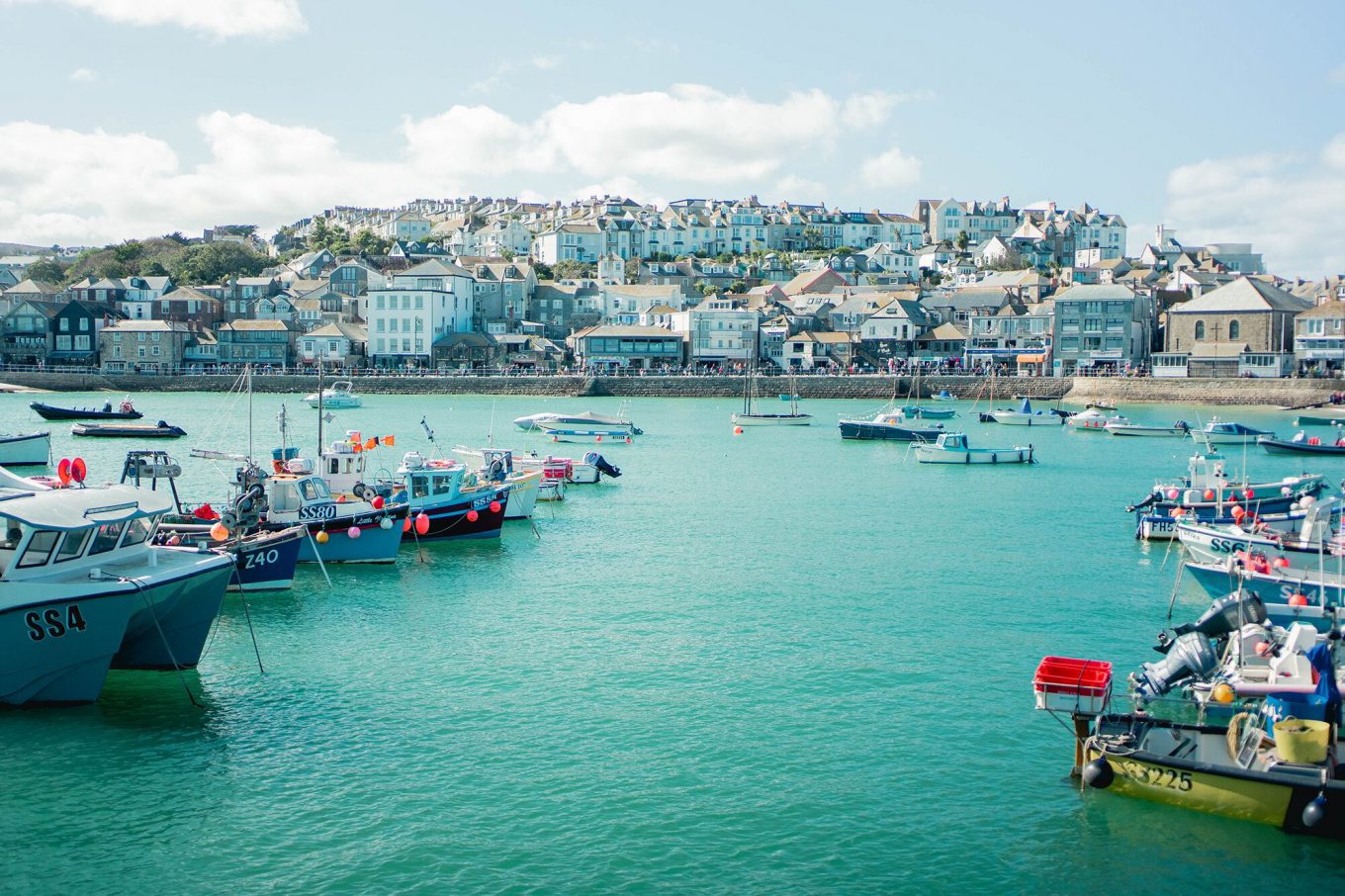
    St Ives is one of the most idyllic and Instagrammable seaside towns in Cornwall. Once a fishing village, the harbour makes for the most wonderful photos and view to enjoy with an ice cream from Moomaid of Zennor. 

    I won’t say more about St Ives because I have a full guide on visiting this beautiful coastal town which I want you to read as I so kindly made it for you, so click here for 10 things to do in a day at St Ives, Cornwall. It covers everything from where to get your morning coffee to kick off the day to where you can go to spot seals.

    7. Lizard Point

    Right at the end of the Lizard Peninsula, Lizard Point is the southernmost point of mainland Great Britain. Take the South West Coastal Path from Lizard Point to Kynance Cove for sweeping views of the craggy coastline. The walk will take 45mins – 1 hour one way and will offer plenty of spots to take beautiful photos whilst giving you a healthy dose of exercise.

    PFH Fun Fact:

    The biggest rescue made by the RNLI was made here in 1907 along with three other lifeboat crews. Over 16 hours they rowed back and forth to return 456 passengers from SS Suevic safely to shore.

    8. Kynance Cove

    Kynance Cove is known for it’s array of serpentine rock formations that create a complex coastline of sea stacks, islands and caves. At low tide a white sandy beach is revealed, which unfortunately we did not get the chance to see, and when the sun touches the water it lights it up to a glassy turquoise similar to that of Porthcurno on a sunny day.

    Even if the tide is in you can still roam the cliffs and enjoy the view.


    Do more on & for the planet, Gabriella

    Pin this post


  • 10 things to do in a day at St Ives, Cornwall

    10 things to do in a day at St Ives, Cornwall

    St Ives is a seaside town in southwest Cornwall famous for its sun-trap harbour lined with restaurants and bars, art scene with more galleries than you can shake a paintbrush at – including Tate St Ives – surf beaches like Porthmeor and beautiful turquoise waters.

    Originally a fishing village, St Ives is now a seaside resort and is top of everyone’s Cornwall bucket list. Why? Because it’s a cute town with independent shops, pretty views and so many places to eat you’ll want to come back to try more. On that note, spending a day in St Ives by my guide involves a lot of eating so bring your stretchy pants, okay?

    What to pack in your bag for a day in St Ives


    • Reusable coffee cup – to responsibly get your hot drink to-go


    • Towel – to sit on when you’re on the beach


    • Face mask – to cover your face to protect others


    • Hand sanitiser – to protect yourself and others


    Remember to always wear your mask indoors and sanitise/wash your hands as often as possible.

    PFH Top Tip: Keep your face mask on in slightly busier areas such as Fore Street and Wharf Road. Also keep an eye out for a sign in the shopfront that tells you how many customers are allowed in at one time.

    1. Arrive early to get parked

    I guarantee if you ever hear someone recommending a day in St Ives, you will hear them say you must arrive early by car if you have any hope of getting parked. With roads barely wide enough for a single car, corners so tight you can’t but hold your breath when you creep around them, there’s very little parking opportunities in St Ives so the car parks fill quickly. 

    If you plan on driving you must arrive to St Ives before 8.30am to get a spot for your car. 

    The car park we used was The Island Car Park and it cost £8.20 to park all day.

    If you aren’t able to drive you can use the bus and train service. I’ve heard from a friend that the train ride in from St Erth is very scenic.

    2. Get coffee from Yallah 

    So I’ve made you arrive early to St Ives to get parked but you’re like, ugh Gaby, none of the shops are open yet. Make your way to the Yallah Kiosk on Wharf Road and grab a coffee to-go, they will make your coffee in your own reusable cup (yay!) so make sure to hand it over. Click here to read Yallah’s sustainability report.

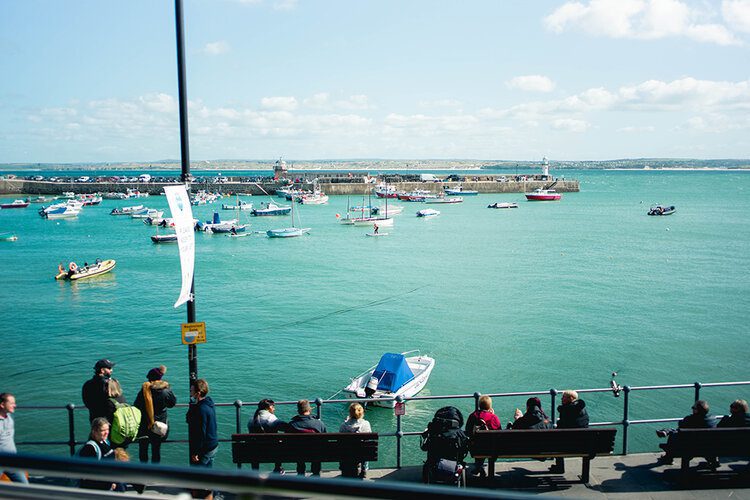
    Take your coffee to one of the benches on the other side of the road and gaze across the harbour at all the little boats bobbing around in the cool clear waters, waiting for the late morning sun to reach them.

    3. Try to spot seals from Smeaton’s Pier

    Take a leisurely stroll over to and along Smeaton’s Pier for a chance of spotting a seal. Catching a glimpse of a seal around St Ives is possible but known to be quite rare unless you take a paid boat trip over to Seal Island.

    Either way it’s a nice little walk to kill time before the shops, galleries and museums open, plus it provides the perfect spot to take a photo of St Ives with the little harbour in the foreground which you can see below.

    4. Visit Tate St Ives

    If you want to step up your gallery game (it’s possible that there’s almost as many galleries in Cornwall as there are Cornish pasties) then book tickets for Tate St Ives. Tate St Ives is an art gallery located just off from Porthmeor Beach that showcases a collection of modern art with local ties.

    The current exhibition “Modern Art and St Ives” is the first that you’ll visit and tells the story of modern artists who are connected to St Ives including Barbara Hepworth, Patrick Heron and Alfred Wallis.

    Hungry for more? Then head on over to the Barbara Hepworth Museum and Sculpture Garden. If you purchase a ticket here first, it’s a little pricer than the Tate ticket but it includes entrance to Tate St Ives.

    Opening hours

    Monday to Sunday 10.00–17.20

    Ticket cost

    Adult £9.50

    Children get free access

    Student £8.50

    Senior (60+) £8.50

    Job seeker £8.50

    People with disabilities £8.50 (companion gets free access)

    Accessibility 

    Each floor is accessible by lift.

    Three wheelchairs are available.

    Accessible toilets are located on the third floor.

    Large print guides printed on yellow paper are available upon request.

    A 10 min audio introduction that describes the architecture is available upon request.

    Guide dogs, hearing dogs and assistance dogs are welcomed.

    COVID-19 restrictions

    Please use the provided hand sanitiser before and after entering.

    Observe the one way system.

    Wear a mask at all times indoors.

    Please stay 1-2 metres away from others.

    5. Explore the nooks and crannies

    With its narrow winding streets that offer glimpses of the sea it’s easy to find charm in exploring the nooks and crannies of St Ives. Stumble across a cute cottage or two, an independent gallery and keep an eye out for special spots that looks like you could be peeping out at the shoreline of Positano. 

    6. Pick up a Saffron Bun from Ferrell S H & Son

    A saffron bun is a spiced bun similar to a tea cake. Yellow in colouring, thanks to the saffron, it sits proud and easily identifiable in the shop window of Ferrell S H & Son’s bakery on Fore St, a family run bakery that has been there since the 1960s.

    It’s a traditional Cornish treat and is up there on the must-try-whilst-in-Cornwall list that also includes:


    • Cream tea with Cornish clotted cream (preferably Rodda’s)


    • Cornish pasty


    • Yarg (cheese)


    Heads up, despite the C-19 pandemic, Ferrell S H & Son only accepts cash so have some to hand to get your bun.

    7. Shop on Fore Street

    Whilst on Fore Street, enjoying your saffron bun, potter around the shops. Here you’ll find some of the best independent shops in St Ives including all things surf, seaside themed and rum/gin focused. My favourites along this little street are:

    John’s Liquor Cellar

    Shopping in John’s Liquor Cellar is like stepping into a cave full of intoxicating treasures including locally crafted beers, wines and ciders but most importantly (for me anyway) gins. You’ll find a vast selection of local gins such as Tarquin’s, Trevethan and St Ives in all their available flavours including Trevethan’s pink grapefruit and lychee or Tarquin’s rhubarb and raspberry. They even sell miniatures so you can grab some souvenirs/stocking fillers for friends and family back home.

    Myrings of St Ives fudge and rock shop

    Myrings’ fudge recipe has been passed down through generations for over 30 years. It’s the perfect spot in St Ives to pick up a sweet treat for yourself or a loved one. 

    Cornwall soapbox

    Pick up some handmade soap, a shampoo bar and a candle to match from Cornwall Soapbox. Each soap is made with pure essential oils and organic African Shea Butter. They each smell amazing and even better, they reduce your plastic packaging waste as they’re wrapped in paper.

    The Sewing Room

    It won’t come up on google maps but it’s a little knitting and crochet shop selling needle, hooks, patterns and wool/yarn which will inspire you to make something or pick up kits as gifts for others.

    Yummy Scrummy Bakery

    Pick up a giant iced bun topped with hundreds and thousands before they sell out to the masses!

    8. Get ice cream from Moomaid of Zennor

    “Legend has it that a young Cornishman was lured into the sea by the beauty of the Mermaid of Zennor. Today you’re more likely to be seduced by Daisy, Primrose and Sid Vicious – just three of the cows that help make Tremedda Farm’s ice cream. They are the legendary Moomaids of Zennor.” – Moodmaid of Zennor.

    Once you’ve been into all the wonderful independent shops on and around Fore Street, pop into Moodmaid of Zennor for some locally made Cornish ice cream. Their ice cream is made with fresh ingredients and in small batches so they can ensure only high quality ice cream is going from scoop to tummy. 

    Their flavours run from traditional vanilla clotted cream to salted almond praline. Take it in a cone or a tub dressed up with the likes of brownie chunks and a stick of fudge. 

    WARNING! Cornish seagulls are buttheads and will take the food from your hand mid-flight. Whilst eating lunch on the beach in Port Isaac, a cannibalistic seagull took half of Michael’s egg mayo baguette from his hand and swallowed it whole as we looked on in horror. Be so careful with your ice cream when you eat it okay? Walking around with food by the shoreline in Cornwall is like entering shark infested waters with an open wound. Alright, even without my exaggeration I still advice you to eat quickly.

    9. Sit on the beach

    If it’s a lovely day out then spread out a towel on the sand and either lay back and soak up some rays of sunshine on Porthgwidden Beach or watch the surfers catching waves on Porthmeor Beach.

    10. Get dinner at Porthminster Kitchen looking out on the harbour

    Porthminster Kitchen is located on Wharf Rd and has an amazing view of the harbour, and oh, when the sun hits the water and it lights up to an electric cyan blue, it feels like you could be anywhere in the Mediterranean.

    The menu features dishes inspired by global cuisine but made with locally sourced Cornish ingredients. They’re sure to tickle your seafood fancies with a wide choice including scallops, squid, clams, mussels and more!

    If you’ve been around here for a while then you’ll know I’m somewhat partial to some fish and chips (fish and chips are life) and of all the chippies in all the land, I have never had mushy peas as good as I have at Porthminster Kitchen. Their spiced peas are like two fish and chips classic sides in one: mushy peas and curry sauce!

    Make sure to book in advance if you’re going to St Ives during peak spring/summer to avoid disappointment, card details are required to make the booking and you will be charged £15 if you don’t show for your booking without prior warning. If it’s forecast to be a sunny day, see if you can ask for a table outside.

    PFH Top Tip: if you can’t get booked into the restaurant for dinner, consider lunch at their café, Porthminster Café, located on Porthminster Beach.

    COVID-19 restrictions


    • Wear your face mask until you are seated at your table and make sure to wear it if you leave your table


    • Pay for your meal by contactless card


    • Observe the one way system


    • Try to keep a distance from others in the restaurant when you’re not at your table


    Travel safely,

    Gabriella

    Pin this post