Tag: Checklist

  • What to wear in Iceland packing guide

    What to wear in Iceland packing guide

    With Iceland making it onto the 2021 travel green list I wanted to put together a quick packing guide for clothing that will keep you warm and dry in Iceland’s forever changing weather, whilst also keeping your luggage light and compact. 

    “If you don’t like the Icelandic weather, just wait five minutes” – Iceland.

    If you’re not used to travelling places where the weather changes often but never makes it into the  20°C (low 70s in Fahrenheit) then this packing guide will help you with what to wear to stay warm and comfortable in Iceland so the only thing on your mind is adventure.

    I am not partnered with any of the brands in this blog post but you will find me recommending them as they are what Michael and I own and frequently travel with. I’m only recommending the brands whose clothes wash well, last a long time and are reasonably priced. Don’t forget to look on Depop and eBay etc. for second hand clothing and there is always the option to do what I have done for trips like this which is to borrow clothing and outerwear from friends and family to save money whilst being more mindful of the planet. Got any friends who regularly ski? Great, now’s the time to shoot them a message.

    Here’s what I recommend packing to wear on a trip to Iceland to stay warm.
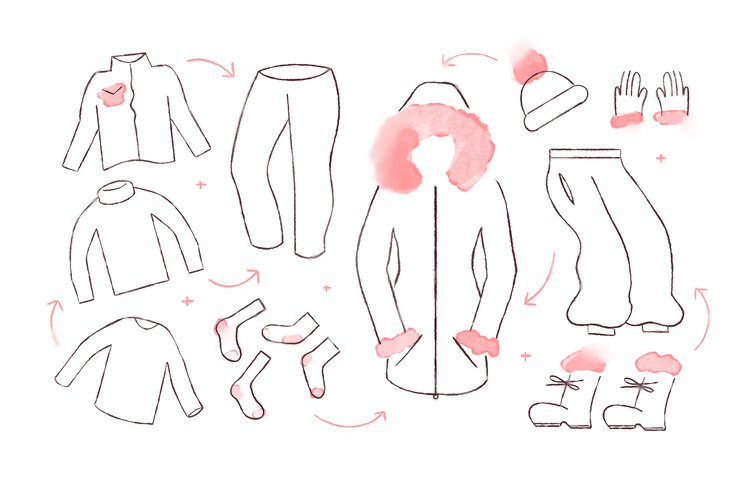
    Thermal base layer 

    My biggest mistake in packing for colder places such as Canada or Scotland has been not taking enough thermal base layers. The layers that go on top such as fleeces, jumpers and coats can be worn multiple times but I find wearing the same base layers without washing is like wearing the same pair of undies 2 days in a row. Maybe I’m just stanky, whatever, either way I advise having 2-4 minimum thermal base layers.

    They’re lightweight and it means you can stay warm under any layers you already own to save having to buy more clothes.

    For those reading this that wear bras, you can save yourself some space by packing thermal base layers with bra support sewn in.
    Fleece

    A fleece is a lightweight and breathable layer that will keep you warm by trapping air in the pockets of its fibres. There are varying weights and looks of fleeces so it’s up to you what you go for. I’ve found the mountain warehouse Camber half zip fleece to be great for fitting comfortably under tighter coats and it’s super compact in luggage, but the bulkier fluffy fleece jacket from Uniqlo is so cosy and can be unzipped if I get warm. 

    Thermal fleeces don’t necessarily need to come in the form of a jacket or jumper, you can travel extra compact with a fleece turtle neck. If I know the weather is going to be particularly cold I will wear a thermal base layer with a fleece turtle neck and a fleece jumper or jacket over the top, under my coat.

    If you don’t already own fleeces then don’t feel like you need to buy them, you can save money by wearing a jumper with a thermal layer underneath. Fleeces are great though for insulating whilst being a light layer so consider one next time you need a new jumper if you’re looking for warmth and comfort.

    Thermal leggings or long underwear

    I recommend wearing either thermal leggings or trousers with long underwear underneath rather than something like jeans. Jeans take much longer to dry when wet and as it can be sunny one moment and snowing the next in Iceland you don’t want to spend your time there uncomfortable.

    Michael and I have thermals from Uniqlo and Mountain Warehouse but the best pair I’ve ever owned were from Calzedonia which I really wasn’t expecting but I’ve worn them non-stop through the winter.

    A tip for those who wear tights – to save money on thermals get a pair of thermal tights to wear under your trousers. Not only do they provide a slim extra layer of warmth but they’re a base pair of socks too! Plus you have the versatility of wearing them as tights.
    Waterproof over-trousers

    I swear there are very few things in life that will make you feel more invincible than wearing effective waterproof clothing in adverse weather conditions. Seriously, I might look like I’m wearing a bin bag but when I have my waterproof over-trousers on I feel better than every other human being on the planet and I don’t care how that sounds because I’m not soggy and miserable.

    I chose to purchase waterproof over-trousers before my round the world trip in 2016 because I didn’t think the actual waterproof trousers were flattering, but I wanted to keep dry and they are one of my favourite purchases ever. They pack down smaller than a water bottle when I’m not using them and when I do need them I just unroll them and slip them over whatever I’m wearing and I’m dry. My pair from Mountain Warehouse have slits on the side so I can still access my pockets (if I actually have them to begin with, you get me) and are adjustable at the bottom so I can slip them over my feet without needing to take my shoes off. Over-trousers are also great because you can take them off when you get to your destination so you don’t have to sit in wet clothing. I swear if I had these back in 2015 to go between the tube and the office when I was working a corporate job in London, I might have actually been good at my job…

    My waterproof over-trousers have saved me all over the world, from keeping my butt dry whilst hiking the Tongariro Crossing in New Zealand to keeping my butt dry on outdoor rides at Disneyland Paris on a rainy day, but they were particularly handy in Iceland because I could throw them over any of my bottoms to keep dry whenever the snow started. They also act as an insulating layer and were welcomed at 1am between snow flurries whilst waiting for a chance to see the Aurora Borealis (Northern Lights).

    Waterproof over-trousers are also a good idea to have if you’re still not budging on wearing jeans in Iceland.

    Hiking socks or ski socks

    In Iceland and other cold climates I wear either a pair of regular socks or my thermal tights with a thick pair such as these outdoor socks from mountain warehouse or a pair of the same ski socks I’ve had since I was 13 years old over the top.

    Worn under hiking boots or snow boots, these have been enough to keep me warm. By wearing two pairs of socks, it not only provides an extra layer of insulation but it means I can take more regular socks which pack into smaller spaces and less thicker socks as I can get a couple of extra days wear out of them before they need washing.

    Snow boots

    Before going to Iceland I borrowed snow boots from my Mum and apart from the one pair of shoes I took to wear for dinner at Lava, the restaurant at Blue Lagoon, they were the only pair of shoes I wore all trip. It’s probably the only trip that I’ve only brought two pairs of shoes and I really didn’t need anything else.

    If you do find yourself needing more shoes, travel in your boots to save space in your luggage.

    Snow boots are my best recommendation because they insulate, they have good tread and they’re waterproof but if you don’t have them and can’t borrow them, rain boots or hiking boots will do the job with thick socks.
    Coat

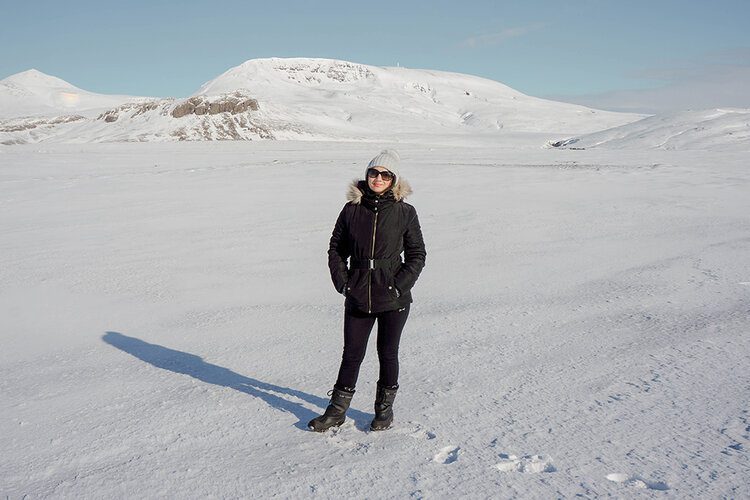
    You want to be pretty serious about your coat for a trip to Iceland if you want to be warm, comfortable and dry. You don’t want something thin like a trench coat or one that won’t dry quickly when it suddenly snows, so any kind of faux fur/teddy bear coat is out of the window. You want something with a hood to prevent snowflakes from getting down your neck and some kind of insulation against cold winds.

    The best coat choices for a trip to Iceland are:


    • A waterproof coat that has a fleece lining, even better if it’s detachable so you have more options in one garment. Michael has this 3 in 1 coat from Mountain Warehouse and it has kept him dry all around the world.


    • A puffer coat that is waterproof, the longer the better.


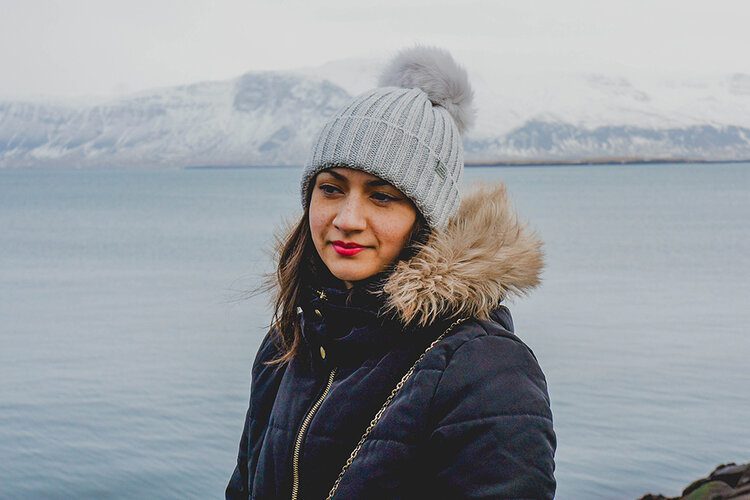
    If you have one with a faux fur trim around the hood that will do well in Iceland too as the furry trim will catch snowflakes around your face, keeping them out of your eyes.
    Hat and gloves

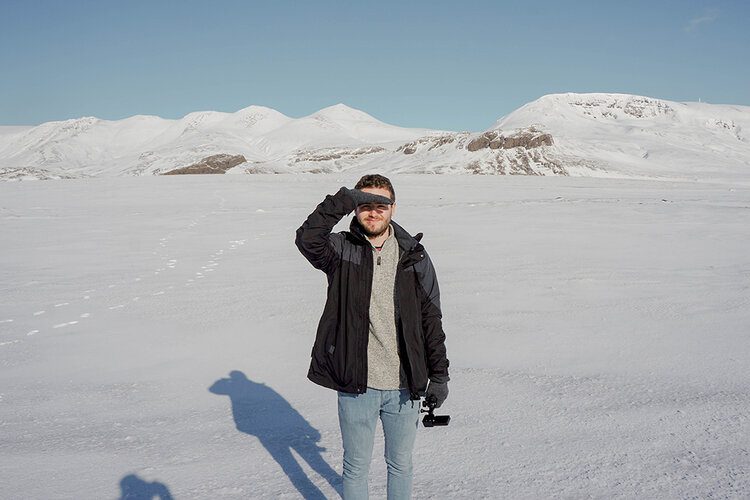
    Depending on the time of year you go to Iceland, you may not need gloves, but if you are travelling there outside of summer then my advice is just to pack ski gloves as anything less won’t really keep the chill out and I’ve found mine to be useful on so many trips or even just when it snows in the UK and I want to throw snowballs at Michael.

    Keep your head warm and ears protected from the wind with a beanie hat. 

    Want to know how to make your own wooly hat that’s perfect for your travels to Iceland or cooler climates? Check out my crochet beanie hat tutorial which has a free pattern, a step-by-step guide and a YouTube tutorial so you can stitch along with me.

    Planning a trip to Iceland? Take a look at my Reykjavik itinerary for inspiration including Blue Lagoon, the Golden Circle and spotting the Aurora Borealis.

    Do more on & for the planet, Gabriella

    Pin this post


  • Eco-friendly Airbnb packing checklist

    Eco-friendly Airbnb packing checklist

    You may or may not know that I was supposed to move to Canada on 13th April 2020. I was just a few weeks away from my moving date when the news came that the worldwide spread of the coronavirus meant that the border needed to close. With most of my belongings packed up ready to be sent overseas and nowhere to live other than temporary accommodation we decided that as soon as the restrictions lifted we would hop around Airbnbs with the few belongings we had access to, waiting for each monthly announcement in the hopes that the border would open for us again. As the announcements are every month and there’s no indication as to which way it could go, we have entered an indefinite state of uncertainty as to where we can live for longer than 30 days. So with that on our minds, we chose to live week-to-week, safely exploring parts of England I always wanted to but hadn’t previously made the time to do so before moving.

    To prevent the need to eat out, not just to save money but because we didn’t want to be around too many people during a pandemic, we wanted to book accommodation that had a kitchen and that could feel like a home, particularly whilst we didn’t have one. This lead to us staying in various Airbnbs across England.

    Doing this meant I worked out what I needed to travel with to make life easier living with the uncertainty of what the next Airbnb would provide by having it already to hand, but also having environmentally conscious products so that even if the Airbnb provided it, I had a plastic-free/responsible/sustainable alternative.

    So now I’m sharing my checklist with you for what I recommend packing for a comfortable and eco-friendly stay in an Airbnb. As much as this blog post is about making sure you are prepared in case your host hasn’t provided some basics such as salt and pepper, soap or towels, it’s also about being equipped with environmentally conscious alternatives so that you aren’t using single-use plastics or harmful chemicals.

    If you’re an Airbnb host then I’m so happy to have you here! I hope that you pick up some tips on what sustainable swaps you can make to provide a more environmentally conscious experience for your guests.

    Kitchen 

    Dish soap and brush/sponge/cloth

    Pack a bar of dish soap along with your choice of eco brush, sponge or cloth (these could be made from coconut, cotton or bamboo) because if your host has provided washing up liquid and a sponge the chances are it won’t be eco friendly.

    The benefits to using solid dish washing soap:


    • Vegan


    • Organic


    • Free from palm oil


    • It will also last far longer than liquid soap, so you get more washes out of it


    • No plastic packaging and any packaging is recyclable


    Tea towel

    Packing a tea towel is less about there not being one at the Airbnb you’re staying in but more about the quality of the one they’ve provided for you to use. Out of all the Airbnbs I’ve stayed in only two places had decent tea towels, the rest only provided one and they were those awful thin ones that don’t absorb any water and leave fluff all over the thing you’re trying to dry. 

    Your alternative is to let things drip dry but I’ve noted that not every Airbnb provides a drying rack, so you have to do the drying, and now we’re back to square one in needing a good tea towel.

    Try to avoid the dishwasher, especially if there’s only a a few things going in there. It’s a waste of energy and water.

    Seasoning

    Personally, I think if a host provided at least salt and pepper to season your food then they’re a decent human being. It’s inexpensive but goes a long way for making guests feel at home when they can make food that doesn’t taste like eating cardboard. Unfortunately not every host provides this so pack some with you, along with your favourite seasonings to bring life to what you cook.

    To save on packing, bring a combined seasoning like this Hawaiian seasoning that has garlic, salt, pepper and ginger.

    Remember to reuse your containers! You can even use it to make your own seasoning mix!

    Cooking oil

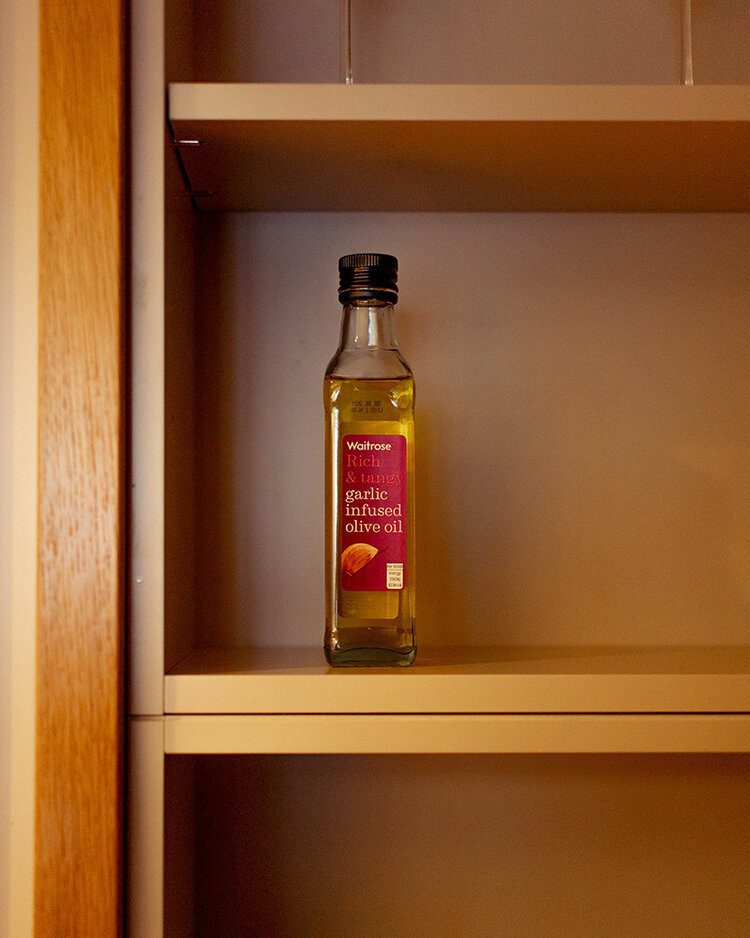
    Similar to seasoning, a considerate Airbnb host will provide oil for cooking but it isn’t a given. To bring more flavour to your cooking, bring an oil that has been infused with an additional herb such as garlic, basil or chilli.

    If you’re buying bottled oil, choose glass over plastic and reuse the bottle. I would normally have my reusable oil pourer bottle which I pop a few garlic gloves or rosemary, sage and thyme in to infuse it myself, but it was in storage (ready for our move to Canada) at the time of publishing.

    If you want to save on the amount you’re packing/buying then you can always use butter/spread to cook with.


    Tea and coffee

    Not every Airbnb provides tea and coffee but if they do I am absolutely certain they will be provided in single use sachets or pods which contributes to more plastic waste. 

    Bring loose tea from home so that you can start the day with your favourite cuppa and avoid plastic packaging and plastic teabags.

    Did you know that half of the leading UK teabag brands contain polypropylene, a plastic that won’t biodegrade? With over 10 million mugs of tea being made a day in the UK, that’s a catastrophic amount of plastic tea bags that will sit on our planet for thousands of years to come.

    Unfortunately not all bags that coffee grounds come in can be recycled so if you are purchasing these then shop from a local or independent coffee shop who has sourced them sustainably so you are at least protecting the environment in another way and supporting a local business.

    If you’re a coffee snob, travel with a WACACO Nanopress portable espresso maker so that you will always get a high quality shot of espresso and can avoid the temptation of coffee machines that use non-biodegradable pods.


    Candle and matches

    Lighting a candle will help to get rid of smells when you’re cooking. You might think this is a little extra and a candle with the means to light it wouldn’t usually make your packing list, but if your Airbnb is a studio then it will help to prevent your clothes smelling like a fry up.

    I love lavender candles but if you’re cooking something particularly potent such as bacon/vegan bacon or onions then choose a citrus scented candle to neutralise the smell of your cooking.

    Yes, matches are made with our precious trees, but they are a more sustainable alternative to a lighter as those are made from plastic and metal and will never biodegrade. Second to this, because lighters are made from mixed materials, they aren’t recyclable. 

    View this post on Instagram

    A post shared by 4ocean (@4ocean)

    A candle also fits into the comfort category below as it is a moment of self care that we all deserve when taking a break from our regular schedule.

    Subscribe to Postcards from Hawaii at the bottom of this page to learn how to make your own candles.

    Swiss army knife

    A Swiss army knife is always a wise thing to travel with (in checked luggage) for obvious reasons from needing to cut something to opening a wine bottle. 

    My particular reason for recommending you bring one is that not all Airbnb hosts provide a sharp knife and aside from burning your food, there’s nothing more frustrating when cooking than not being able to successfully chop it up. A Swiss army knife provides you with a knife without needing to carry around a big kitchen knife.


    Beeswax wraps

    Cooked extra and need to put your leftovers somewhere and the Airbnb you’re in doesn’t have any food containers? Beeswax wraps mean you can easily wrap up food or cover a bowl for the next day. They also come in handy for a sustainable packed lunch if you plan on making sandwiches for on-the-go.


    Food storage containers

    Whether it’s a fancy glass one with a bamboo lid, a repurposed butter tub or a plastic tub from an old take-out order, packing a couple of reusable food storage containers means you can store your leftovers in the fridge or freezer (depending on how long you’re staying). 

    You can even use these to pack up a salad for a cheap and sustainable lunch on-the-go whilst you explore wherever it is you’re staying.


    Bathroom 

    Toilet roll

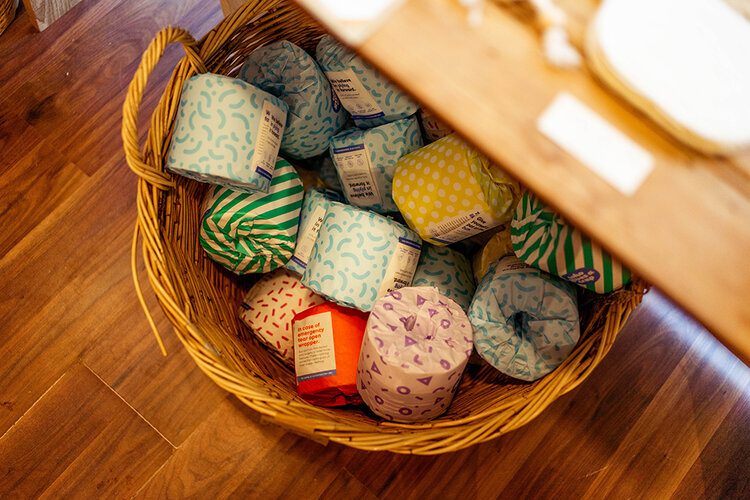
    I really think not supplying at least two rolls of toilet roll is a cruel joke but some Airbnbs, believe or not, don’t provide any and rarely is it enough to last you and your fellow guests more than a few days. Be prepared with your own toilet roll, and better yet, buy it from an eco-conscious brand like Who Gives A Crap who make 100% recycled toilet paper wrapped in recyclable (plastic-free whoop whoop) packaging!

    Soap

    Pack a bar of soap to wash your body in the shower and your hands at the sink to prevent needing to use what will probably be a plastic bottle of liquid soap. 

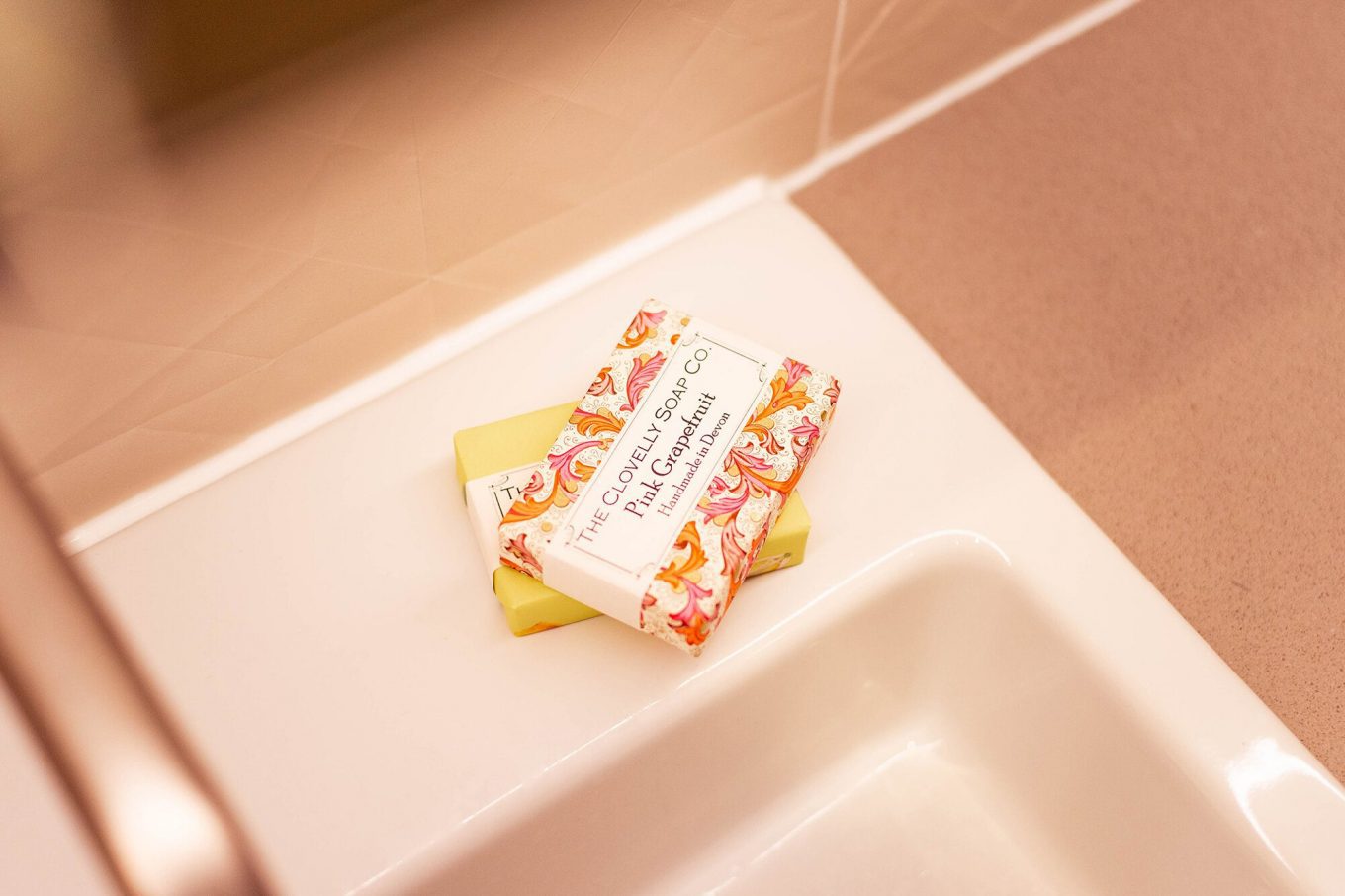
    Handmade soaps from independent retailers are always a good purchase on your travels, they’re a souvenir that won’t gather dust in a draw somewhere plus they help to protect the planet from further plastic waste. I picked these bars up from Clovelly Soap.

    Shampoo and conditioner

    Sometimes a bottle of shampoo and conditioner is provided but it will be a plastic one or worse, mini plastic bottles, so avoid using these by bringing your own solid hair products.

    As a curly haired gal using the Curly Girl Method to revive my hair I appreciate that most solid shampoos contain parabens and sulphates that we don’t want drying out our curly locks, so bring your preferred hair products to prevent an attack on your scalp. 

    Towel

    Before packing a towel, double check if your Airbnb provides them. Most Airbnbs do and will list it under the essential amenities along with toilet roll and soap if they are providing them, but if they aren’t then you don’t want to be caught out.

    If you have one, pack a microfibre towel to save space.


    Hairdryer

    It’s rare that an Airbnb will have a hairdryer for you to use but if it does have one it will be listed on the Airbnb’s amenities. I can tell you with 99.9% certainty that even if they did provide one it won’t be accompanied by a diffuser for curly hair. So if you, like me, want to style your curls or maybe you want to dry your hair quickly in winter I suggest bringing your own hairdryer with attachments.

    This is a big difference between hotels and Airbnbs and something that unless your hair is textured, might not cross your mind.


    Laundry

    Laundry detergent 

    If you are staying in an Airbnb with a washing machine then SCORE! The chances of being provided with detergent is pretty darn slim though and only once has it been powder, the rest have been pods or tablets. Individually wrapped tablets are usually wrapped in plastic and pods though dissolvable contain harmful chemicals to wildlife, so though you don’t see the harm when you wash your clothes, the toxic water leaving your washing machine is going out to aquatic life. Never mind the fact that they all come in plastic bags. 

    Avoid tablets and pods by bringing eco-friendly laundry detergent strips.

    The benefits to using laundry detergent eco-strips:


    • Vegan


    • They are flat so they are perfect for packing


    • They are completely dissolvable and biodegradable


    • Phosphate-free


    • Paraben-free


    • No plastic packaging, the packaging is recyclable


    Washing line

    Maybe you’re lucky and the Airbnb you’re staying in has a clothes horse, but maybe you’re not and now you’re stuck dodging the clothes you’ve hung up everywhere you can because you want to avoid using the tumble dryer. Well, having a portable washing line means you can easily hang your clothes out to dry in the bathroom.

    A travel washing line is also useful for when there isn’t a washing machine and you want to give your undies a quick wash in the sink (pssst the eco-strips mentioned above are good for doing that. Tear them to use less on smaller washes) then hang them up to dry. 


    Comfort

    Google Chromecast

    Not all TVs are smart, which isn’t a bad thing, it means that people are using the old TVs until they don’t work anymore which is better than upgrading and wasting what you already have. It does mean however that you’re stuck with your bog standard channels and if it’s not a night where the The Great British Bake Off or The Bachelor (look at me making pop culture references without having watched them) isn’t on, then you’ll be forced to watch one of the 76 game shows that are always on air.

    Pop in your Google Chromecast/Fire Stick/Streaming thingy-ma-bob and you’ll be able to continue watching whatever you’ve been binging on Netflix, or whatever.

    If you don’t have one and won’t make use of it then obviously this isn’t important so just forget I ever said it okay? Cool.


    Slippers

    Despite being charged a cleaning fee, you can’t always guarantee that the floor has been cleaned, so bring a pair of slippers to protect your socks from getting grubby. Also if the floors are cold they will keep your feet warm and provide a sense of home comfort.

    To make things easier for you, copy and paste the checklist below so that you can drop it into your own packing list or use my interactive packing list here.

    Eco-friendly Airbnb packing checklist

    ☐ Dish soap
    ☐ Brush / sponge / cloth
    ☐ Tea towel
    ☐ Seasoning
    ☐ Cooking oil
    ☐ Tea and coffee
    ☐ Candle
    ☐ Matches
    ☐ Swiss army knife
    ☐ Beeswax wraps
    ☐ Food storage containers
    ☐ Toilet roll
    ☐ Soap
    ☐ Shampoo and conditioner
    ☐ Towel
    ☐ Hairdryer
    ☐ Laundry detergent
    ☐ Washing line
    ☐ Chromecast
    ☐ Slippers


    I do understand that buying eco-friendly products is more expensive than buying those that aren’t, so please don’t feel guilty if you don’t have the budget to afford some swaps. Instead, start by using up what you already have and find a way to repurpose it. For example, wash out a butter tub and use it for leftovers or wash the sandwich bags you already have to reuse if you aren’t able to purchase beeswax wraps. To quote Tesco, “every little helps”.

    Gabriella

    Pin this post