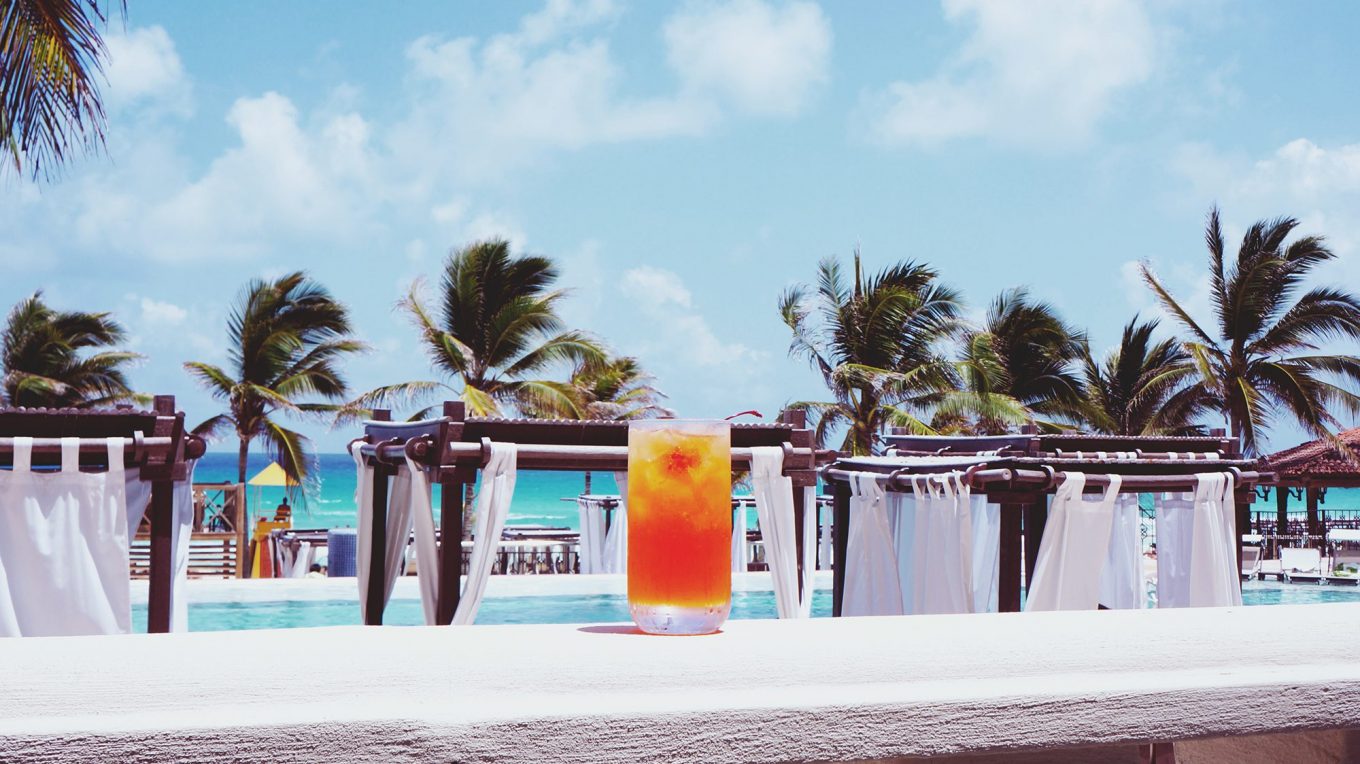
As the first Food & Drink entry into Postcards from Hawaii, I’m sharing recipes for five cocktails inspired by my travels around, but in particular to Singapore, Hawaii, Brazil, Mexico and France. From sweet game-changer classics such as the Singapore Sling, to bitter eye-openers like a Caipirinha, there’s a drink here for every intoxicated mood.
Each recipe below makes one glass.
1. Singapore Sling
Origin: Singapore
In 1915, Ngiam Tong Boon, a bartender at Raffles Hotel, created a tropical gin based cocktail disguised to look like fruit juice so that women had a socially acceptable way to drink alcohol in public, yes you read that correctly, way back when, it wasn’t acceptable for women to socially drink in public! Mr Boon deserves a lot more credit than he gets. Recently celebrating its 100th anniversary, this world famous cocktail is available in many variations at Raffles Hotel, Singapore, but of course the OG is the best. Should you get the change to visit Singapore, you must enjoy a Singapore Sling in the Long Bar at Raffles Hotel surrounded by piles of discarded peanut shells. Until then, here’s how to mix one up at home.
You can read more about the history of the Singapore Sling on the Raffles website.
Ingredients
30ml Gin
15ml Cherry brandy
7.5ml Cointreau
7.5ml Dom Benedictine
A dash of Angostura Bitters
10ml Grenadine
15ml Lime juice
120ml Pineapple juice
A handful of ice
Method
Put all the ingredients in the order listed above into a cocktail shaker.
Shake.
Add ice to your glass.
Strain into the glass.
Garnish with a slice of pineapple and/or a cherry.
2. Mai Tai
Origin: Maui, Hawaii
Fun Fact: The Mai Tai gets its name from “maita’i roa ae!” which in Tahitian means “the very best!”
There are many variations of the Mai Tai, most focus on making it sweet with a mix of pineapple and orange juices but the original 1944 recipe is as follows:
Ingredients
60ml Aged dark rum
30ml Lime juice
15ml Orange curaçao
7ml Orgeat (almond) syrup
7ml Simple syrup
2 Handfuls of ice
Method
Put all the ingredients in the order listed above into a cocktail shaker.
Shake.
Add ice to your glass.
Strain into the glass.
3. Caipirinha
Origin: Rio de Janeiro, Brazil
It’s the national cocktail of Brazil and famous for its simplicity and intensity. Its sole liquid ingredient is Cachaça, which is a Brazilian hard liquor made from sugarcane. Despite it being made from sugar cane, it doesn’t carry an intense sweetness as you would expect, it only took two of these to send my partner running off on his own into the sea on Copacabana beach to frolic in what was very cold water in the middle of winter though.
Ingredients
1/2 Lime cut into quarters
1 tsp Sugar
70ml Cachaça
A handful of ice
Method
Put the lime and sugar in your glass.
Add the ice.
Pour in the Cachaça.
Stir.
4. Tequila Sunrise
Origin: Cancún, Mexico
If you’re not up for tequila shots (I for one am haunted by my teenage escapades at the student bar) but don’t want to miss out on the fun, a tequila sunrise is a great way to sweeten up those otherwise bitter memories, sorry I mean shots of tequila by making it a long drink accompanied by a lot of sugar. Despite it being a ridiculously popular drink in the 70s, thanks to the Eagles and Rolling Stones, it actually originated in the 1930s.
Ingredients
45ml Tequila
90ml Orange juice
15ml Grenadine syrup
2 Handfuls of ice
Method
Put the tequila and orange juice into a cocktail shaker.
Add ice.
Shake.
Add ice to your glass.
Strain into the glass.
Slowly pour in the grenadine syrup and let it settle at the bottom.
5. Monaco
Origin: Paris, France
This fruity French beer cocktail makes drinking beer easier for those who aren’t keen on it. I came across this cocktail in a Parisienne café when it was recommended to me by a friend who knew I hated the taste of beer. It’s now my go-to summer drink.
Ingredients
170ml Pale ale
60ml Lemonade
45ml Grenadine syrup
2 Handfuls of ice
Method
Pour the lemonade and grenadine syrup into a cocktail shaker.
Add ice.
Shake.
Add ice to your glass.
Strain into the glass.
Pour beer on top.
.
So there you have it, five jet setter cocktails from around the world, which one will be your favourite?
Identity theft and bank fraud are stressful and mortifying things to happen. Suddenly someone’s wrongdoing become your living nightmare and the burden of recovering your money back ASAP takes over your life. It’s an awful thing to happen at any point in your life, but imagine it happening whilst your on the other side of the world with very little internet and won’t be returning back home for another 3 months…
Unfortunately for Michael and I, we don’t have to imagine it, because this actually happened to us when we were just one month in to our Round the World trip.
It was our last day in Australia before heading to New Zealand, we were just about to enter the Blue Mountains National Park when Michael got a text from his bank that had a mini statement saying he had spent money in ASDA a couple of days ago. Straight away this rang alarm bells because we had been out of the country for a month so there was no way he was spending money in an ASDA in the UK. Back then Vodafone used to charge to roam when you were anywhere abroad so we had to pay £5 to use data to get online to find the bank’s phone number to report fraud. After giving his security information he reported the fraudulent activity and they assured him the card had been blocked from use and that his remaining money will be protected whilst they looked into it.
The next day however, he called from NZ to check on the progress only to find out that the block was not in place and all of his money had gone. It took our whole road trip from Auckland down to Wellington – lasting about one month – of endless phone calls (most of which were either on hold for hours or disconnected altogether) before we found out that they had spent his money in stores, got cash back, changed all of his personal information (which then made it nearly impossible for Michael to get through to someone on the phone because he couldn’t prove his identity), added an extra person to the account and then cleared out the whole account.
Eventually, after two very stressful months and a whopper of a phone bill he got his money back.
Anyway, horror story aside, here are eight simple pointers for keeping your travel money safe whilst you’re abroad and how you can be prepared should something happen to it:
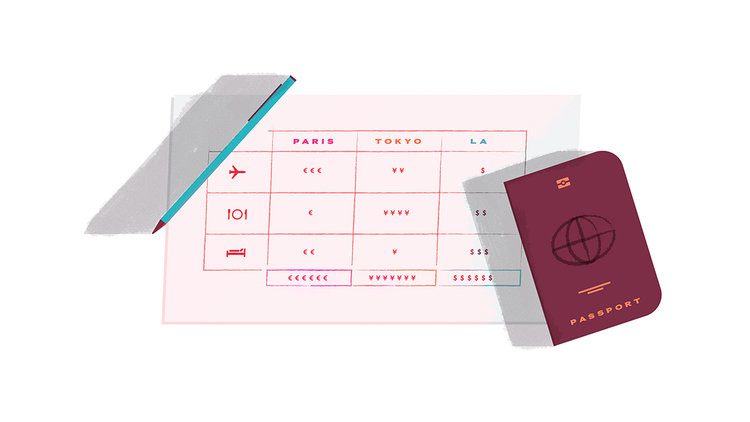
1. Write a budget
Whilst planning our Round the World trip, I made a spreadsheet that had the cost of every excursion and activity that we were doing, along with a rough food estimate, hotel prices and an allowance for shopping, souvenirs etc. From this spreadsheet I was able to calculate a rough budget for each destination so I could divide up all the money we had accordingly.
I now do this for every trip we make. Having a budget means you know how much money to put away, and it helps prevent you from spending more money than you anticipated. When budgeting I always round up and allow a little wiggle room because you’ll never know exactly how much you’re going to spend. Plus this way you have a chance to save money as you go.
2. Stash your cash in different places
Split your physical cash into different compartments across your luggage, so if something gets stolen, all of your money won’t be gone.
I usually split cash between my purse, my travel wallet (which are both in my hand luggage) then in two different purses in both sides of my suitcase. If I’m carrying a second piece of hand luggage I will put one of the suitcase purses in that instead.
True Story: Many years ago Michael once went on holiday with someone who was scared of leaving his money in the hotel room, so he kept every penny of it on him. On their first night out, he went to the toilet and got mugged, losing all of his money in less than 24 hours after arriving. Obviously I can’t imagine any of you would do something as daft as this, but it’s a good example of what can happen if you don’t divide up your money.
3. Split your money across bank accounts
Similar to above but this time it’s the money in your bank as opposed to your physical cash.
When we were gearing up to embark upon our Round the World trip in 2016, we split up our money across eight different bank accounts:
X2 STA cash card
X2 STA Eccount
X2 Debit Card (different banks)
X2 Savings Account (different banks)
Along with all of the above, I also had my credit card and I changed up about £20 in each of the seven currencies we needed, so we had taxi money to hand. Eight might seem a bit excessive but we were going away for 4 months and wanted to be safe. As you’ll have read above though, unfortunately you can never be too careful, but just imagine how stuck we would have been if most, if not all, our money was in that one account that got drained?
4. Learn your exchange rates
Know the exchange rates before you go away, this will save you from doing tricky maths with your fingers or wacking out your phone calculator before purchasing something. I always check what £1 and £5 is in the currency of the country I’m going to. I have found I can work out the price of something just from knowing these two. This is especially helpful if you’re bartering and don’t have time to work out the price with a calculator. It also helps to stop you from getting ripped off if you already have an idea of what something costs.
5. Get to know the money
Familiarise yourself with the currency so you know what you’re handing over. Take a look at the sizes of the notes and coins, look for identifying pictures or colours. For example, our fivers are small and green but our £20 notes are much bigger and purple. US dollars might all be green but they can be identified by the presidents on them, and each of the Australian quantities have individual colour schemes.
By familiarising yourself with the money you are already taking away one big tourist give away. It makes it easier and quicker to pay if you know what you’re handing over, plus haggling prices on markets is far less awkward if you know what you’re dealing with.
PFH Top Tip: Fold your notes separately in your purse/wallet and organise them by value so you aren’t pulling out a wad of cash wherever you are when you need to spend it.
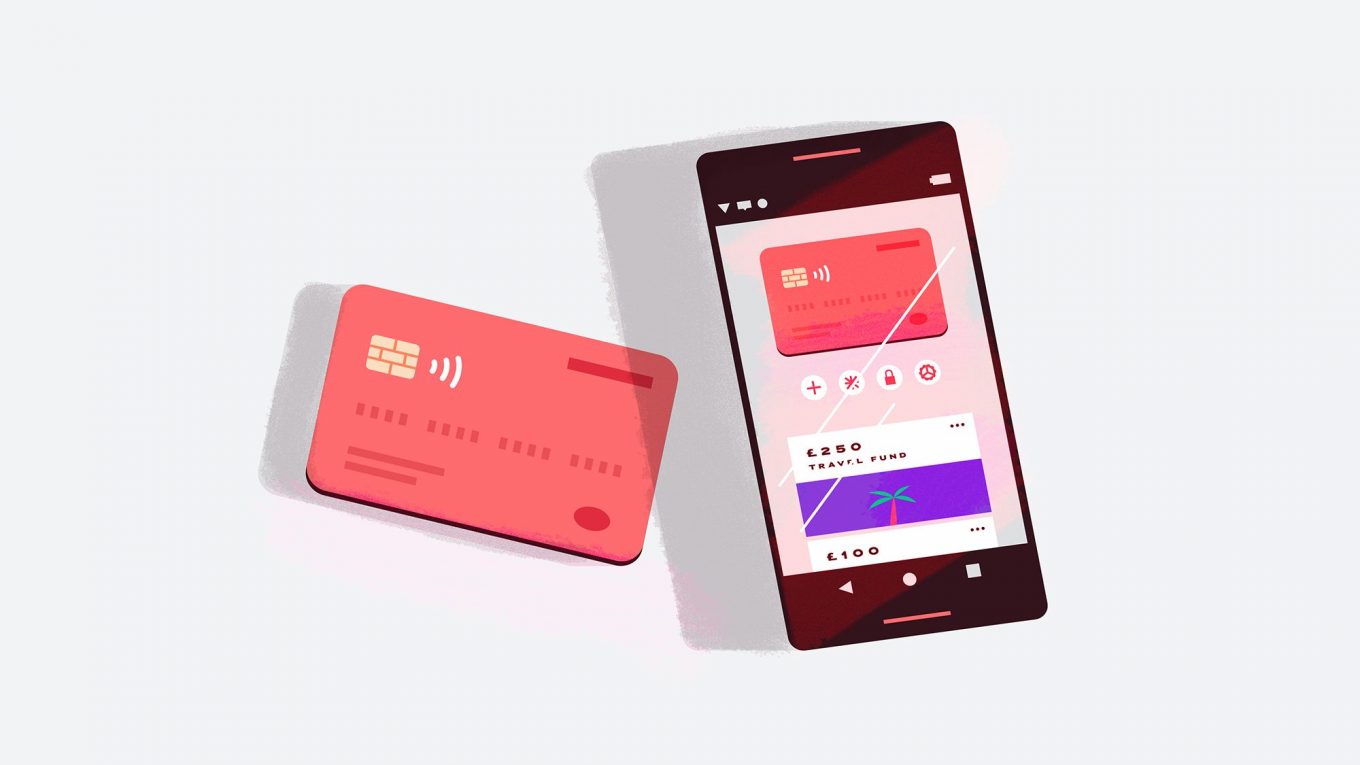
6. Consider a travel card
Travel cards are managed solely online are becoming increasingly popular and are a great way to manage your travel money.
My first one was the STA cash card, we were given it for free as we were booking such a big trip with them. At first it seemed like a great idea because it’s a MasterCard that you can pay with and withdraw money from for free when you’re abroad. I didn’t like using it though because the online log in is very complicated, it takes a minimum of four working days for your money to be deposited into the eccount, they charge you to look at your balance at any cashpoint and unless you are spending a large amount of money with them you have to buy the card.
I now use Monzo (yeah these are the guys with the very popular orange card) and Starling. I much prefer to use Monzo and Starling now because:
They have very easy to use apps which are password protected.
The apps have the option to make your own digital piggy banks for your different saving goals.
You don’t get charged to spend your money abroad.
Transfers are virtually immediate.
You get a notification as soon as you spend money, provided you’re online.
Unlike STA you can transfer money out of their accounts.
Extra bonus, they both have a really nice design and chances are you will be complimented for the colour of your card when you use it!
PFH Top Tip: Apply for Monzo and Starling as soon as possible and not just before your trip because they are in high demand and have a long waiting list. Monzo members are allowed to shortlist someone though so check to see if anyone you know has one.
7. Apply for a credit card
They aren’t necessary should you not want to or aren’t able to get one, but there are great benefits to getting a credit card for your travels:
Credit cards are like a safety net for your expenses should something go wrong.
Hotels require a bank card for incidentals (room service, mini bar etc.), some can be funny about accepting debit cards and prefer credit card.
Not all car rental companies will take debit cards and if they do, chances are they will carry out a credit check. Holding a credit card shows that you’re not a credit risk. You will find most rental companies will only take a credit card as insurance should you not return the car.
Some credit cards come with travel perks such as travel insurance, lounge access, hotel upgrades etc. It’s worth doing some research into the different companies depending on your style of travel.
PFH Top Tip: I recommend pre paying for your holiday – flights, hotel etc – with your credit card because should the company go bust before or during, you are protected by the Consumer Credit Act. This means the credit card company has equal liability should you not receive the service you’ve paid for. It’s added protection for your money.
Pay off your CC as soon as possible to protect your credit score. Remember it’s the bank’s money, not yours so don’t let the debt pile up, they should just be considered a back up plan in case of a problem.
8. Be prepared
When the fraudulent activity happened with Michael’s bank account, the people who did it had managed to change all of his personal information which then made it near on impossible for Michael to prove his identity over the phone and get his money back. For this reason I strongly recommend you name a trusted family member on your bank account, so that if anything goes wrong whilst you’re away, they can go in to your local branch and fix the problem with someone in person.
There’s not a whole lot of point in adding someone for smaller trips and holidays as it won’t be long before you will be home and therefore able to go into the bank yourself, but if you are travelling for a long time or moving abroad, I highly recommend you do it.
Either way, you should definitely write down or save the phone number for reporting fraud to your bank before you go, so that you don’t have to worry about getting online to find it. You can find the helpline on the back of your bank card but save it somewhere else in case you lose your card.
.
What I can say from this experience is no matter how careful you are, you really can’t prevent some things from happening, but these eight tips will help you to be safer and more efficient with your travel money.
TKTS is the official London theatre ticket booth and it is located right in the centre of Leicester Square. They sell discounted and full price tickets for matinee and evening shows for the day of, the next day and the day after that. Their website lists the shows available for those days but nothing is guaranteed until you are at the ticket desk.
If you are planning to buy tickets beyond the three days visible on the website and don’t know what’s on across London, you can take a look here on the official London theatre website to get an idea of what shows may be available on your dates.
Look for the red and white building, wrapped with fairy lights and topped with a little clock tower at the edge of the park. The queue starts from the side where TGI Fridays is.
Getting there
The closest London Underground station is Leicester Square which is on the Piccadilly and Northern lines. It’s just a 3 minute walk from the station to the booth.
Getting tickets
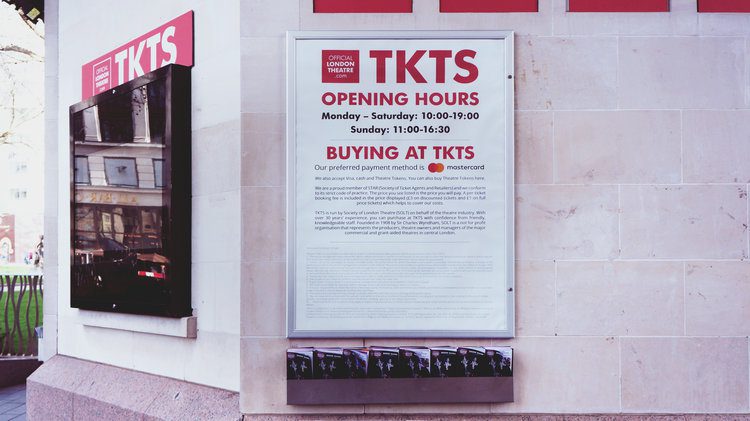
The booth is open 10am-7pm Monday-Saturday and 11am-4.30pm on Sundays.
Heads up, tickets are sold per person queuing, you cannot hold someone’s place or buy tickets for non-present people.
There are five ticket desks within the booth so the queue will move swiftly, and if you plan your arrival for when it opens (provided it’s not the weekend or during summer) you won’t have to wait long.
As you are queueing you will be able to see a live screen on the side of the booth which lets you know which shows are on sale, the seat categories and prices. Just left of this is a big map indicating where all the theatres are, with free guide books below for anyone who isn’t familiar with the area.
Paying for tickets
They accept the following methods of payment:
Credit and debit card including Visa and Mastercard
The amount of discount varies between shows and seating; you might save 45% or you might not get any discount. The percentage saved is shown next to the seat categories on the TKTS website and you can even search for tickets based on discount only if you are looking to save money over seeing any show available. There might even be a variety of prices for the same show depending on what seats are available. When I went to get my ticket for Motown: The Musical there were seats available in the Royal Circle and Stalls. The very helpful salespeople will make sure you get the best ticket available in your chosen category.
You will receive a physical paper ticket and a receipt attached that needs to be torn off before handing over to the ushers seating you.
At the theatre
I recommend arriving at your theatre no later than half an hour before your show especially if you are planning to get drinks in the bar before. There will be a queue outside your theatre whilst bag contents and tickets are checked so make sure you add time for this.
Intermissions last approximately 20mins so prioritise the toilet as there will be a long queue and you don’t want to miss the start of the second act. If you haven’t been to the theatre before and you are worried you won’t know when your show will start again, there will be one of these two traditional indications, either the lights will dip a few times or a bell will be rung. Both are letting you know it’s time to return to your seat.
PFH Top Tips:
Getting theatre tickets is easiest if you’re a solo traveller and they tend to be pretty decent seats at the end of the row. So if you’re looking for something to do with your time alone why not give the arts some loving and head to the theatre. Your ticket will include a donation to the restoration of theatres too!
Matinee shows end roughly the same time as rush hour is beginning so either be prepared to be packed in to the tube like a sardine or think about getting dinner somewhere within a walkable distance so you can skip rush hour all together.
If you are planning on going for dinner before your show, you won’t be the only one, try to book a reservation or give yourself plenty of time for being seated and dining so you’re not rushing to the theatre.
Don’t bother trying to sneak any drinks in, there are many perfectly stocked bars and ushers selling drinks in the isles before and during the intermission. You can however take in a bottle of water, and you know me, I always recommend doing so.
.
I went to see Motown:The Musical which is based on Berry Gordy’s autobiography, which documents how he founded the Motown record label. It is bursting with some of the greatest songs ever written, killer choreography and humour. Expect songs by The Supremes, The Jackson 5, Stevie Wonder, Marvin Gaye plus so much more! It’s a fabulous show and worth every penny – discounted or not.
Have you seen any good shows recently? I’d love to hear which shows you have seen or recommend.
Shortly after graduating from university, I moved to Paris for a year following my boyfriend who was offered a job in advertising. Whilst there I worked as a language instructor (*ahem* glorified name for English speaking babysitter), which meant I had the day to explore the city before picking the kids up from school.
Up until this point I had never moved away from home, and though I was very excited to be living abroad, I was also so nervous about being young and heading out on my own. Turns out it’s awesome to be under 25 in Paris because EU citizens aged 18-25 get free and concessionary tickets to so many tourist sites. All you need is your passport or driver’s licence!
To save you from doing the research yourself, I’ve compiled a list of 7 of the best museums in Paris that offer free admission to 18-25 year old EU citizens; some of them even make exceptions for non EU citizens under 26!
The world’s biggest art museum is home to some of the world’s most recognised pieces of art such as Da Vinci’s Mona Lisa, Venus de Milo, Delacroix’s Liberty leading the people and of course, Pei’s pyramids. There is so much to see in the Louvre that each of the three wings, Sully, Denon and Richelieu, require at least a day to explore. For this reason I think it’s the perfect place to seek shelter from the rain and cold whilst absorbing a wealth of culture. When I was living in Paris, I visited all eight departments on the days when the weather was at its worst.
PFH Top Tip – Don’t miss Napoleon III’s apartments in the Richelieu wing. They are some of the most extravagantly decorated rooms in the world, every inch of the Rococo decor is a work of art.
Admission
Free access to the permanent collections for EU citizens aged 18-25.
Free admission for under 26 year olds of all nationalities every Friday from 6pm.
Opening hours
Open 9am-7:30pm on Mondays, Thursdays, Saturdays and Sundays.
Open 9am-10pm on Wednesdays and Fridays.
Closed on Tuesdays.
Getting there
Rue de Rivoli, 75001 Paris, France.
Métro lines 1 and 7 – Palais-Royal Musée du Louvre.
Formerly a train station built in 1900, this museum now houses works of art from 1848-1914. Some of it’s most famous inhabitants are Van Gogh’s Self Portrait, Manet’s Olympia, Whistler’s Mother and Monet’s London, Houses of Parliament.
PFH Top Tip – Arrive first thing in the morning to get an instagram worthy shot from behind the clock face. It’s on the fifth floor in the North East corner along with the café. I’m yet to get a good shot of this, so if you do, know that I’m super jealous of you!
Admission
Free access to the permanent collections for EU citizens aged 18-25.
€8 concessionary ticket price for 18-25 year olds of all nationalities.
Opening hours
Open 9.30am-6pm Tuesdays, Wednesdays, Fridays, Saturdays and Sundays.
Open 9.30am-9.45pm Thursdays.
Closed on Mondays.
Getting there
1 Rue de la Légion d’Honneur, 75007 Paris, France.
Just a six minute walk from the Eiffel Tower and nestled behind trees, Musée du Quai Branly showcases collections of non-European art. The permanent collections are divided into geographical areas showing approximately 3,500 pieces of clothing, masks, weapons, instruments and so much more.
PFH Top Tip – Though the work is fascinating and a welcomed change of pace, the museum is not of the same calibre as the Louvre or d’Orsay. So, if you have limited time in Paris I wouldn’t suggest putting it at the top of your museum list, but if you do have time to explore Paris’ less talked about hotspots, it’s definitely worth a trip.
Admission
Free access to the permanent collections for EU citizens aged 18-25.
Opening hours
Open 11am-7pm on Tuesdays, Wednesdays and Sundays.
Open 11am-9pm on Thursdays, Fridays and Saturdays.
In 1908 Rodin donated his entire life’s work to the French State for it to be displayed within the grounds of Hôtel Biron, his former studio, which was to be known as “Musée Rodin”. It has since been listed a historical monument and is home to some of the world’s most critically acclaimed pieces such as The Kiss, The Thinker and The Gates of Hell.
Fun fact – The garden has hosted the Dior couture catwalk show during Paris Fashion Week for the last 10 years.
PFH Top Tip – May is the best time to visit Musée Rodin because the rose garden is in full bloom.
Admission
Free access to the permanent collections and sculpture garden for EU citizens aged 18-25.
€7 concessionary ticket price for 18-25 year olds of all nationalities on Wednesdays.
Located in the West wing of the Louvre, this one is for interior design lovers. The decorative arts and design museum houses works from the Middle Ages, Renaissance, 17th, 18th and 19th centuries, Art Nouveau, Art Deco, Modern and Contemporary. If you’re a fashionista however, it’s worth keeping an eye out for their forthcoming events as they also showcase fashion exhibitions. The most recent Christan Dior Couturier du Rêve exhibition, celebrating 70 years of Dior, was magnificent and worked harmoniously with the interior of the museum. Please note that you will have to pay for a ticket to the non-permanent exhibitions no matter your age and nationality.
PFH Top Tip – The gift shop has an amazing art and design book shop at the far end and is worth a visit for anyone working within the creative industry.
Admission
Free access to the permanent collections for EU citizens under the age of 26.
Opening hours
Open 11am-6pm Tuesday-Sunday.
Open 11am-9pm on Thursdays (from 22nd March).
Closed on Mondays.
Getting there
107 Rue de Rivoli, 75001 Paris, France
Métro line 1 – Tuileries.
Métro lines 1 and 7 – Palais-Royal Musée du Louvre.
If you fancy a change from the arts, why not check out Europe’s oldest science and technology museum. Much like Musée du Quai Branly, I wouldn’t suggest spending your limited time in Paris visiting this museum, but with over 2,400 pieces of technological innovation, these centuries old inventions are worth a visit when you have the time.
Admission
Free access to the permanent collections for EU citizens aged 18-25.
Opening hours
Open 10am-6pm Tuesdays, Wednesdays, Thursdays, Fridays, Saturdays and Sundays.
The National Military Museum hosts an abundance of historical artefacts from 13th-17th Century armour to weaponry from the two world wars. Though it sounds a bit heavy going, it’s actually fascinating to learn about military defence and conduct from other countries’ viewpoints. Plus not all the items on display are weapons; there are also paintings, uniforms, vehicles and personal belongings from the focused eras.
PFH Top Tip – If there is one thing you cannot miss at Musée de l’Armée Invalides, it’s Napoleon’s tomb. Beneath the spectacular dome, which can be seen for miles, rests Napoleon I within a very grand black marble coffin.
Admission
Free access to the permanent collections and sculpture garden for EU citizens aged 18-25.
Opening hours
1st April – 31st October: Open 10am-6pm from Monday-Sunday.
1st Nov – 31st March: Open 10am-5pm Monday-Sunday.
Getting there
129 Rue de Grenelle, 75007 Paris, France
Métro lines 8 – La Tour Maubourg.
Métro lines 13 and 8 – Invalides.
Métro line 13 – Varenne.
RER C – Invalides.
Bon Voyage!
Aloha, Gabriella
Pin this post
.
Full disclosure – Ticket prices and opening times were correct at time of posting.