Tag: naked packaging

  • 12 New Year’s goals and aspirations for travellers

    12 New Year’s goals and aspirations for travellers

    A new year comes our way and although there’s a lot of naivety that comes with thinking we can only become our best selves after the clock strikes 12am on the first of January, it’s hard not to get swept up in the “new year, new you” state of mind. Of course I’m not judging anyone for this, I do it too but I also want to encourage you to reflect upon how much you changed throughout the year and not just in January. It’s been an especially tricky one this year too, so celebrate the self growth from the whole year!

    I’ve put together 12 suggestions for travel-themed goals and aspirations, not to pressure you into thinking all of these will make you the best globetrotter ever or that you HAVE to do all of them, but to help inspire you to better your own travel experiences and have a more positive impact on our shared environment.

    1. Learn a new language 

    Start to learn a new language or brush up on one you already have an understanding of.

    It’s a skill that will always prove useful and be impressive. My top tips for choosing a language to study are:


    • Pick one that means something to you – though I don’t dedicate enough time to it my choice is French because my Mauritian family speaks French. Michael has been intermittently learning Brazilian Portuguese because he loves the culture.


    • Pick one that you can practise often – maybe you travel there frequently or have friends and/or family who can help you improve.


    • Pick one that is widely spoken – Spanish is a good example as it is spoken across many continents and has similarities to other languages that make it a little easier to comprehend them. When I was living in Paris in my early twenties a waiter told me to learn Spanish not French as it is spoken in more countries and it has really stayed with me.


    Due to my complexion I have had more people speak Spanish to me around the world than French and I wish I had chosen Spanish over French. Of course, in saying that, there’s no time like the present. 

    “A year from now, you may wish you had started today” – Karen Lamb.

    A great resource for this is the Duolingo app – not sponsored, I just enjoy using it as it presents every lesson as a game.

    2. Make sustainable swaps

    Make a sustainable swap that eliminates a single use plastic in your daily travel routine.

    Travelling around the world, as magical as it is, just isn’t all that good to our planet. Of course I want us all, who are able to, to be able to explore and appreciate the beauty of Mother Earth and explore not only what she has on offer but also self growth and healing that comes from the freedom of travel, but to be able to do so responsibly we must make more of an effort to help to restore her. 

    Shop Coconut & Cotton here.

    How? The most responsible thing you can do to protect and help the environment heal is to use up what you already have before purchasing something else. So start there. Unfortunately choosing to purchase reusable, biodegradable and non-toxic products comes at a higher cost which I appreciate makes things a little more complicated and annoyingly the large corporations who can afford to make these items more affordable haven’t been held accountable enough to do so. The best thing you can do is to use and and reuse what you have. A few examples are:


    • Instead of purchasing a new tin or sandwich wrap for your lunch use a washed out margarine tub. They’re also great for storing leftovers, cookies and holding your veggie scraps in the freezer until you’re ready to make homemade stock. Sure they don’t look as cute but repurposing is far cuter than overflowing landfills, right?


    • If you don’t have a reusable coffee cup, aren’t ready to buy one (check out my reusable coffee cup guide when you are), but want to stop using single use coffee cups then dig out an old camping flask or use an old pickle jar for your iced coffee.


    • Use up your skincare products before buying more. I was so guilty of switching to clean and more responsibly packaged products before using what I had and I didn’t acknowledge it until I was cleaning out my draws whilst packing for Canada in early 2020. I was so proud of myself for reducing my skincare routine to fewer products that were more responsible but I had disregarded the heaps of half used bottles in my drawers. I used up what I could and gave the rest away to friends and family so it wasn’t wasted but it was a big lesson in not turning my back on what I already have. Take advantage of those half full bottles and pack them for your trips – they’ll be lighter than new products and you’ll get through them in no time.


    • If the hotel you stay in has a bar of soap, pack it before you check out. Some hotels participate in a scheme where it gets reused but if you aren’t aware of them doing that, keep it so you can finish it to save it from getting thrown away.


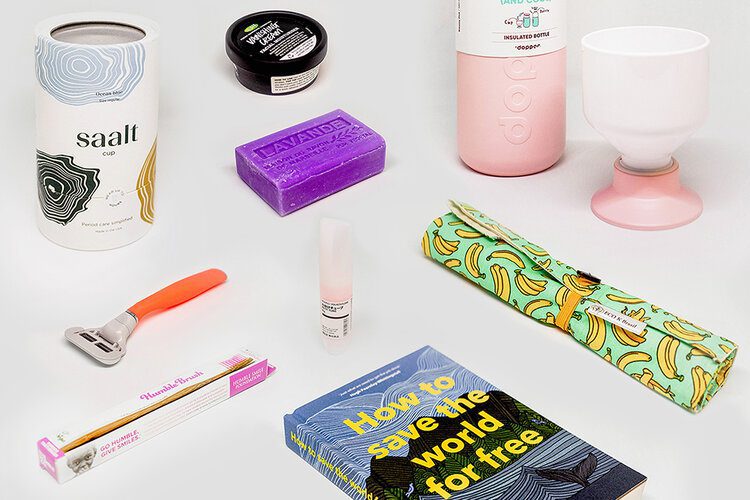
    Naked products from Lush (zero packaging) to reduce your waste on your travels.

    When you are ready to purchase eco-conscious products to swap out single-use ones in your day-to-day life and/or travel routine then take a look at the following blog posts I wrote that will help you to make effective, sustainable swaps on your travels:

    Sustainable swaps for travellers

    10 Lush products for reducing plastic usage whilst travelling

    10 easy ways everyone can be a sustainable traveller 

    Eco-friendly Airbnb packing checklist

    3. Tick off a bucket list location

    If 2021 allows it and it is safe for you to do so (be smart about this one) then plan that trip that’s been on your bucket list for who knows how long! If 2020 has taught us anything it’s to seize the moment and book that trip because you really don’t know when that opportunity will no longer be available to you, right?

    My top five bucket list trips for your possible inspiration are:


    1. India – I really want to see the Taj Mahal


    2. China – to walk along a part of the Great Wall of China is a major goal of mine


    3. Skiing – I haven’t been skiing since I was 14 and I really want to give it another go (hopefully in Canada), I want some major Wham! Last Christmas music video vibes on this trip


    4. A train ride through some jaw dropping countryside


    5. Polynesian Islands – any one will do!


    This one doesn’t necessarily mean you have to spend top dollar to pull it off by the way. Before I was supposed to move to Canada I was a smidge disappointed that I never put in more effort to explore the south west of England as I really wanted to go to Devon and Cornwall. A silver lining to a really pants side effect of the pandemic meant that I was able to safely explore (when domestic travel was encouraged to boost local tourism) both of those places and I had a summer holiday in England that I never expected but absolutely adored. No expensive flights or fancy hotels necessary!

    4. Carbon Offset

    Carbon Offset all your air travel as the year goes on.

    Think positive thoughts! Travel will be a possibility again and when it is you can make a world of difference by offsetting your air travel.

    Air travel is a significant contributor to rising greenhouse gas emissions but unfortunately it is often the only practical way to travel overseas. There are ways to lessen the environmental blow to the planet and one is to offset your air travel.

    Realistically, reforestation (planting trees) won’t be enough to offset the carbon footprint air travels creates for every traveller on the planet but there are organisations you can donate to that will help to provide clean and renewable energy sources around the world such as hydro power, wind and solar energy. If every traveller made the effort to invest in these causes every time they travelled by air then that would make a difference.

    Atmosfair are an amazing company who develop renewable energies and finance environmental education in 15 countries around the world.

    To find out more about carbon offsetting your flights for 2021 including other companies that I use and recommend then take a look at my blog post, How to carbon offset your flights.

    5. Save pennies

    Create or add to a savings account dedicated to your travels.

    9 times out of 10 seasoned travellers already have a dedicated travel fund so the advice of starting one will probably be lost on you but I have a few ideas for how you can keep it topped up: 


    1. If you have a regular pay cheque then set up a Direct Debit that takes a fixed amount – one that you can comfortably afford to put away – every month and pays into your travel fund.


    2. Say you’re self employed, a regular pay cheque isn’t a luxury you can always count on so try settling on a percentage of each pay cheque to go into that travel fund. (This is what I do).


    3. Most online banking apps allow you to “round up” your spendings and direct that to a specified savings account.


    4. Spare change was already a dying concept but the pandemic really wiped that one out but if you do ever get some then the OG of savings accounts, the piggy bank, is a trusty contributor to your travels.


    I’ve been doing at least one of the above since I started working when I was 14 years old and I have always had a travel fund because of that. It might not have always been able to take me around the world, but I never had an empty travel savings account because of these methods. Even for the period when I first moved to Paris, was still applying for jobs and was eating a lot of lettuce and microwaveable fries (I didn’t have an oven… or morals) I was never broke because I had saved a set amount from each pay cheque that summer for my travels.

    6. Explore your own country

    Take a leaf out of the book of 2020 and make a special effort to explore part of your own country that you’ve never been before. 

    The path less travelled might be one of the best trips you take. I mentioned earlier in “Tick off a bucket list location” that I was able to see more of England this year and it was a trip I will always cherish. Sure, it is super sucky that I can’t currently get over to Canada and as of the publication date of this blog post it’s been over 8 months since I was supposed to move and I’m still in England but the extra summer I got here (and when it was encouraged to safely travel England to boost the economy – didn’t exactly work out for us all did it, but we’re learning from that mistake) meant that I could see parts of England such as the Cotswolds, Jurassic Coast and Cornwall that I didn’t think I would get the chance to before leaving for Canada.

    It was one of the greatest gifts from such a crappy year. At first glance I still think this photo of a beach in Cornwall is Portugal!

    Not being able to travel far and wide encouraged so many of us to see what we had nearby and if you didn’t I really do recommend taking the opportunity to, especially whilst we still cannot travel internationally. It will also be a far more cost-effective trip as you can get a train, bus or drive yourself.

    Take a look at my Eco-friendly Airbnb packing checklist for ideas on how you can make a local trip more environmentally conscious.

    7. Try something new

    Is there something you’re eager to do or eat?

    This is one that doesn’t have to be achieved right at the start of the year and it’s also something that can happen multiple times throughout the year. These are my favourite kind of goals for the year ahead, one where you can reflect at the end of the year and see what amazing things you achieved that made the whole year one to be grateful for. Even 2020 can be a year of gratitude, I’m serious, take a moment to acknowledge positive experiences from this year. Did you learn to cook something from your travels for the first time (was it my amazing banana bread??), did you take an online course on something you wanted to learn more about, did you start a new exercise regime or did you find inner strength by surviving your most fragile moments during lockdown/quarantine/isolation? These are all accomplishments that can be listed as new things you tried this year just gone.

    8. Journal about your travels

    Journal about your favourite travel moments so that you can reflect on them in years to come.

    I’ve tried to keep up travel diaries and journals, I would attach crumpled plane tickets, scribbled on maps, napkins from my favourite restaurants and ticket stubs and write out everything I did that day but I never end up finishing them because I wanted to live in the moment and before long I’ve forgotten many of the details of the trip like the location of the restaurant I loved or name of the beach I watched sunrise from. It doesn’t mean the feeling has escaped me, that stays, but the details fade. If you too are like this then my suggestion is to write out the following prompts and answer them either on your trip or on the flight home:


    • Trip location


    • Travel dates


    • Where did you stay? Did you like where you stayed?


    • What was your favourite meal of the trip and where did you eat it?


    • What are your top five moments from the trip?


    • Did you try anything new? How did it make you feel?


    • Would you come back to this place?


    • What from this trip would you recommend to someone else?


    • Did you learn anything from this trip?


    These examples will prevent you from falling behind on a daily entry from your trip but they will keep the details if you ever need to go back on them. Whether you want to fill in your own blank, recommend to a friend or start a travel blog, these notes will help jog your memory of what was important on that trip.

    9. Donate

    Donate to a local cause somewhere you are going or have travelled to.

    It doesn’t have to be the kind of donation that gets hospitals and libraries named after you, I’m pretty sure that only happens in the movies… but every little helps someone in need and there are so many options: 


    • Disaster relief organisations – say there’s been a wildfire or oil spill, your donation can help to stop and prevent the crisis plus it will help to rehabilitate those whose lives have been gravely affected. The Red Cross is always a good choice.


    • You can donate some books and stationery to a local school or church in need.


    • Organisations fighting to end period poverty in lesser developed communities. ActionAid is my recommendation or if you are ready to purchase a menstrual cup then get one from Saalt as they donate some of the profits and cups to communities in need.


    • You can make purchases form companies such as 4ocean which will help to fund ocean clean-ups on a larger scale that combat our plastic pollution crisis.


    • Disease relief organisations in countries who don’t have the means to provide medication to everyone – Sightsavers is one of my top choices.


    • Keep an eye out for a donation basket in the supermarket if you shop in one abroad that is donating food to shelters. Ideal foods to donate are: pasta, rice, jars of sauce, tins of fruit and vegetables and cereal.


    • Organisations such as Greenpeace, WWF and the Leonardo Dicaprio Foundation are my top choices for environmental projects that cover everything from climate change to poaching.


    Find something that means something to you or that affects somewhere you cherished visiting and your contributions will save lives.

    10. Travel lighter 

    Pack less to take a load off your mind, away from the plane and out of the washing machine.

    I’ve been working on packing lighter for a long time and I’m finally getting much better! I’m one of those people who likes to be prepared for everything so packing light has always been a challenge but I consider these three main points to focus myself into packing less. It’s less stressful because there’s less to squeeze into my luggage, it makes the aeroplane lighter which saves on fuel consumption and it means I have less to wash when I return home.

    Consider packing clothes that form a capsule collection that you can put together multiple outfits with and use accessories to your advantage. The benefits of packing less greatly outweigh having to lug around makeup you didn’t use, shoes you didn’t wear and clothes you didn’t need.

    11. Plan a road trip 

    Road trips are one of the greatest ways to travel! You get more time to experience where you’re visiting, you can add, drop and change things last minute and you can see way more places in one trip than a single destination. It gives you the chance to slow down and savour each moment plus it’s a really good way to help you get into the habit of packing light.

    There are so many incredible places around the world to map out road trips but my top countries are:


    • USA – there’s just SO much choice


    • Italy – just eat your way across the country


    • Canada – the national parks are incredible


    • United Kingdom – from sunny Cornish beaches to the snowy Scottish highlands


    I have a whole section here on Postcards from Hawaii dedicated to road trips so check it out for inspiration of where to go and what you need to pack, plus there’s some very popular Spotify playlists and a movie watchlist that features 10 movies all about road trips.

    12. Go OTG

    Take time off social media to be more present and mindful of your surroundings.

    This is a particularly difficult one because we live in an era where everything gets shared on social media in the moment. In this final suggestion I want to let you know that I don’t mean for you to not take photos and videos, but instead of sharing them straight away, take a moment, a few hours or even a day away from uploading them to social media so you can enjoy the moment that you’re taking the photo of.

    I’ve had too many moments when I’ve shot videos for Instagram Stories and then spent 20mins uploading them (adding captions, GIFs and sassy comments) and missed something whilst I’ve had my head down. If it doesn’t need to go live right that second then simply save it and upload it later on. This way you get content but you also get to enjoy what you’re doing, it’s less scary than you think.

    Bonus

    Pledge to read your favourite travel blog, Postcards from Hawaii, every week!

    .

    Remember none of these have to be done from the first day of the year to be successful or impactful, do that at your own pace and when it feels right to you. When you feel more financially secure, when you’ve used up products you already own and when you can dedicate more time to yourself. New Year’s goals are to improve your whole year not just the first week of the month.

    Happy New Year, Gabriella

    Pin this post


  • 10 easy ways everyone can be a sustainable traveller

    10 easy ways everyone can be a sustainable traveller

    Frequent travel is not good for our environment. Yes I said that. When compared to staying at home the impact of air travel emissions or water wastage in hotels – just a couple of examples – are taking their toll on our beautiful planet. Beautiful she is though and so we are desperate to explore all the wonderful things Earth has to offer. From hiking closer to cascading waterfalls that drop from luscious green cliffs hundreds of metres into the sky to snorkelling in reefs where fish of all colours of the rainbow inquisitively dart between your limbs, we don’t want to deny ourselves of these opportunities.

    Seeing those luscious and bountiful forests burn up and the coral reefs bleach and die are heartbreaking but very real scenarios and they are happening across Earth frequently as a repercussion of the times we have all chosen convenience over sustainability. So how do we continue to travel Earth but start to become more mindful of the impact we are having on it? The way to begin is to make more sustainable choices in our regular travel routine and with that being said, here are 10 easy ways that everyone can be a more sustainable traveller, really simple swaps that we can all do to make our travels less impactful and more responsible:

    1. Transportation

    If given the choice between walking and taxi (Uber etc.) you should walk. It not only cuts down on fuel usage but it also saves you money and is a way to work more exercise into your day.

    If given the choice between a taxi (Uber etc.) or public transport, take the public transport. Compared to private car journeys, public transportation produces less air pollution and reduces traffic congestion.

    If you need to hire a car, look for an economic option such as cars that use less fuel or are either electric or hybrids. In years gone by we have rented large fuel guzzling cars and it is not something I intend to do again. 

    Avoid cruises! With the mass generation of hazardous chemical waste, these beasts are polluting both the air and sea! Never mind the fact that a single person’s carbon footprint triples when onboard a cruise. I understand the appeal but please consider that cruises are incredibly damaging to eco-systems, please avoid them at all costs.

    2. Carbon offsetting

    The most responsible way to travel (aside from walking as mentioned above) is to travel by bus or train and though there are many amazing networks in place around the world, not everywhere is connected by rail or road, I mean, I won’t be moving to Vancouver from England on a train anytime soon.

    So the very best things we can do when a flight is involved is to book direct flights and carbon offset them. Check out my blog post, How to carbon offset your flights for three companies that I recommend using including information on what it is that these companies do, how you can calculate your emissions and how much carbon offsetting costs.

    Oh, also pack less, it’s hard I know and something I still have to keep pushing myself to do but lighter suitcases means lighter aeroplanes which means less fuel consumption and so less carbon emissions. 

    3. Environmentally friendly products

    Switch from using single-use products or products with non-recyclable/biodegradable packaging. Every little swap makes a BIG difference to the planet and lessens your contribution to plastic pollution.

    For 26+ ideas on which sustainable swaps you can make for not just on your travels but in your daily-routine take a look at my blog posts:

    Sustainable swaps for travellers

    10 Lush products for reducing plastic usage whilst travelling

    4. Responsible tourism

    The tours and excursions you book tell a big story of the type of traveller, nay person (yeah that’s right I said nay) you are. To knowingly partake in any activity that causes harm to animals and/or the environment is something that needs to stop. 

    Animal tourism stems from the brutal treatment of animals which includes drugging, caging, under-feeding and bullying — just to name a few — to manipulate them for the owners needs. Avoid visiting big cat enclosures, elephant rides, posing with chained monkeys in market squares or with snakes around your neck. 

    I wish I could say I’ve never been a part of this but unfortunately I have been on camel rides that I now know in my heart weren’t being treated well. We must reflect and learn from past experiences so that we consciously make the right decisions in the future.

    I’ve written a full blog post focused on how to find sustainable tours and excursions with advice specifically focused on marine tours here in How to practise responsible tourism.

    You can also help by donating to legitimate sanctuaries and charities who put in the hard work every day to protect our environment and all the wonderful creatures who call it home.

    5. Hotel tips

    Second to staying in sustainable hotels here are some extra measures you can take:


    • Bring your own solid toiletries such as shampoo, conditioner and soap instead of using the tiny plastic bottles the hotel may provide. Yes they look cute but don’t be fooled by their disguise, each one is a threat to the environment. You could also call ahead to see if the hotel uses refillable toiletries so that you can avoid single-use plastic and heavier luggage. IF you do use the mini toiletries for whatever reason, NEVER leave with product still in them, it will get thrown away and it’s a terrible waste. If you’re sacrificing our planet then at least use the whole bottle.


    • Hang up your towels! Hotels are significantly responsible for big time water waste and pollution partly due their never ending laundry piles (well unless there’s a worldwide lockdown of course). Reuse your towel to prevent the need for daily washing, or better yet, take your own microfibre towel so housekeepers aren’t even tempted to kindly (less we not forget they’re not intentionally upsetting us) replace our towels with fresh ones.


    • Turn off the lights, TV, air con/heater and plugs so that electricity isn’t been wasted whilst you’re out exploring.


    • Keep your room clean and tidy so housekeepers don’t have to vacuum (electricity), change the sheets (water) or clean surfaces (chemicals in non-recyclable bottles) until you’ve checked out or unless absolutely necessary. 


    6. Go paperless

    Travel tends to be a slightly trickier area to go paperless with boarding passes automatically being printed out from self-service machines, ticket stubs being issued from booking offices… and though I’m fully aware that these often make great travel mementos, please try to go paperless where you can. 

    My top tips for paperless travel are:


    • Download the app that allows you to have an electronic boarding pass.


    • Buy your tickets to everything you can online checking that you don’t have to print them off.


    • Use Google Maps instead of a paper map.


    • Take photos of brochures/maps etc. (If you do take one, try your best to return it so that someone else can use it).


    • Don’t sign up to mailing lists, unless they’re email mailing lists.


    If you do end up with something that you don’t want to keep anymore, ensure that you recycle it.

    7. Observe local customs

    Part of being a responsible traveller is knowing how to conduct yourself in a way that respects and honours cultures and local customs. Do your research before arriving. Things to be aware of are how to speak, how to act and how to dress.

    For countries where it is advised to be respectful and cover up certain areas of your body, I have written a blog post on how to dress: Observing local customs: how to cover up and dress respectfully.

    You know Chief Seattle’s quote “take only memories, leave only footprints”? Well it’s not just something to re-pin to your “Travel Inspo” board, it’s something to actively practise. Don’t go pinching rocks at Pompeii or coral from the ocean bed, and don’t leave your rubbish/trash on the ground or chemicals from your suncream in the waters.

    Pay attention to signs, I cannot stress this enough for when it comes to taking photos for the ‘gram. If a sign says “stay off the grass” then stay off the grass, if a sign says “no access” then don’t go beyond it and if a sign says “no photos” then don’t take photos.

    If getting a photo is more important than the experience of being there and respecting the country’s rules then quite frankly you don’t deserve to be there. It’s a lesson I’ve taught myself especially since becoming a blogger, if I can’t be respectful and put the experience over the photo then I don’t deserve the experience and I need to check myself. No matter who you are, you are leading by example, so make sure it’s the right one.

    8. Litter pick

    Wherever you are in the world, if you see rubbish/trash on the street, in a bush, in the sea, on the beach etc. then please pick it up (if it is safe to do so) and dispose of it properly. 

    Actively live by “not my garbage, but it’s my planet” everywhere you go and soon enough you will ALWAYS be alert to poorly discarded litter.

    Don’t hesitate to share your litter picking on social media to raise awareness to others of where there’s rubbish/trash that needs to be removed and to advise others to keep their eyes open to it.

    Remember to wash your hands after and carry hand sanitiser, soap leaves or biodegradable anti-bacterial wipes to be extra safe.

    Oh and on the topic of rubbish/trash, keep in mind that not all hotels and airlines have an adequate recycling system so you may want to keep hold of any recyclable waste until you can dispose of it responsibly rather than leaving it to someone who won’t.

    9. Food

    Food is an overlooked but important area for maintaining sustainability on your travels. Taking into account of where you’re choosing to eat is a very important decision and could be the difference between eating responsibly and contributing to more pollution for our planet.


    • Eat locally. Local produce means it hasn’t travelled miles to be on your plate. It also helps to fund the community; it’s always good to support local businesses – responsible local businesses.


    • If you are purchasing a take-out meal make sure you get them to use your own reusable container and request that they do not give you cutlery (use your own reusable cutlery that I have listed in my previous blog post Sustainable swaps for travellers). If they won’t allow it and their packaging is plastic or polystyrene then avoid eating there.


    • Avoid all-inclusive offers. All-inclusive leads to an obscene amount of waste.


    • Cook yourself. Stay in accommodation that has a kitchen/kitchenette and shop from a local market so you can cook your food yourself. Not only does this cut down on food wastage but it also saves you money. For simple ideas on preparing food in your hotel room take a look at my blog post, 6 items for making food in your hotel room.


    • If you eat out, carry a reusable container with you so you can keep the leftovers. Most restaurants offer a “doggy bag” or a box but you never know if it’s going to be plastic.


    10. Souvenirs 

    When it comes to buying souvenirs, take your time to find locally produced and handcrafted items. By doing so you are supporting the local community. Mass produced souvenirs aren’t very meaningful and are often discarded. If you’re uncertain, ask locals where you can go.

    Another thing to consider is finding local classes where you can learn to make something. Wouldn’t you prefer a handmade clay pot over a generic shot glass?

    .

    So there you go, 10 ways you can become a sustainable traveller! Comment below if you do any of these or have any additional suggestions!

    Aloha, Gabriella

    Pin this post


  • Sustainable swaps for travellers

    Sustainable swaps for travellers

    “The greatest threat to our planet is the belief that someone else will save it” – Robert Swan.

    More than ever, the time has come to take a stand against plastic pollution from land to sea. 8 million tons (this number IS shocking, you’re right) of plastic pollution enters our oceans every year causing 100,000 marine animals deaths each year.

    With 40% of the plastic produced every year being single-use plastics, we all need to take responsibility and make as many sustainable swaps as possible to save our planet from irrevocable damage. The problem lies in idly going through life consuming excessive amounts of plastic which have sustainable and reusable alternatives, then incorrectly disposing it, without reusing or recycling, and without any awareness of the harm caused. 

    In this blog post I am focussing specifically on the environmentally-conscious swaps we travellers can make to make the world a better place. It’s no secret that the impact travel has on the environment is significant, so along with offsetting your travel I am sharing the 25 sustainable swaps I have made specifically on my travels, so that we can reduce our wasteful impact around the world:
     

    Toiletries

    The area you can make the biggest reduction of single-use items whilst travelling is with your toiletries. Toiletries are one of the leading contributors to throw-away items that build up in landfills, our oceans and even on the street! I can’t tell you how many strange places I’ve seen plastic ear buds/Q-tips in peculiar places. By making these simple and sustainable swaps you will be doing more for our planet than you could ever realise:

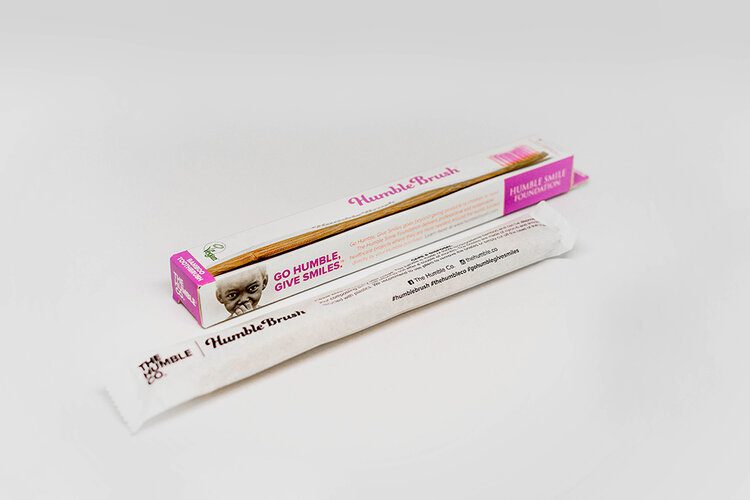
    Bamboo toothbrush

    Did you know that every plastic toothbrush that has ever been made since their invention in the 30s still exists? Why? Because each plastic toothbrush takes over 400 years to decompose and with each person using approximately 300 toothbrushes in a lifetime, well it’s a lot to take in right? So with those figures in mind, it’s about time we started using an alternative. Bamboo toothbrushes are eco-friendly, made from natural fibres and will decompose after use. The Humble Co. was founded in 2013 by dentist Noel Abdayem. He set out to create products that are not only good for us but are kind to our planet too. What’s even more admirable about The Humble Co. is that they also provide dental care for children in need all over our planet via their Humble Smile Foundation, and you can help too as it is funded directly by proceeds from every product sold.

    As well as the product being sustainable, the packaging is too. The boxes are 100% recyclable and the inside wrapper is compostable.

    Chewing gum

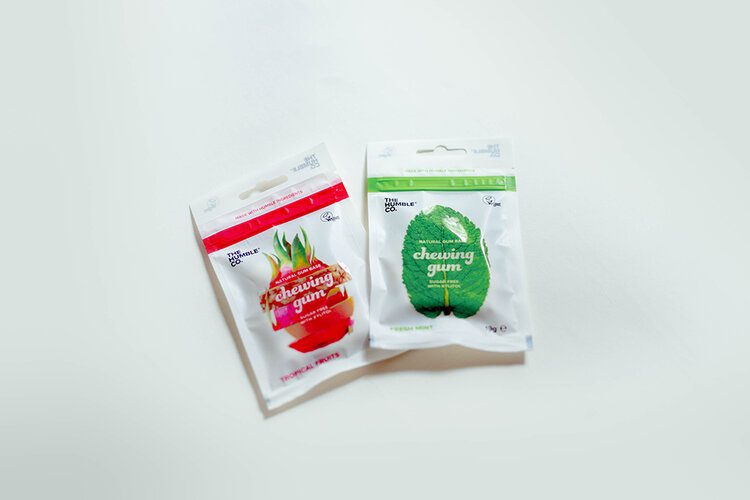
    Sticking (pun not intended but a happy coincidence nevertheless) with The Humble Co. let’s take a look at their chewing gum. It took me longer than I care to admit to realise that if my body can’t digest gum than neither can the planet… Most chewing gum is made from polymers which are synthetic plastics (complicated science stuff, stick with me here) that do not biodegrade and will therefore forever exist on our planet. The Humble Co. however, make a natural alternative made from chicle, a natural gum base from the Sapodilla tree, that doesn’t contain any artificial flavours or sugar, and since the company was founded by a dentist you can trust that it’s good for your teeth!

    Why just stop at mint either, their natural chewing gum comes in lemon, liquorice and tropical fruits too!

    Dental floss

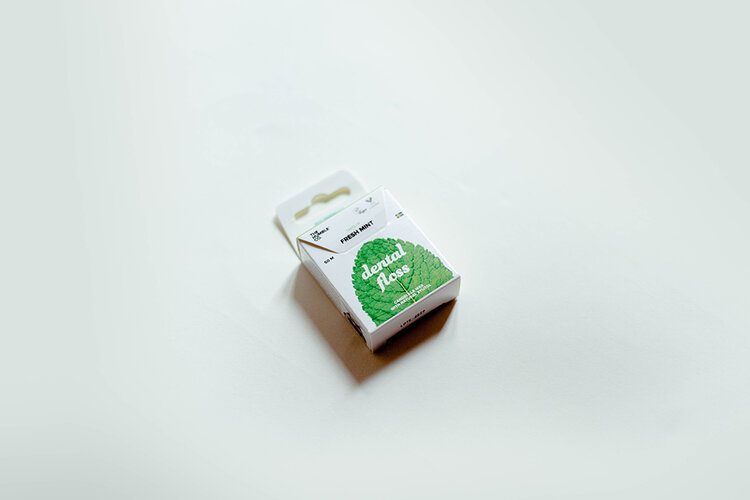
    Amongst many products, some of which are listed above, The Humble Co. also make dental floss. Over 70 million plastic dental floss containers are discarded every year so their solution was to make the packaging 100% recyclable, so it’s simply a cardboard box that does the exact same job with no risk to the environment.

    Bonus: The Humble Co. products are all vegan!

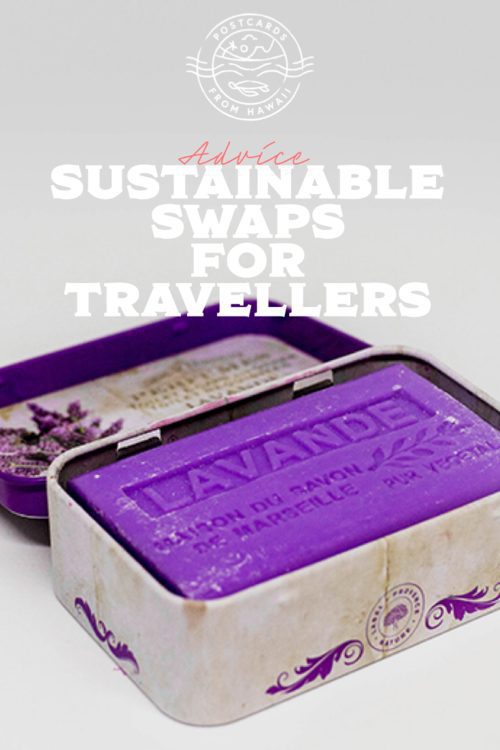
    Bar of soap for hands and body

    It’s time to stop using mini toiletries. As cute as it is to see mini versions of the products we know and love, they aren’t worth the damage they are doing to our environment. Travelling with solid toiletries means that not only will you always be prepared but by using your own packaging-free products you are eliminating the need for single-use mini toiletries all around the world.

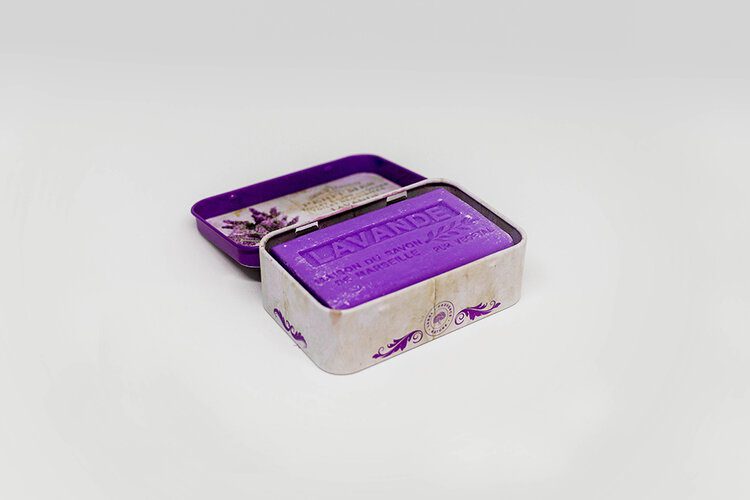
    I use Maison du Savon de Marseille bars of soap for three main reasons:


    1. They are sold without packaging


    2. They smell amazing and have a HUGE variety of scents


    3. They are made with shea butter which means they hydrate your skin as well as cleaning it and they last twice as long as any other soap


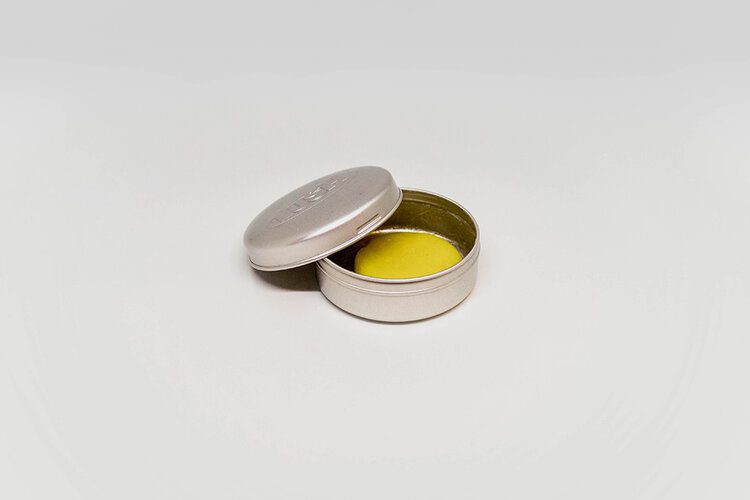
    Plus you can pick up a reusable tin to store it in when you travel.


    Another solid (pun intended) favourite of mine is from Anatomicals because they smell incredible!

    Solid shampoo and conditioner

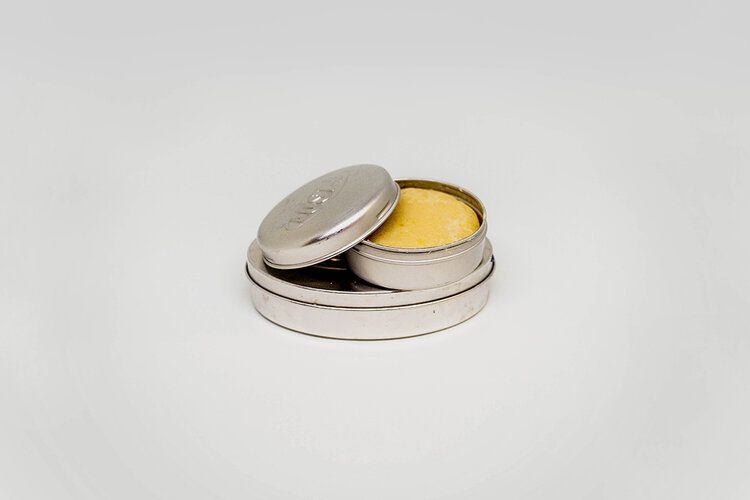
    Just like a bar of soap (above), solid shampoo and conditioner bars will prevent the use of plastic bottles, you will always be prepared and they last up to three times longer than a regular bottle.

    I personally use, love and recommend LUSH. They have a significant variety of both shampoo and conditioner bars and sell reusable tins for storage and travel.

    Magic cloth makeup remover

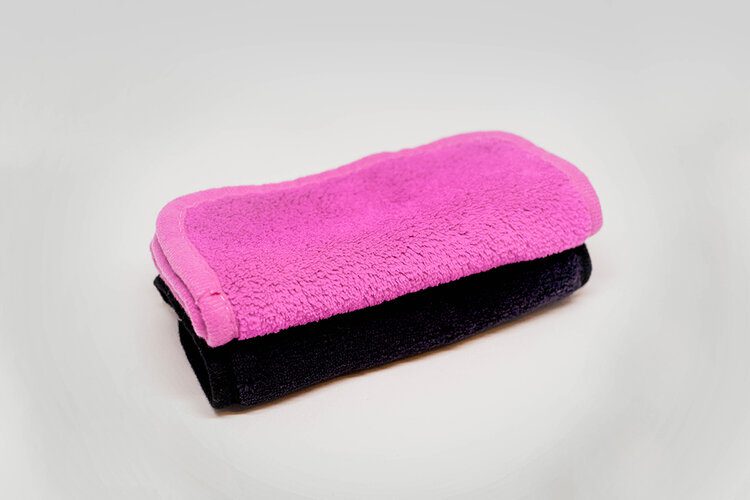
    Making the switch to magic cloths to remove my makeup last year was one of the best decisions I have ever made. These cloths completely eliminate the need for any bottled makeup remover, all you need is the cloth and water! 

    Simply wet the cloth and wipe away your makeup; its ultra soft woven fabric will remove all types of makeup, even waterproof. To clean your cloth simply wash it in warm water with soap and hang it out to dry. It is the most natural and gentle way to remove makeup without any risk of irritation from chemicals.

    Zero packaging toiletries

    Where possible, make a switch to zero packaging toiletries such as solids like soap, cleanser, shampoo, etc.

    On the days where I wear a little more makeup than usual, I like to use a solid cleanser to clear my pores of anything gross. I simply rub a little into my hands, massage in into my face and wipe it away with a reusable cotton pad (see next) and warm water before using a responsibly packaged moisturiser (see two below). My current solid cleanser is “Like a Virgin” from LUSH. Its vegan formula cleanses, brightens and tones the skin, plus it smells exactly like fresh Sicilian lemons.


    Cotton pads

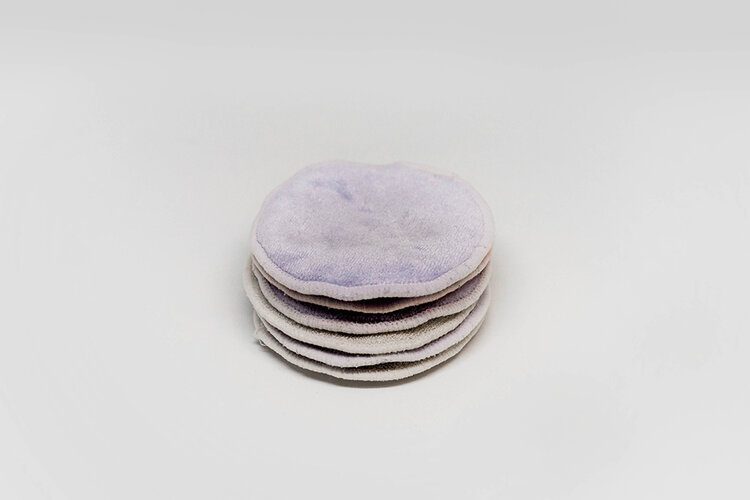
    To use those packaging free/solid toiletries, purchase some reusable cotton pads, therefore eliminating the need for single-use ones. These will not only save you money but they will also save the environment. To clean them, just pop them in a mesh bag (it saves you from having to fish them out between your socks and pants) and into the washing machine.


    Recycled packaging toiletries

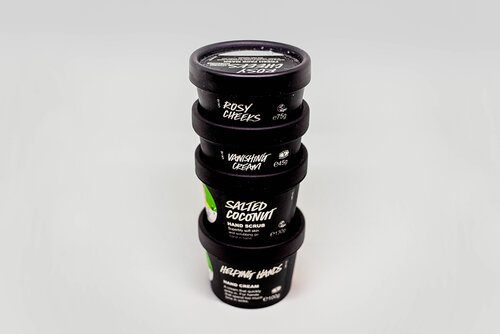
    Not all toiletries can come packaging free otherwise we’d spend an awkward journey home trying not to spill liquids from our hands. Products such as moisturisers, lotions, scrubs etc can be purchased from stores such as LUSH who use recycled packaging. Plus what’s even better about LUSH is that if you return five of their pots (clean) they will repurpose them and you will receive a free face mask!

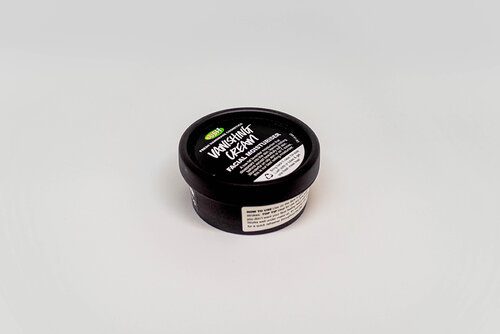
    I only use facial moisturisers from LUSH for this reason and highly recommend their Vanishing Cream. Its combination of lavender and rose water absorbs immediately into the skin without any greasy residue, leaving your skin feeling soft and nourished. I’ll confess it’s not cheap but a little goes a long way and it’s worth the price to save the environment.

    Mini travel bottles

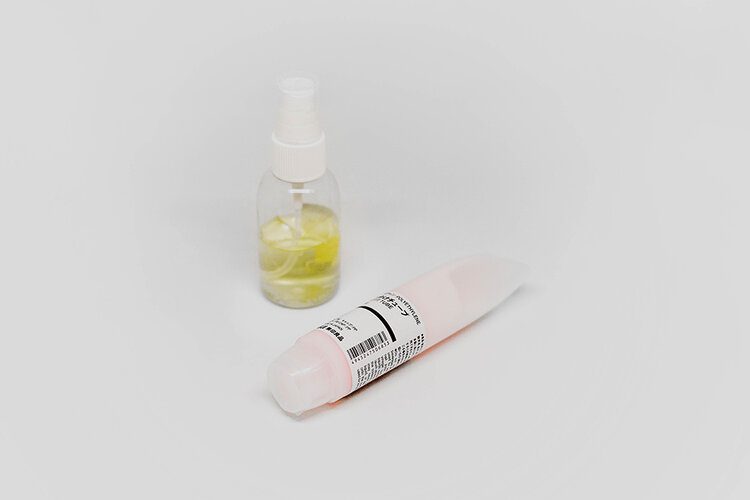
    If for your own reasons you still need/want to use products that come is plastic packaging (I’m not judging, the only products I have found that tame my frizzy locks unfortunately are packaged in plastic) then I suggest you buy the biggest bottle you can so that it lasts longer, and with that fill smaller reusable travel bottles.


    Natural deodorant

    Far too many deodorants come in single-use plastic bottles so consider swapping to one with more responsible packaging that also has natural ingredients so it’s better for both your body and the planet.

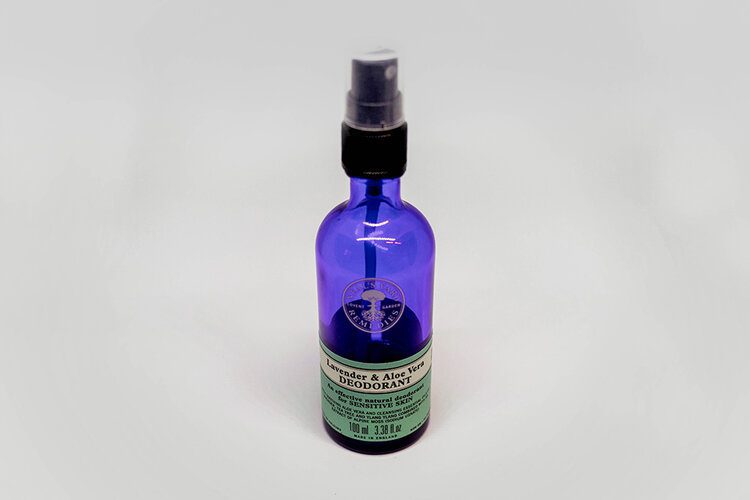
    I am currently using the Lavender & Aloe Vera spray on deodorant from Neal’s Yard because it is made entirely from natural ingredients and the bottle can be repurposed. If you do decide to dispose of the bottle then you can recycle both the glass and paper label and if you take the plastic pump into a Neal’s Yard store, they will recycle it for you.

    Menstrual cup

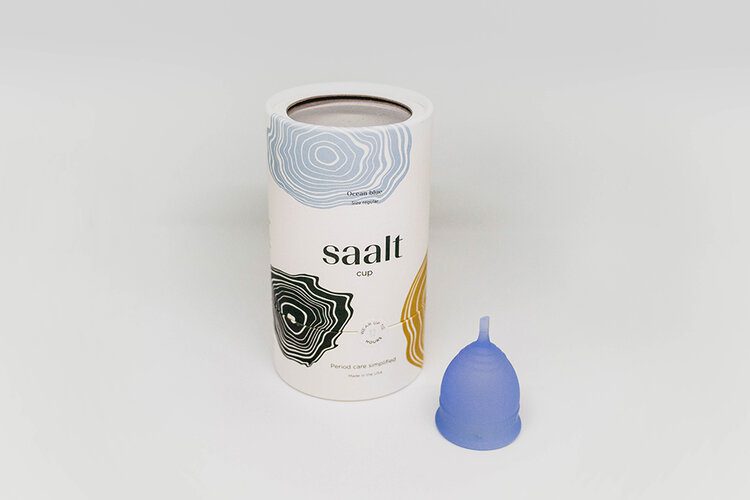
    For any person who has a period, swapping from tampons and single-use pads to a reusable menstrual cup is one of the best decisions you can make for the planet, your body and your purse! I can’t express how much better my life is now that I have made this swap or how empowered I feel to be bleeding so responsibly every time my period comes around, but to get an idea take a look at Travelling on your period with a Saalt menstrual cup, a blog post I wrote all about exactly why menstruating individuals should switch to a menstrual cup!

    If for some reason you don’t want to read my very informative blog post (shame on you, I put a lot of blood, sweat and tears into that…) then here are some figures to glance at:

    • Over 4.3 billion menstrual hygiene products are thrown away every year in the UK and 20 billion pounds in the USA


    • It takes longer than the lifetime of the user for just one to decompose


    • One cup prevents approximately 3000 tampons from ending up in landfills


    • One cup lasts 10 years and will save an average of £1,150 or $1,500


    Saalt are partnered with Her International, an organisation dedicated to keeping girls in school when they get their periods. With every cup sold, a portion of the profits go to Her International, giving girls the opportunity and means to stay in school during their period so they can receive the education they deserve which will lead to a better quality of life.
    If you want to purchase your new Saalt menstrual cup from their website, use “POSTCARDS10” for a 10% discount on your order!

    Menstrual pads

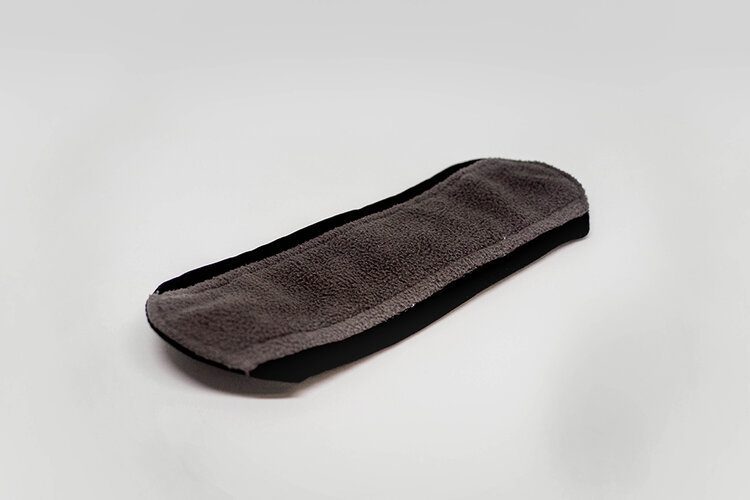
    If something that needs inserting isn’t your thing just yet (no pressure, you do you boo) then make the switch from single-use menstrual pads to reusable cotton menstrual pads. They are made from natural charcoal bamboo fibres and are incredibly absorbent. To clean them you simply pop them in the washing machine with a dark load.

    I currently use High Oh’s reusable pads during evenings where I don’t fancy inserting my cup – you know the really lazy one where you just lay in bed binge eating with Netflix.

    Razor

    According to a recent report by Statista, 163 million consumers in the United States and 5.5 million in Great Britain used disposable razors in 2018, and as they aren’t usually recyclable you can bet they’re poisoning our earth and making their way into our ocean.

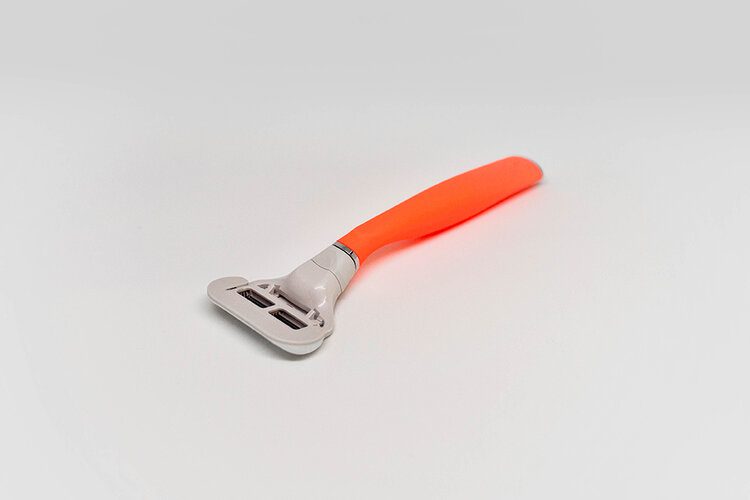
    There are two ways around this and they are to switch to a reusable razor whereby you are only replacing the head rather than the whole body and the other is to use a safety razor where you only need to replace the blades.

    I am currently using a Flamingo reusable razor whereby I remove the head only but I do intend to switch to a safety razor.

    Have you ever noticed how disposable razors are mostly targeted at women and come in all shades of pink but men’s razors are mostly reusable? What’s up with that? Flamingo have recently been taking massive stands against the stigma of female hair removal from the design of the razor to embracing your body hair.

    Shower cap

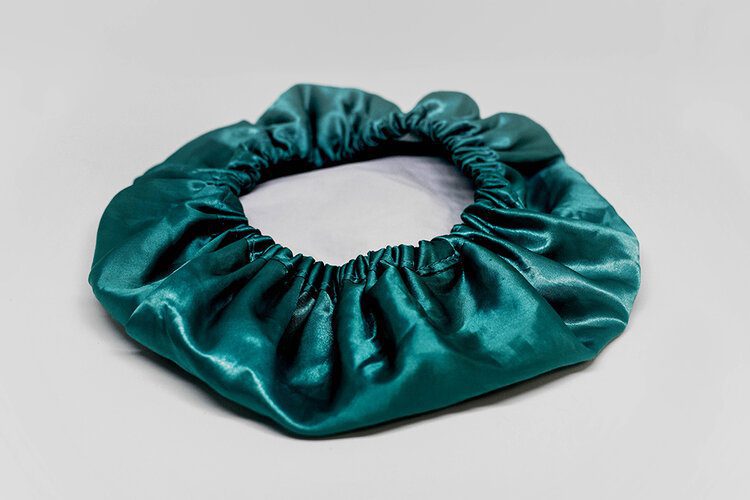
    As most disposable shower caps are made from a PVC-based material, they are not recyclable. Instead of using the disposable ones in hotels rooms, purchase a reusable one so that it has a much longer life.

    Mine is from Boots but I recommend you get one online with a fun pattern!

    Cotton ear buds & Q-tips

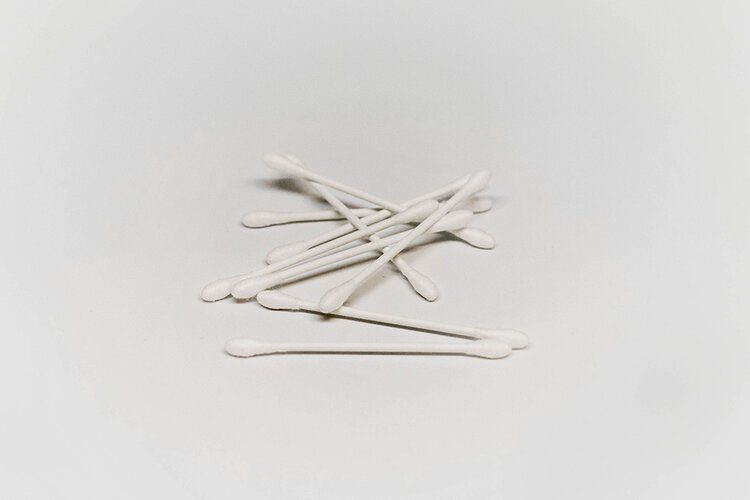
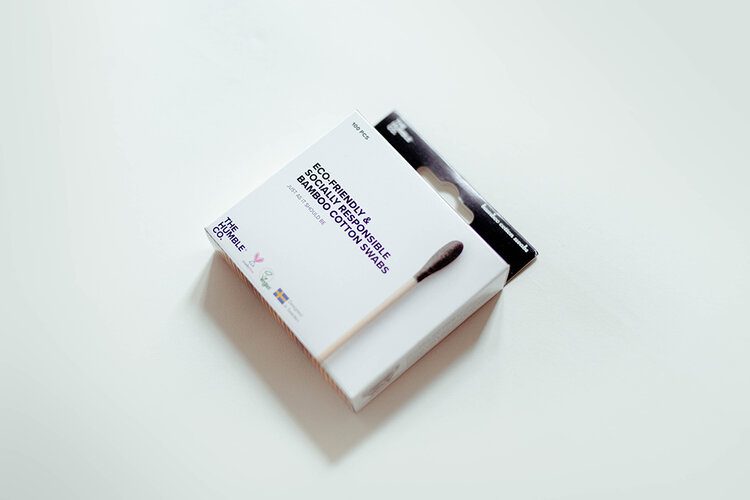
    In May 2019 plastic stemmed cotton buds were finally banned in England with all retailers required to make the switch to compostable paper, wood or bamboo stems before April 2020. Unfortunately this isn’t the case for the rest of the world, so you cannot trust that your hotel or the drug stores/chemists where you travel to will stock compostable ear buds/Q-tips, so travel with your own ones. 

    In the UK you will find compostable ones everywhere from chemists to supermarkets. I even saw The Humble Co.’s bamboo ones being sold in Oliver Bonas the other day.


    Towels

    One of the biggest areas that hotels produce waste is water. Let alone the plumbing in every room, the daily washing of towels and linens produces a significant amount of water waste. Two ways you can avoid adding to this whilst travelling is to leave a note for housekeeping asking that they do not change your towels and sheets during your stay, and then use your own towel. Have you noticed that despite the signs in almost every room claiming the hotel’s green initiative, and telling you that if you fold your towels they won’t wash them to save water wastage, for some reason your towel always disappears off the hook and a fresh folded set is on the rack? Yeah, not cool!

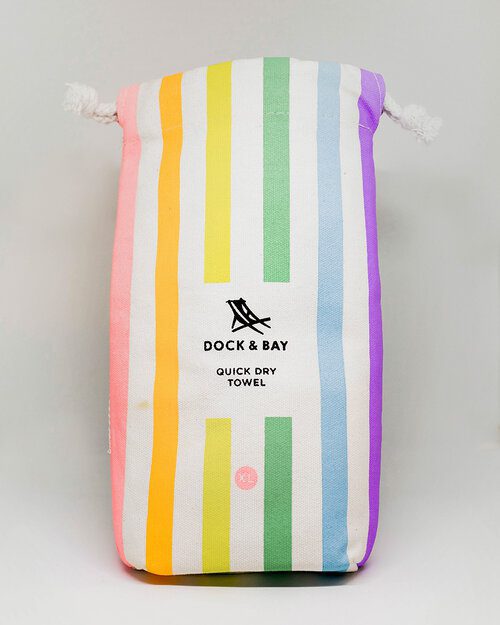
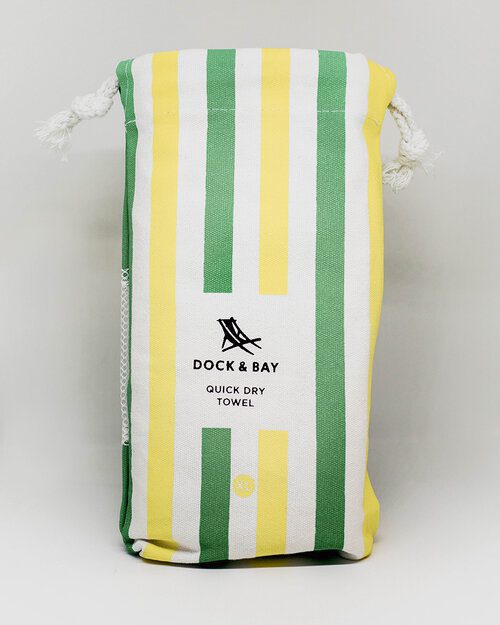
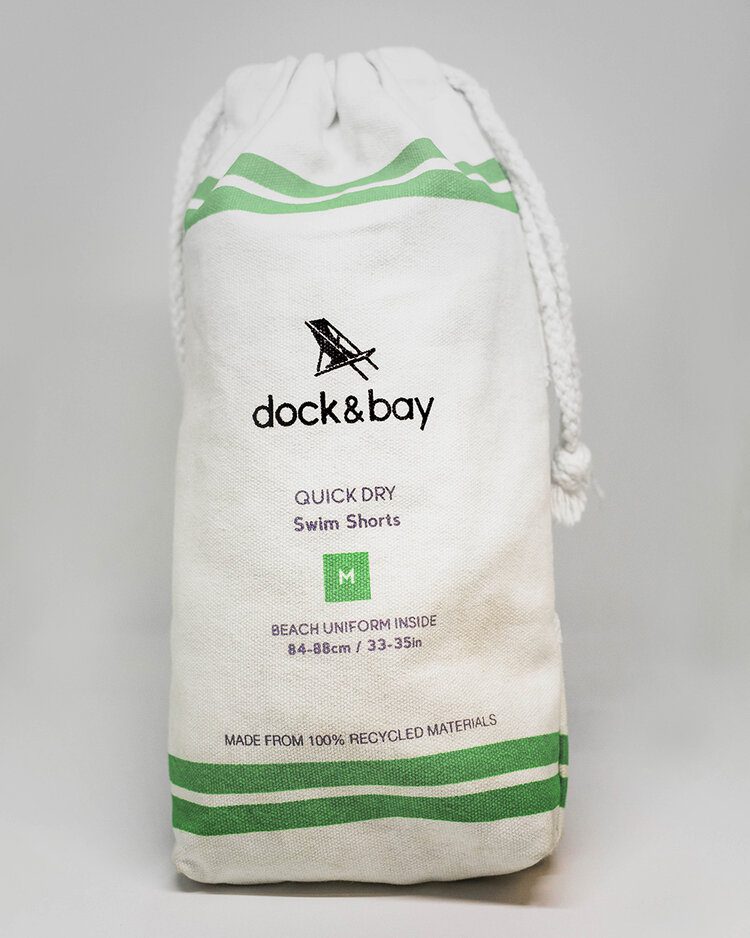
    Dock and Bay’s towels are compact, quick dry and sand resistant, all of their packaging is 100% biodegradable and they have an eco collection which features towels made from 30% recycled materials. Plus they come in all sorts of cute colours and designs all named after popular travel destinations! They also have hair wraps which save you from needing two towels if you have longer hair.

    Food

    The second best way to reduce your plastic waste whilst travelling is to travel with reusable food items that prevent single-use plastics such as water bottles and coffee cups from being consumed excessively. By using a reusable water bottle you will be saving the planet from 40 plastic bottles PER YEAR! Here are few ways you can save the planet and also money by not having to eat out all the time:

    Cutlery

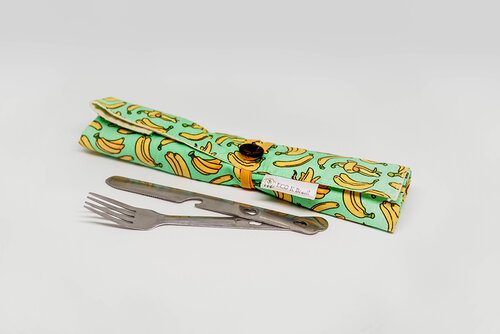
    Whether it’s bamboo or metal, start travelling with a set of cutlery to prevent the need to use plastic cutlery. This kit will also prove to be very helpful in hotel rooms if you want to rustle up a bite to eat.

    I bought mine as a camping KFS set from Mountain Warehouse for £4.99. I chose metal because Michael (my partner) has a habit of snapping our bamboo straws and I wanted our cutlery to be sturdy and last as long as possible. 

    We picked up this little wrap for them on a market in Brazil but they’re super easy to make if you want to do it yourself. If not, this specific KFS set from Mountain Warehouse clicks together so you won’t have stray cutlery in your bag.

    Bamboo straws

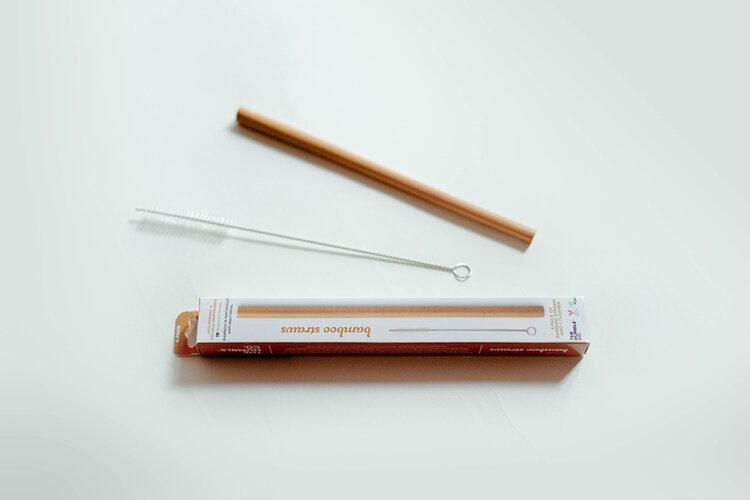
    Throwing it back to The Humble Co. they also make bamboo straws to accompany their many other bamboo alternatives. With over 8.5 billion plastic straws used annually (yes, you read that correctly), it is imperative that for the sake of our planet, and all the creatures living on both land and sea, we make the swap to a responsible choice. The most sustainable being bamboo because it can be reused (unlike paper) and will decompose naturally (unlike glass and metal). Of course paper, metal and glass are all 100% better alternatives to plastic. 

    The Humble Co’s. bamboo straws come with a cleaner as well as a clean conscience.

    Water bottle

    One of the best investments an environmentally conscious, actually ANY, traveller can make is a reusable water bottle. We all need to stay hydrated, especially when we’re out and about exploring, hiking, snorkelling etc. So to prevent the need for endless plastic bottles make the switch to a reusable one. By using a reusable water bottle, you will save our planet from 40 plastic bottles a year!

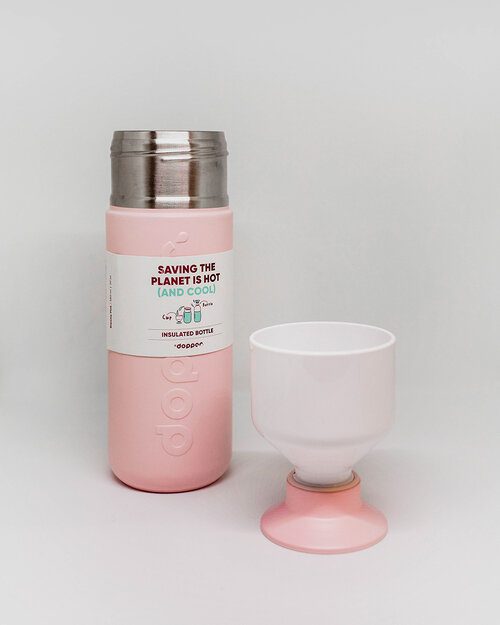
    I used to recommend S’well bottles but after my second one I have come to learn the rubber seal isn’t reliable causing the bottles to leak. So I recently switched to Dopper, a company based in the Netherlands whose mission is to empower people to choose reusable over single-use water bottles to protect our world’s water resources.

    Reasons why I love Dopper: 


    • Every purchase helps to fight to keep our oceans clean


    • The company has launched multiple initiatives around the world to provide clean water to communities in need, and they offer educational programmes to raise awareness of plastic pollution


    • The bottles come in a variety of materials and colours


    • The bottles are sustainably made


    • The bottles are a bottle and cup in one


    • They have thermal bottles that stay hot for 9 hours and cold for 24


    You will be able to fill up your water bottle in pretty much any restaurant or café and many public places such as airports, shopping malls and parks have water fountains. A bottle such as Dopper’s is particularly brilliant for preventing plastic usage on flights as you can fill your water bottle in the airport prior to your flight and if you fancy any other drink, you can unscrew your cup and use that instead of a plastic one.

    Coffee cup

    Along with a water bottle, a reusable coffee cup is one the the best sustainable swaps you can make for the environment. Approximately 16 billion disposable coffee cups are used each year, many of which aren’t recycled.

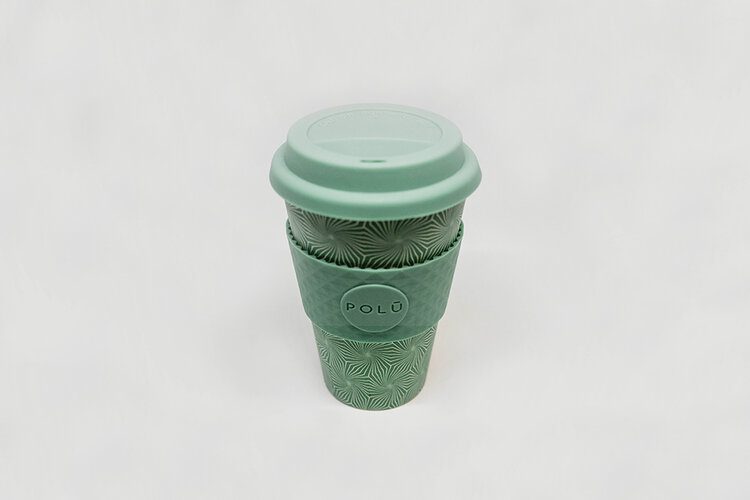
    My current coffee cup is from Polū, a company founded by two Aussie eco-warriors whose mission is to eliminate single-use products and promote Zero Waste living. Their bamboo fibre coffee cups are ethically sourced and completely compostable, whilst their silicone sleeve and lid are both recyclable. 

    What’s better is that with every purchase of a Polū cup, 50p is donated to AccesSurf, a Honolulu based non-profit charity organisation that provides water-based programmes, services, and events for people with disabilities.

    In addition to saving the planet from an abundance of single-use cups, another perk of using a reusable coffee cup is that most leading coffee shops offer a discount when you present your cup. In England for example you can save 25p in Costa and Starbucks and a whopping 50p in Pret.

    If you want to buy your very own compostable Polū coffee cup, saving both the planet and helping AccesSurf bring joy to people with disabilities in Honolulu then click here to make your purchase, and use “POSTCARDSFROMHAWAII” for 10% off your purchase!

    Sandwich wraps

    One of the best ways to save money when travelling often is to pack up your own food for the day instead of having to constantly buy meals out. To read more about this check out my blog post, 6 items for making food in your hotel room.

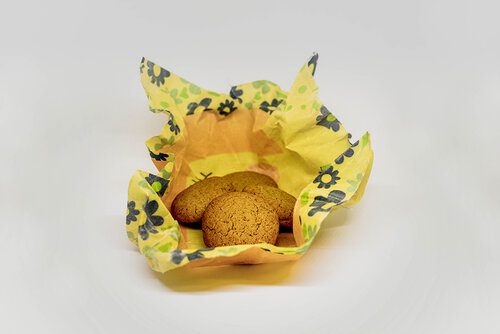
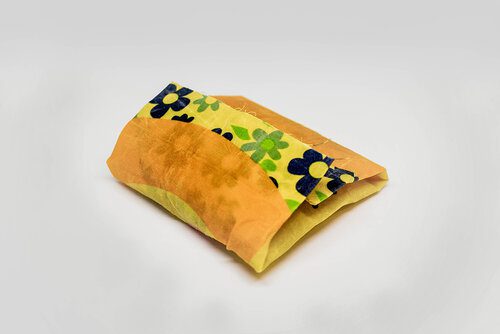
    To prevent using plastic wrap or sandwich bags, purchase a couple of wax wraps, made with either bees wax or plant resin for vegans. Their texture means you can easily fold them around your food and wipe them clean between each use. They’re also great for taking home any solid leftovers should you choose to eat out. You can also get a tin so you can make up and eat salads, pasta etc. on the go or you can take them to eateries to get your food to go packaging free.

    Shopping

    The third biggest area that we travellers can reduce our wasteful impact on the planet is with shopping. I know we’re not always prancing around on the beach in swimwear and buying handmade treasures from local markets, but when we do, when can do it responsibly. Here’s how:

    Shopping bags

    Plastic shopping bags have a lifetime of mere minutes to hours and yet they can take up to 1,000 years to decompose! We have long outgrown the need for plastic shopping bags with reusable alternatives for every thing we have ever used them for. Years ago I used to travel with plastic bags for the following uses:

    Use: Packing clothes in to keep them organised.

    Replacement: Reusable packing cubes.

    Use: Storing my shoes to protect anything in my suitcase from getting marked or dirty.

    Replacement: Reusable waterproof shoe bags.

    Use: Shopping, I would get new plastic bags every time I went shopping for souvenirs etc.

    Replacement: Reusable shopping bags.

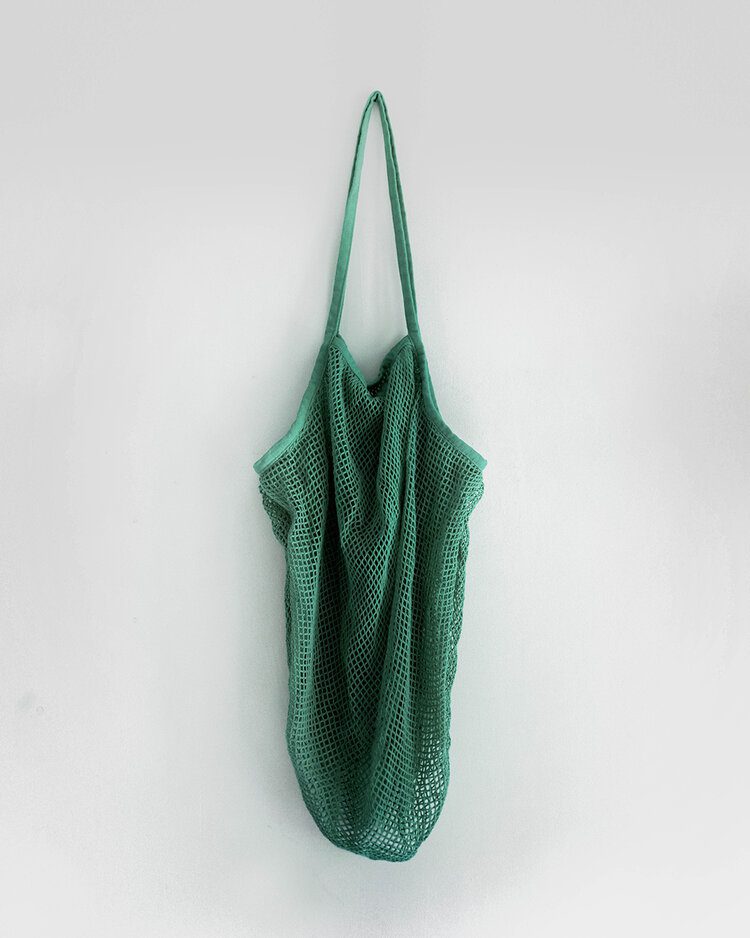
    There really isn’t a need for plastic shopping bags anymore. Just keep a couple of reusable bags on you and you’ll never be caught out. You can buy foldable ones from anywhere online to your local supermarket, and virtually every shop selling food or clothes will have a reusable bag you can purchase should you ever be caught out.

    If you have self catered accommodations when you travel and require a supermarket shop, try to buy products that either have zero packaging or recycled packaging. I realise this depends on the place you shop but it’s good to keep it in mind.

    Clothing that is made from recycled bottles and organic cotton

    Many leading brands such as ASOS and H&M have started to get onboard with making garments from recycled bottles and organic cotton. 

    Clothes made from recycled bottles repurpose something single-use into something that can last you for years to come and make you feel good about it every time you wear it. Although it doesn’t sound comfortable you would never be able to tell that it’s made from plastic. The most common garments you will find made from plastic bottles is swimwear, so next time you need some new swimmers whether it’s for doing laps or posing for the ‘gram, consider something that not only looks great on you, but is also doing great things for the environment.

    For women I recommend looking at ASOS because they offer a full range of responsibly recycled swimsuits and bikinis for maternity, tall, petite and regular. 

    For men I recommend looking at Dock & Bay. Their shorts are made from 100% recycled plastic bottles with 6 plastic bottles in every pair! I bought Michael a pair for his birthday last year (before I started working with them) and he loves them because they’re responsible, stylish and quick dry!

    Second hand clothing

    Consider buying your clothes from a second hand store either thrifted or vintage. I’ll be honest, I used to be so grossed out by this and it has taken me up until this year to actually start doing it and let me tell you, few things overjoy me as much as finding a bargain!

    . 

    There you have it, 25 sustainable swaps that we travellers can make to reduce our wasteful impact on the environment. Of course, these don’t just apply to travellers, please share this blog post with everyone you know who has a passion for saving the world and anyone who needs to make a start. 

    For more ideas on living sustainably to help protect our planet I strongly suggest purchasing “How to save the world for free” by Natalie Fee. This witty book offers advice on how to reduce your wasteful impact on our planet from food to sex (you bet sex was the first section I read!). There’s even a section on travel.


    Aloha, Gabriella

    Pin this post