Tag: Pub

  • 6 best things to do when visiting Plymouth, Devon

    6 best things to do when visiting Plymouth, Devon

    Once an important commercial shipping port to the Americas, the final departure point for the Mayflower and former home to the Royal Navy, Plymouth is a city rich in maritime history. Britain’s ocean city is one that exudes pride for its participation in colonising what is now known as the United States of America but is also deeply scarred by bombing during World War II known as the Plymouth Blitz that annihilated the city. Whichever way you look at Plymouth it’s a beautiful and fascinating city that caters to everyone whether your desire is to sample gin from the oldest gin distillery in the country, indulge in just-caught-that-day seafood, shop in the largest shopping centre in the southwest of England or swim in an art deco seawater pool. Want to know more? Great, let me take you through my 6 favourite things to do in Plymouth.

    This guide shares things you can do in Plymouth but please know there is so much more to see and do beyond the city such as coastal walks, visiting beaches and taking day trips to Cornwall, so make sure you explore further when you visit.

    Remember to always wear your mask indoors and sanitise/wash your hands as often as possible.

    1. Barbican

    Barbican is a waterfront neighbourhood that covers both the west and north sides of Sutton Harbour, Plymouth’s original harbour where the Mayflower sailed from (see more below). Despite the city being hit hard by the Luftwaffe in WWII, 100 listed building still stand in the area today including the Old Custom House and Plymouth Gin distillery both built in the 1500s.

    Present day, Barbican’s tiny cobbled streets are lined with shops, galleries, restaurants and pubs. It’s also where you’ll find the Mayflower Museum and the Plymouth Gin Distillery.

    Whilst pottering around the streets make a plan to get brunch from Rockets and Rascals where you can choose from meat, vegan and veggie options.

    PFH Fun Fact: Barbican has the largest concentration of cobbled streets in Britain.

    2. Mayflower museum and memorial

    400 years ago, on the 16th September 1620, a ship called the Mayflower made its final departure from England to the New World – now known as the United States of America – carrying 100 or so people plus crew with big dreams of building a new colony in the Americas.

    Across two floors of the Mayflower museum, located opposite the commemorative Mayflower steps, a permanent exhibition tells the story of who decided that they had had enough of England, why and how they went about attaining the Mayflower to make a 66 day-long voyage in cramped, damp and filthy conditions to the Americas. It also documents the six week-long troubles the passengers and crew faced before even departing from Plymouth and why Plymouth became the unplanned final departure point for the Mayflower.

    There is some but little information on the impact the new settlers had on the Native inhabitants who had lived in the Americas for over 12,000 years so my advice is, visit the Mayflower Museum to learn of the hardship, determination and strength of the people who faced an arduous journey to make a new home for themselves, but please make sure that you continue your education further to understand the damage and heartbreak caused on the other side of their journey. Though many see and celebrate the successful voyage and settlement of the Founding Pilgrim Fathers and Plymouth Colony, it is important to recognise their ignorant behaviour towards the indigenous peoples whose livelihoods were plundered, pillaged and sold off from under them.

    Opening hours

    Monday to Saturday 9am – 5pm

    Sundays 10am – 4pm

    Closed on Sundays between November and March

    Closed 25th Dec – 1st Jan

    Ticket cost

    Adult £3

    Children (5-16) £1.50

    Family (2 adults and 2-3 children) £8

    Senior and student £2.50

    Accessibility 

    Each floor is accessible by lift.

    COVID-19 restrictions

    Please use the provided hand sanitiser before and after entering.

    Observe the one way system.

    Wear a mask at all times indoors.

    Please stay 1-2 metres away from others.

    3. Plymouth Gin Distillery

    Take a glimpse into the process of creating Plymouth Gin in the oldest working distillery in England where they’ve been using the original recipe since 1793. For just £11 per adult you will get to learn all about the fascinating history of Plymouth Gin which continues on to an immersive experience involving their botanicals during a tasting of three of their gins, ending with the opportunity to take home a miniature bottle of gin or enjoy a drink at their bar. Before leaving you’ll be given a 10% discount code for their gift shop.

    Tours last about 40mins, allow extra time if you chose to drink at their bar.

    There’s also an opportunity to upgrade to a gin connoisseur and master distiller tour too. 

    If you’re a gin drinker then I would put this to the top of your list in Plymouth because it’s the perfect opportunity to learn more about gin whilst tasting it, but also to learn about the city with an overview of the distillery’s strong ties to the navy.

    Opening hours

    Tuesday – Saturday 11am – 5.30pm

    Sundays 12pm – 5.30pm

    Closed on Mondays

    Tours are ran daily and can be booked by calling ahead.

    Ticket cost

    Adult £11

    Accessibility 

    As it is a listed building, the floors are uneven but ramps and lifts are available to gain access to each floor.

    COVID-19 restrictions

    Tours are limited to 8 people.

    Tours must be booked in advance.

    Please use the provided hand sanitiser before and after entering.

    You must complete the track and trace form or log your location using the NHS Track and Trace app.

    Wear a mask at all times indoors excluding the time of your tasting.

    Please stay 1-2 metres away from others.

    4. Minevera Inn

    If gin isn’t your choice of tipple, pop into the oldest pub in Plymouth, Minerva Inn, where they serve a variety of local beers, ciders and spirits. Built from timber recovered from the Spanish Armada Fleet in the 1500s, drinks have been served at Minerva Inn since 1540. The walls are decorated with ephemera from the pub’s long history and photographs of how Looe Street, where the pub is located in Barbican, looked before it was bombed during the Plymouth Blitz.

    Whilst there, ask the friendly staff about the grim albeit interesting stories of the Press Gang’s occupation of the pub back in the 17th century and if your stomach can handle it, the ghostly tales of figures from time gone by.

    Opening hours

    Regular hours are:

    Monday – Wednesday 11.30am-11pm

    Thursday & Friday 11.30am – midnight

    Saturdays 12pm – 12am

    Sundays 1.30pm – 10.30pm

    Please note that at the time of publishing (October 2020) pubs in England must close at 10pm under new COVID-19 restrictions.

    COVID-19 restrictions

    Please use the provided hand sanitiser before and after entering.

    You must complete the track and trace form or log your location using the NHS Track and Trace app.

    Wear a mask at all times indoors unless you are at your table.

    Please stay 1-2 metres away from others.

    Table service only.

    5. Tinside Lido

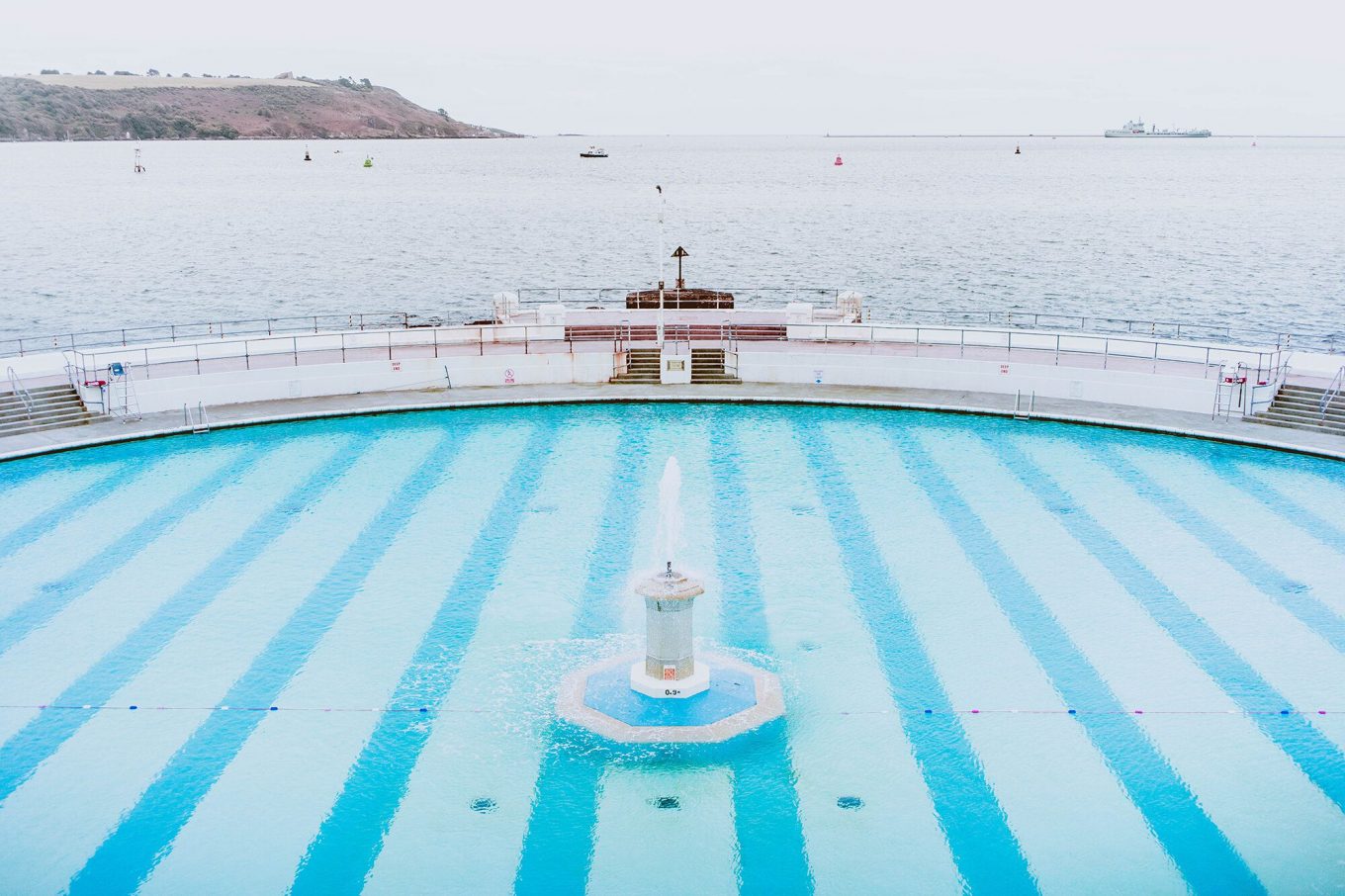
    Tinside Lido is Plymouth’s Art Deco seawater swimming pool built into the shoreline and cliffs in Hoe. This Grade II listed building was originally opened in 1935 and was a popular holiday for people living in the UK during the tourism boom in the early-mid 20th century. Unfortunately, for Tinside Lido, as international travel picked up towards the end of the century, fewer people visited and in 1992 it was closed and soon fell into disrepair. However, in 2002 funds were raised to restore the iconic outdoor pool and it was successfully reopened in 2005. Yay!

    So now for just £5 you can take a dip in a beautiful 1930s seawater lido where on one side you can admire the classic Art Deco architecture and on the other you can gaze out to sea. Warning, the pool is only ever 2 degrees Celsius above sea temperature so if it’s a chilly day, prepare for a shock! 

    When you’re done, pop over to The Terrace (just a 2 minute walk away) where you can get a cuppa to warm your bones after a cold swim or maybe a glass of wine on a sunny day whilst looking out at the lido.

    Though you can’t swim in the lido during the cooler months, you can still view it from a platform above the pool just off from the main road.

    PFH Fun Fact: Tinside Lido was featured in a BBC ident.

    If you’re visiting Plymouth in the summer, hang around Hoe Park at sunset to see the sun dip behind the hill, casting an array of peachy pink stripes across the sky.

    Opening hours

    The pool is open seasonally from 10.00 and each paid admission counts for a two hour swim.

    The C-19 pandemic has altered the lido’s open season, so check here before paying a visit.

    Ticket cost

    Adult £5

    Accessibility 

    There is a road side lift to take you to reception.

    There is an internal lift to the pool level.

    There is a hoist in the main pool.

    Dedicated toilets and changing rooms are available.

    COVID-19 restrictions

    Wear a mask at all times indoors.

    Please stay 1-2 metres away from others.

    6. Royal William Yard

    Unsure about what you fancy for dinner and need a variety of choices? Or maybe you want dinner somewhere steeped in maritime history, then head over to Royal William Yard. Royal William Yard is a Grade I listed building that used to be naval buildings but is now the top waterfront dining destination in the city as it’s filled with restaurants as well as a boutique, salon, hotel, wine merchant and brewery, plus there’s a monthly food market.

    Take no notice of Wagamama or Prezzo though as there’s far more exciting eateries including Le Vignoble with over 300 wines from around the world on offer and The Hook & Line where you can order from a menu of fresh seafood caught locally on the owners’ fishing boats.

    By the way, you’ll find the city’s first ever speciality rum bar at The Hook & Line, serving up a selection from all around the world including popular local rums. This is homage to the city’s and the restaurant location’s naval heritage. If ale is your poison, then try their signature ale: The Hook, Line & Sinker.

    COVID-19 restrictions

    Please use the provided hand sanitiser before and after entering.

    You must complete the track and trace form or log your location using the NHS Track and Trace app.

    Wear a mask at all times indoors unless you are seated at your table.

    Observe the one way system.

    Please stay 1-2 metres away from others.

    Table service only.


    I really enjoyed visiting Plymouth. Even without a particular interest in its naval history it’s wonderful to experience the city’s various nods to its maritime culture, whether it’s a tour at the distillery that used to supply the naval officers with gin, a swim in a seawater pool, a meal at a restaurant located in naval buildings or learning about the voyage of the Mayflower. 

    Gabriella

    Pin this post


  • 7 must-visit attractions in the Cotswolds, England

    7 must-visit attractions in the Cotswolds, England

    The Cotswolds is an iconic rural area in the English countryside. Located in the South of central England, it’s just a stone’s throw away from the Welsh border. It’s perfect for a staycation or if you’re travelling from abroad it’s an ideal escape to the British countryside; think The Holiday (2006) and those are the vibes you’re getting (it’s not set in the Cotswolds, but you get the idea).

    The Cotswolds cover 800 square miles, stretching across these five counties: Gloucestershire, Oxfordshire, Wiltshire, Warwickshire and Worcestershire. Despite covering five different counties that each have their own individual charm, the Cotswolds stands in unison with its easily identifiable golden Cotswolds stone walls and buildings, medieval villages and rolling hills for as far as the eye can see. 

    PFH Fun Fact: “Cot” means sheep enclosure and ‘wold’ means hill.

    With plenty to do it’s important to me that I stress that these aren’t the only things you can do in the Cotswolds but they were my favourites and really give you the full Cotswold experience, which is why I wanted to share them with you:

    1. See Arlington Row in Bibury

    Bibury is small, quaint and picturesque village in Gloucestershire and is just a short drive from “the capital of the Cotswolds”, Cirencester. From the evidence of its existence provided in the Doomsday Book, the village of Bibury dates back as far as 1086.

    British textile designer, William Morris, once described Bibury as “the most beautiful village in England” and as it’s home to one of the most photographed places in England, it’s hard to argue with that statement.

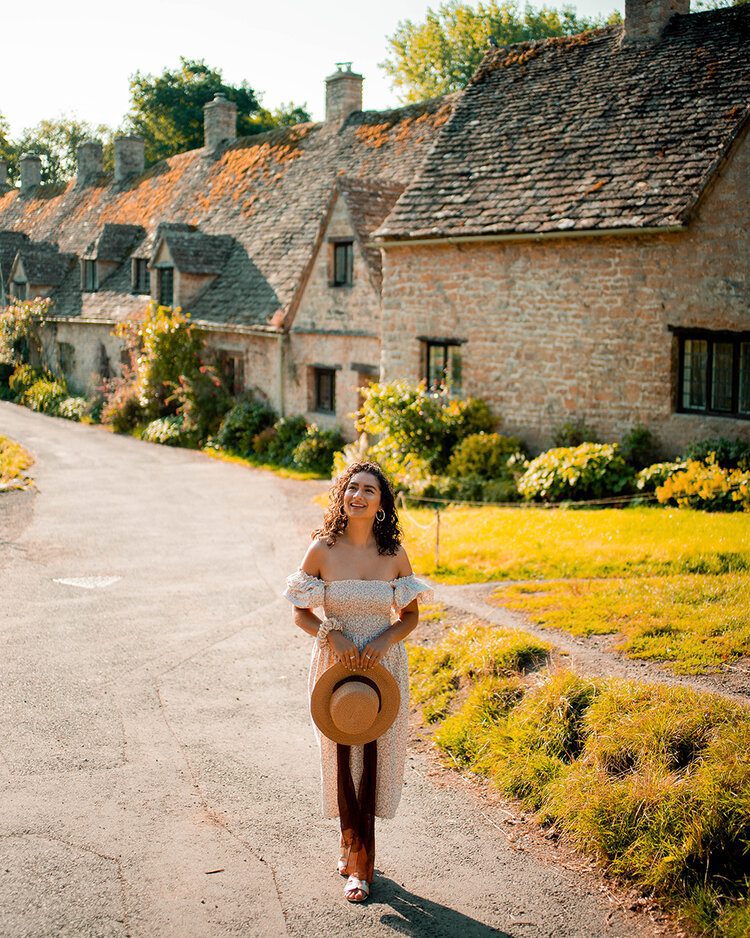
    Arlington Row is the most photographed row of cottages in England and when you see it in person you’ll realise why. It’s the quintessential image of honey coloured Cotswold stone cottages, nestled into the beautiful British countryside, surrounded by brightly coloured flowers and accessed by a little bridge over the gentle River Coln that’s full of kingfishers, ducks and royal swans. Catch it on a quiet, sunny morning and it feels like you’re in a scene from Stardust… well that’s actually because some scenes from Stardust (2007) were shot along Arlington Row. Actually the Cotswolds is home to many movie locations such as Bridget Jones’ Diary, Downton Abbey and Harry Potter. To find out more, check out this helpful article by Rabbie’s Travelfeels.

    Arlington Row was originally built as a wool store in 1380 for Arlington Mill. In the 17th century, it was converted into cottages for the weavers, who used to hang the washed wool out on racks that lead to the name of the nearby meadow, Rack Isle. In 1929 it was purchased and preserved  by the Royal Society of the Arts then in the 1970s it was purchased and preserved by the National Trust.

    All but one of the cottages are privately owned and occupied but you can actually stay at 9 Arlington Row for a minimum or 3 nights for about £500. You can book it here via the National Trust website, keep in mind you’ll need to book months out for this popular spot.

    PFH Fun Fact: Arlington Row featured on the inside cover of the 2010 issued British passports, making the village an even more popular destination to visit.

    Aside from being home to an Instagrammble hotspot, Bibury is also known for its unique and rare wildlife that mostly live in the protected meadow behind Arlington Row, Rack Isle. Take a long stroll around the village and make time for a treat in one of the local tearooms.

    As you can imagine, Bibury is a popular village to visit and it gets busy so if you want to see it at its best I suggest arriving early in the morning. 7.30am in summer is ideal as the sun is just creeping over the tops of the cottages creating a warm glow on the already golden stone and as everyone is asleep it’s quiet enough to only hear the birds singing. It’s ideal for taking in your surroundings and getting photos. You won’t need to rise so early in winter but still go as early as you can to avoid crowds. If you do arrive early, please be quiet and respectful of the people who actually live in these cottages.

    2. Visit Bourton-on-the-Water

    Bourton-on-the-Water, dubbed “the Venice of the Cotswolds”, is one of the prettiest villages in the Cotswolds by far! The village is located in Gloucestershire and straddles the River Windrush and each side is accessible via a series of low bridges, which make for a great photo spot by the way.

    There’s plenty to do in Bourton-on-the-Water besides taking cute photos and even though I don’t plan on having any yet, it’s a great spot for kids with wildlife parks, the Motoring Museum which is home to Brum (if you know, you know) and the Model Village to keep them entertained. 

    Start by arriving early to avoid the crowds, take a stroll along the river, taking cute photos whilst no one else is around getting in the background. This will also ensure you nab a parking spot before the village fills up. Next, grab breakfast in Bakery On The Water, a small family run artisan bakery, and if the weather is good choose to sit outside where you can sit next to the river as it runs down into the village. Walk off your breakfast by visiting the Motoring Museum next door which is home to over 40 cars including little Brum. 

    For those of you who didn’t grow up watching Brum on the tele in the 90s, he was a little, yellow, half-scale replica of a late-1920s Austin 7 Chummy convertible car with giant eyeballs, who would regularly drive off to “Big Town” when his owner wasn’t looking. Each episode would see him coming to someone’s rescue or learning something new and would end with him coming home with some souvenir of the day which, for some reason, NEVER seemed to baffle his owner when he found it at the end of the day. It’s a classic!

    Once you’re done at the Motoring Museum, stroll over to the Model Village, a miniature replica of the very same village you’re in. Built in the 1930s, it’s the only Grade II listed model village in the country. At £4.50 per adult and £3.50 per child (children under 3yrs old go free) it’s entertaining for all ages, especially when you realise there’s a model village in the model village, in the model village in the model village – that honestly gets me every time! 

    Once you’ve finished up in the model village, spend some time pottering around the shops and maybe take a break for a cream tea (a pot of tea served with a scone topped with jam and clotted cream) before leaving.

    3. Go for a long hike

    Provided you are able to do so, hiking or going for a long stroll out in the countryside of the Cotswolds is an absolute must. With plenty of paths, routes and bridleways it’s hard to choose which to tackle, but the number one trail is Cotswold Way. This 102 mile long National Trail is the most famous walk in the Cotswolds as it goes all the way from one end of the Cotswolds to the other: from Bath, Somerset to Chipping Campden, Gloucestershire. There’s plenty of opportunities along the trail to do sections of it rather than the full 102 miles, thank goodness. We chose to do the Leckhampton Hill Loop which is a moderate hike with some steep sections that starts and ends in Seven Springs. It’s 4.5 miles (7.25km) and will take around 3hrs to complete. The Leckhampton Hill Loop covers some of the best sections of The Cotswold Way including vast luscious grasslands home to roaming cows, Iron Age remains and an incredible hilltop view over Cheltenham. Park up early in the lay-by opposite the Seven Springs pub.

    Another really beautiful spot to hike that is close to the Cotswolds but not in it, is the Wye Valley Area of Outstanding Natural Beauty, there’s a pay and display car park at Symonds Yat Rock where you can start many trails. Make sure you make a stop at the view point from Symonds Yat Rock for breathtaking views of the valley which includes a horseshoe bend in the River Wye and the chance to spot a Peregrine Falcon, the world’s fastest bird, soar.

    Be sure to bring water, wear suitable footwear and if you walk in the summer make sure you wear suncream.

    4. Take a deep breath at Cotswold Lavender

    If you’re a frequenting reader of Postcards from Hawaii, you probably know that I am obsessed with lavender, so one of the first things I needed upon arriving in the Cotswolds in July 2020 was to visit Cotswold Lavender.

    Cotswold Lavender is a third-generation family run Lavender farm and distillery, located in Snowshill, Worcestershire that overlooks the Vale of Evesham. Unlike many other Lavender farms across England, their visiting months are limited to just June and July so aim for these summer months if you’re planning to visit. The middle of July is when the lavender is most in bloom.

    The field opens at 10am and costs £4 per adult and £2 per child aged 5-16 years, children under 5 get free entry.

    With over 40 varieties of lavender across 140 miles (225km) of rows there’s plenty of opportunities to take a moment to deeply breathe in the intoxicating and calming scent of the lavender plus you can get all the photos you need from various angles thanks to the plants being split up into various patches.

    The best angle is with the lavender farmhouse in the background (it’s on the right as you enter the lavender fields). As always, arrive early for the best shots.

    There’s plenty of picnic benches amongst the lavender if you want to bring your own lunch.

    Be sure to pick up some of their lavender products before leaving, they’re amongst my favourite lavender products I’ve ever purchased. Their lavender hand sanitising gel is ideal for keeping you clean and calm in a pandemic and their sleep spray is heavenly! 

    For further reading on lavender on PFH, check out 10 lavender products for more relaxing travels and How to sleep on long flights.

    5. Go wine tasting on a vineyard tour

    Catch them on a glorious spring/summer’s day and the vineyards within the Cotswolds look and feel like rural France.

    Our vineyard of choice is one of the oldest in England: Three Choirs in Gloucestershire. A tour and tasting at Three Choirs Vineyard costs just £12.50 per person and includes a 30-45mins guided walking tour of the factory which gives you a brief history of the vineyard and their wine production plus you get a tasting of four of their wines which includes their sparkling, red and white wines. Bookings must be made in advance by contacting them here.

    Be sure to book a table at their brasserie where you can dine on a carefully selected menu to compliment their wines whilst looking out over their some 45,000 French and German grape vines set upon 75 acres of hills. 

    After your meal, take a lazy stroll on the vineyard walk which is mapped out with plenty of signage explaining the history of Three Choirs’ wine production. 

    There’s also a shop for you to purchase your favourites from your tasting and meal and with their own onsite accommodation, there’s also the option to wake up to the beautiful view of the vines.

    6. Enjoy a lazy pub lunch 

    Though it’s not what we’ve been used to, I honestly much prefer the way pubs are set up now due to the worldwide C-19 pandemic. Everything is table service which means you don’t have to queue at a crowded bar, the tables and toilets are regularly cleaned which means no more sticky surfaces and seating is far more spread out so you can rest assured that everyone in the village won’t know your business because no one can hear you chatter at your table now!

    Pretty much every village in the Cotswolds has a pub so you won’t have to look far to find a dreamy location for your lazy lunch. Treat yourself after a long morning walk/hike – like the ones I mentioned earlier – to a pint and lunch or better yet, end your week with a Sunday lunch carvery. 

    The pub we chose to eat at was The Royal George in Birdlip, a tiny but picturesque village in Gloucestershire.

    You could also grab a pint in the oldest pub in Britain, The Porch House in Stow-on-the-Wold with parts of its building known to date back to the year 947!

    7. Experience ancient Rome in Bath

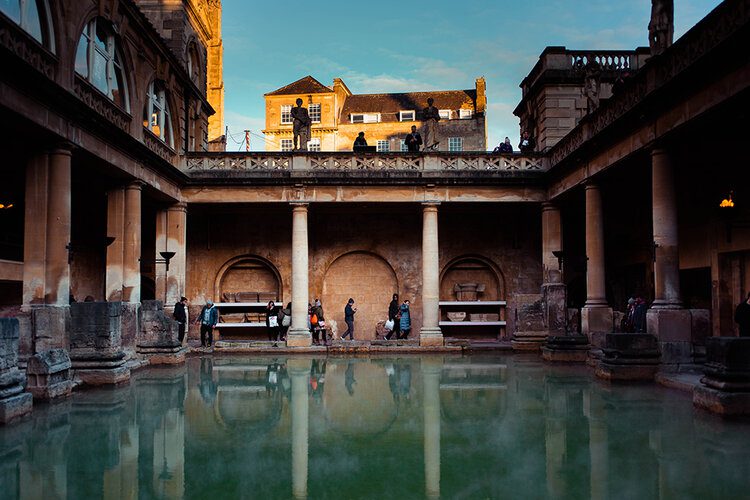
    Bath, Somerset is located at the very base of the Cotswolds. Its history spans thousands of years as it was an ancient Roman settlement over 2000 years ago. I highly recommend spending some time exploring Bath and learning about its rich history making sure to visit the Roman Baths, stroll the cobbled street and eat at Sally Lunn’s. To read more about what to do in Bath, take a look at Long weekend in Bath, England itinerary.


    If you do visit any of these places during the pandemic, please make sure you bring a reusable face mask and keep your face covered whenever you’re inside or in close proximity to other people outside of your allowed bubble. Please regularly wash your hands or use sanitiser and put in the effort to socially distance yourself from others.

    As I have recommended with many of the things to do in this list, arrive early to avoid crowds and not only will you have a better chance of taking great photos but you will also reduce the amount of people you are around.

    Gabriella

    Pin this post


  • A guide to spending the day at the British seaside

    A guide to spending the day at the British seaside

    Well it’s not quite the Great British Summer we were expecting for 2020 but it won’t be like this forever! Let’s make the most of what we have left of the summer and then this little guide will still be around for years to come when you (whether you live in the UK or plan to visit) can spend a classic day at the seaside doing all the things that make summer by the seaside the quintessential pastime that it is.

    I wanted to put this guide together for anyone coming to a British seaside town for the first time, so that you can spend the day doing all of the classics that so many Brits have enjoyed for years. 

    Fun Fact: The day below is my ultimate date plan. My favourite days spent with Michael at home are doing exactly what I’ve listed below. I don’t (always) need a fancy dinner, just give me a handful of 2ps for the arcade and chips swimming in vinegar and I’m on cloud nine.

    Find a spot on the beach

    The goal here to is arrive early to nab a good spot and then spend an almost absurd amount of time there; I’m talking hours. You don’t want to leave until sand is everywhere: hair, mouth and even your bits. If sand isn’t washing out of your crack in the shower at the end of the day, you didn’t stay at the beach long enough. 

    Things to do on the beach:


    • Read a book


    • Make a sandcastle


    • Do a beach clean (and dispose of the rubbish/trash responsibly)


    • Swim in the sea, even if it’s a little chilly


    • Bodyboard, paddle board or surf


    • Rock pooling (discover the sea life living in the rock pools during low tide)


    Things you might want to consider bringing with you for a day at the British Seaside:


    • A windbreaker


    • Collapsible camping chairs


    • A net


    • A bucket and spade


    Please either keep hold of your bucket and spade to reuse and if you don’t want to travel with it, please hand it to a family so that their kids can use them. NEVER leave your bucket and spade on the beach, the tide will carry them out to sea and it will pollute the ocean and could kill marine life.

    THIS IS VERY IMPORTANT: Check the tide times before you plan to go. Having worked in a little café on the beach for 9 summers when I was younger, if I had a penny for every time a tourist asked me where the beach was I wouldn’t have had to work as a waitress for 9 years! Many beaches will be covered during high tide so check the tide times for your beach of choice online. 

    High tide: the sea has come in and is covering the beach.

    Low tide: the sea has gone out and the most amount of beach is uncovered.

    Please make sure you drink plenty of water and regularly apply suncream. Pay attention to signs on the beach that indicate safe swimming areas/rip tides.

    For a packing guide for a day at the beach, check out my blog post: what’s in my beach bag.

    Fish & Chips for lunch

    If you’ve read my blog post, Traditional British meals every traveller needs to try then you’ll know that fish and chips is one of my favourite meals of all time. I cannot go too long without fish and chips, fish and chips is life. If you’re vegan, drop the fish and just go with the chips, many places will fry in veg oil, but check in advance.

    Check out my blog post Traditional British meals every traveller needs to try to read about your different condiment options.

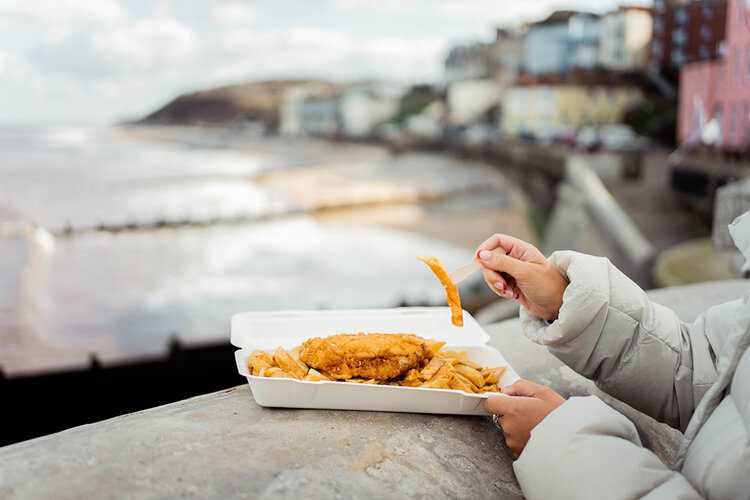
    When getting fish and chips on a day at the beach, you’ll want to get to the chippy before 12pm or later in the afternoon to avoid queues longer than Brighton pier. Get them open (rather than wrapped) so you can add your own salt and vinegar, then head back to the beach. Yes you’re probably going to get sand in your chips, but that’s part of the charm. 

    PSA: Beware of the seagulls!

    Visit the local shops

    No trip out is complete without a souvenir of the day. With so many locally made options, it would be a shame to leave the seaside with a standard trinket over a unique-to-the-area souvenir. For example, when visiting the Norfolk seaside, you absolutely must pick up something made with Norfolk lavender or when in Brighton or Blackpool you can’t leave without a stick of rock (hard candy).

    Spend purposefully not mindlessly and support local businesses.

    Enjoy a 99 Flake ice cream

    Ice cream comes after the shops because many won’t let you in with food and drink… it’s fair, I’ve been both the customer who accidentally dropped their ice cream and the shop assistant who has had to clean up the ice cream off the floor, so shop then eat.

    Unless you have allergies – in which case you can get an ice lolly, sorbet or ice cream in a pot – the only ice cream you should be eating at the seaside is a 99 ice cream. But Gaby, what on earth is a 99 ice cream? It’s a soft whip vanilla flavoured ice cream that should be (but isn’t always if you’re being served by a teenager) delicately swirled into a wafer cone (that tastes like nothing but it’s not the same without it) and then penetrated by a Cadbury’s chocolate Flake (a crumbly chocolate stick that falls apart when you try to eat it). Honestly it’s the basic bish of British ice-cream but summer just wouldn’t be the same without it.

    Contrary to popular belief, a 99 Flake ice cream didn’t get its name from its price but unfortunately no one really knows why it is called a 99 flake, 99 or ninety-nine. The true origin has been lost in time with many people claiming to be the first to snap a Cadbury’s Flake in half and stuff it in an ice cream. Origin stories cover tributes to the First World War, cricket, Italian Royalty and shop addresses. Either way, not knowing why it’s called a 99 Flake ice cream is part of the charm.

    Ideally you want to purchase your 99 Flake ice cream from an ice cream van with copyrighted cartoon characters with slightly askew features. Ice cream van jingles are the sound of summer!

    Play in the seafront arcades

    In the days before we all carried around copious amounts of hand sanitiser, I would make sure eating our ice cream came before going to arcades, because there’s nothing sanitary about handling decades worth of copper pennies and then eating with your hands.

    The arcades is one of my favourite parts of the day, it’s good fun with minimal effort and provided you don’t get carried away, it doesn’t cost much. 

    The most classic machine to play is the 2p slot machine. Not just any 2p slot either, you want the one that looks like this one in the photo, where there’s a whole platform pushing coins rather than rickety old arms that barely push the coins anywhere. This machine will give you your best chance of getting more coins back.

    Your technique should be to drop your coin as the top shelf is drawn in, so that by the time it lands, the shelf is all the way out, then when it draws back in again, the coin will push other coins froward and hopefully off the shelf. 

    The goal of these machines is to win something crappy that’s hanging off the edge but if it’s not something you’ll use, either play for the fun of it or even give it back to prevent contributing to waste (because really, these prizes are naff, except for the time I won a High School Musical pen, I still have that). Many arcades offer tickets/tokens that you can collet to buy better toys, but really you’ll only collect enough for some sweeties/candy.

    To manage your spending at the arcades, don’t change up more than £5 of 2ps. Honestly you can get your kicks on a couple of pounds and anymore than £5 you should have just spent it in one of the local gift shops instead. There will be various change-maker machines around the arcade but if you have notes, take them to the counter to be changed up.

    Playing 2p slot machines in the arcades at the seaside is a simple pleasure in life that I think everyone should experience, if possible.

    Grab a pint from the pub

    After a long day at the seaside, it’s really only logical to end it with a cold pint, or something equally classic such as a Pimm’s No.1 Cup or a G&T, at one of the local pubs. 

    If you don’t drink alcohol, don’t worry, this isn’t quite so much about drinking as it is socialising and taking a pause to savour the day you’ve just had at the beach before leaving. Whether it’s a pint of local ale or lemonade, take it out into the beer garden and enjoy what’s left of the sunshine before it dips below the buildings.

    If you are drinking an alcoholic beverage, firstly drink responsibly, and second try a locally brewed beer, cider or gin.

    .

    Gabriella

    Pin this post


    .

    If the photos are confusing it’s because I had originally started shooting this content back in February 2020 (pre-pandemic) for something else, hence the winter gear but I guess it shows you can do ALL of this no matter what time of year it is.

  • 12 things to do in London during the holidays

    12 things to do in London during the holidays

    London is one of the most magical places to be at Christmas, the whole city sparkles as everyone with rosey noses from the cold wishes you a merry Christmas, before they elbow you in the ribs squeezing onto the tube at Oxford Circus. I said magical, not perfect! 

    Seriously though, it is one of the best places to visit around the holidays, there’s so much going on that everyone can find something they’ll enjoy doing. Don’t believe me? Well check out my list of 12 things to do in London during the holidays below:

    1. Marvel at the Christmas lights and displays

    Central London’s Christmas lights attract thousands of people every year. For the best displays head to:

    Oxford Street

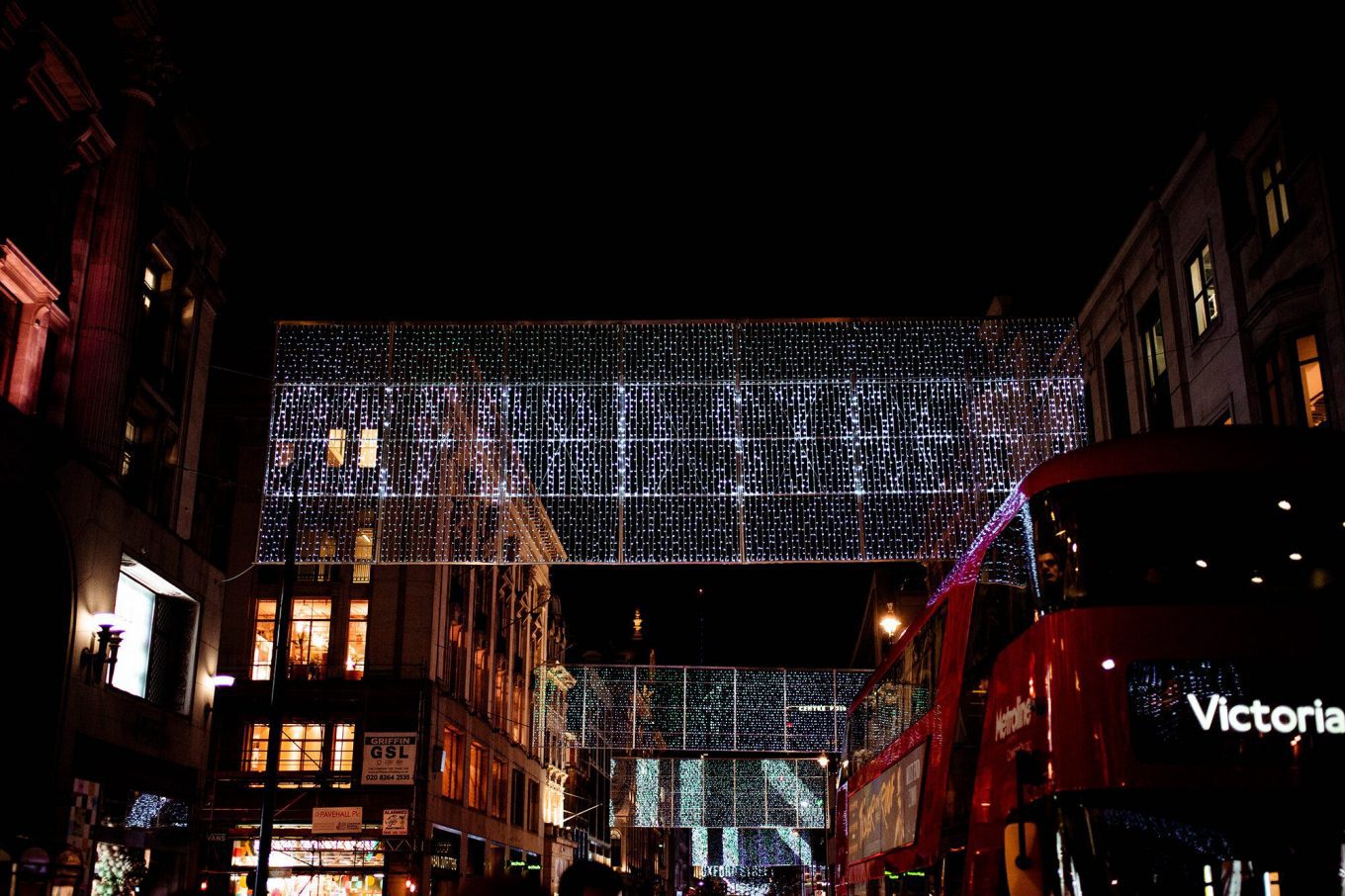
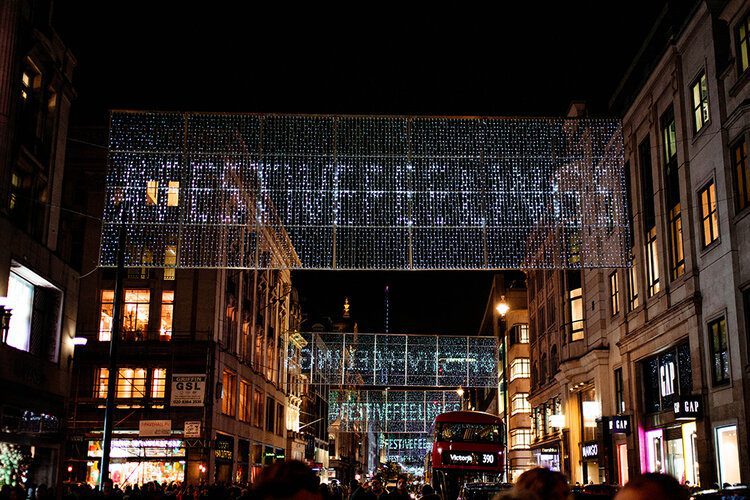
    For the first time in six years, Oxford Street’s Christmas lights have had a makeover and all the lights have been replaced with LED ones. The 2019 display is made up of 27 LED interactive “light curtains” made up of 222,000 lights. The theme is #festivefeelings and if that doesn’t summarise the end of this decade I don’t know what does.

    Regent Street

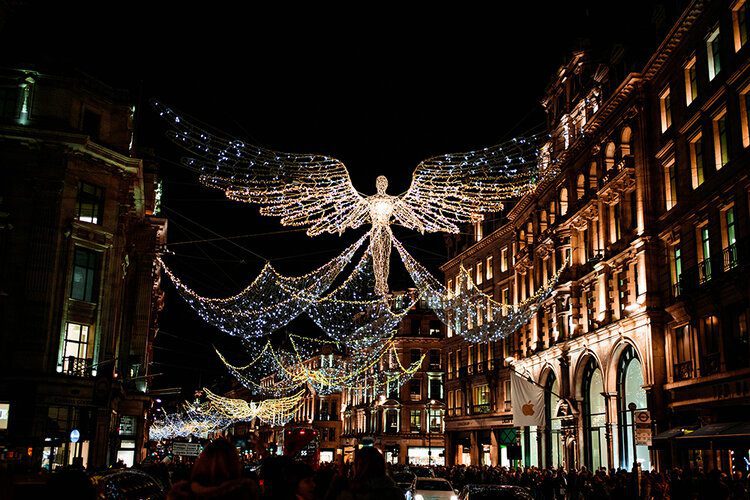
    This year Regent Street is celebrating its 200th anniversary. Go pay a visit to the angels that float gracefully above this iconic London street. This year’s “The Spirit of Christmas” lights are inspired by their 1954 Christmas light display.

    Carnaby Street

    The Christmas display at Carnaby Street always has a contemporary theme that captures compelling moments in time. Last year (2018) was dedicated to Queen’s Bohemian Rhapsody celebrating not only the incredible success of the band but also the Academy Award winning film that loosely documented their rise to fame.

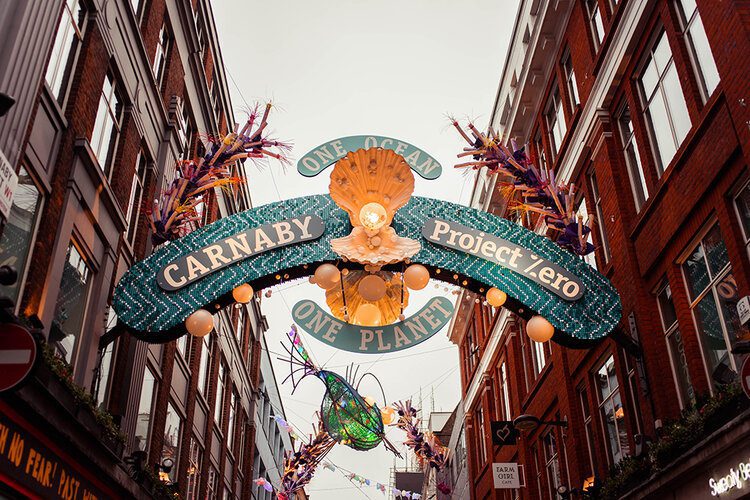
    This year the theme of Carnaby Street’s Christmas display is the plastic pollution crisis in our oceans. Carnaby x Project Zero has created a seascape featuring jellyfish, a whale, crabs and more and has various points where you can donate to the oceanic conservation charity, Project Zero. There are also recycling points for single use coffee cups and tips on how you can help the ocean today!

    Covent Garden Market

    Covent Garden market never disappoints as the quaint little spot in central London always shows off with an Instgrammable art installation. Last year a little green car stacked impossibly high with presents sat in the courtyard with pretty little benches all around. This year various companies including the Royal Opera House has sponsored various Christmas trees which you can stand amongst for that all important IG snap. From ballerina shoes to giant hanging candy canes, each tree is uniquely festive.

    Tiffany & co. also pulled a fun festive installation out of the bag which you can also grab photos with.

    2. Ice skating

    Ice rinks pop up all across London from Canary Wharf in East London to the Westfield in West London. The two best ones to skate at though are:

    Natural History Museum ice rink

    If you’re looking for the nicest rink with the best view then head to the ice rink at the Natural History Museum in Knightsbridge, opposite the V&A museum. From the ice you’ll be able to look up at the museum’s grand facade plus they have a giant Christmas tree in the centre which is sponsored by Viktor & Rolf this year (2019).

    The Natural History Museum ice rink is particularly good to visit if you are bringing children because they offer little penguins to keep them upright, plus you can take them to the museum after your time on the ice.

    Cost

    Adult tickets start from £12.65

    Child tickets under 12 years old start from £8.80 

    Family tickets start from £39.60

    Entrance to the Natural History Museum is free!

    Opening times

    19 October 2019 – 12 January 2020

    Daily 10am – 10pm

    Closed Christmas Day

    Skate at Somerset House

    Michael and I have been skating at the ice rink in Somerset House since we were at uni, nearly a decade has passed and I still cling to the wall whilst it zips off lapping me until I get bored waiting for him to fall and leave the ice to get a hot drink instead.

    What I love most about the Skate at Somerset House is their sponsors and this year is no exception as it’s sponsored by none other than Fortnum & Mason. For those of you who don’t know, Fortnum & Mason is a department store, originally founded as a grocery store in 1707. It is by appointment to Her Majesty Queen Elizabeth II and the Prince of Wales and is the luxury that you never knew you needed in life, especially during the holiday season.

    Take a snap in front of their Christmas tree, pick up some treats and stocking fillers in their pop up store which features everything they do best: tea, biscuits, coffee, jam, chocolate, sweets and more! They even have a little Christmas shop in there too! Once you’ve shopped, adjourn to The Lodge next door which is their pop up restaurant where you can crack your own walnuts and enjoy people falling on the ice from the warm with one of many festive themed drinks and an extensive menu of posh party food classics.

    Cost

    Adult tickets are £15

    Children under 12 years old are £9.50

    Opening times

    13 Nov 2019 – 12 Jan 2020

    Mon – Sat 9am – 9pm

    Sun 9am – 8pm

    .

    Personally I would recommend the NHM ice rink if you want great photos and Skate at Somerset House if you want a good time off the ice.

    3. Winter Wonderland in Hyde Park

    Located in the centre of Hyde Park, Winter Wonderland in Hyde Park attracts over 3 million tourists a year (according to The Londonist).

    It’s fun for anyone who doesn’t mind loud noises and big crowds. I can’t lie, although it’s definitely something you should experience in London around the Holidays, it requires patience. It’s best experienced with a large group of friends who are happy to stand around the Eastern European themed lodges and bars or with kids who want to ice skate and go on the rides.

    As well as bars and rides, there’s also plenty of eateries covering a multitude of cuisines and market stalls selling festive wares.

    Cost

    Entrance to Winter Wonderland is free

    Opening times

    21st November 2019 – 5th January 2020

    Daily 10am – 10pm

    4. Take a stroll through Hyde Park with a hot drink

    If the shoulder to shoulder bustle of Winter Wonderland isn’t your thing, and trust me no one blames you, take it easy in Hyde Park by going for a stroll with a hot drink instead. The park is surrounded by coffee shops and filled with multiple kiosks. Remember to bring your reusable cup!

    5. Visit the Liberty of London Christmas shop

    Liberty of London’s Christmas shop on the top floor is the best Christmas shop you’ll find in London. Two rooms are dedicated to all things festive from decorations big and small to crackers, candles and advent calendars. Not just any decorations either, if you’re looking to theme your tree like you’re a high-rolling-Kardashian then this is the place to come. A patriotic brit theme? Pick up an array of glittering Union Jack baubles and portraits of the Queen. A tropical theme? Brightly coloured hibiscus flowers and palm trees are to hand. You can even go for a Christmas dinner theme with felt sprouts, turkeys and pigs-in-blankets! Whatever you think of, you can most definitely pull off with a one stop shop at Liberty.

    PFH Top Tip: Liberty of London marks up prices big time, I bought a candle in there for £27.95 only to find it elsewhere for £20. I would browse for Inspiration and search online for a better price.

    6. Christmas window displays at Selfridges & co.

    Before enduring some wildly expensive gift shopping in Selfridges, take a moment to marvel at their themed window displays. Another window display worth checking out is Fortnum and Mason’s.

    7. Shop in Fortnum and Mason’s food hall

    If you didn’t fancy ice skating at Somerset House or want to expand on your Fortnum’s experience then head to Fortnum and Mason’s original store on Piccadilly Street. I am a big fan of their food hall and have bought stocking fillers and Christmas treats here for the last eight years. You can never go wrong with a treat from Fortnum’s. 

    My top stocking filler picks for my family every year are:


    • Dark Chocolate covered ginger


    • Cinnamon dusted almonds


    • Tins of biscuits


    • Tins of loose tea


    • Chutneys


    • Welsh rarebit


    8. Harrods at night

    Harrods has the most impressive and iconic shop front. When the sun goes down its whole facade comes to life with the help of 12,000 light bulbs, a tradition which began 60 years ago in 1959. This has been a very popular Instagrammable spot this year so it’s a great place to grab a snap for your ‘gram.

    9. Borough Market

    Feeling peckish? Head to Borough Market near London Bridge.

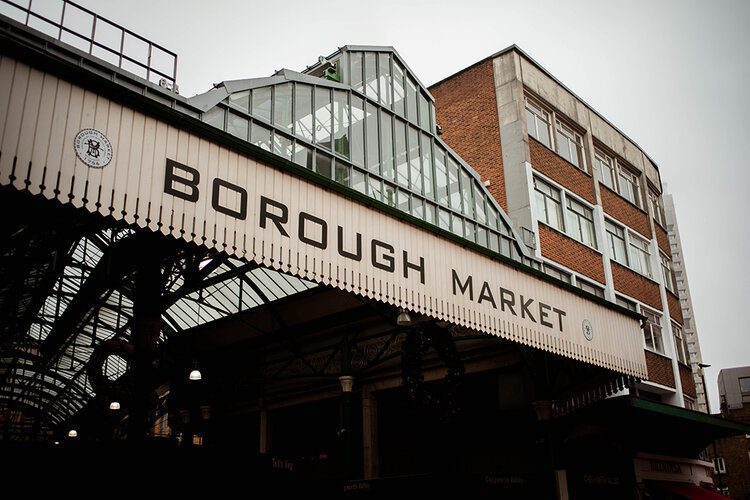
    Borough Market is one of the oldest food markets in London. A food market is known to have been at Borough Market as far back as the 12th century. Now with over 100 traders you’re sure to find a snack, meal or stocking filler here.

    PFH Top Tip: The doughnuts from Bread Ahead are amazing!

    Search the market map here.

    Opening hours

    Monday – Thursday 10am – 5pm

    Friday 10am – 6pm 

    Saturday 8am – 5pm

    Sunday closed

    10. Get dinner and watch a show on the West End

    It’s one of the most classic and cultured things to do in London: dinner and a show. With a multitude of theatres spread out across the West End you’ll be best leaving yourself plenty of time before your show to grab dinner so that you can get there without rushing. 

    To find out how to get the cheapest theatre tickets in London take a look at my blog post, How to get discounted London theatre tickets.

    11. Grab a pint in a traditional English pub

    These pubs in London boast the richest history but are often overlooked by tourists who either want pretty exteriors for photos or locals who want cheap deals in Whetherspoons. The ones I recommend are: 

    Ye Olde Cheshire Cheese

    Ye Olde Cheshire Cheese deserves top spot just for the name. It’s one of the oldest pubs in London having been re-built after The Great Fire of London in 1666 and still has all of it’s dark and awkward character it did way back when. Head deeper underground as the light fades and the randomly shaped rooms shrink to enjoy a pint or two just as Charles Dickens often did way back in the 1800s.

    Where? 

    Fleet Street

    Opening hours

    Mon – Fri 11.30am-11pm 

    Sat 12pm-11pm

    Sun closed

    The Old Bell Tavern

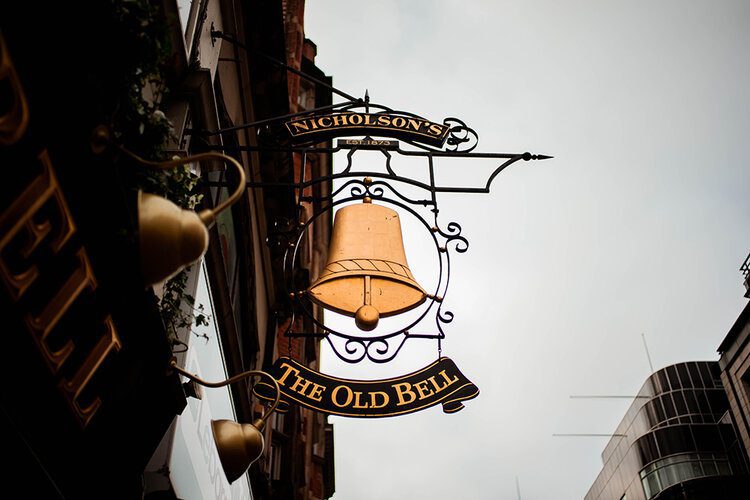
    Famously built by Sir Christopher Wren (one smart cookie), The Old Bell Tavern has been a licensed tavern for more than 300 years. It was originally built to house Sir Wren’s masons who were rebuilding the St Bride’s Church after the fire of 1666.

    PFH Fun Fact: The Old Bell Tavern is located on the same street as the infamous Demon Barber of Fleet Street, Sweeney Todd!

    Where?

    Fleet Street

    Opening hours

    Mon – Wed 11.30am – 11pm

    Thurs – Fri 11am – 11pm

    Sat 12pm – 9pm

    Sun 2pm – 6pm

    The Hoop and Grapes

    Not to be confused with Hoop & Grapes, another London pub. Though the interior doesn’t give the impression, this building has been standing for the last four centuries and famously survived The Great Fire of London in 1666. The fire stopped just 50 yards from the pub and is one of very few timber framed buildings to have survived this period.

    PFH Top Tip: Try a G&T from their extensive list of flavoured gins. Instead of those awful fishbowls pubs often serve them in, Hoop and Grapes serves your G&T in a tall crystal glass, classy. My tipple of choice is a single shot of Chase’s Pink Grapefruit and Pomelo gin with Fever Tree’s Mediterranean tonic… you can thank me later.

    Where?

    Aldgate 

    Opening hours

    Mon 12pm – 10.30pm

    Tues – Sun 12pm – 11.30pm

    Lamb & Flag

    Tucked away into the back streets of Covent Garden just before you reach China Town is Lamb & Flag, yet another spot where Charles Dickens would frequent. They’re better known for their bloody history though. During the early nineteenth century the pub was dubbed “The Bucket of Blood” as the tiny alleyway alongside the pubs side door used to host bare-knuckle prize fights. It’s also known to be the location where Jon Dryden was attacked by thugs in 1679.

    Where?

    Covent Garden

    Opening hours

    Mon – Thurs 11am-11pm 

    Fri – Sat 11am-11.30pm 

    Sun 12pm -10.30pm 

    The George

    This 17th century medieval coaching inn is remarkably the only remaining galleried inn in London. What’s a galleried inn I hear you say? Galleried inns have balconies looking out onto an inner-courtyard which would host Elizabethan theatrical productions. 

    It’s also another spot where Dickens would wet his whistle and was mentioned in “Little Dorrit”.

    Where?

    Southwark

    Opening hours

    Mon – Thurs 11am – 11pm

    Fri- Sat 11am – 12am

    Sun 12pm – 10.30pm

    PFH Top Tip: If you want any chance of sitting down in a London pub, avoid 5pm – 7pm when 99.9% of Londoners will be clocking off work and heading to their local watering hole. You can’t argue against this time having the best atmosphere though.

    New Year’s Eve fireworks

    Ok sorry, you can’t do this all throughout the holiday season but if you’re lucky enough to be in London to ring in the new year then this is an absolute must just once in your life. Line up along the river bank opposite the Coca Cola London Eye to take in one of the world’s most spectacularly orchestrated firework displays, and you can guarantee that this year’s display is going to be their best one yet as we welcome in the new decade! 

    Unfortunately the tickets for the New Year’s Eve fireworks have sold out but london.gov have ideas for other ways you can enjoy them here.

    I hope you have a wonderful time if you’re visiting London during the holidays. If you do anything on this list, be sure to tag me in your Instagram posts and stories using @gabriellawisdom and I’ll share them!

    Mele Kalikimaka, Gabriella

    Pin this post


    If you loved this post, check out my following London guides: