Category: Well-being

  • How to make long distance relationships work

    How to make long distance relationships work

    I’ve decided to share this post with you as Michael and I celebrated our eighth anniversary this weekend just gone. The first four years of our relationship were long distance so with eight years now under our belts, we want to share our advice on making it work when you’re apart.

    You may, or may not, know that we started our relationship just four months before heading off to university in different counties to each other. Then after making it through the three years of our degree, Michael moved to Paris and it was a few months before I could join him. In addition to this, I have traveled a fair amount without him which has put us into wildly different time zones.

    In my honest opinion, it really only comes down to two factors that will successfully make a long distance relationship work: having regularly scheduled visits and equally sharing the effort to stay in contact. They don’t scream romance though, so I’ve shared all the other little ways we both put in effort that kept us going until the next time we would be together.

    Scheduling

    Always have at least one planned visit booked in advance. This is for two reasons: so you don’t fluster over trying to get a date in the diary and so you have something to look forward to. 

    One of the hardest times when we were doing long distance was whilst we were living in Paris and I had taken a month long trip to Mauritius to see family. Michael had come to stay there for 2 weeks but when he left we were uncertain of whether I would come straight back to Paris, or if I would spend some time back at home in England after returning to the UK (I was flying into London from Mauritius). It was the not knowing, not having a set date for my return, that was so difficult for us. We had always known when we would see each other again. Eventually I booked my train back to Paris, but until then, it was so difficult not having a day to count down to.

    For this reason I always suggest, to anyone who asks, you have the next visit in the diary. The first two years we took it in turn to see each other every fortnight, but on our third and final year of our degrees, we made the mutual decision to focus on our work, so we cut down the amount of travel and visits to once every 3-4 weeks. We never regretted this decision because we both came out with first class degrees. It was definitely one the most mature moments of our relationship and a very good example of how you must make sure your life is equally balanced. Long distance relationships need to be worked into your life but not become your life.

    Equality

    It is highly unlikely that a relationship will pull through if all the effort and expense is one sided. 

    When we were at university, train tickets were expensive and it took about 3.5 hours to get from door to door, so we decided right from the beginning that we would take it in turns to visit each other. Despite making this decision, we still had some problems because although the travel was being split equally, time spent together wasn’t, so we had to work on that.

    It doesn’t matter if you are living together or apart, no relationship succeeds if all the effort is one sided, undoubtedly that person will begin to resent the other and it might not end well.

    Surprise visits

    Scheduling is definitely the key factor in making a long distance relationship work, but it doesn’t mean that you can’t sneak in a few surprise visits*. 

    I remember one Friday evening, I came out of uni about 6pm and sitting on the bench outside was Michael. He had been waiting patiently for an hour and I had no idea! He didn’t even text to say he was waiting because he wanted to see my face when I saw him. How sweet is that?

    *Just make sure you know the other person is free so you don’t go all that way for nothing.

    Give each other space

    You’re probably thinking how does this make any sense, you already live apart so how much more space do you need? What I mean by this is, don’t let the need to be in contact take over your lives, your life doesn’t stop because you’re apart. You still need to make time for work, socialising and binging on box sets, so don’t feel like you need to spend every moment updating each other. 

    Michael and I actually had a lover’s spat over this in our second year of our relationship. We were texting each other throughout the whole day, but then we were also making time to talk to each other on the phone in the evenings. Our squabble came out of frustration over the fact that we had nothing much to talk about on the phone, because we had already text every detail down to what we had eaten during the day. We then decided not to text each other so much during the day which was good for two reasons: We could have a lengthy conversation at the end of the day and secondly, it was far less distracting and we could get on with our days without checking our phones every five minutes.

    Care packages

    Telephone, video calls, text, email, WhatsApp, Facebook messenger, Instagram and Snapchat – there is so much choice for staying in contact these days that you can mix it up for every day of the week. My ultimate favourite way to stay in contact though is good ol’ snail mail! There is something so special and uplifting about receiving physical mail from a loved one. 

    Of course this wasn’t our only method of contact, but we used to send mail back and forth because none of the others are more personal than hand written messages. We sent mostly letters but sometimes they would be full blown care packages. 

    My two favourite care packages that I sent were:

    Christmas

    Before going to stay with him in London around Christmas, I sent him a package that had one present for every day leading up to me arriving. They were all silly items that I had picked up from poundland (the life of a poor student) and I had written a note explaining each one. From what I remember there was a lot of foil decorations for his room , fairy lights and chocolate.

    Valentine’s Day

    Valentine’s Day 2014 – I had gone back to England to celebrate my birthday whilst Michael stayed in Paris. We couldn’t spend the day together because he was working, so I wanted to send him something special that cheered him up. I made a drawstring bag and on it I embroidered a section of the map of Europe with a line linking love hearts from Norfolk to Paris. I then filled it with heart shaped chocolates and sweets, cold and flu tablets and tissues (because he had caught a cold) and of course, a card. 

    Traditions

    Traditions, no matter how big or small are a lovely way to celebrate your relationship, here are some of ours:

    We started every morning with a text that said “Morning Beautiful/Handsome” and ended every day with a text that said “Night Beautiful/Handsome”. I understand that in some circumstances, talking every day isn’t possible so I really don’t think it’s necessary in making long distance work, but it’s just something we always did.

    Every text ends with “I love you x” – if it doesn’t one of us is extremely pissed off!

    Whilst at uni, during the first week of the Christmas break, I would go to London and we would spend the whole week doing Christmassy things. This usually included ice-skating at Somerset House, baking cookies, Christmas present shopping down Oxford street and/or Westfield (both of which usually involved celebrity spotting), drinking seasonal coffees while strolling in Hyde Park and of course Winter Wonderland.

    As our relationship began in Paris in 2010 on a school trip, we have made it a tradition to go back to Paris every year. We always stroll in Jardin Tuileries, get macrons from Ladurée, gorge ourselves on charcuterie boards and take a ridiculous amount of photos of the Eiffel Tower. 

    The little things

    Big gestures such as surprise visits are nice, but the little things make a big difference. Here are some of ours:

    Whenever I was leaving him, just before going I would spray some of my perfume onto his pillow so he would be reminded of me when he went to bed. 

    When he was leaving me, he used to give me a t-shirt that he had worn and sprayed his Eau de toilette on.

    We both used to leave little notes under each other’s pillows.

    We made mix-tapes for each other – which were really just playlists we put together on iTunes.

    .

    This post is geared up towards being in a romantic relationship but some of these apply to any kind of long distance relationship for example:

    Some of my closest cousins live in New Zealand, so we hardly see each other but we make the effort to schedule regular Skype calls, have a group chat on messenger and we send care packages back and forth all the time!

    One of my best friends has been living in Australia for almost five years now, we have been fortunate enough to see each other a few times since she moved but aside from that we WhatsApp all the time.

    We also met two beautiful people from Canada whilst we were in Hawaii a couple of years ago, we hit it off so well that we have been in contact ever since. We have scheduled monthly Skype calls ever since we left Hawaii, and despite not seeing each other in person since we met, we are incredibly close and currently planning a trip to meet their newest family addition! 

    I truly believe succeeding at long distance all comes down to scheduling and equal effort. With these two pointers you can make it work no matter how far apart you are or how long it’s been since you saw each other in person.

    .

    Aloha, Gabriella

    Pin this post


    .

    Disclaimer: I am not sponsored by any of the communication apps or companies mentioned. I just personally recommend them as they have proven to be great ways to stay in contact with people you love.
  • Travel pillows – who you should be sleeping with

    Travel pillows – who you should be sleeping with

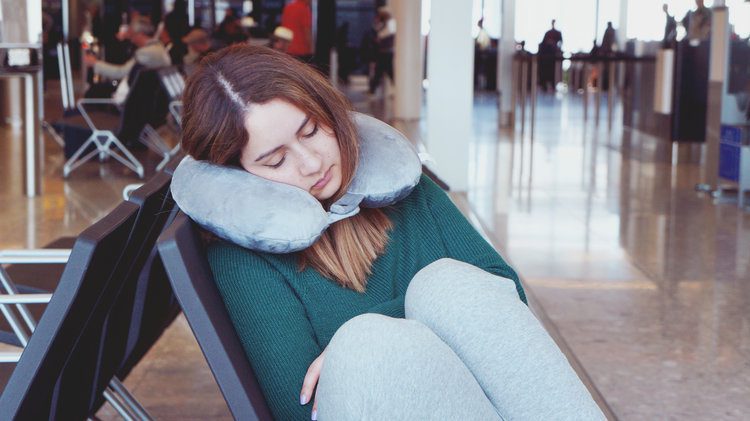
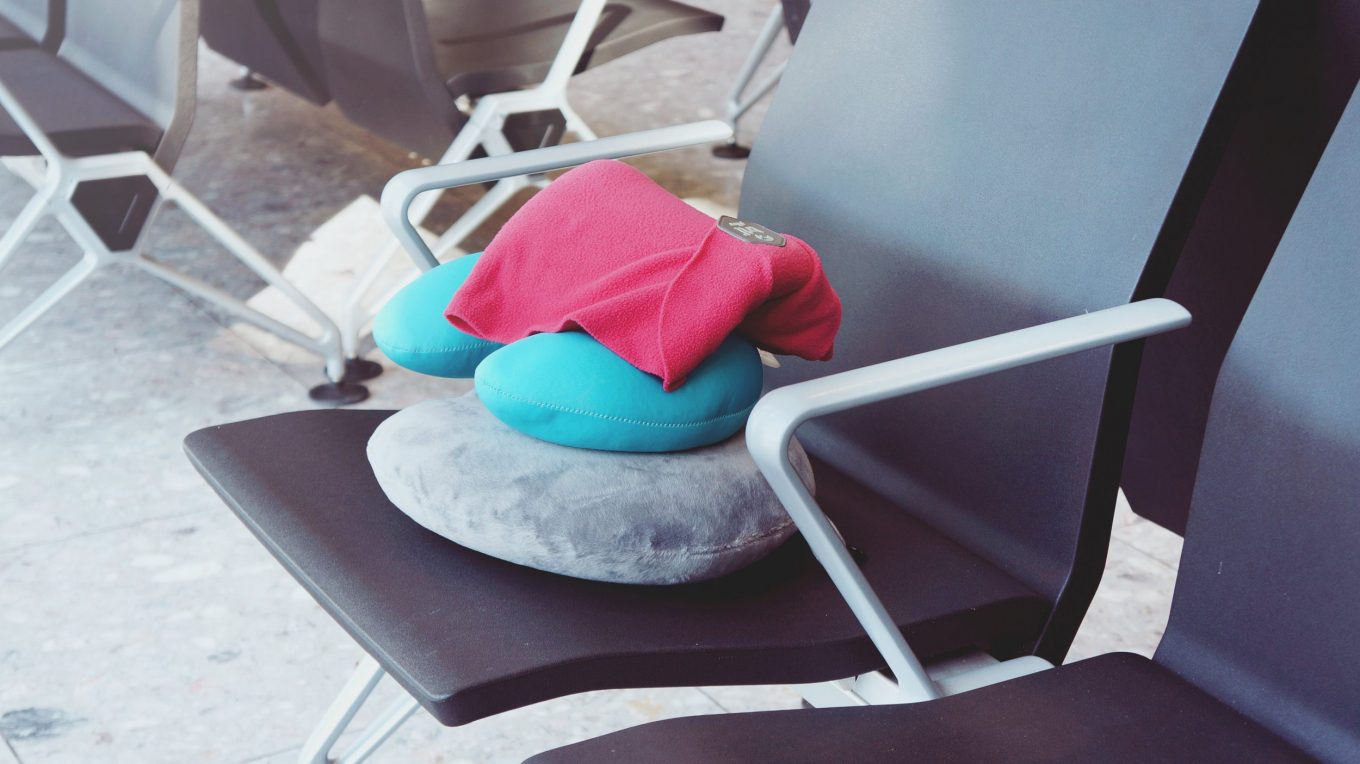
    Until I moved to Paris, which involved a fair bit of travel back and forth on the Eurostar, I wasn’t interested in purchasing a travel pillow because I considered them unnecessarily bulky and I couldn’t possibly sacrifice good packing space. But now I’m a smidge older and desperate for comfortable travel I’m like, ok yeah they’re a little awkward but I really can’t travel without one anymore for fear of getting a crick in my neck! Having one has made sleeping through the majority of my travels so much easier on my neck and I feel more refreshed than with broken sleep from a rolling head with no support.

    I’ve only tried four designs so I can’t tell you which is the best travel pillow in the world, but I can offer advice on four of the leading travel pillow designs available, and why I would or wouldn’t travel with them. 

    Micro-bead – U shape

    My first ever travel pillow was a micro-bead one because they are dirt cheap and light to carry. After using it for about a year I upgraded because I wasn’t a fan of endless stitching up of holes, and waking up with hair full of little white balls. I travelled more than the durability of this pillow could handle and it didn’t last very long.

    Pros


    • Lightweight, the little micro-beads are virtually weightless.


    • It doesn’t just have to go around the back of your neck, it can be leant against the window if you find that more comfortable.


    • Really cheap, but this depends on quality, you will find the cheaper ones have less filling. They cost between £3-£10.


    • Because they’re cheap to manufacture, they come in way more patterns and colours than the others do.


    Cons


    • Beads shift under pressure so they don’t support your head all that much.


    • The cover can’t be removed and washed.


    • It doesn’t squash down without exploding.


    • Any small tear or loose stitching means those micro-beads are making a run for it.


    Inflatable – horse shoe shape

    After having a micro-bead pillow I fancied trying something that folded down and wasn’t filled with a nightmare – my thinking was air couldn’t get stuck in my hair! But despite it being easy to pack, I wasn’t feeling the comfort level. I had a Goldilocks moment every time I inflated it – too hard, too soft, but never right! Think about it, who has ever said they got a good night’s sleep on an airbed? I turfed this one out after just a few tries, hence there is no photo of me pretending to sleep at the airport with it!

    Pros


    • The most convenient in terms of packing because it folds away.


    • You can wipe down the surface with a damp cloth.


    • They’re cheap, you’re looking at spending £5-10. Boots sells theirs at £6.50 with a little carry case.


    Cons


    • Not the most comfortable, best for short trips.


    • Some have edges that have been sealed on the outside which can scratch your skin.


    • You have to inflate and deflate it for every use.


    Memory foam – U shape

    This is my favourite style of travel pillow so far because my head will roll from left to right so I prefer to have a pillow that supports both sides of my neck. I sleep with a memory foam pillow at home because I often get a stiff neck and it seems to be the best preventative pillow for me; it’s firm enough to hold up my head, but it has enough give in it that my neck feels supported. The only bummer about this one is, it is fairly heavy for a pillow and it only compresses if you squish it tightly into your cabin case.

    Pros


    • Good support. Being memory foam, it’s designed to mould around your head, neck and shoulders.


    • Just like the micro-bead pillow, it can be leant up against something.


    • Removable cover so you can wash it should you dribble (it happens to the best of us).


    • Compresses down, though like I mentioned, only if it’s squashed down in a case.


    • Price is a little more varied, but still cheap. They will cost around £5-£15. I got mine for £9.99, you can buy the same one on amazon here.


    Cons


    • Heaviest out of them all. Memory foam is dense so it’s going to be weightier than the others which are made with much lighter materials.


    • If you don’t have a case to put it in until you use it, it’s bulky to carry. That said, it does have a loop for you to attach it to the outside of your bag.


    Trtl pillow – wrap around

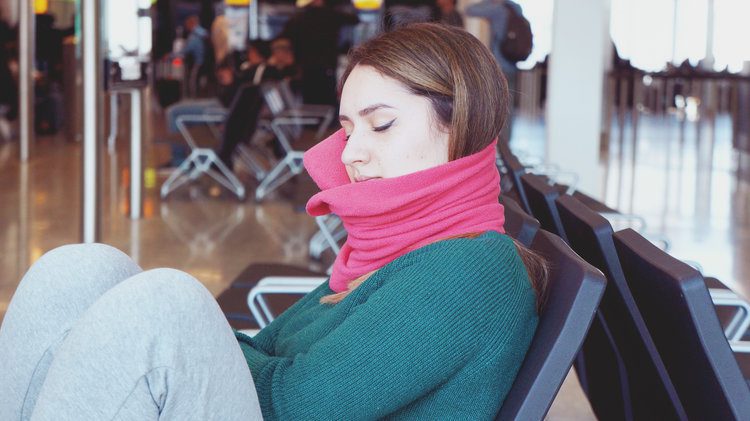
    Unlike the others, which are just general designs that you can pick up from non-specific brands, Trtl is a unique creation focused on being a scientifically proven supportive travel pillow. What’s great about this design is that it has a much better chance than the others of preventing your head from dropping forward when you’re sleeping. Unfortunately I’m not the biggest fan of having something wrapped around my neck though – I get claustrophobic in a scarf! It’s far less cumbersome than the others though, and the minimal frame means it’s so easy to fit into your hand luggage.

    Pros


    • Lightweight, the frame is plastic and minimal and the rest is fleece so it’s very light.


    • Scientifically proven to support your neck and head.


    • Keeps your neck warm and looks more like a snood than a travel pillow.


    • Easy shape to slip into your bag.


    • Removable cover so you can machine wash the wrap. It wears quite high up the face so this is really handy if you get makeup on in.


    Cons


    • It’s designed to support just one side of choice so you have to move the whole thing around to sleep on the other side.


    • It can’t be used any other way than it is designed, you couldn’t prop it up against something.


    • Wraps around your neck which can feel quite restrictive.


    • It’s the most expensive of the group, the others can be purchased under £10 but this one comes in at £24.95 on amazon here.


    . 

    Which is your favourite type of pillow to travel with? I’d love to hear your recommendations here.

    Aloha, Gabriella

    Pin this post


    .

    *Disclaimer: As an Amazon Associate I earn from qualifying purchases but please know that I recommend all of the products above from personal use which you can see throughout my blog posts.

  • How to keep busy abroad whilst your partner is working

    How to keep busy abroad whilst your partner is working

    If you’ve read my last post, 7 free museums in Paris for Europeans aged 18-25, you will know that I moved to Paris after graduation when my partner took a job there. What you don’t know is before I applied for a job as an English Language Instructor (yes, I’m sticking to my fancy babysitter job title), I spent the first few months exploring the city on my own whilst Michael worked.

    At first it was great, I had made a huge list of things I wanted to see and I was quickly making my way through it. After a while though, I got bored of being on my own all the time – Michael worked in advertising which meant very long hours and often working weekends. So, as amazing as solo sightseeing was, it became a bit lonely (if anyone has seen the last couple of episodes of Sex and the City, when Carrie moves to Paris, you’ll get a pretty good idea of how I was feeling, minus the bitch slap). I started looking into more social ways to spend my time, where I could meet new people and add more structure to my week. This eventually led to me getting my job at Babylangues too.

    A dear friend inspired me to write this post after asking how I stayed busy during my time alone (specifically before getting a job – some countries don’t issue working visas straight away). Having seen how my advice has helped, I wanted to share with you all good tips on what you can do. Just because you’ve moved abroad for your partner, it doesn’t mean you are expected to be a fully fledged solo traveler overnight. 

    You might not even have moved country, I still follow Michael on work trips so I can explore somewhere new for myself. in 2017 I spent a week in Dubai on my own whilst he was working there, and even when I published this post I was in a hotel in London whilst he worked in-house. For this reason, my advice below has grown to what it is because I have added to it with experience. You’ll be able to do one of these whether you’re living or just visiting somewhere whilst your partner is working.

    Now then, let’s get into it!

    Museums, galleries, exhibitions

    Though you can consider these as site seeing, exhibitions are ever changing so you won’t necessarily be seeing the same thing again and again. You don’t have to go for the sake of it, just keep an eye out for ones that interest you. I went to numerous fashion exhibitions that popped up across Paris whilst I was there, my all time favourite one was Cartier: Style and History at Grand Palais.

    There’s no need to rush through these either, take your time to read the little plaques to understand what you’re looking at instead of walking past them. They’re a great place to visit when the weather is bad and you don’t want to spend too much time outside.

    Volunteer

    Provided your visa allows this, look into volunteering. It’s rewarding, social, a great thing to put on your CV and it gives you the same structure that a job would. 

    Learn the Language

    This won’t apply to everyone everywhere because you might already be fluent in another language or you might be lucky enough to not have a language barrier. However, if you will be in a country where you don’t speak the local tongue, look into language classes. Or if you want to save money, download an app. My top choice is Duolingo #unofficialad. Obviously speaking a second language is a huge benefit so if you’ve got the will power, give it go! 

    Cooking

    Whether you are a master chef or frequently burn toast, cooking is a great outlet no matter your skill level. There are two ways to go about this; cooking classes or cooking at home. Cooking classes will be more social, provide structure and offer a helping hand if you are a novice. Cooking at home means you can do it at your own pace, cook what you want and avoid possible embarrassment if something goes wrong.

    Try picking up a new recipe book, maybe even a local one, something that takes you out of your comfort zone, but contains things you will actually eat. Instead of just going to your local supermarket, research and take yourself off to a food market somewhere you haven’t been before so you can visit somewhere new with a purpose.

    Try a new hobby

    Take a look at the classes on offer in your local area, maybe something athletic such as yoga or crafty like pottery – whatever takes your fancy. It will be a social experience where you will learn new skills and hopefully have fun!

    Join a gym

    Get yourself a gym membership or even just try some fitness classes. We’re finally seeing the real potential of living a fit and healthy life and gym culture is bang of trend, so most of you are more than likely already hitting up the gym. I was too busy feasting on pastries and cheese in Paris to ever consider going to a gym, but these days my gym classes add structure to my days at home when I’m not travelling, and I’ll definitely find a gym when I’m away from home.

    Join an expat group

    This is a really important one if you’ve moved to a country where you don’t speak their first language. Language barriers are very restricting and though you will feel pressure to speak it, you won’t grasp it straight away, so daily conversations will be limited which can be isolating. Expat groups are a great way to socialise and meet likeminded people who, just like you, have moved to a new country away from home. Look for groups on social media as well as googling it. General ones will do meet ups at coffee shops and bars, but there are themed ones as well – I remember when I was in Paris I found a Glee one on facebook, I was talked out of that one by many, MANY people, but it’s a good example of what you can find.

    Home comforts

    There’s absolutely no shame in seeking out home comforts after a while. A couple of friends and I found an English Pub – I forget the name now – down some backstreets around Pathéon which served fry ups and a pretty decent Sunday roast. Another, fairly embarrassing one I might add, was Starbucks. It sounds stupid when you think of all the beautiful little café choices across the city, but sometimes if I ever felt a little overwhelmed, it was an easy place to be because it was familiar. 

    Video calls

    Make Skype/facetime dates with friends and family as often as you can. I always feel more connected when I video chat with them rather than just messaging or speaking on the phone.

    Invite friends and family to stay

    What’s even better than video chatting? Seeing them in person! Be a tour guide to your new home, showing them the best parts of where you are living.

    .

    You’ll probably have noticed running themes of social activities and learning new skills. The best way to beat boredom is to meet people, make friends, add structure to your days and do things to make you feel good about yourself. 

    Make the most of this time you have when you’re not working, it might not last forever and though you might not see it now, trust me, you’ll miss it when it’s gone.

    .

    Where have you moved to be with your partner, I’d love to hear from you and all about what you’ve been doing to keep yourself occupied. If you’re about to move, I wish you the best of luck in your new home!

    Aloha, Gabriella

    Pin this post


  • 7 free museums in Paris for Europeans aged 18-25

    7 free museums in Paris for Europeans aged 18-25

    Shortly after graduating from university, I moved to Paris for a year following my boyfriend who was offered a job in advertising. Whilst there I worked as a language instructor (*ahem* glorified name for English speaking babysitter), which meant I had the day to explore the city before picking the kids up from school. 

    Up until this point I had never moved away from home, and though I was very excited to be living abroad, I was also so nervous about being young and heading out on my own. Turns out it’s awesome to be under 25 in Paris because EU citizens aged 18-25 get free and concessionary tickets to so many tourist sites. All you need is your passport or driver’s licence!

    To save you from doing the research yourself, I’ve compiled a list of 7 of the best museums in Paris that offer free admission to 18-25 year old EU citizens; some of them even make exceptions for non EU citizens under 26!

    1. Musée du Louvre

    The world’s biggest art museum is home to some of the world’s most recognised pieces of art such as Da Vinci’s Mona Lisa, Venus de Milo, Delacroix’s Liberty leading the people and of course, Pei’s pyramids. There is so much to see in the Louvre that each of the three wings, Sully, Denon and Richelieu, require at least a day to explore. For this reason I think it’s the perfect place to seek shelter from the rain and cold whilst absorbing a wealth of culture. When I was living in Paris, I visited all eight departments on the days when the weather was at its worst.

    PFH Top Tip – Don’t miss Napoleon III’s apartments in the Richelieu wing. They are some of the most extravagantly decorated rooms in the world, every inch of the Rococo decor is a work of art.

    Admission


    • Free access to the permanent collections for EU citizens aged 18-25.


    • Free admission for under 26 year olds of all nationalities every Friday from 6pm.


    Opening hours


    • Open 9am-7:30pm on Mondays, Thursdays, Saturdays and Sundays.


    • Open 9am-10pm on Wednesdays and Fridays.


    • Closed on Tuesdays.


    Getting there


    • Rue de Rivoli, 75001 Paris, France.


    • Métro lines 1 and 7 – Palais-Royal Musée du Louvre.


    2. Musée d’Orsay

    Formerly a train station built in 1900, this museum now houses works of art from 1848-1914. Some of it’s most famous inhabitants are Van Gogh’s Self Portrait, Manet’s Olympia, Whistler’s Mother and Monet’s London, Houses of Parliament. 

    PFH Top Tip – Arrive first thing in the morning to get an instagram worthy shot from behind the clock face. It’s on the fifth floor in the North East corner along with the café. I’m yet to get a good shot of this, so if you do, know that I’m super jealous of you!

    Admission


    • Free access to the permanent collections for EU citizens aged 18-25.


    • €8 concessionary ticket price for 18-25 year olds of all nationalities.


    Opening hours


    • Open 9.30am-6pm Tuesdays, Wednesdays, Fridays, Saturdays and Sundays.


    • Open 9.30am-9.45pm Thursdays.


    • Closed on Mondays.


    Getting there


    • 1 Rue de la Légion d’Honneur, 75007 Paris, France.


    • RER C – Musée d’Orsay.


    3. Musée du Quai Branly

    Just a six minute walk from the Eiffel Tower and nestled behind trees, Musée du Quai Branly showcases collections of non-European art. The permanent collections are divided into geographical areas showing approximately 3,500 pieces of clothing, masks, weapons, instruments and so much more. 

    PFH Top Tip – Though the work is fascinating and a welcomed change of pace, the museum is not of the same calibre as the Louvre or d’Orsay. So, if you have limited time in Paris I wouldn’t suggest putting it at the top of your museum list, but if you do have time to explore Paris’ less talked about hotspots, it’s definitely worth a trip.

    Admission


    • Free access to the permanent collections for EU citizens aged 18-25.


    Opening hours


    • Open 11am-7pm on Tuesdays, Wednesdays and Sundays.


    • Open 11am-9pm on Thursdays, Fridays and Saturdays.


    • Closed on Mondays.


    Getting there


    • 37 Quai Branly, 75007 Paris, France.


    • Métro line 9 – Alma Marceau.


    • RER C – Pont de l’Alma.


    4. Musée Rodin

    In 1908 Rodin donated his entire life’s work to the French State for it to be displayed within the grounds of Hôtel Biron, his former studio, which was to be known as “Musée Rodin”. It has since been listed a historical monument and is home to some of the world’s most critically acclaimed pieces such as The Kiss, The Thinker and The Gates of Hell. 

    Fun fact – The garden has hosted the Dior couture catwalk show during Paris Fashion Week for the last 10 years.

    PFH Top Tip – May is the best time to visit Musée Rodin because the rose garden is in full bloom.

    Admission


    • Free access to the permanent collections and sculpture garden for EU citizens aged 18-25.


    • €7 concessionary ticket price for 18-25 year olds of all nationalities on Wednesdays.


    Opening hours


    • Open 10am-5.45pm from Tuesday-Sunday.


    • Closed on Mondays.


    Getting there


    • 77 rue de Varenne, 75007 Paris, France


    • Métro lines 13 and 8 – Invalides.


    • Métro line 13 – Varenne.


    • RER C – Invalides.


    5. Musée des Arts Décoratifs

    Located in the West wing of the Louvre, this one is for interior design lovers. The decorative arts and design museum houses works from the Middle Ages, Renaissance, 17th, 18th and 19th centuries, Art Nouveau, Art Deco, Modern and Contemporary. If you’re a fashionista however, it’s worth keeping an eye out for their forthcoming events as they also showcase fashion exhibitions. The most recent Christan Dior Couturier du Rêve exhibition, celebrating 70 years of Dior, was magnificent and worked harmoniously with the interior of the museum. Please note that you will have to pay for a ticket to the non-permanent exhibitions no matter your age and nationality.

    PFH Top Tip – The gift shop has an amazing art and design book shop at the far end and is worth a visit for anyone working within the creative industry.

    Admission


    • Free access to the permanent collections for EU citizens under the age of 26.


    Opening hours


    • Open 11am-6pm Tuesday-Sunday.


    • Open 11am-9pm on Thursdays (from 22nd March).


    • Closed on Mondays.


    Getting there


    • 107 Rue de Rivoli, 75001 Paris, France


    • Métro line 1 – Tuileries.


    • Métro lines 1 and 7 – Palais-Royal Musée du Louvre.


    6. Musée des Arts et Métiers

    If you fancy a change from the arts, why not check out Europe’s oldest science and technology museum. Much like Musée du Quai Branly, I wouldn’t suggest spending your limited time in Paris visiting this museum, but with over 2,400 pieces of technological innovation, these centuries old inventions are worth a visit when you have the time.

    Admission


    • Free access to the permanent collections for EU citizens aged 18-25.


    Opening hours


    • Open 10am-6pm Tuesdays, Wednesdays, Thursdays, Fridays, Saturdays and Sundays.


    • Open 10am-9.30pm on Thursdays.


    • Closed on Mondays.


    Getting there


    • 60 Rue Réaumur, 75003 Paris, France


    • Métro lines 3 and 11 – Arts et Métiers.


    • Métro lines 3 and 4 – Réaumur – Sébastopol.


    7. Musée de l’Armée Invalides

    The National Military Museum hosts an abundance of historical artefacts from 13th-17th Century armour to weaponry from the two world wars. Though it sounds a bit heavy going, it’s actually fascinating to learn about military defence and conduct from other countries’ viewpoints. Plus not all the items on display are weapons; there are also paintings, uniforms, vehicles and personal belongings from the focused eras.

    PFH Top Tip – If there is one thing you cannot miss at Musée de l’Armée Invalides, it’s Napoleon’s tomb. Beneath the spectacular dome, which can be seen for miles, rests Napoleon I within a very grand black marble coffin.

    Admission


    • Free access to the permanent collections and sculpture garden for EU citizens aged 18-25.


    Opening hours


    • 1st April – 31st October: Open 10am-6pm from Monday-Sunday.


    • 1st Nov – 31st March: Open 10am-5pm Monday-Sunday.


    Getting there


    • 129 Rue de Grenelle, 75007 Paris, France


    • Métro lines 8 – La Tour Maubourg.


    • Métro lines 13 and 8 – Invalides.


    • Métro line 13 – Varenne.


    • RER C – Invalides.


    Bon Voyage!

    Aloha, Gabriella

    Pin this post


    .

    Full disclosure – Ticket prices and opening times were correct at time of posting.

  • RTW drug bag

    RTW drug bag

    “The drug bag” is my name for the toiletry bag I travel with containing all the medication, preventatives and treatments I need for a trip. The biggest one I’ve taken with me, in terms of contents, is the one I packed for my round the world trip.

    You probably won’t need some of the items I pack and so don’t let my list panic you over being too prepared. You know your body and what it needs so pack what suits you, but hopefully some of these items inspire you to be more prepared when you travel. Remember though, you can always pick up what you need on the go.

    Make certain to check the restrictions in the countries you are travelling to. I read quite a bit about medication restrictions in Dubai and horror stories of people being arrested for having unprescribed painkillers. When I travelled to Dubai I made sure to have my prescription from my pharmacy along with the full packaging which had my name on it. Better to be safe than sorry!

    Ibuprofen & Paracetamol:

    Painkillers! I actually carry these around everywhere whether I am travelling or not. You never know when a headache will strike so rather than getting caught out, always keep them on you.

    Ibuprofen Gel:

    I have suffered with back and neck pain for years and although it is usually triggered by carrying excessive weight, stress can also be a contributing factor. When I’m travelling I don’t always have access to a memory foam pillow or an ice pack, so I carry a maximum strength ibuprofen gel for extreme cases.

    Cold & Flu relief:

    You really can’t predict when you’re going to get sick, I honestly thought if I was going to catch a cold on my RTW it would be in the middle of winter in New Zealand not during our stay in the tropics of Queensland, Australia. Unfortunately our arrival to Palm Cove was met with a monsoon and we were rained in for seven out of ten days. After two days solid of freezing cold rain I got a cold and was very grateful for my cold and flu tablets.

    Mosquito Repellent:

    My top choice brand is Jungle Formula. In warm climates I spray my arms and legs which is usually enough to ward away insects, and when trekking I make sure to spray my feet and ankles to prevent ant bites. My one little bottle took us all the way through our four month trip and I’m still using it a couple of years later. I know it’s quite pricey but it’s worth it.

    PFH Top Tip: It is important to reapply after contact with water, you can see why under antihistamine.

    Calamine Lotion: 

    Calamine lotion has become a travel necessity for me when heading to warmer climates. It’s my miracle product because it soothes rashes, insect bites sunburn and so much more.

    PFH Top Tip: It applies pink so make sure to wash it off before you go out in public, also try to purchase a plastic bottle because it’s easier to travel with than glass.

    Antihistamine:

    These are for treating extreme symptoms related to allergies and reactions for example, hay fever and insect bites. I prefer more external remedies so my first response for insect bites is calamine lotion but in some worsened cases an antihistamine will help reduce the symptoms drastically. When I did a Jungle Trek in Malaysia we stopped to cool off in a waterfall. I then laid out on the surrounding boulders in the sun to dry off before I reapplied my mosquito spray but it was too late. The next day I came out with bites on my thighs the size of tennis balls, they were so swollen that it hurt to walk so I took an antihistamine for a couple of days and smothered them in calamine lotion and they settled down.

    If you prefer cream to tablets, you can pick up Germolene which you can apply directly on bites, but this comes with a medicated smell that the tablets don’t have.

    Contraception:

    I suggest having your current course of the contraceptive pill in your hand luggage but if you are going on a trip that will outlast that month, don’t forget to pack the next however many packs necessary. In addition to your pill I highly recommend bringing condoms as a back up for a couple of reasons:


    • If you forget about the time difference and miss a day it will provide extra protection.


    • If you are sick or have diarrhoea within 4 hours of taking your pill it may not have been absorbed yet.


    Suncream:

    Due to my boyfriend and I having completely different skin tones I end up packing a larger array of factors when we travel together but I always recommend travelling with a second factor higher than your usual so you don’t get caught out if the temperature spikes. The selection of suncreams I travel with are:

    Boots Soltan Protect & Repel

    I use the spray bottle in factors 15 and 30. Soltan is a cost effective brand which not only saves you pennies but you get boots points too, bonus! Because Soltan is a Boots own brand it’s super easy to get hold of and there is almost always an offer on it. The spray application is easy to use and because it’s still a cream rather than a liquid spray or aerosol you will still get full coverage when you rub it in. I use the protect and repel formula because I like maximum protection from bites and what’s great about this product is it doesn’t have a repellent odour and it’s non-greasy.

    Facial suncream

    Some foundations and tinted moisturisers contain SPF now but you won’t be wearing those in the pool or whilst snorkelling so get a facial suncream that won’t leave streaky marks when wet. Many skincare brands have developed formulas including SPF so you will be able to find one that works with your skin type. I look for ones that are oil free and for sensitive skin, also anything that’s anti-aging is a bonus! My current one is Simple Light Moisturiser SPF 15.

    Factor 50

    I carry a small SPF 50 bottle because I have a few areas of skin which I want to protect more than I want to tan – which for the record means I really want to protect them. These areas are my nose and shoulders because they are super sensitive and my décolletage because this is the first area to show age and damage after prolonged sun exposure, so I often apply factor 50 to this area for ultimate protection. 

    Don’t forget a good moisturiser or aftersun to keep your sun-exposed skin hydrated. I prefer to use Aveeno Daily rather than aftersun because I find it to be more hydrating and soothing. Another very compelling reason I don’t use aftersun is I once bought Soltan Aftersun Lotion Tan Prolonger thinking the name meant it had a special hydrating formula that stopped your skin from peeling and therefore preventing the loss of your glossy tan… What it actually meant and yet does not mention on the bottle is it has FAKE TAN in it! Now being mixed race I am blessed to have no use for fake tan, so you can imagine my surprise when I noticed my fingers were orange after liberally using this fake tan aftersun as hand lotion for 3 days after my trip, so no more aftersun for me.

    Aloe Vera Gel:

    For burns and severe sunburn. If you have a mini fridge where you are staying, store this in there so when you need to use it, it will be extra cold and soothing. Just don’t forget to pack it when you leave.

    Bonjela:

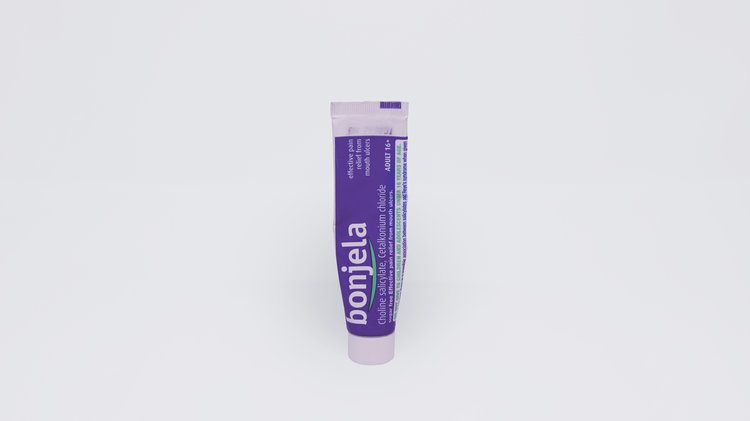
    I am super prone to ulcers, sometimes they’re stress induced but they are also a result of me being way too excited when I’m eating something super yum and I end up chomping down on my cheeks. Ulcers ruin all eating experiences for me so I always have Bonjela on me.

    Plasters:

    I always pack a few blister plasters because I’m on my feet a lot when I’m abroad. Though I wear in my shoes I can still get blisters after longs days of walking, and as comfortable as my hiking shoes are they aren’t the most stylish footwear. Another reason I pack blister plasters are to protect my feet from new shoes that I might buy on my trip. 

    Antibiotics:

    This is not something I travelled with before my RTW and I only travelled with them until I had my wisdom tooth removed (yeah yeah wisdom, laugh it up, the dentist did too). I had an impacted wisdom tooth which I couldn’t get removed until after I returned so to cure any infections (which happened often) whilst I was away, my dentist prescribed one course of antibiotics should the worst occur – thankfully it didn’t and these were responsibly disposed of correctly.

    Aqua Ear:

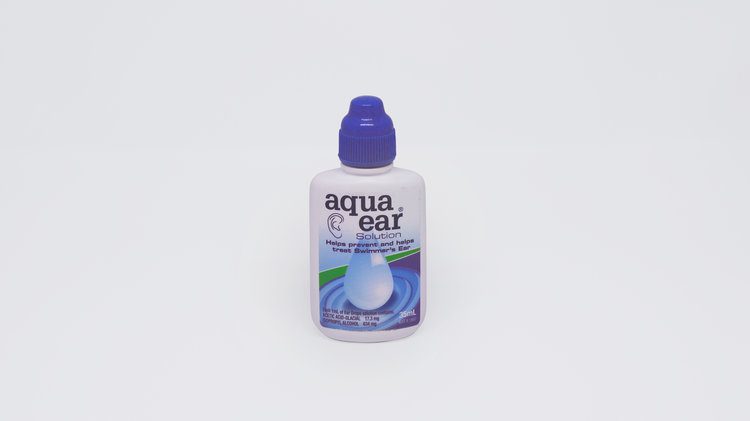
    I went scuba diving for the first time in the Great Barrier Reef, two days later I arrived in Sydney with irritated and itchy ear canals. I couldn’t hear anyone properly and the only way I could describe it was as though someone was covering my ears with their hands – I knew people were talking but I couldn’t understand them all. The friend I was staying with took me to a pharmacy and after describing my problem they gave me Aqua Ear which was an over-the-counter treatment for swimmer’s ear, which is when water is trapped in your ear canals causing a blockage and irritation. Moments later I had my head in my friend’s lap on a bench outside as she treated my ears. The solution dried up the moisture and my hearing came back almost immediately! Though I don’t take Aqua Ear everywhere I go, I do take it if I’m going to a beach and plan to snorkel or dive, just in case it happens again.

    .

    Aloha, Gabriella

  • My ultimate interactive packing list

    My ultimate interactive packing list

    I love lists! I love lists so much that even my lists have lists. What’s my favourite list I hear you say, well that’s easy, it’s my packing list! The first thing I do once we’ve started to book a trip is draft my packing list, even before I’ve researched what I’m going to do – which of course helps me plan appropriate outfits – I’m diving straight into my template and typing up all the outfits in my wardrobe that I can take with me. Seriously my screen saver is so littered with my packing lists I can barely see Margot Robbie’s beautiful face on my Pan Am screen saver, criminal I know!

    I know it seems eager, but there is method to my mad-lists! without fail my first draft will contain about 30% of items I won’t need, so by starting early I can keep going back to it and taking things out and sometimes replacing them with more practical items, especially after I have started to plan activities. When I am making my packing list I usually put a * next to “maybe” items, this helps me throw things out when I need to whittle it down. If you’re anything like me you will end up buying clothes when you’re away anyway so let’s make room for that!

    In time I have created a template which hasn’t failed me yet. The key to a fail-proof packing list is categories and subcategories. When making a list, nothing is too trivial, include everything and you won’t forget anything. Sounds obvious I know, but my partner once refused to put underwear on his packing list because why would you forget underwear?… Well I’m sure you can guess what we had to do first after checking into our hotel in Brussels… Be specific too, describe the item of clothing with brand, style and colour, for example, “Joules stripy top with gold stars”, it will make a less cryptic list when it comes to packing.

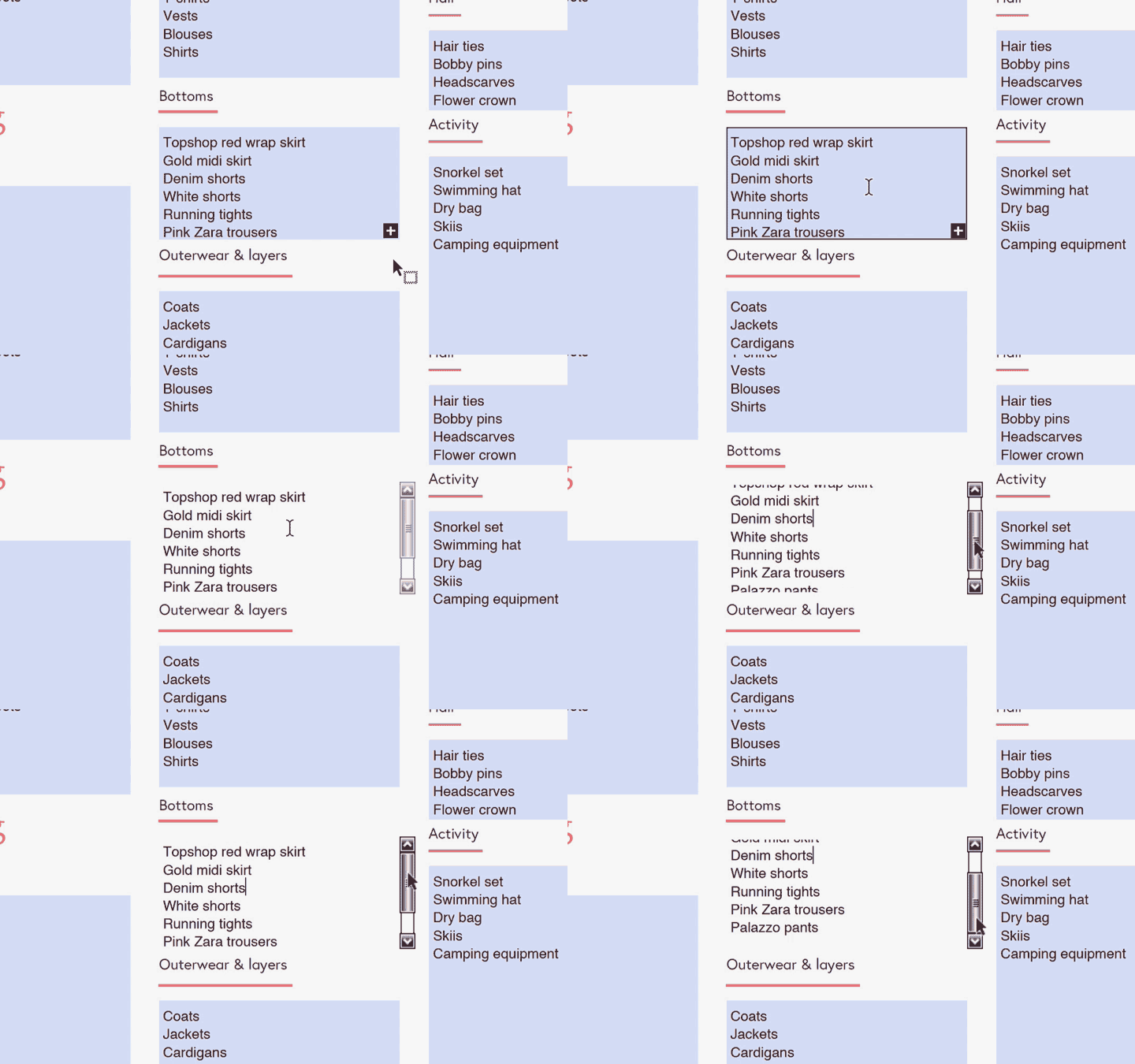
    Check out my interactive packing list below, just one click you will be able to edit and customise your very own*. You can change the destination and replace items with full descriptions of everything you want to pack, just like my example above. If you need help editing it, take a look at the GIFs below, it’s super easy and saves trees, yay!

    In time I will post about what you can pack and wear in different climates and how to adapt your wardrobe to alternative cultures, but for now I’ve kept it general and flight-friendly with items for both male and female ready for you to personalise for your next trip.

    Happy Packing!

    *Customisation requires Adobe Reader and the file may need to be saved first.

    DOWNLOAD


    Edit Packing List

    Customise your list with the destination and exactly what you want to pack.

    Big trip or struggling to pack light? No problem, I’ve got you covered! Use the scroller to view all your items.

    If you want to copy it into your preferred planning assistant/app, you can export the list to plain text and paste it wherever you want.

    .

    Let me know if you found this helpful or if you think I missed off something we would die without!

    Aloha, Gabriella

    Pin this post


  • 10 hand luggage items for staying fresh on a flight

    10 hand luggage items for staying fresh on a flight

    Due to recirculated air and low oxygen levels in the cabin, flights, no matter the length, are dehydrating and can leave you feeling pretty grotty afterwards. To help battle this, here are the most important items that I always pack in my carry on and tuck inside the seat pocket for the duration of my flight, all of which fit into a standard toiletry bag: 

    1. Makeup removal wipes

    Travel-size makeup wipes are the best way to quickly remove your makeup onboard. It is very important to remove your makeup on a long haul flight even if it is daytime. Your skin will dry out and your makeup will clog your pores, plus we’ve all made that mistake of sleeping with our makeup on and had a moment of silence for the fallen eyelashes who made a sacrifice for our laziness. 

    2. Flight or night cream

    Soap and Glory have a great Night and Flight Cream. It’s under the liquid restrictions and the container is sturdy which will prevent leakage in your plastic zip lock. The consistency is thick which means your skin will slowly absorb it throughout your flight, and it smells like peaches which isn’t overpowering for your fellow passengers. If you prefer a lighter texture I highly recommend Clinique’s Moisture Surge, it’s a deeply hydrating moisturiser which I frequently use as a mask and allow it to sink into my skin over time. This will instantly perk up your skin after any flight.

    3. Toothbrush and toothpaste

    Most long haul flights will either hand you a wash bag or you can go to the galley to ask an attendant for a toothbrush set. However, I always carry mine on me when I travel just in case I need to brush my teeth anywhere on the go. Aside from cleaning bacteria, brushing your teeth whilst travelling does three crucial things for you:

    1. Helps your body get into that sleep mode – you wouldn’t go to bed without brushing your teeth would you?
    2. Gets rid of any funky morning breath you may be imparting on your fellow passengers. 
    3. Makes you feel fresh and ready to start whatever lies ahead.

    PFH Top Tip: Buy some toothbrush head covers to protect it from picking up any nasties in your bag. I get mine from Tiger, you can get a pack of four for just £1! Make sure you rinse them out after every use.

    4. Sleep mask

    I find these work in two ways. One is that it blocks the light and prevents me from getting disturbed by the glare of the night owls’ TV monitors. The second is that I feel like if I can’t see them then they can’t see me and it’s the closest you’ll get to feeling like you’re in bed and not sleeping with a bunch of strangers that didn’t buy you dinner first! Sleep is imperative for staying fresh not only when flying but with any form of travel, also it makes the time pass quicker!

    5. Tissues

    Whether you have a little travel pack or just stashed some toilet roll, it’s always handy to have something to blow your nose. Just like your skin, your nose will also dry out on a flight which will not only block it but in some cases the altitude can cause nosebleeds.

    6. Chewing gum or breath mints

    For two good reasons, the first is to ease popping ears during flights, my partner is a nervous flyer and something to suck or chew always calms his nerves and distracts him when his ears pop. The second is if you can’t get to the bathroom to brush your teeth, gum/mints will quickly freshen your breath.

    7. Deodorant

    Travel can be stuffy, stressful and if it’s long haul you can’t wash so pack some deodorant or deodorant wipes to freshen up in the restroom. Avoid aerosol cans so that other travellers don’t get choked by the fumes.

    8. Makeup

    Your “I can’t be seen without my…” makeup items so you can reapply your face when the captain announces the 30mins from landing cue. Lip balm is a crucial item here for rehydrating those lips.

    PFH Top Tip: I find popping on a bright lippy perks up your face reduces the appearance of tired eyes.

    9. Compact mirror

    So you can see everything you are doing in the above.

    10. Water

    Ok you can’t pack it due to liquid restrictions and it won’t fit into a toiletry bag, but it is so very important to drink as much water as you can when flying. For the reasons mentioned at the start, you will need to replace the fluids lost, so pick up at least 1L of bottled water at the airport – post security – because complimentary bottles are too small, cups will spill on you whilst you sleep and buying it onboard is costly.

    .

    Wishing you healthy and hydrated travels!

    Aloha, Gabriella 

    Let me know if you found this helpful, also I would love to hear what items keep you fresh in the air.

    Pin this post