Tag: Road Trip

  • 6 top things to do near the Gower Peninsula, Wales

    6 top things to do near the Gower Peninsula, Wales

    The Gower Peninsula is the UK’s first ever Area of Outstanding Beauty (awarded in 1956) and is best know for its enormous beaches, celebrated surf and wild sea life. Whilst there’s so much on offer on the Gower Peninsula, here’s 6 things to do there that will get you started during your time near some of the best rated beaches in the world.

    Our trip to the Gower Peninsula in Wales was my first trip outside of England since the start of the pandemic and was a welcomed break from London that served up both clean air, countryside and the seaside. The Gower Peninsula, just 4 hours from London by car – all things considered that’s not a bad amount to time to get to another country – is an ideal place to unwind, rest and reset before falling back into the hustle and bustle of London.

    Though our trip was just a quick 4 day break (travel included) we managed to cover some pretty key points of interest on the Gower Peninsula including a tidal island, secluded beach, sunflower field and dinner looking out to sea at sunset. We even managed to stop at the capital city of Wales: Cardiff. Here’s my 6 highlights for things to do near the Gower Peninsula in Wales.

    1. Rhossili | Rhosili

    Rhossili is a tiny village on the far west tip of the Gower Peninsula best known for its world famous beach, incredible surf, tidal islands, 250ft cliffs dressed in heather, sunflower field and breathtaking winter sunsets.

    Parking at Rhossili

    Rhossili Bay Car Park is a National Trust car park and is free to members. If you are not a member of the National Trust parking fees are as follows:

    £2 for 2 hours or under

    £6 for over 2 hours

    £4 for 2 hours or under and £6 for over 2 hours for motorhomes (overnight camping is not allowed)

    If there is one place you visit on the Gower Peninsula it is Rhossili, it was the reason we chose to travel to Wales from London on our summer 2021 staycation. Here’s why:

    Rhossili Bay | Rhosili Bae

    Rhossili Bay beach is a 3 mile (5km) long beach that has been voted by Trip Advisor as one of the top 10 beaches to visit in the UK for 8 consecutive years (2021). If a heatwave is forecast in the UK then Rhossili should be your lead destination because this enormous beach won’t have you fighting for room to spread your towels. Even at high tide the remaining beach is still about 10 metres wide which is a pretty big deal because so many top holiday beaches in the UK get covered during high tide.

    Speaking of the tide, low tide reveals the scarce remains of Helvetia, a wooden cargo ship that ran aground way back in 1887. Though it’s really not much to see, what does protrude up from the sand resembles the jagged jaws of a colossal shark.

    Though the best views of Rhossili Bay beach are from the village cliffs that tower 250ft (76m) above, they’re also where the car park is located which means a trek must be made down and back up to enjoy Rhossili beach. This walk will take about 15 mins or more each way. If you have any concerns over accessibility then you can still enjoy the view from the coastal path that runs along the beach to Worms Head. The cliffs are plenty wide enough to set up for a picnic and in my opinion offer a far superior view than you would get from Rhossili Bay beach.

    Rhossili Sunflowers 

    If you’re visiting Rhossili between July and September during a warm summer then you’ll be able to see sunflowers on the Vile. Though if it has been a particularly cold spring they might not bloom until August and if the summer hasn’t seen much sunshine they might reach the end of their season in late August.

    We visited at the end of August in 2021 and the sunflowers were definitely on their last legs but we were still able to capture these photos within them so there’s still hope of a pretty visit even if it hasn’t been the warmest of summers.

    Rhossili Sunflowers is about an 8-10 minute walk from Rhossili Bay car park along the cliff towards Worms Head.

    If you’re visiting with children then perhaps engage with the Gruffalo trail through the sunflowers to entertain your youngsters.

    Once you’ve wondered through the yellow giants pick up a treat from Rhossili Sunflower’s pop-up café which sells all sorts of baked goods fresh from the village bakery. Snacks include salted caramel and Eton mess doughnuts, Welsh Cakes and muffins.

    Ticket costs for Rhossili Sunflowers

    £2 per person ticket cost which includes one sunflower which you can pick from the sunflower field at the back.

    Worms Head causeway

    Worms Head is one of two tidal islands at Rhossili that can only be accessed within a slim five hour window that straddles both sides of low tide. 

    To make the journey across from Rhossili Point to Worms Head tidal island you will need to trek across Worms Head causeway which is basically just one giant trip hazard that links the two points of land. It’s quite the adventure though if done swiftly but safely in sturdy shoes with a good tread. Avoid the rocks with green seaweed on them unless you want to slip like a cartoon on a banana peel.

    Allow yourself breaks to gaze into the rock pools that emerge as the tide recedes revealing shrimp, beadlet anemones, sea snails and more.

    Though it’s important to look where you’re going to avoid slipping, keep looking up so you can navigate the best path across the causeway. Some parts are more even than others.

    PFH Top Tip: to give you the most amount of time to make the return trip you want to start from the base of Rhossili Point. Don’t include the walk from the car park within the five hours to cross as the walk from the car park to the start of the causeway is between 20 – 30mins.

    Check the tide times before planning to cross Worms Head causeway.

    DO NOT cross the causeway close to high tide, the rip tide is extremely dangerous.

    Once on Worms Head island you can head up to its peak to look back at Rhossili Bay and make the short hike over Devil’s bridge, a natural rock bridge that has formed towards the end of the island. On a warm day you might be lucky to spot the odd seal below baking in the glow of the sun.

    2. Langland Bay

    Start one of your days visiting the Gower Peninsula with a morning spent at Langland Bay beach. Langland Bay is a Blue Flag beach along the Gower coastline and is best know for its row of picturesque green and white beach huts that line the bay and as a popular surf destination when there’s a good swell.

    Langland Brasserie is a beautiful spot for brunch with a good selection of meat, vegetarian and plant-based/vegan meals that can be enjoyed from either inside or on their terrace – both offer a view of the bay.

    Parking at Langland Bay

    Langland Bay car park is a council parking lot located just above the beach behind Langland Brasserie. The beach is accessible from the car park by steps or the slipway. Parking costs are:

    £1.50 for 1 hour

    £3 for 2 hours 

    £5 for all day parking

    3. Hike to a secluded beach

    There are more walking trails on the Gower Peninsula than you can shake a stick at and we definitely had more on our list than we had time for. After spending the morning at Langland Bay we drove to Three Cliffs Bay to walk to the beach and across to Tor Bay, a secluded beach at high tide but accessible from Three Cliffs beach during low tide.

    Three Cliffs Bay

    Three Cliffs Bay is located in the south of the Gower Peninsula. The bay gets its name from the three peaks formed into the sea cliffs that protrude out across the beach. The three cliffs resemble razor sharp teeth and are instantly recognisable on the walk down from the car park where the trees open up to reveal majestic views of the beach.

    See under parking at Three Cliffs Bay below for how to gain access to the beach from the car park.

    Unfortunately neither of these beaches can be accessed by wheelchair.

    Parking at Three Cliffs Bay 

    There is no access directly to the beach at Three Cliffs Bay. The closest car park is Three Cliffs Bay Holiday Park. 

    Parking is £4 per car and lasts all day.

    Get access to Three Cliffs Bay beach by taking the narrow country road opposite the entrance to the holiday park car park. When you reach the end of this road make a left through the wooden gate, a right at the Three Cliffs Bay signpost and follow the trail down to the beach. The walk will take about 15 minutes.

    Reward yourself after your hike with an ice cream from their onsite shop.

    Tor Bay 

    Tor Bay is a beach that come high tide becomes closed off to the two much larger beaches that sit either side of it that usually give access to the bay over the sand when the tide is out.

    At low tide Tor Bay no longer becomes secluded and can be accessed from either Three Cliffs Bay or Oxwich Bay via the beach. 

    Hikes around this area vary depending on how you’re feeling. You can either fill a couple of hours by starting at Three Cliffs Bay Holiday Park, walking down to the beach, across to Tor Bay and up to the cliff top where a path will circle you back to Three Cliffs Bay Holiday Park. If you’re looking for something more meaty at low tide you can continue on the beach from Tor Bay to Oxwich Bay and return along the cliffs. Either way I recommend walking the cliff path back as it offers wonderful views of the bays below. Though we weren’t lucky enough to see them it is possible to spot dolphins, porpoises and basking sharks chilling in the bays along this part of the coast.

    Keep an eye out for starfish and urchins in the rock pools as the tide recedes on your walk!

    4. The Mumbles

    The Mumbles is a seaside district at the very start of the Gower Peninsula, known particularly for its 1700s lighthouse and 1800s pier. Make a stop in Mumbles to explore its quaint little shops including The Lovespoon Gallery which holds a collection of Welsh lovespoons. Lovespoons are hand carved spoons from one single piece of wood with shapes that hold different meanings surrounding affection. The tradition of gifting them to a love interest in place of flowers or a love letter began back in the 1500s.

    There are many places to dine in Mumbles one of which is Castellamare, a restaurant and café that has a view right over the water that’s best enjoyed during sunset on a clear night.

    5. Clyne Gardens

    Clyne Gardens is a free park located in Mumbles, between Mumbles Pier and Swansea and is open 24/7. The gardens are best know for a beautiful collection of rhododendrons and the hilltop view of the beach.

    The peak bloom for the rhododendrons is between March and June but some varieties such as their blue azaleas bloom from late summer to early winter.

    Aside from their rhododendrons Clyne Gardens has a collection of national plants with something special in bloom every season so theres’ always something to see including the tallest recorded Magnolia in Britain.

    Golden hour in summer is a particularly special time to visit, especially when taking a stroll along the Parkland Trail past some truly gorgeous flower beds. A downloadable map of trails with notes on accessibility can be found on the swansea.gov website. 

    Clyne Gardens is dog friendly if you’re visiting with your pup.

    Parking for Clyne Gardens

    Clyne Gardens car park with limited spaces including some disabled bays can be found at the entrance to the gardens. You’ll have better luck getting a space to park on Westport Avenue, just off Mayals Road. From Westport Avenue you can enter Clyne Gardens just around the corner on Mayals Road.

    6. Cardiff | Caerdydd

    Cardiff is the only place on this Wales travel guide that isn’t on the Gower Peninsula but it’s only a 1.5 hour drive from Swansea near Gower. Making a day trip to Cardiff from Gower is a great way to experience the capital city of Wales whilst still staying in a beautiful part of the Welsh countryside (area of outstanding natural beauty to be precise). Cardiff is also super easy to visit on the way to or from England if you are crossing the River Severn to enter or leave Wales. This is what we did, stopping in Cardiff for the morning on the way back to London from the Gower Peninsula.

    As I mentioned, Cardiff is the capital city of Wales and is located on the south coast of the country, less than an hour away from the England-Wales border.

    As we were only stopping in Cardiff for the morning we only had time to visit a couple of spots:

    Cardiff Central Market | Marchnad Caerdydd

    Cardiff Market is an indoor market within the castle quarter. Within this original Victorian building you’ll be able to shop fresh produce from butchers, bakeries, fishmongers, florists, cheesemongers and delicatessens as well as eat in at food stalls. You can pick up a granny cardigan or two or even purchase wool from the haberdashery to make your own one! 

    My food stall recommendations in Cardiff Market are:

    The Naked Vegan

    The Naked Vegan is an award winning vegan bakery offering sweet and savoury plant-based treats. We highly recommend their doughnuts, doozies and pastel de natas (Portuguese tarts).

    The Naked Vegan has two stalls in Cardiff Market: one on the ground floor and the other on the mezzanine. 

    Bull Terrier Café

    The Bull Terrier café is a greasy spoon located on the mezzanine floor in Cardiff Market. It’s as humble as British cafés come; tea is served in mugs, the crockery doesn’t match and the closest member of your 5 A Day is the tomato that comes with your fry up. It’s no frills comfort food that’s cheap and hits the spot every time. Bliss.

    Cardiff Bay

    On a nice day you can take a leisurely stroll from the city centre to the waterfront where you’ll find restaurants, the Giant Wheel and boat rides out from Mermaid Quay to Steep Holm nature reserve and the surrounding coast.

    t will take about half an hour to walk from Cardiff Market to Cardiff Bay.

    Cardiff Bay’s Giant Wheel ticket costs

    £5 per adult 

    £4 per child

    Under 3 year olds go free

    PFH Fun Fact: Turn the wheel in the middle of the carriage to rotate it for a 360° view of the bay.

    If you have any recommendations for what to do near the Gower Peninsula let me know in the comments and drop a comment if you found this travel guide useful.

    Do more on & for the planet, Gabriella

    Pin this post


  • All you need to know about visiting Mayfield Lavender Farm in London

    All you need to know about visiting Mayfield Lavender Farm in London

    In this post I’ll be answering all the questions you may have regarding visiting Mayfield Lavender field and nursery, located just south of London, so you can plan your perfect day visiting Mayfield’s beautiful field of lavender.

    If you are interested in visiting Norfolk Lavender in the east of England check out my visitors guide: Everything you need to know about visiting Norfolk Lavender or 7 must-visit attractions in the Cotswolds, England if you want to visit Cotswold Lavender in the west of England.

    Following the popularity of my Everything you need to know about visiting Norfolk Lavender blog post I decided to put together a guide on visiting Mayfield Lavender field and nursery so you have a place to find all you need to know about visiting for yourself, covering everything from “can I pick the lavender in the field?” to “how do I get killer photos with the lavender but no one else in them?”.

    Why should I visit Mayfield Lavender?

    Let’s be honest here, many of us end up in lavender fields because they make for great photos and whether we’re content creators or not we love a great photo opportunity, but there’s so much more to visiting a lavender field than taking photos.

    Lavender essential oil is considered to have anti-sceptic and anti-inflammatory properties as well as aid in drifting off into a deep and restful slumber plus it can relieve stress and anxiety. So if a little bit of lavender essential oil can bring about calm and restfulness, just imagine what an entire field of lavender can do for your senses. My favourite part about visiting lavender fields is so that I can take a moment of stillness and take deep inhales – it’s one of my favourite scents.

    Visiting lavender fields such as Mayfield Lavender Farm also helps to support what is usually a small business with the low and reasonable entry fee as will purchasing any of their products which you can trust have been made with care.

    Lavender fields are also a great space to muse over buzzy little bees as they pollenate.

    Where is Mayfield Lavender Farm?

    Mayfield Lavender is located just 15 miles south of central London in a town called Banstead in Surrey. If you are living or staying in London during the summer months and want to visit an English lavender field then this is the closest and easiest one for you to get to. See below for how to get there.

    How do I get to Mayfield Lavender field?

    Driving to Mayfield Lavender Farm is the best way to ensure an early arrival and if you leave early in the morning to avoid traffic the drive is only around an hour long – however the return journey back into the city can be gruesome, especially at the weekend.

    We drove from Stratford and it only took an hour to arrive but 2.5 hours to return home in the afternoon, we did however go on a Saturday during the heatwaves where many others were returning to the city after escaping the heat. Be warned though, the return journey should you go by car will be much longer heatwave or no heatwave.

    If you don’t mind arriving later or don’t have a car then how to get to Mayfield Lavender Farm from central London is easy via public transport. Hop on the Thameslink from St Pancras International train station, in north London, to Purley Station, which will take you just under 40 minutes, then from Purley you can take the 166 bus for half an hour (20 stops) and it will drop you off right outside Mayfield Lavender’s field – like literally, the only thing between you and the field is a hedge which has a path through it as a shortcut into the field.

    You can also catch the Southern train service from Victoria train station, in southwest London, to Purley where you can catch the 166 bus mentioned above.

    Where to park at Mayfield Lavender?

    There is free parking both onsite of Mayfield’s lavender field and nursery. Parking spaces start on the left of the field after the toilets, with disabled parking first, and wraps around to the right at the end of the field.

    To get the best parking with minimal walking to the toilets, café and gift shop you’ll need to arrive early.

    Here’s the address if you’re driving: 

    1 Carshalton Road, Banstead, SM7 3JA

    How much does it cost to enter Mayfield Lavender field?

    Entrance to Mayfield Lavender Farm is £4 per person over the age of 16 years old, any children under the age of 16 get free access to the lavender field.

    Entrance to Mayfield lavender is paid for on the day and tickets cannot be reserved or pre-booked.

    Payment is taken by card or cash by stewards at the entrance to the field.

    There is no entrance fee to Mayfield Lavender Nursery as it is just a gift and plant shop.

    What is the best time of year to visit Mayfield Lavender Farm?

    Lavender in England usually blooms between June and the end of August. 

    As for the best time to visit, July is when the lavender should be in full bloom – June tends to often be too early whilst August can come quite close to harvest in which case you might not get the luscious lavender rows everyone dreams of prancing in.

    This is totally dependent on weather conditions though, so your best bet is to check out Mayfield Lavender’s Instagram account here as they will post live photos that let you know when the lavender is in bloom and ready to visit.

    What’s the weather like at Mayfield Lavender Farm?

    Click here for the BBC weather forecast before planning your trip to Mayfield Lavender.

    What time does Mayfield Lavender Farm open and close?

    Mayfield Lavender Farm is usually open June 1st to August 31st.

    Everyday 9am – 6pm.

    The last entry time is 5.45pm.

    Check on their website to be sure as timings could be subject to change.

    What time do I need to arrive at Mayfield Lavender Farm to get no one in the background of my photos?

    Mayfield Lavender opens at 9am but the car park will start filling around 8.30am so aim to arrive between 8am – 9am. If the field isn’t open, circle and come back.

    I’ve seen multiple people sounding off on Mayfield Lavender Farm’s Instagram account about how busy it was when they visited and how they couldn’t get a photo “without anyone else in it”. All lavender fields open to the public in England get busy, even before the rise in popularity of creating content for social media lavender farms have always been popular for walking dogs, amateur photoshoots and visiting with kids. Do not expect them to be anything but busy, I have been to 6 lavender fields in England at the time of opening – often first in line – and they fill up early and no, not with content creators (not entirely anyway), but with families with kids who have already been awake since the crack of dawn. This has been the way for years! 

    If you want photos with no one else in the background here’s what you need to do:


    • Visit on a weekday, though I do want to make a note that we visited on a Saturday in the middle of a summer heatwave and got our beautiful photos despite this so trust me when I say a weekday isn’t your only chance, just your best.


    • Arrive before or as it opens.


    • Be creative with your angles and look for an empty row to begin with.


    • Use a lens with a longer focal length for a narrower angle of view and set it to a wider aperture (smaller F-number) to give you a shallower depth of field (blurry background) this way you’ll be able to recognise the rows and colour of the lavender but not people or their faces in the background.


    • Scroll down to “What is there to do at Mayfield Lavender Farm?” to find out how you can get an empty field to yourself past closing time.


    You’re welcome.

    Do I need a photography pass

    This is a question I always have on my mind when visiting lavender fields because I’m like I want photos but I don’t want to pay for photos that I’m not making any money off and that’s my answer right there. 

    “Huh?” You say? Let me break it down for you. 

    If you are conducting a commercial photoshoot (or the likes of) whereby you will be making money off the images, for example you are charging to take photos of a newly married couple or selling your photos to the nature magazine you freelance for, then you need to pay for a photography pass. If you are taking photos for no profit from social media, personal blogs or personal use then you do not require a photography pass.

    Photography passes for Mayfield Lavender farm must be applied and paid for in advance. A single session pass is available at £50 for unlimited photos within 2 hours whilst a full day pass is available at £100 for unlimited photos from 9am-6pm.

    All visitors need to pay the £4 entrance fee (unless ages 16yrs or under) as does the photographer but their fee will be returned at the end of the day.

    For more information on professional and/or commercial sunrise or sunset shoots or to apply for a photography pass click here.

    Oh and also drones are not permitted without getting confirmation from Mayfield Lavender and before that you will need a certificate of Approval from the Civil Aviation Authority and a certificate of Public Liability Insurance.

    What is there to do at Mayfield Lavender Farm?

    Besides taking photos you can enjoy a lavender infused cream tea, shop all the anxiety and stress relieving lavender based products your heart desires or take your self-care game to another level with a yoga class in the lavender field itself. Curious? I thought so…

    Mayfield Lavender gift shop

    Located on the right hand side of the entrance to the field is Mayfield Lavender’s outdoor gift shop where you can find just about every lavender product you can imagine from lavender scented perfumes to culinary lavender flowers.

    My personal favourite Mayfield Lavender products are:


    • Sleep Angel pillow mist


    • Lavender lemonade


    You can also shop their products at Mayfield Lavender Nursery.

    The price point is higher than most but at the same time their range of products is impressive.

    Mayfield Lavender Farm Café

    Due to people littering – remember to leave with everything you came with – Mayfield Lavender no longer allow picnics within their lavender field. If you get peckish whilst visiting you have two choices for eating at Mayfield Lavender Farm: the kiosk or the outdoor café.

    The kiosk is located in the centre of the field near the big tree. This chrome trailer sells a variety of drinks, muffins and scones as well as a few gifts such as soap and posies of dried lavender. Under the big tree, next to the kiosk is limited seating where you can pause to enjoy the treat you just purchased – it’s also the only spot of shade in the field.

    The open-air café is located next to the shop at the entrance of the farm. The menu is pretty impressive considering it’s located in a field, offering sandwiches, panini, alcoholic beverages, cakes, cream teas and afternoon tea.

    Luxury Lavender Yoga Experience

    Running from June 1st to August 31st is ‘Luxury Lavender Yoga Experience’ with Amanda Wass. Sign up for this class and you’ll be able to practise yoga either during sunrise or sunset within Mayfield Lavender’s field.

    Is it yet another white person charging people for a yoga class, looks that way, but if you’re boujee like that then it sounds like a super relaxing and stress-free workout to either start or end your day.

    Each session lasts for 1 hour 15 minutes and costs £30 per person, book here if you’re interested.

    Amanda’s yoga classes get you access to the field before/after it opens/closes to the public so if you’re able to go this is your best chance of taking photos with no one else in them.

    What’s the difference between Mayfield Lavender Farm and Mayfield Lavender Nursery?

    Mayfield Lavender Farm is where you will find the 25 acre large field of lavender. It’s where you want to go for all your lavender field fancies such as taking photos for the gram just like every other basic bish on Instagram (myself included), taking deep inhales of one of the best scents in the world and making friends with bees. It’s also where you will find the café and one of two of their shops.

    Mayfield Lavender Nursery has 12 acres of lavender and fruit trees and has a gift shop selling fruit trees and lavender plants as well as their full range of lavender products made with their homegrown lavender. Unfortunately Mayfield Lavender Nursery is undergoing renovations which means for the time being only the shop is available to visit.

    As the nursery is only a 7 minute drive from the field, if you are driving I would recommend going there to shop their lavender products to avoid the long queue at the farm gift shop.

    Which lavender field has the red telephone box?

    If you’ve seen photos on social media of a red telephone box (a British icon) in a field of lavender and wondered where it is, you’re not alone. The red phone box is at Mayfield Lavender Farm located in the south of Greater London, Southwest of Croydon.

    The red phone box is near the start of the field on the right hand side where the café is. Despite arriving before the opening time listed on the website, the queue to the telephone box formed quickly and it was only good for standing next to it for a hasty snap. If you have your heart set on shooting with the phone box then be willing to wait at the gate and race over there as quickly as possible.

    There is also a red tractor within the lavender, located to the right of the phone box, if you want a more country bumpkin vibe to your photos or if you’re bringing kids. The tree in the centre of the field also makes for a beautiful background feature.

    Are there toilets at Mayfield Lavender Farm?

    Yes there are toilets at Mayfield Lavender Farm however they are portaloos and unfortunately even a field of lavender isn’t enough to mask that stank, but as there is no permanent facility on the farm it is the only option available and so we should be grateful they have provided us with something to use.

    It’s not worth thinking you’ll be smart to go to Mayfield Lavender Nursery for the toilet. Whilst it’s being fixed up there is only one toilet available to use in the farm house and don’t expect it to be any kind of cute when you hear farm house. Still, they’re kind to offer it as an option if you’re desperate.

    Is Mayfield Lavender Farm dog friendly?

    The lavender field is absolutely dog friendly provided they are kept on their lead and you clean up after them – and if they do poop in the field, be a good human being and let the people around you know because pretty much everyone likes to sit in the field for photos and no one wants to sit on poop, right?

    I will advise not visiting on a hot day with a dog as there is little to no shade – lavender doesn’t like the shade – so there won’t be many opportunities for your pup to get a respite from the sun.

    Which species and varieties of lavender do Mayfield grow?

    Mayfield lavender plants two species of lavender, and they are the two you will find in most lavender fields across England:


    • Lavandula Angustifolia (English lavender) – known for its brightly coloured flower heads.


    • Lavandula x Intermedia (Grosso) – yields more oil and has a stronger scent.


    For some reason their field isn’t as potent as the others I have visited in England (many other visitors in the field noticed the lack of scent too) so if you’re hoping to inhale that sweet, sweet relaxing scent to calm your nerves then you’ll want to head to the back of the field where their Lavandula x Intermedia ( a hybrid known as Grosso) is planted as it is more fragrant.

    Ask at the counter to smell a scent card which has Mayfield Lavender’s two lavender oil varieties so that you can smell the difference between them.

    Can I pick the lavender in the Mayfield Lavender field?

    Unfortunately unlike Hitchin Lavender field you are not allowed to pick your own lavender within Mayfield Lavender farm. This could be down to the fact that the field is 5 acres smaller than Hitchin or simply because they want to sell their bunches of lavender at an additional cost in their gift shop – understandable. It also ensures the lavender looks full in your photos that you’re obviously there for so we can’t be mad at them.

    Bunches are £4 each or 3 for £10 and can be bought either in the kiosk in the centre of the field, at the gift shop at the entrance to the farm or at Mayfield Lavender Nursery.

    Accessibility at Mayfield Lavender Farm

    Disabled parking is at the very entrance to the field, opposite the shop and café.

    The surface of the car park and field is fairly level but as it’s a field please expect it to be uneven in places. Access to the shop and café is via a slope but the shop (which is outdoors) has a shingled floor surface so this may cause mobility difficulty.

    As lavender grows out wide the rows between the plants can be rather narrow and not necessarily suited for wheelchair access. There is however a grass footpath through the centre of the field.

    Guide dogs are allowed just as all dogs are.

    Conclusion

    Do


    • Drive if you want to arrive early to get photos with less people in the background


    • Go to the red phone box first if you want to avoid the queue for photos


    • Avoid queues at the gift shop by going to Mayfield Lavender Nursery


    • Wear suncream as there is very little shade – summer temperatures in and around London can reach up to 30 degrees Celsius (86 Fahrenheit) so bring water too


    • Try their lavender cream or afternoon tea


    Don’t


    • Pick the lavender


    • Fly your Drone without the appropriate certificates and prior approval


    • Walk across the rows unless there’s a natural gap in between the plants


    • Visit if you’re scared of bees and are likely to aggravate them – you’ll see more bees in a lavender field than content creators at Coachella


    I will shortly be putting together a blog post on all the lavender farms I have visited in England that compares each field and highlights each one’s assets. If you have any questions that you want answered in that blog post please leave them in the comments below or you can email me at gabriella@7g5.cc5.myftpupload.com and I will do my best to answer them.

    Do more on & for the planet, 

    Gabriella

    Pin this post


  • How to spend a day in Brighton

    How to spend a day in Brighton

    On a May bank holiday Monday, Michael and I took a day trip from London to Brighton to spend a day on the beach.

    As I only spent a day in Brighton this isn’t a blog post that suggests the only or most important things to do in Brighton, instead it’s an account of how we spent our day visiting Brighton. In this Brighton travel guide you’ll find a few classic things to do such as take a leisurely stroll along the promenade and the Brighton Palace Pier, touristy adventures such as window shopping in The Lanes and taking a flight up the BA i360 and tips on parking and where to take pretty photos for Instagram.

    Read on for my quick travel guide for spending a day in Brighton by the beach.

    Parking in Brighton 

    If you’re spending most of your time in Brighton by the seaside, the best car park/parking lot for a short walk to the beach is The Lanes NCP car park.

    If you’re planning to visit Brighton on a sunny day you should expect very long queues into all the car parks. To guarantee a space and avoid needing to stalk other people in car parks in the hopes that they’re leaving, you need to arrive and park by 8.30am. 

    We got to The Lanes car park at 7am and there were plenty of spaces. It did however say full on the sign outside but it wasn’t so try your luck even if the sign says otherwise.

    Google Maps might send you the wrong way to the entrance of the car park like it did for us, so to avoid going around in circles, when you get close stick to the A259 (the beachfront road) and follow the road signs to The Lanes. If you aren’t familiar with UK road signs, look for a blue box with a white “P” in it.

    Cost of parking at The Lanes car park in Brighton

    Weekdays

    1 hour £4 

    2 hours £8 

    4 hours £17.50 

    9 hours £24 

    24 hours £29  

    Weekends

    1 hour £4.50

    2 hours £10

    4 hours £18.50

    9 hours £24 

    24 hours £29

    A backup car park that’s close to the beach is the Churchill Shopping Centre car park.

    Brighton Beach Bandstand

    Getting photos isn’t the most important thing to do on any trip but if it is something important to you for work, Instagram or simply creating cute mementos (all the good reasons why I create my Instagram guides) then Brighton’s bandstand is a really cute spot. 

    This gorgeous Victorian bandstand was originally built in 1884 and restored in 2009. From this pretty little piece of the past you can look out to sea and dream of a time gone by.

    Throughout the summer months you can catch musical performances at Brighton’s Bandstand.

    Stroll along Brighton promenade

    As you can expect, on a sunny day Brighton beach is packed so I recommend taking a leisurely stroll along the promenade early in the morning. Between 7am – 9am is your sweet spot, at this time Brighton’s beachfront is quiet and romantic and it’s your best chance to enjoy the centuries old architecture to the soundtrack of gentles waves lapping upon the shingle shore. A stark contrast to the afternoon, particularly in summer, where it is more reminiscent of Ocean Drive in Miami: sure there’s the beautiful architecture and the lovely beach but there’s also multiple seafront venues pounding out karaoke hits much to the amusement of many piddled adolescents.

    If you aren’t bothered with crowds then by all means avoid the early bird walk, but if you want to experience a peaceful Brighton beachfront that feels like it’s been created just for you then go early.

    Where to get coffee in Brighton

    If you followed my advice and arrived early to guarantee parking, then you’ll possibly be flagging by this point and in need of a caffeine fix. I wasn’t in Brighton long enough to try enough coffee to say where you should go but we enjoyed the two places we went so I’ll happily share those. 

    The first was The Flour Pot Bakery on Sydney Street where there’s both outdoor and indoor seating. They have a small but delicious selection of homemade pastries including vegan options, I had a vegan croissant and Michael had a vegan coconut pain au chocolat. The Flour Pot bakery has 4 other locations including one on the beach. Make sure you bring your reusable coffee cup as they aren’t currently serving mugs.


    The other bakery café that we went to was Gail’s Bakery, which I do want to mention isn’t independent to Brighton. I was tempted in by their wide selection of sweet and savoury pastries and so, so many dainty cakes including pistachio, rose and lemon cake and a citrus marmalade and ricotta slice, there was a salted caramel, banana and pecan cake that looked exciting too.

    I spotted a a few cafés down Kensington Gardens whose cakes looked enticing too.

    The Lanes

    The Lanes is a neighbourhood in Brighton made of narrow alleyways that wind through an assortment of restaurants, pubs and many, many jewellers. I’m talking diamonds on diamonds on diamonds. Even if you’re not there to shop, window shopping all the sparkles is a fun thing to do whilst in Brighton.

    British Airways i360

    As a travel blogger who hasn’t stepped into an airport let alone an aeroplane for over a year, checking into the BA i360 with staff dressed in cabin crew uniform was an absolute delight and no doubt I was giddier than a 30 minute ride in a bar warranted.

    The glass pod offers 360° views of Brighton and Hove and on a clear day you can see all the way to Isle of Wight. Inside is a bar serving local gin cocktails but I recommend getting your drink from the bar on the deck outside (if it’s not raining) so you can beeline for the edge to guarantee a good view.

    BA i360 ticket costs

    Ticket prices start from:

    Adult (25+) £16.50

    16-24 years £11.10

    Children aged 4-15 years £8.25

    Under 3 years go free

    BA i360 opening hours

    31st May-6th June 10am-9pm

    7th June-25th July Mon-Thurs 10am-6.30pm

    7th June-25th July Fri, Sat and Sun 10am-9pm

    Brighton Royal Pavilion & Museums Trust

    With a keen fascination with the Orient and “exotic interiors”, in 1797 King George IV (before he was crowned the King of England) commissioned the Royal Pavilion to be built in Brighton. It was finally completed in 1823 leaving the King only 7 years to enjoy it before he passed away. 

    The exterior was inspired by Indian architecture whilst the interior was influenced by China.

    When Queen Victoria succeeded him she used the pavilion a royal residence until 1850 when she sold it to Brighton Town Commissioners. You can learn more about its past including its time served as a hospital during WWI.

    PFH Fun Fact: the domes are reinforced with iron birdcages on the interior. The chandeliers hanging within the pavilion were once removed to be placed within Buckingham Palace but they were too heavy and had to return to the Pavilion. The iron birdcages are the only structures strong enough to support them.

    Brighton Royal Pavilion ticket costs

    Adult £16

    Child aged 5-18 £10

    1 adult and 2 children £26

    2 adults and 2 children £42

    Brighton Royal Pavilion opening hours 

    April-September 9.30am-5.45pm

    October-March 10am-5.15pm

    Brighton Palace Pier

    Brighton Palace Pier is packed full of vendors selling all the classic seaside sweet treats you can imagine including cotton candy and rock, arcades and funfair rides. It gets packed pretty early in the day so avoid crowds by visiting early in the morning.

    PFH Top Tip: WATCH OUT FOR SEAGULLS! If you get doughnuts, chips or cotton candy on the pier be wary of seagulls. For the second time poor Michael had his food pinched right from his hand by ruthless seagulls.

    If you fancy doughnuts (you know the little sugar ring doughnuts found at all beach resort towns in England), don’t get them from the kiosk on the right entrance of the pier. We got doughnuts from here and they were more like waffles and the sugar didn’t stick. After Michael got his doughnut pinched by seagulls we got more on the pier and they were much better.

    Chips on Brighton Beach

    Eating chips on any beach in England is a classic thing to do and there’s plenty of fish and chippies along the beach front and on the pier. 

    Unfortunately we poorly timed getting dinner and could not face those big ass queues so we went in from the beach and found a vegan restaurant called The Vurger Co. It’s a vegan fast food restaurant that serves all your favourites including shakes, fried “chicken” and burgers. Even better than this all their packaging is compostable and they have a zero to landfill policy.


    I hope you enjoy your trip to Brighton, if you find this guide for how to spend a day in Brighton useful let me know in the comments below!

    Do more on & for the planet, Gabriella

    Pin this post


  • 8 beautiful places to visit in Cornwall part 2

    8 beautiful places to visit in Cornwall part 2

    In a follow up to 8 beautiful places to visit in Cornwall part 1 here’s another 8, I know, I spoil you. In this travel guide for Cornwall I’m sharing photogenic places and adventurous things to do in the top part of the county. From learning about complex eco-systems in the magnificent biomes of Eden Project to surfing waves rolling in from the Atlantic Ocean this second part to my Cornwall travel guide will plan out your most memorable trip there.

    1. Summerleaze Beach in Bude

    Take a day trip over to Summerleaze Beach in Bude where some of the highest summer temperatures in Cornwall are recorded so you can not only catch a great tan (don’t forget to wear your reef safe sun cream folks) but it’s the ideal spot to cool off too thanks to the huge sea pool that sits at the base of the cliffs.

    Bude sea pool is a 91m long by 45m wide semi-natural pool that was built in the 1930s to create a safe place to swim. It is both free to use and unrestricted (unless there’s a pandemic).

    For the best position to get a photo of Bude sea pool, head up the path behind the ice cream shops and stand safely at the top of the cliffs above. Hopefully the sun will catch the water for you and you’ll get some beautiful sea sparkles in your photo.

    2. Tintagel Castle 

    Tintagel Castle is a medieval fort built in the 1200s but ruins onsite are known to date back to the 4th Century AD. Cross a bridge suspended high above rough waters and enter the legendary birthplace of King Arthur. Work your way around the one way system that will take you up to the top of the cliff and down to the visitor centre.

    If the legend of King Arthur and Merlin tickles your fancy you can also visit Merlin’s Cave, thought to be Merlin’s home, at low tide.

    Land Rovers and step free access is available to most of this heritage site.

    If on foot, wear sensible footwear as the ground is uneven and a it’s a trek just to the castle and back from the village alone.

    As interesting as the castle ruins are it’s the views of the coastline from them that’s the most photogenic.

    Tickets must be booked in advance with English Heritage as they only allow access on a timed schedule. Tickets will give you access to the castle’s remains which offer spectacular views of the rugged area of coastline.

    After your visit to Tintagel Castle, potter through the village where you’ll find many tearooms to enjoy a Cornish cream tea in their garden.

    3. Port Gaverne

    One of my favourite memories from our trip to Cornwall was standup paddleboarding with Cornish Rock Tors at Port Gaverne. 

    Our instructor, whose name has sadly escaped me, was the best you could have asked for. Not only did he make sure we knew exactly what we were doing before getting out on the water but he had the patience to let us build up our confidence before we left the port to reach the open water. With him we explored a cave, attempted tricks and even took a moment of calm to practice some yoga – anyone remember Michael doing a headstand on a paddle board out of nowhere when he cannot walk down the street without tripping over?

    2 hour sessions are £40 per person and include wetsuit rental.

    SUPing isn’t all Cornish Rock Tors offers, they also do coasteering, kayaking and sea swimming. Also they’re a single-use plastic free business with a Surfers Against Sewage’s Plastic Free Champion certification, so yay for that!

    Save time searching for almost non-existent parking by parking in St. Endellion Car Park and walk 5mins down to Cornish Rock Tors. When you’ve finished paddleboarding, walk to Port Isaac, which is only 10 minutes in the other direction to St. Endellion Car Park for lunch. Port Isaac is where much of the filming for the ITV series Doc Martin took place.

    4. Polzeath

    Polzeath beach attracts more surfers than you can shake a shortboard at. The large beach and on-beach parking means that the waves are more accessible than some of the smaller, more limited destinations.

    For this reason it’s a pretty ideal place to learn to surf and there’s heaps of surf schools to choose from. I will say it gets busier for this reason though so if you seek less distraction look for a quieter location but it is where you’ll find some of the most experienced surf instructors.

    We joined friends on a lesson with George’s Surf School which is considered to be within the “Top Ten Surf Schools in the World” by The Guardian. Their patience and guidance will motivate and comfort you no matter how you progress in your lesson. Your instructor won’t just help you stand but they will also correct you so each time you catch a wave you’re not just standing and falling but actually improving on your technique.

    Wetsuits are available to rent for a small fee from multiple vendors on the beach.

    Polzeath beach has a community atmosphere that makes you feel like summer will never end. There’s multiple restaurants right on the beach including the hot-spot rum bar out the back of Surfside Polzeath. For beach babe apparel check out Fusion on Dander’s Hill.

    5. Newquay

    Newquay is a coastal town in north Cornwall that is known best for being a top location for surfing thanks to the strong surf coming in from the Atlantic Ocean. Fistral Beach and Watergate Bay are the two most popular places to surf with Watergate Bay being where the English National Surfing Championships are held every year. Yeww!

    Fancy yourself as a surfer but can’t catch a wave to save your life? I feel you and Newquay is the place for you to kit yourself out in all the surfer themed apparel your heart desires.

    Best surf apparel shops in Newquay 


    • Ann’s Cottage Surf Shop


    • Watershed


    • Married to the Sea


    • Northshore Surf Shop


    • The Wave Project – an amazing organisation who offers complimentary surf therapy classes to people with various mental health diagnoses, profits from the shop help to keep those classes funded.


    Newquay airport, located 15 minutes outside of the town, has regularly scheduled flights (when there isn’t a pandemic) to Spain, Germany, Ireland, London, Liverpool, Manchester, Glasgow and Edinburgh. 

    Where to stay in Newquay

    If you’re happy to spend extra on a beautiful place to stay in Newquay then I highly recommend booking a stay at Tolcarne Beach Village on Tolcarne Beach. 

    Tolcarne Beach Village offers four types of rooms: beach cabins, beach houses, apartments and colonial rooms (yeah the name makes me uncomfortable too).

    We stayed in one of the colonial rooms, Ganges Suite and the room is one of the most beautiful and well designed interiors I have ever stayed in. Every detail of the room from the antique dressing table to the record player makes you feel like you’ve stepped into a time gone by. Pop a record on, light the fire, draw a bubble bath and take in the sea view from the balcony whilst you wait for it to fill up. In the morning take a cuppa out onto the balcony in one of their robes and spy on the early rising surfers.

    At low tide you can walk into Newquay from Tolcarne Beach.

    Lorem ipsum dolor sit amet, consectetur adipiscing elit. Ut elit tellus, luctus nec ullamcorper mattis, pulvinar dapibus leo.

    6. Eden Project

    As an eco-activist who regularly writes about sustainable travel, I’m sure it’s not hard for you to imagine why visiting the Eden Project was one of my favourite things to do in Cornwall. 

    The first of two biomes is a humid tropical forest filled with rope bridges weaving you through palm trees, waterfalls, hibiscus flowers and more – it honestly felt like I’d been magically transported back into the Malaysian jungle.

    The second biome is a mediterranean South African, Western Australian and Californian climate that boasts a cacti garden, olive trees and even a little vineyard. There’s even a terrace right in the centre where you can sip sangria surrounded by hot pink bougainvillea.

    Within each dome and the surrounding grounds is heaps of information about various threats to our planet’s complex and wonderful eco-systems from mass palm oil farming in South America to bush fires in Australia. The educational material is both informative and easy to digest plus it offers further reading and shares organisations that you can support who are making a difference for all of us and the future of our planet

    What’s better than the entrance being less than £30 per adult (which funds the good work that they do)? The ticket is an annual pass so you don’t have to pay again to return within a year.

    PFH Top Tip: 

    If you’re visiting on a chilly day, layer up so you can shed one or two whilst you’re in the warm and humid biomes.

    Be sure to visit the gift shop for a host of eco-conscious and low-waste products from their very own skincare and kitchenware to reusable nappies and clothing.

    7. The Hidden Hut at Porthcurnick

    We were pulled to Porthcurnick beach for one thing only and that was The Hidden Hut. Ran by Simon Stallard & Jemma Glass, The Hidden Hut is a beach cafe turned beach dining experience.

    If you’re a frequenting reader here then you’ll probably know how much love I have for fish and chips on the beach, but The Hidden Hut elevates seafood on the sand. You won’t find a deep-fat fryer here, instead they cook fresh locally sourced ingredients that the use their outdoor stove and bakery oven to whip up chowders, dhal, grilled fish, briskets, soups, stews, Cornish pasties, sausage rolls, cakes and more.

    The menu changes to cater to seasonal local produce but here’s an idea of what you could expect to see:


    • Wood fried pork sausages served on a tomato and bean salad topped with a rosemary crumb and tomato basil dressing


    • Beef brisket and pork shoulder chilli with feta, jalapeños, sour cream and bulgar wheat


    • Smoked Cullen skink chowder topped with chives, spring onions, sourdough croutons and served with a freshly baked roll


    • Spinach and chickpea dhal with raita, pickled red onions and a coriander flatbread.


    • Roasted onion, leek and cider soup with sage and blue cheese sourdough croutons served with a freshly baked roll.


    Good, right?

    Outside of pandemic restrictions, The Hidden Hut hosts a weekly ‘feast night” and “Beach Breakfasts” where they set out a long table on the beach and anyone with a ticket is encouraged to dine socially. You bring the plates, cutlery and wine and they’ll serve the food. 

    Thankfully the daily lunch menu doesn’t require booking but to avoid an even longer wait and disappointment if your choice sells out, get in the queue early because that thing will tail down to the beach. Michael got into the queue at 11.45 and was able to see the menu at 12.15pm. By 12.30pm he had returned with the food – take note that this was mid-September and the wait will be much longer during the height of summer.

    Come prepared with your travel cutlery and a towel to enjoy your meal on the beach.

    How to find The Hidden Hut

    The Hidden Hut was originally built pre-war (don’t ask which one, I couldn’t find it) intentionally to be difficult to find.

    Parking is extremely limited for Porthcurnick beach. Arrive early to nab street parking on a road that I can’t even find the name for so I’ve included a screenshot of it below. Once full of cars, the dead-end road isn’t wide enough to turn around so if you have the space when you arrive, park facing the way you came from to save reversing until you reach a driveway to turn in. 

    Take the slipway at the end of this road to the beach and don’t be surprised if you still can’t see The Hidden Hut. From the centre of the beach turn your back to the water and head inland but off to the left where a path will lead you up to this secluded restaurant.

    It sounds fussy but it is worth it to eat at The Hidden Hut.

    8. Falmouth 

    Spend the afternoon in Falmouth where you can enjoy lunch looking out to the harbour and potter around outdoor activity shops in town with a takeaway coffee (they’ll serve it into your reusable cup) from Beacon Coffee. We stopped for lunch at Indidog Eatery where I indulged in an Asparagus grilled cheese sandwich which was the best grilled cheese sandwich I have ever had (not to mention it’s Instagrammable). Before leaving take a nosy in Falmouth Art Gallery on Webber Street and/or visit the National Maritime Museum.

    Part 1 of 8 beautiful places to visit in Cornwall is available here so if you’re planning on booking your staycation in Cornwall, take a look for tips on visiting St Michael’s Mount or swimming in the UK’s most beautiful art deco lido.

    Do more on & for the planet, Gabriella

    Pin this post


    As an Amazon associate I earn from qualifying purchases.

  • 8 beautiful places to visit in Cornwall part 1

    8 beautiful places to visit in Cornwall part 1

    Reflecting on my staycation to Cornwall I have put together a two part guide that shares some of the most beautiful places to visit in the county of Cornwall. This first part of my Cornwall travel guide focuses on the Instagram-worthy southern tip of the county and explores beautiful seaside towns, a legendary castle, white sandy beaches and the very ends of the country. So if planning a trip that involves taking a dip in an Art Deco lido, dining in restaurants that look out to cute harbours and hiking dramatic coastal paths excites you ,then you’re in the right place with the first part to my Cornwall travel guide. 

    Planning a staycation in Cornwall? Take a look at 8 beautiful places to visit in Cornwall part 2 for more on visiting the top half of Cornwall where I share about visiting the incredible Eden Project, which company to learn how to surf with and where to find a secret restaurant on the beach.

    1. St Michael’s Mount near Marazion

    St Michael’s Mount is a very small rocky island, just off the shore of Marazion, that is home to a medieval castle and gardens and a village with no more than 53 houses that can only be accessed by boat during high tide. During low tide St Michael’s Mount can be accessed from the beach along a cobbled pathway that becomes partly submerged during mid tide and non-existent once the tide has rolled all the way in. To bare witness to the path disappearing I suggest booking your tickets a couple of hours before the tidal cut off, by the time you get onto the island and have taken a leisurely stroll around the castle and gardens the water will be creeping up onto the path.

    Michael miscalculated how long it would take us to get to Marazion and by the time we made it on the St Michael’s Mount we only had 40mins to get around the castle and back down before the tide came in and trust me when I said we had to run to make it round and down in time. The tide comes in fast too, so don’t dawdle as you make your way back along the path unless you want wet ankles.

    Once you’ve made it back to the beach, turn back to take some Insta-worthy photos of the St Michael’s Mount as the tide creeps over the path.

    St Michael’s Mount off the coast of Cornwall came into the possession of the monks who also owned Mont St Michel, its sister isle, in Normandy in 1066 but it wasn’t until the 12th Century that the church and priory still seen today on the mount was constructed. The actual castle wasn’t built until the 14th Century but has been heavily involved in centuries of rich history including the War of the Roses, the Civil War and the Spanish Armada. Legends surround the island from a giant to mermaid sightings to spiritual miracles including a tale of Saint Michael – the patron saint of fishermen – appearing on the island to ward fishermen from certain peril. 

    The castle had been home to the St Aubyn family since the 17th Century and with the National Trust the family have been able to open the castle grounds to the public between the months of April and October. As you weave through each room you’ll come across peculiar relics brought to the castle by various family members over the years.

    Once you’ve explored the hallowed halls of the castle grounds make your way to the gardens. Due to the location of St Michael’s Mount, the island has its own microclimate that allows for the gardens to bloom the likes of Agave (best known for making Tequila), Puya, and Agapanthus (better known as Lily of the Nile or African Lily). Take the winding path down from the castle through the gardens and out to the lawn where you can enjoy a picnic or at the very least an ice cream.

    You must book your ticket to St Michael’s Mount in advance as it’s a very popular location and visiting times are entirely dependant on the tide times which limits entrance every day.

    2. Penzance 

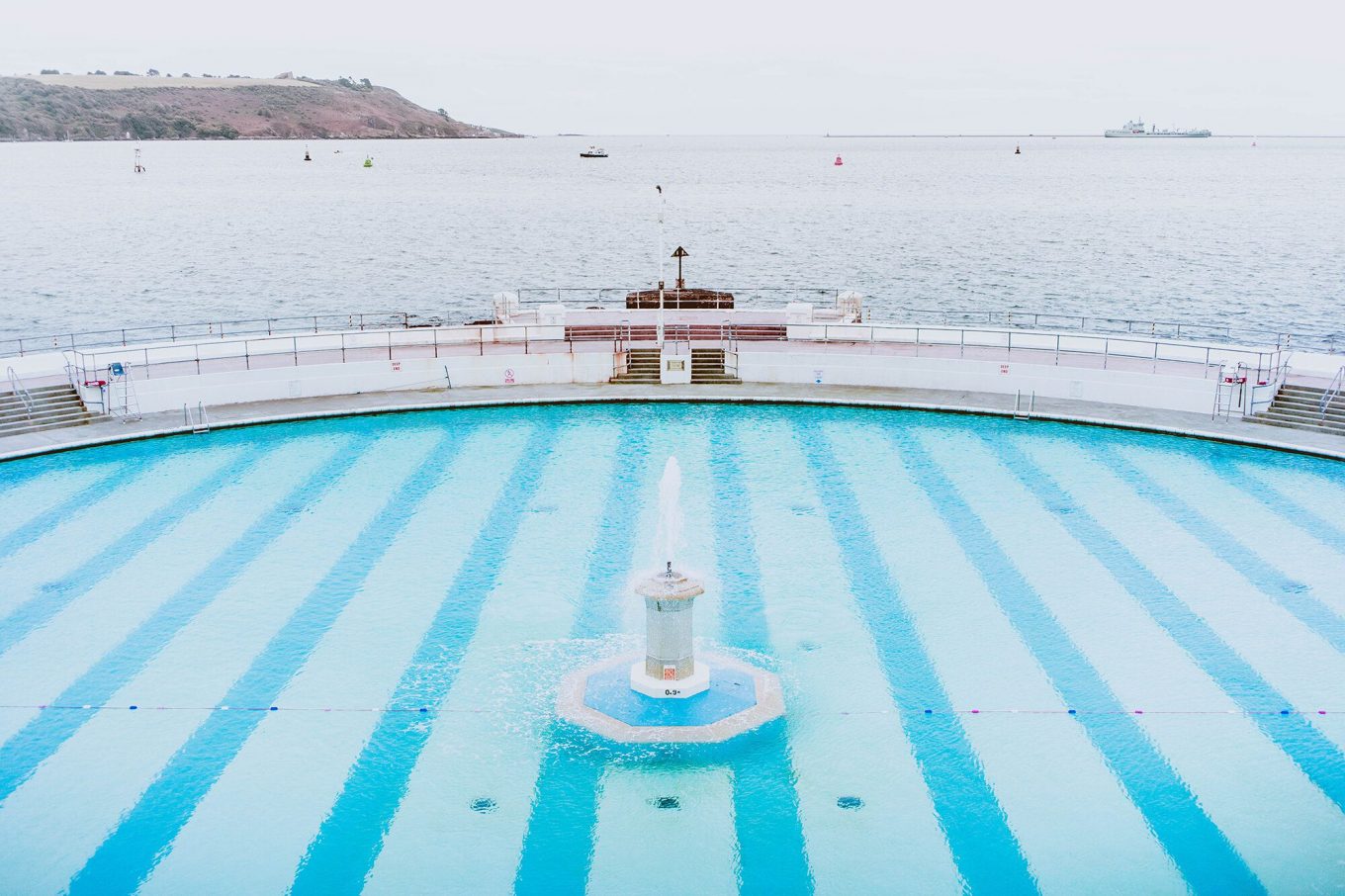
    Whilst in Penzance book a swim in Jubilee Pool, an Art Deco lido that opened to the public in 1935. Holding 5 million litres of water, it is the largest seawater pool in the UK and only goes 1-2 degrees Celsius above the temperature of the sea. Its unique triangular shape is to protect it from large swells when storms roll in. 

    Entrance to the main pool is less than £5 per person, book your tickets here.

    If you just want to visit Jubilee for a photo because it’s too cold for you then you can enter the terrace where the Jubilee Pool Café is located for free.

    Where to stay in Penzance

    For most of our staycation spent exploring Cornwall we were based in an AirBnb in Plymouth, Devon but we did stay in a couple of hotels and one of them was Artist Residence in Penzance. Artist Residence is a boutique hotel tucked away into a Georgian house on a quiet street in Penzance, you wouldn’t believe it has 16 rooms, 3 suites, a restaurant, bar and outdoor terrace within. Mix-matched decor bring an eclectic vibe to these airy rooms that are moments away from Jubilee Pool, the town centre and opposite the oldest pub in Penzance, The Turk’s Head.

    PFH Top Tip

    Artist Residence uses full-sized toiletries that they refill so you can pack less in your wash bag knowing that they’ve got you covered.

    3. Porthcurno

    When planning a trip to Cornwall you must visit Porthcurno, it’s one of the most beautiful and photogenic beaches I have ever seen and what makes it even more special is that it’s in England. Now I know that the majority of Brits knew we had beaches like Porthcurno but having grown up on the east coast with the North Sea it blew my mind to see white sandy beaches with the kind of calm, turquoise waters you associate with far flung tropical islands. I mean I’m beyond grateful to have grown up and worked my teens – early twenties on the beach but Porthcurno is operating on another level to my beloved West Runton. 

    From Google Maps it doesn’t look like there’s much going on at multi-award-winning Porthcurno beach, in fact it doesn’t actually seem like a beach is there but it has to be my favourite beach in Cornwall and if you get the chance to visit you’ll understand why. The combination of soft white sand and crystal clear water that is sheltered by tall rugged cliffs makes for the ideal beach day. Try your best to visit on a sunny day because when the sunlight hits the water it becomes almost electric in colour.

    To really take in the glory of Porthcurno take the South West Coastal path up to the Minack Theatre – an open air theatre built into the granite cliff – as you ascend take a moment to pause and admire the beach from above, it’s where these photos of Porthcurno were taken.

    Lifeguards are usually on duty between May and September but check the RNLI website to be sure.

    4. Land’s End

    A visit to Cornwall should include a trip to Land’s End if for nothing more than to say you’ve been to Land’s End: the most westerly point of England but unlike most of Cornwall, Land’s End appears to have become more of a gimmick than a place of wonder. 

    There’s plenty to keep children amused including the interactive Aardman and Arthur exhibitions but in general you won’t need to spend too much time here once you’ve passed through the End to End exhibit, seen the iconic Land’s End sign, admired the rugged granite cliffs that drop down into the wild waves of the Atlantic and maybe purchased a souvenir or two from The First and Last House. Not to say Land’s End isn’t worth visiting, it wouldn’t be on my list if not, but it might not be as fulfilling as hiking the coastal paths, catching a wave or soaking up the sun on golden beaches so don’t schedule a whole day here.

    5. Sennen Cove

    On a windy day, park up facing the sea at Sennen Cove and watch as enormous waves roll in and crash upon the rocks in such a dramatic fashion you’ll have your eyes peeled to spot the Little Mermaid hanging out on them.

    PFH Top Tip:

    Save money by visiting during off-peek times where there won’t be anyone charging you to take a photo with the official Land’s End sign.

    6. St Ives

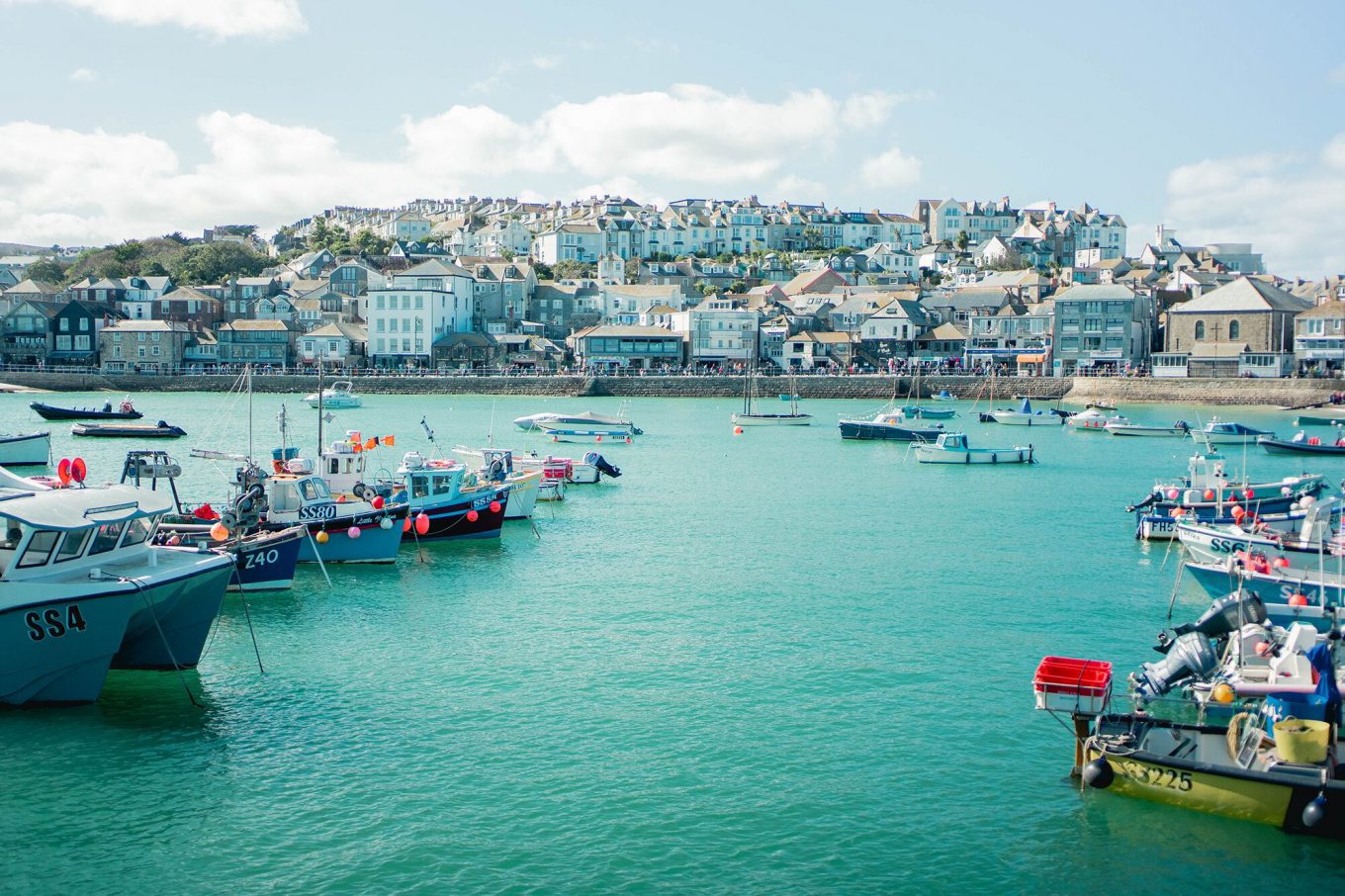
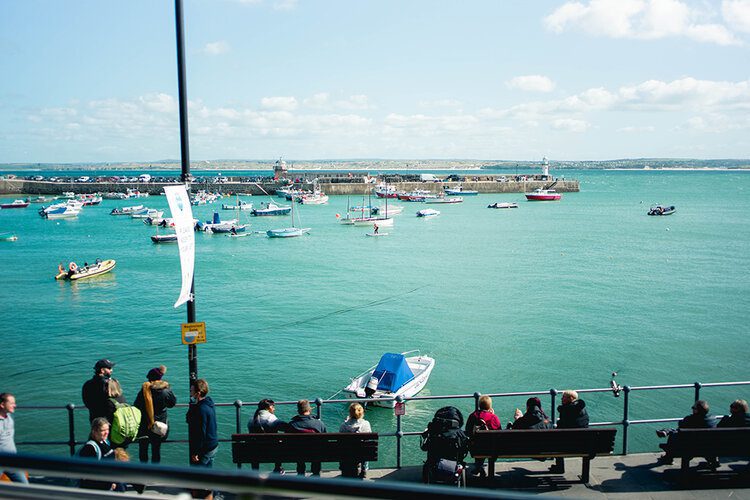
    St Ives is one of the most idyllic and Instagrammable seaside towns in Cornwall. Once a fishing village, the harbour makes for the most wonderful photos and view to enjoy with an ice cream from Moomaid of Zennor. 

    I won’t say more about St Ives because I have a full guide on visiting this beautiful coastal town which I want you to read as I so kindly made it for you, so click here for 10 things to do in a day at St Ives, Cornwall. It covers everything from where to get your morning coffee to kick off the day to where you can go to spot seals.

    7. Lizard Point

    Right at the end of the Lizard Peninsula, Lizard Point is the southernmost point of mainland Great Britain. Take the South West Coastal Path from Lizard Point to Kynance Cove for sweeping views of the craggy coastline. The walk will take 45mins – 1 hour one way and will offer plenty of spots to take beautiful photos whilst giving you a healthy dose of exercise.

    PFH Fun Fact:

    The biggest rescue made by the RNLI was made here in 1907 along with three other lifeboat crews. Over 16 hours they rowed back and forth to return 456 passengers from SS Suevic safely to shore.

    8. Kynance Cove

    Kynance Cove is known for it’s array of serpentine rock formations that create a complex coastline of sea stacks, islands and caves. At low tide a white sandy beach is revealed, which unfortunately we did not get the chance to see, and when the sun touches the water it lights it up to a glassy turquoise similar to that of Porthcurno on a sunny day.

    Even if the tide is in you can still roam the cliffs and enjoy the view.


    Do more on & for the planet, Gabriella

    Pin this post


  • PFH travelling home for Christmas mixtape playlist

    PFH travelling home for Christmas mixtape playlist

    Do you have the pleasure (or not, I get it) of travelling home for Christmas and want appropriately themed festive songs to get your there? Well you’re in luck! This playlist features 19 songs that will get you home for the holidays plus there’s a few Christmas location themed ones too just in case you’re going home to Hawaii, New York or maybe New Orleans.

    If you’re not going home for the holidays then please ignore this playlist and maybe you’ll be able to give it a listen next year.

    This is the 8th PFH playlist, if you haven’t already listened to my previously published and very (yes I said very) popular playlists, click the links below:

    PFH Ultimate road trip mixtape playlist

    PFH Paris mixtape playlist 

    PFH London mixtape playlist 

    PFH Rio de Janeiro mixtape playlist

    PFH New York City mixtape playlist

    PFH Hawaiian mixtape playlist

    PFH Californian road trip mixtape playlist

    Click the link below to listen to your perfect road trip playlist via Spotify and if you don’t have a Spotify account, I’ve written out the track listing below.

    Track listing

    Driving Home for Christmas – Chris Rea

    I’ll Be Home for Christmas – Michael Bublé

    Fairytale of New York (feat. Kirsty MacColl) – The Pogues

    Christmas in New Orleans – Louis Armstrong

    Miles and Miles – Marisha Wallace

    Santa Claus is Comin’ to Town- Bruce Springsteen

    (There’s No Place Like) Home for the Holidays – Carpenters

    Christmas in New York – Lea Michele

    Please Come Home for Christmas – Jon Bon Jovi

    Mele Kalikimaka – She & Him

    There is No Christmas Like a Home Christmas – Perry Como

    Christmas in L.A. – The Killers, Dawes

    Christmas (Baby Please Come Home) – Mariah Carey

    (There’s No Place Like) Home for the Holidays – Perry Como

    Christmas in Memphis – Lockwood Barr

    I’ll Find My Way Home – Jon & Vangelis

    A Spaceman Came Travelling – Chris de Burgh

    Christmas in Paris – The Heartland Roots Band

    Christmas in Our Home Town – Jamie Grey

    .

    Mele Kalikimaka, Gabriella

    Pin this post


  • 13 things you don’t want to miss along the Jurassic Coast

    13 things you don’t want to miss along the Jurassic Coast

    The Jurassic Coast is a 95 mile stretch of UNESCO coastline that holds 185 million years of history. Starting in Exmouth, Devon and ending at Old Harry Rocks in Dorset, the geology of this World Heritage Site covers three fascinating periods of history:


    • Triassic


    • Jurassic


    • Cretaceous 


    These three time periods make up the Mesozoic Era which was a time spanning approximately 250 to 65 million years ago. Here’s a brief overview of what went on in these three periods:

    Triassic 

    252 – 201 million years ago

    The rise of reptiles and the first dinosaurs.

    The landscape of this area was sweltering hot deserts. The Earth’s crust was sinking which caused layers of sediment to layer up which formed rocks.

    Jurassic 

    201 – 145 million years ago

    Birds and mammals graced the planet.

    Rising sea levels transformed the desert into a tropical sea. Towards the end of the Jurassic period however the sea levels dropped and a forest grew. 

    Cretaceous 

    145 – 66 million years ago

    Dinosaurs became extinct.

    At the beginning of the Cretaceous period, the forest that had grown towards the end of the Jurassic period died and the landscape changed to rivers, lagoons and swampland. Towards the end of the Cretaceous period, the sea levels rose again and the older layers of rock from previous time periods were covered in sandstone and chalk.

    .

    On an adventure exploring the Earth’s history along the Jurassic Coast, you can expect to learn about creatures you never knew existed, literally walk in the footsteps of dinosaurs, hunt for fossils, enjoy fish and chips in beautiful coastal towns, indulge in locally made ice cream and marvel at the rugged coastline.

    To save time and fussing around with cash or prevent needing to run back to the car for every car park on the Jurassic Coast, download the following parking apps so that you can pay for and top up your parking from anywhere on your phone.


    • PayByPhone


    • RingGo


    • JustPark


    • Flowbird


    • Parking Ops


    Unfortunately I can’t remember which one is used where but if you have them all ready to go you won’t waste any time. Some car parks are free and there are a few that only take cash, so I recommend keeping some spare change on you before you arrive.

    Let me take you from west to east for 13 things you don’t want to miss along the Jurassic Coast:

    Exmouth

    Park your car at Foxholes car park right next to the beach and get a Kelly’s Cornish ice cream from the little hut on the seafront before taking a stroll down the promenade. It’s right at the end where you’ll find very short cliffs of bright red rock topped with luscious green foliage. 

    250 millions years ago (that’s even older than the dinosaurs) this landscape was a scorching hot desert. It was the centre of the super continent Pangea and was very close to the equator. During this time, very little plants could survive the heat and flash flooding.

    The layer of red rock you can see today at Exmouth beach is 185 million year old sand dunes from the aforementioned time where this part of the world was desert.

    Sidmouth

    Sidmouth is a seaside town that takes about half an hour to drive to from Exmouth. The town’s backdrop, Sid Valley, is made of red cliffs from the Triassic period. 

    Like with many coastal towns and cities along the south west coast, the popularity of seaside resorts between the 18th and 19th centuries made Sidmouth a desired holiday spot. Its pretty town centre echos this period in time but now offers a variety of both high street stores and independent shops and eateries which were a welcomed escape for us when the heavens opened the day we visited.

    On a sunny day you can sit out on the beach, walk the Blue Plaque trail or hike parts of the South West Coastal Path. 

    I particularly recommend popping into the National Trust gift shop in town as they sell all sorts of wonderful guides on the area plus eco-friendly items that can help you to reduce your daily single-use plastic waste. I picked up a National Trust Scone recipe book which I’m particularly excited about as it features 50 regional scone recipes from all around the United Kingdom.

    Make time to visit Sidmouth Museum as it is home to rare fossils from the Triassic period.

    Charmouth 

    A trip to the Jurassic Coast is incomplete without making the effort to go hunt for fossils yourself and Charmouth beach is the perfect place to do it!

    Though you could hunt for fossils anywhere along the Jurassic Coast, Charmouth’s shingle beach is particularly popular for fossil hunting because it is a large area full of opportunity as fossils are plentiful within the shingle, particularly after high tide.

    Before you begin your hunt, make a stop at Charmouth Heritage Coast Centre where you can see a display of the types of fossils you can find with a careful eye along the beach. 

    Charmouth Heritage Coast Centre is open every day from 11am – 3pm and entrance is free.

    Tips for fossil hunting


    • Always check the tide times before you go


    • Wear waterproof and sturdy shoes


    • It’s quieter in winter, so you’ll have a better chance of finding something


    • The best time to go is when the tide is going out as high tide will have resurfaced a new layer of rocks


    • Your eyes are your best tool


    • Spend time turning over rocks, you never know what’s underneath them


    • Be patient, finding fossils really relies on luck


    NEVER dig into the cliffs, these are structurally unsafe and you could cause cliff fall. Coastal erosion is sad enough, do not contribute to it.

    The most common and easiest to find fossils are:

    Belemnites 

    They existed during the Jurassic period and went extinct during the Cretaceous period. They had a squid-like body but a hard internal skeleton. Fossilised Belemnites look like stone bullets.

    Ammonite 

    They were squid like creatures that lived within the chamber of a tightly spiralled shell. The shell is what you will be able to find fossilised on the beach with a careful eye.

    Seashells

    Fossilised seashells look just like regular seashells but attached to rock.

    If fossils aren’t your thing, you can also find heaps of sea glass in all sorts of colours on Charmouth beach.

    West Bay

    West Bay’s crumbling golden cliffs have become a famous landmark in popular culture thanks to the popular ITV crime drama, Broadchurch. The erosion of these sand cliffs reveal indications of fallen sea levels from 175 million years ago. 

    The best time to see them is on a clear, sunny day when the light hits them and highlights their golden tone.

    When you’ve had your time on the beach, venture behind the car park to The Customs House Emporium for a chance to find some relics of a different kind. Riffle through vintage, antique and retro items to find a favourite record, a pre-loved jacket or a second hand table.

    Chesil Beach

    Chesil beach is an 18 mile long shingle ridge that stretches from West Bay to the Isle of Portland and is one of Dorset’s most iconic landmarks.

    Unlike the soft sandy beaches of south west England, Chesil Beach is formed entirely from shingle. As the ridge is entirely exposed to the elements it doesn’t make for the perfect spot to lounge in the sun or picnic, but is a place where you can walk off your fish and chips. The sound of the waves pummelling and dragging the stones should be a soundscape on the Calm app.

    Wear practical footwear as the shingle does not make for a sturdy surface.

    Need a Friday night movie recommendation? Ian McEwan’s novel-turned-film, On Chesil Beach (2018) is another beautiful period film starring the amazing Saoirse Ronan that features Chesil Beach.

    Isle of Portland

    At the far end of Chesil beach is the Isle of Portland, which is best known for its quarry which has provided the stone that built Buckingham Palace.

    The best place to see all of Chesil beach is from the top of the hill where the Weymouth Olympic Rings are (Weymouth hosted the sailing competitions during the 2012 Olympic Games). You can drive up there and park just opposite them. From the rings you will get an amazing view down at Chesil Beach. 

    Another neat thing to see on the Isle of Portland is Pulpit Rock. Located at the far end of the Isle of Portland, Pulpit rock resembles an open bible leaning upon a pulpit. 

    Weymouth

    Weymouth is your classically quaint English seaside town that has been a popular destination for holidaymakers for over 200 years. 

    This long curved beach of soft golden sands is lined with a Georgian Esplanade where you can buy ice cream, sandwiches, buckets, spades and more! The shallow waters are sheltered so they’re perfect for dipping your feet and playing with children and dogs.

    Stroll over to the marina to an array of little sail boats bobbing in sparkling waters against a backdrop of colourful rainbow houses. This part of Weymouth feels like the Mediterranean. 

    PFH Top Tip: Arrive early to park in Pavilion Forecourt car park, it’s small so it fills quickly but it offers the ideal location between the beach and the marina.

    Durdle Door

    Durdle Door is one of the most iconic sights of the Jurassic Coast and was my favourite spot to visit. Tucked away, far out of sight from the car park is the beautifully natural, limestone arch of Durdle Door, jutting out from the beach into the surprisingly crystal clear waters of the English Channel.

    Durdle Door was formed by a rippling effect through the Earth’s crust that spread north when the African and European tectonic plates collided with each other. To give you an idea of how immense that pressure was, that same collision created the mountainous region we know today as the Alps. It was this rippling effect that pushed and shoved the Earth’s crust to create the rugged coastline of south Dorset and Purbeck. Durdle Door was in the centre of one of the folds in the rock and as the sea eroded the softer rock, it revealed an arch which we know as Durdle Door.

    PFH Top Tip: Beat the crowds and park in the field car park on the top road as it is open in the early hours of the morning. The official Durdle Door car park is closer but it doesn’t open until 9.30am and gets busy incredibly fast. Arrive for sunrise, park in the field, walk the extra 10 minutes and you will have the place to yourself. Both car parks have pay and display machines.

    The walk from even the first car park is a steep path from the clifftop down to the sea so I strongly advise you wear trainers/sneakers and make sure you have plenty of water with you for the walk back up. Though it doesn’t take long if you’re of average health, it is steep and can be a struggle on a warm or hot day. 

    With my shoe warning in mind, I also want to add that although it looks like sand from above, the beach is made from tiny shingle that doesn’t look threatening until it fills the space between your sandal and the soles of your feet, at which point it’s like walking on needles. I strongly advise you to wear trainers/sneakers, trust me, your feet will thank me.

    The reason I recommend you arrive early is because there are plenty of photo opportunities on your journey down to the beach that get very crowded once the clifftop car park opens. Once you have made the first descent down the path from the cliff edge, you will come to a plateau which is the perfect opportunity to capture Durdle Door from above. From here you will also be able to see Man O’ War beach located to the left of Durdle Door, it’s another beautiful spot where the water looks all shades of turquoise before turning to a deep blue as you look further out to sea.

    Take the steps down to the beach where you will be able to capture Durdle Door from the water’s edge. Then lay out a blanket or a towel and enjoy with view with a picnic as you take in the beauty of this natural rock formation, to the sound of gentle waves lapping upon the shore.

    Lulworth Cove

    Located just a 10 minute drive from Durdle Door is the equally photogenic coastal gem, Lulworth Cove. Unlike Durdle Door where the only thing there is the beach unless you make the trek back up to the clifftop for a single mobile food truck and toilet block, Lulworth Cove has no end of ice cream shops and souvenirs, most importantly locally made, edible souvenirs such as cider and fudge. 

    Park up at the top of the village, potter around the shops and visitor centre before heading down to the beach. Though there isn’t much beach around at high tide it is the best time to visit to be able to see all the wonderful blues and green of the water, especially when the sun hits it. For the best view walk up the narrow path to the top of the cliff (it’s not very far) to look down upon the beautiful cove encompassed by white and green cliffs. Take a moment to marvel at the sea sparkles as the sunlight bounces off the calm turquoise water.

    I highly recommend trying as many flavours of Purbeck ice cream as you can whilst in Dorset. It’s a Dorset ice cream company that does the best clotted cream and berries ice cream I’ve ever had… and I’ve had a lot. You’ll find Purbeck ice cream being sold here.

    Kimmeridge

    Along with enjoying the breathtaking scenery of the Jurassic Coast firsthand, the main excitement of visiting this 185+ million year old coastline is to learn about who roamed the land and ruled the ocean millions of years before we ever existed.

    Located in Kimmeridge is the The Etches Collection Museum of Jurassic Marine Life, a museum dedicated entirely to Dr Steve Etches MBE’s collection of fossilised marine life from the Kimmeridgian Seas. The exhibitions include footage of how he excavates his fossils, his notes on everything he finds as well as information on what you are looking at. 

    Step back in time, 157 million years ago to be precise, to a prehistoric seascape home to terrifying predators and sea monsters you would never want to meet whilst taking a dip in the ocean. Come face to face with these amazing pieces of history from tiny ammonites to enormous Ichthyosaurus.

    Whether you are an experienced palaeontologist or novice fossil hunter, you are sure to be fascinated by Etches’ collection of fossils and the world that came before us millions of years ago.

    Opening hours 

    Open daily from 10am – 5pm.

    Closed on 24th, 25th & 26th December.

    Ticket cost

    Adults £8

    Children (5-16 years) £4

    Children under 5 years old are free

    Family ticket (2 adults + 2 children) £20.00

    Family ticket (1 Adult + 3 children)  £ 16.00

    Tickets are an annual pass.

    Accessibility 


    • The building has step free access


    • A lift is available to travel between floors


    • There’s an accessible toilet on both floors


    COVID-19 restrictions


    • Please use the provided hand sanitiser before and after entering


    • Observe the one way system


    • Wear a face mask at all times indoors


    • Please stay 1-2 metres away from others


    Spyway dinosaur footprints

    Though learning about fossils is fascinating and gazing at Durdle Door is breathtaking, making a trip out to the Spyway dinosaur footprints is without the doubt the coolest thing you can do along the Jurassic Coast. In fact I would go as far as to say it is in my top five things to do in the UK along with feeding Reindeer in the Scottish Highlands and frolicking in lavender fields.

    Park up at the Spyway National Trust car park and take the footpath between the fields making a right onto Priest’s Way. Walk for about 12mins until you see a wooden gate on the right hand side that has a little sign that says “Dinosaur Footprints”. Enter the gate and keep walking until you see a patch of rock at a lower level to the surrounding field. It’s within this patch of rock that you will find a series of huge round indentations, these my friend, are brachiosaurs (of the sauropods) footprints made 140 million years before you took your first steps. 

    This magical piece of history is just out in the middle of a field, next to a quarry and free for anyone to visit. What’s cooler than literally walking in the footsteps of some of the largest animals that ever lived?

    It’s presumed that the quarry was once a watering hole, and that the dinosaurs’ footprints were imprinted into the soft mud which then became preserved by the layers of rock that formed over them. 

    Swanage

    Swanage is the most easterly seaside town along the Jurassic Coast and has been a popular seaside resort since the Victorian era. Explore its cluster of independent shops and grab some Fish and Chips from Harry Ramsden’s on the seafront to enjoy on a rented deckchair on the beach (£2) followed by an ice cream.

    Walk off your meal along the soft sand then spend your pennies at the arcades. Click here for more ideas on how to spend a day at the seaside.

    Old Harry Rocks

    The last stop along the Jurassic Coast when travelling from west to east is Old Harry Rocks, a series of startling white chalk formations that are ever so slowly tumbling into the sea, due to natural erosion. 

    During the Cretaceous period, 100 million years ago, a substantial amount of plankton skeletons drifted to the bottom of the ocean in this very spot. Over the next 35 million years this formed a thick later of white limestone known as chalk, and that’s how the cliffs here at Old Harry Rocks were made.

    The name Old Harry refers to the lonely stack of chalk furthest out to sea. He used to have a wife (another stack next to it) but in 1896 coastal erosion got the better of her and she fell into the sea.

    Legend has it that Old Harry Rocks was named after Harry Paye, an infamous pirate known for running amuck along this part of the coast.

    The closest car park is a National Trust one at South Beach. It will take about half an hour to walk from the car park to Old Harry Rocks along the South West Coast Path.

    Gabriella

    Pin this post


  • 6 best things to do when visiting Plymouth, Devon

    6 best things to do when visiting Plymouth, Devon

    Once an important commercial shipping port to the Americas, the final departure point for the Mayflower and former home to the Royal Navy, Plymouth is a city rich in maritime history. Britain’s ocean city is one that exudes pride for its participation in colonising what is now known as the United States of America but is also deeply scarred by bombing during World War II known as the Plymouth Blitz that annihilated the city. Whichever way you look at Plymouth it’s a beautiful and fascinating city that caters to everyone whether your desire is to sample gin from the oldest gin distillery in the country, indulge in just-caught-that-day seafood, shop in the largest shopping centre in the southwest of England or swim in an art deco seawater pool. Want to know more? Great, let me take you through my 6 favourite things to do in Plymouth.

    This guide shares things you can do in Plymouth but please know there is so much more to see and do beyond the city such as coastal walks, visiting beaches and taking day trips to Cornwall, so make sure you explore further when you visit.

    Remember to always wear your mask indoors and sanitise/wash your hands as often as possible.

    1. Barbican

    Barbican is a waterfront neighbourhood that covers both the west and north sides of Sutton Harbour, Plymouth’s original harbour where the Mayflower sailed from (see more below). Despite the city being hit hard by the Luftwaffe in WWII, 100 listed building still stand in the area today including the Old Custom House and Plymouth Gin distillery both built in the 1500s.

    Present day, Barbican’s tiny cobbled streets are lined with shops, galleries, restaurants and pubs. It’s also where you’ll find the Mayflower Museum and the Plymouth Gin Distillery.

    Whilst pottering around the streets make a plan to get brunch from Rockets and Rascals where you can choose from meat, vegan and veggie options.

    PFH Fun Fact: Barbican has the largest concentration of cobbled streets in Britain.

    2. Mayflower museum and memorial

    400 years ago, on the 16th September 1620, a ship called the Mayflower made its final departure from England to the New World – now known as the United States of America – carrying 100 or so people plus crew with big dreams of building a new colony in the Americas.

    Across two floors of the Mayflower museum, located opposite the commemorative Mayflower steps, a permanent exhibition tells the story of who decided that they had had enough of England, why and how they went about attaining the Mayflower to make a 66 day-long voyage in cramped, damp and filthy conditions to the Americas. It also documents the six week-long troubles the passengers and crew faced before even departing from Plymouth and why Plymouth became the unplanned final departure point for the Mayflower.

    There is some but little information on the impact the new settlers had on the Native inhabitants who had lived in the Americas for over 12,000 years so my advice is, visit the Mayflower Museum to learn of the hardship, determination and strength of the people who faced an arduous journey to make a new home for themselves, but please make sure that you continue your education further to understand the damage and heartbreak caused on the other side of their journey. Though many see and celebrate the successful voyage and settlement of the Founding Pilgrim Fathers and Plymouth Colony, it is important to recognise their ignorant behaviour towards the indigenous peoples whose livelihoods were plundered, pillaged and sold off from under them.

    Opening hours

    Monday to Saturday 9am – 5pm

    Sundays 10am – 4pm

    Closed on Sundays between November and March

    Closed 25th Dec – 1st Jan

    Ticket cost

    Adult £3

    Children (5-16) £1.50

    Family (2 adults and 2-3 children) £8

    Senior and student £2.50

    Accessibility 

    Each floor is accessible by lift.

    COVID-19 restrictions

    Please use the provided hand sanitiser before and after entering.

    Observe the one way system.

    Wear a mask at all times indoors.

    Please stay 1-2 metres away from others.

    3. Plymouth Gin Distillery

    Take a glimpse into the process of creating Plymouth Gin in the oldest working distillery in England where they’ve been using the original recipe since 1793. For just £11 per adult you will get to learn all about the fascinating history of Plymouth Gin which continues on to an immersive experience involving their botanicals during a tasting of three of their gins, ending with the opportunity to take home a miniature bottle of gin or enjoy a drink at their bar. Before leaving you’ll be given a 10% discount code for their gift shop.

    Tours last about 40mins, allow extra time if you chose to drink at their bar.

    There’s also an opportunity to upgrade to a gin connoisseur and master distiller tour too. 

    If you’re a gin drinker then I would put this to the top of your list in Plymouth because it’s the perfect opportunity to learn more about gin whilst tasting it, but also to learn about the city with an overview of the distillery’s strong ties to the navy.

    Opening hours

    Tuesday – Saturday 11am – 5.30pm

    Sundays 12pm – 5.30pm

    Closed on Mondays

    Tours are ran daily and can be booked by calling ahead.

    Ticket cost

    Adult £11

    Accessibility 

    As it is a listed building, the floors are uneven but ramps and lifts are available to gain access to each floor.

    COVID-19 restrictions

    Tours are limited to 8 people.

    Tours must be booked in advance.

    Please use the provided hand sanitiser before and after entering.

    You must complete the track and trace form or log your location using the NHS Track and Trace app.

    Wear a mask at all times indoors excluding the time of your tasting.

    Please stay 1-2 metres away from others.

    4. Minevera Inn

    If gin isn’t your choice of tipple, pop into the oldest pub in Plymouth, Minerva Inn, where they serve a variety of local beers, ciders and spirits. Built from timber recovered from the Spanish Armada Fleet in the 1500s, drinks have been served at Minerva Inn since 1540. The walls are decorated with ephemera from the pub’s long history and photographs of how Looe Street, where the pub is located in Barbican, looked before it was bombed during the Plymouth Blitz.

    Whilst there, ask the friendly staff about the grim albeit interesting stories of the Press Gang’s occupation of the pub back in the 17th century and if your stomach can handle it, the ghostly tales of figures from time gone by.

    Opening hours

    Regular hours are:

    Monday – Wednesday 11.30am-11pm

    Thursday & Friday 11.30am – midnight

    Saturdays 12pm – 12am

    Sundays 1.30pm – 10.30pm

    Please note that at the time of publishing (October 2020) pubs in England must close at 10pm under new COVID-19 restrictions.

    COVID-19 restrictions

    Please use the provided hand sanitiser before and after entering.

    You must complete the track and trace form or log your location using the NHS Track and Trace app.

    Wear a mask at all times indoors unless you are at your table.

    Please stay 1-2 metres away from others.

    Table service only.

    5. Tinside Lido

    Tinside Lido is Plymouth’s Art Deco seawater swimming pool built into the shoreline and cliffs in Hoe. This Grade II listed building was originally opened in 1935 and was a popular holiday for people living in the UK during the tourism boom in the early-mid 20th century. Unfortunately, for Tinside Lido, as international travel picked up towards the end of the century, fewer people visited and in 1992 it was closed and soon fell into disrepair. However, in 2002 funds were raised to restore the iconic outdoor pool and it was successfully reopened in 2005. Yay!

    So now for just £5 you can take a dip in a beautiful 1930s seawater lido where on one side you can admire the classic Art Deco architecture and on the other you can gaze out to sea. Warning, the pool is only ever 2 degrees Celsius above sea temperature so if it’s a chilly day, prepare for a shock! 

    When you’re done, pop over to The Terrace (just a 2 minute walk away) where you can get a cuppa to warm your bones after a cold swim or maybe a glass of wine on a sunny day whilst looking out at the lido.

    Though you can’t swim in the lido during the cooler months, you can still view it from a platform above the pool just off from the main road.

    PFH Fun Fact: Tinside Lido was featured in a BBC ident.

    If you’re visiting Plymouth in the summer, hang around Hoe Park at sunset to see the sun dip behind the hill, casting an array of peachy pink stripes across the sky.

    Opening hours

    The pool is open seasonally from 10.00 and each paid admission counts for a two hour swim.

    The C-19 pandemic has altered the lido’s open season, so check here before paying a visit.

    Ticket cost

    Adult £5

    Accessibility 

    There is a road side lift to take you to reception.

    There is an internal lift to the pool level.

    There is a hoist in the main pool.

    Dedicated toilets and changing rooms are available.

    COVID-19 restrictions

    Wear a mask at all times indoors.

    Please stay 1-2 metres away from others.

    6. Royal William Yard

    Unsure about what you fancy for dinner and need a variety of choices? Or maybe you want dinner somewhere steeped in maritime history, then head over to Royal William Yard. Royal William Yard is a Grade I listed building that used to be naval buildings but is now the top waterfront dining destination in the city as it’s filled with restaurants as well as a boutique, salon, hotel, wine merchant and brewery, plus there’s a monthly food market.

    Take no notice of Wagamama or Prezzo though as there’s far more exciting eateries including Le Vignoble with over 300 wines from around the world on offer and The Hook & Line where you can order from a menu of fresh seafood caught locally on the owners’ fishing boats.

    By the way, you’ll find the city’s first ever speciality rum bar at The Hook & Line, serving up a selection from all around the world including popular local rums. This is homage to the city’s and the restaurant location’s naval heritage. If ale is your poison, then try their signature ale: The Hook, Line & Sinker.

    COVID-19 restrictions

    Please use the provided hand sanitiser before and after entering.

    You must complete the track and trace form or log your location using the NHS Track and Trace app.

    Wear a mask at all times indoors unless you are seated at your table.

    Observe the one way system.

    Please stay 1-2 metres away from others.

    Table service only.


    I really enjoyed visiting Plymouth. Even without a particular interest in its naval history it’s wonderful to experience the city’s various nods to its maritime culture, whether it’s a tour at the distillery that used to supply the naval officers with gin, a swim in a seawater pool, a meal at a restaurant located in naval buildings or learning about the voyage of the Mayflower. 

    Gabriella

    Pin this post
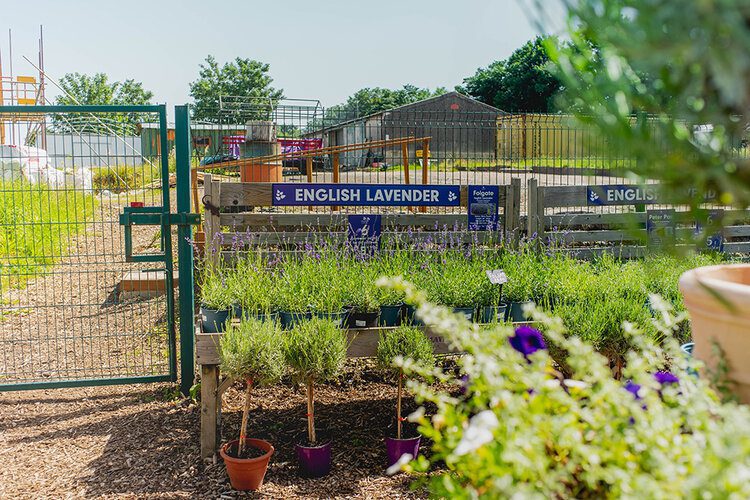


  • 10 things to do in a day at St Ives, Cornwall

    10 things to do in a day at St Ives, Cornwall

    St Ives is a seaside town in southwest Cornwall famous for its sun-trap harbour lined with restaurants and bars, art scene with more galleries than you can shake a paintbrush at – including Tate St Ives – surf beaches like Porthmeor and beautiful turquoise waters.

    Originally a fishing village, St Ives is now a seaside resort and is top of everyone’s Cornwall bucket list. Why? Because it’s a cute town with independent shops, pretty views and so many places to eat you’ll want to come back to try more. On that note, spending a day in St Ives by my guide involves a lot of eating so bring your stretchy pants, okay?

    What to pack in your bag for a day in St Ives


    • Reusable coffee cup – to responsibly get your hot drink to-go


    • Towel – to sit on when you’re on the beach


    • Face mask – to cover your face to protect others


    • Hand sanitiser – to protect yourself and others


    Remember to always wear your mask indoors and sanitise/wash your hands as often as possible.

    PFH Top Tip: Keep your face mask on in slightly busier areas such as Fore Street and Wharf Road. Also keep an eye out for a sign in the shopfront that tells you how many customers are allowed in at one time.

    1. Arrive early to get parked

    I guarantee if you ever hear someone recommending a day in St Ives, you will hear them say you must arrive early by car if you have any hope of getting parked. With roads barely wide enough for a single car, corners so tight you can’t but hold your breath when you creep around them, there’s very little parking opportunities in St Ives so the car parks fill quickly. 

    If you plan on driving you must arrive to St Ives before 8.30am to get a spot for your car. 

    The car park we used was The Island Car Park and it cost £8.20 to park all day.

    If you aren’t able to drive you can use the bus and train service. I’ve heard from a friend that the train ride in from St Erth is very scenic.

    2. Get coffee from Yallah 

    So I’ve made you arrive early to St Ives to get parked but you’re like, ugh Gaby, none of the shops are open yet. Make your way to the Yallah Kiosk on Wharf Road and grab a coffee to-go, they will make your coffee in your own reusable cup (yay!) so make sure to hand it over. Click here to read Yallah’s sustainability report.

    Take your coffee to one of the benches on the other side of the road and gaze across the harbour at all the little boats bobbing around in the cool clear waters, waiting for the late morning sun to reach them.

    3. Try to spot seals from Smeaton’s Pier

    Take a leisurely stroll over to and along Smeaton’s Pier for a chance of spotting a seal. Catching a glimpse of a seal around St Ives is possible but known to be quite rare unless you take a paid boat trip over to Seal Island.

    Either way it’s a nice little walk to kill time before the shops, galleries and museums open, plus it provides the perfect spot to take a photo of St Ives with the little harbour in the foreground which you can see below.

    4. Visit Tate St Ives

    If you want to step up your gallery game (it’s possible that there’s almost as many galleries in Cornwall as there are Cornish pasties) then book tickets for Tate St Ives. Tate St Ives is an art gallery located just off from Porthmeor Beach that showcases a collection of modern art with local ties.

    The current exhibition “Modern Art and St Ives” is the first that you’ll visit and tells the story of modern artists who are connected to St Ives including Barbara Hepworth, Patrick Heron and Alfred Wallis.

    Hungry for more? Then head on over to the Barbara Hepworth Museum and Sculpture Garden. If you purchase a ticket here first, it’s a little pricer than the Tate ticket but it includes entrance to Tate St Ives.

    Opening hours

    Monday to Sunday 10.00–17.20

    Ticket cost

    Adult £9.50

    Children get free access

    Student £8.50

    Senior (60+) £8.50

    Job seeker £8.50

    People with disabilities £8.50 (companion gets free access)

    Accessibility 

    Each floor is accessible by lift.

    Three wheelchairs are available.

    Accessible toilets are located on the third floor.

    Large print guides printed on yellow paper are available upon request.

    A 10 min audio introduction that describes the architecture is available upon request.

    Guide dogs, hearing dogs and assistance dogs are welcomed.

    COVID-19 restrictions

    Please use the provided hand sanitiser before and after entering.

    Observe the one way system.

    Wear a mask at all times indoors.

    Please stay 1-2 metres away from others.

    5. Explore the nooks and crannies

    With its narrow winding streets that offer glimpses of the sea it’s easy to find charm in exploring the nooks and crannies of St Ives. Stumble across a cute cottage or two, an independent gallery and keep an eye out for special spots that looks like you could be peeping out at the shoreline of Positano. 

    6. Pick up a Saffron Bun from Ferrell S H & Son

    A saffron bun is a spiced bun similar to a tea cake. Yellow in colouring, thanks to the saffron, it sits proud and easily identifiable in the shop window of Ferrell S H & Son’s bakery on Fore St, a family run bakery that has been there since the 1960s.

    It’s a traditional Cornish treat and is up there on the must-try-whilst-in-Cornwall list that also includes:


    • Cream tea with Cornish clotted cream (preferably Rodda’s)


    • Cornish pasty


    • Yarg (cheese)


    Heads up, despite the C-19 pandemic, Ferrell S H & Son only accepts cash so have some to hand to get your bun.

    7. Shop on Fore Street

    Whilst on Fore Street, enjoying your saffron bun, potter around the shops. Here you’ll find some of the best independent shops in St Ives including all things surf, seaside themed and rum/gin focused. My favourites along this little street are:

    John’s Liquor Cellar

    Shopping in John’s Liquor Cellar is like stepping into a cave full of intoxicating treasures including locally crafted beers, wines and ciders but most importantly (for me anyway) gins. You’ll find a vast selection of local gins such as Tarquin’s, Trevethan and St Ives in all their available flavours including Trevethan’s pink grapefruit and lychee or Tarquin’s rhubarb and raspberry. They even sell miniatures so you can grab some souvenirs/stocking fillers for friends and family back home.

    Myrings of St Ives fudge and rock shop

    Myrings’ fudge recipe has been passed down through generations for over 30 years. It’s the perfect spot in St Ives to pick up a sweet treat for yourself or a loved one. 

    Cornwall soapbox

    Pick up some handmade soap, a shampoo bar and a candle to match from Cornwall Soapbox. Each soap is made with pure essential oils and organic African Shea Butter. They each smell amazing and even better, they reduce your plastic packaging waste as they’re wrapped in paper.

    The Sewing Room

    It won’t come up on google maps but it’s a little knitting and crochet shop selling needle, hooks, patterns and wool/yarn which will inspire you to make something or pick up kits as gifts for others.

    Yummy Scrummy Bakery

    Pick up a giant iced bun topped with hundreds and thousands before they sell out to the masses!

    8. Get ice cream from Moomaid of Zennor

    “Legend has it that a young Cornishman was lured into the sea by the beauty of the Mermaid of Zennor. Today you’re more likely to be seduced by Daisy, Primrose and Sid Vicious – just three of the cows that help make Tremedda Farm’s ice cream. They are the legendary Moomaids of Zennor.” – Moodmaid of Zennor.

    Once you’ve been into all the wonderful independent shops on and around Fore Street, pop into Moodmaid of Zennor for some locally made Cornish ice cream. Their ice cream is made with fresh ingredients and in small batches so they can ensure only high quality ice cream is going from scoop to tummy. 

    Their flavours run from traditional vanilla clotted cream to salted almond praline. Take it in a cone or a tub dressed up with the likes of brownie chunks and a stick of fudge. 

    WARNING! Cornish seagulls are buttheads and will take the food from your hand mid-flight. Whilst eating lunch on the beach in Port Isaac, a cannibalistic seagull took half of Michael’s egg mayo baguette from his hand and swallowed it whole as we looked on in horror. Be so careful with your ice cream when you eat it okay? Walking around with food by the shoreline in Cornwall is like entering shark infested waters with an open wound. Alright, even without my exaggeration I still advice you to eat quickly.

    9. Sit on the beach

    If it’s a lovely day out then spread out a towel on the sand and either lay back and soak up some rays of sunshine on Porthgwidden Beach or watch the surfers catching waves on Porthmeor Beach.

    10. Get dinner at Porthminster Kitchen looking out on the harbour

    Porthminster Kitchen is located on Wharf Rd and has an amazing view of the harbour, and oh, when the sun hits the water and it lights up to an electric cyan blue, it feels like you could be anywhere in the Mediterranean.

    The menu features dishes inspired by global cuisine but made with locally sourced Cornish ingredients. They’re sure to tickle your seafood fancies with a wide choice including scallops, squid, clams, mussels and more!

    If you’ve been around here for a while then you’ll know I’m somewhat partial to some fish and chips (fish and chips are life) and of all the chippies in all the land, I have never had mushy peas as good as I have at Porthminster Kitchen. Their spiced peas are like two fish and chips classic sides in one: mushy peas and curry sauce!

    Make sure to book in advance if you’re going to St Ives during peak spring/summer to avoid disappointment, card details are required to make the booking and you will be charged £15 if you don’t show for your booking without prior warning. If it’s forecast to be a sunny day, see if you can ask for a table outside.

    PFH Top Tip: if you can’t get booked into the restaurant for dinner, consider lunch at their café, Porthminster Café, located on Porthminster Beach.

    COVID-19 restrictions


    • Wear your face mask until you are seated at your table and make sure to wear it if you leave your table


    • Pay for your meal by contactless card


    • Observe the one way system


    • Try to keep a distance from others in the restaurant when you’re not at your table


    Travel safely,

    Gabriella

    Pin this post


  • How to spend a day in Clovelly, Devon

    How to spend a day in Clovelly, Devon

    With a series of white washed cottages cascading down towards the sea from a 400ft cliff edge, Clovelly, a small living fishing village in North Devon, is one of the most picturesque spots in the county. Appearing untouched for centuries, the tiny cobbled high street of Clovelly, inaccessible by vehicle, takes you back to a simpler time where life was enjoyed without the conveniences we take for granted today. 

    Once owned by the Royal Family, Clovelly has been in the hands of just three families since the 13th century. The village is still privately owned and all properties are rented and residence usually stays within a family for generations.

    We chose to visit Clovelly after watching a re-run of the Channel 4 documentary, “Devon and Cornwall” which explored the two counties’ treasures. Once I caught a glimpse on TV of this exclusive village, so lusted after that it requires an entrance fee, I wanted to see it for myself and I am so glad I did. Between shopping for handmade soap and candles from Clovelly Soap, learning about Rex Whistler’s iconic “Toile de Jouy” design from Clovelly Silk, enjoying a Devon cream tea with a view of the sea and exploring a steep, meandering path down to the 14th century quay, visiting Clovelly has been one of my favourite days out in England.

    Read on to find out what you need to know about visiting Clovelly, how we spent the day there and my tips on where to get the best photos.

    Visiting Clovelly

    Before getting into what to do and where to take the best photos in Clovelly, here’s the basics for getting access to the village:

    How to get there 

    Parking at the Clovelly Visitor’s Centre is included in the entrance ticket cost (see below for more).

    The village is located off the A39, 10 miles west of Bideford. Take Junction 27 to exit off the M5.

    The closest train station is Barnstaple and you can take a bus from there to Clovelly.

    Buses also run to Clovelly from Bideford.

    Entrance cost

    Adult: £7.95

    Child (aged 7 – 16): £4.60

    Children under the age of 7 get free entrance

    Family including 2 adults and 2 children: £21

    Season tickets are £26 per adult and £62 per family

    Ticket costs are for 1st April 2020 – 31st March 2021

    Dogs on leads are welcomed

    Opening hours

    Clovelly is open every day except Christmas and New Year’s Day.

    9am – 5pm April – November

    10am – 4pm November – March

    PFH Top Tip: for free entry to Clovelly, visit on Boxing Day.

    You’ll want to allow around three hours for visiting Clovelly to make the most of your time there.

    Covid-19 restrictions

    You must wear a face mask when entering the Visitor’s Centre, museums and shops. 

    Wash your hands as often as possible and use hand sanitiser frequently.

    You are required to fill out a Track and Trace form at the ticket desk.

    Do not visit Clovelly if you are showing any signs of being sick.

    Try to keep at least 1m away from others.

    The Visitor’s Centre has a one-way system. 

    Accessing the village 

    The village is built into a 400 foot cliff and is only accessible by foot down a steep cobbled path. It is very important that you wear comfortable shoes as the high street is made with stones from the beach that are uneven and slippery so you will slip without a decent tread on the soles of your shoes.

    Unfortunately due to the nature of the village being built into a cliff, there is no level access to the village, however the Visitor’s Centre, Mount Pleasant and craft shops (where you’ll find Clovelly Silk, Clovelly Soap and Clovelly Pottery) are accessible.

    Usually, between Easter and October, there is a Land Rover service that offers rides back up to the Visitor’s Centre from the bottom but due to COVID-19, that service has been suspended.

    Start at the Visitor’s Centre and make your way straight down into the village (you can visit the shops on the way back up) as it’s your best chance of seeing the high street empty and therefore the most ideal time to get the best photos of the most photogenic part of the village. I recommend arriving within the first hour of the village opening as it’s the best opportunity to get photos from the top of the high street without other people wandering the street.

    PFH photo guide

    Want photos of Clovelly for the ‘gram or to capture beautiful memories? Well you’re in the right place, there are at least three spots that you will want to take photos of whilst in Clovelly so let me take you through where they are and what time to get there for your best chance of people-free photos:

    1. Clovelly high street

    Take a snap from the top of the high street looking down towards the sea. The high street is iconic as it’s only accessible by foot, or in past times by donkey so you won’t get a single car in your shot. The narrow, cobbled path down is sandwiched between centuries old cottages decorated by flowers with the odd cat silently judging your arrival to their village.

    As mentioned, the cobbled path is the only way into the village so arrive early to get the best chance of an empty street.

    Walk a little further down the path towards the quay to capture more beautiful photos as the sea becomes visible between the cottages, before making your final descent down to the beach.

    2. Clovelly quay

    Make your way down to the end of the high street to get access to Clovelly quay and the beach. If you specifically want the quay either full of water or dry then you will need to check the tide times here. We went at low tide, which is why the boats are on the ground.

    Take snaps around the quay then take a walk along the beach with the sea to your left. At low tide you’ll be able to walk out to the shore and look back at Clovelly to take photos of it appearing to tumble down into the sea. 

    Heads up, it’s not a sandy beach so if for some reason you decided to ignore my advice earlier when I said wear comfortable shoes, then PAY ATTENTION NOW; the stones are wobbly because the changing tide is forever displacing them and many are covered in seaweed and algae making them slippery, so wear practical shoes so you don’t snap an ankle, capeesh?

    3. Cottage Tea Rooms

    Read more about eating at the Cottage Tea Rooms below under “what to do in Clovelly”, but I’ll quickly tell you which table to sit at to get the best photos of you enjoying a Devon cream tea with a stunning backdrop. 

    Order to eat in the garden and head straight to the back, right past all the benches, and up to the next cottage’s front door. There on the left, you will find two large chairs, attached to a small table in the middle, looking out to sea. This is the best table as it’s the only one that faces directly towards the sea, not side on like the others, and there’s enough space to get behind it to take photos (or get someone else to take photos of you) of your Devon cream tea and the sea.

    This only works if there’s two of you, I should note as well, there’s only two chairs. If there’s more of you then you’ll have to pick a larger table closest to the sea view and sulk about not being able to sit at the best table I’m afraid.

    What to do in Clovelly 

    With a slight crossover from my little Clovelly photo guide, here is where I expand on how you can spend your day exploring this picturesque village.

    Walk along the beach

    Once you’ve explored the quay that has been keeping boats safe from the wrath of the sea since the 14th century, take a stroll along the pebbled beach to take a look back up at the village, taking in all of its charm including the Lifeboat house which was first in service in 1870 and the oldest cottage in Clovelly, Crazy Kate’s Cottage. The cottage with its long balcony looking out towards the harbour has a sad story behind its name but is one of the villages defining features. At high tide the water comes straight up to the foundations of the cottage.

    As I mentioned in my photo guide, where you can walk to on the beach depends on the tide. If the tide isn’t high, you’ll be able to safely walk along the beach where you’ll find Clovelly Waterfall. Legend has it that Merlin the Arthurian magician was born in the cave behind this waterfall. 

    Cream tea with a view

    A first glance of the village might tell you to get a Devon Cream Tea from the Red Lion pub and sit on the tables outside looking out across the quay but this is not the path for you, oh no, I have something much better for you. Once you have began your ascent up from the beach, take a left into the Cottage Tea Rooms and order to an outside table in the garden around the back of the cottage. 

    If you’ve read my photo guide above then you’ll know which table to go for, if you haven’t then do yourself a favour and scroll up to read it instead of skipping ahead! Aim for an early lunch to beat the lunchtime rush so you have a better chance of getting a seat.

    Their menu offers light lunches, snacks, cakes and cream tea, including a gluten free scone option. Remember in Devon, the cream goes first!

    Fisherman’s Cottage and Charles Kingsley museums

    Just up along from where the tea rooms are located and on the same side is the Fisherman’s Cottage Museum. Pop inside to take a glance at what home life looked like for a Fisherman’s family in the 1930s. The rooms are decorated with period pieces, some of which have been donated by families that have lived there for generations. As you enter you will find an original well that helped to provide the village with water before the main water line was installed. There’s also a collection of framed wedding photos dating back to to the late 1800s.

    Attached to the Fisherman’s Cottage Museum is the Kingsley Museum. Charles Kingsley (1819-1875) was a Victorian writer who grew up in the village. His most famous pieces are “The Water Babies” and “Westward Ho!”. His work is known to have drawn visitors to the village.

    Both the museums are free to enter under the cost of your admission ticket.

    Shopping in Clovelly

    Shopping in Clovelly is a real treat as the craft workshops offer an array of handmade items perfect for personal souvenirs and gifts. What’s particularly precious about the Clovelly workshops is that the fabrics and soaps encourage creativity and self care, they inspire you to do more than buy something to take home, but instead to indulge yourself in a rewarding sewing project or an aromatherapy bath that’s both healing for your soul and a lasting memory of your visit to Clovelly.

    Clovelly Silk 

    Clovelly Silk was one of my favourite parts of visiting Clovelly. The workshop is owned and ran by a couple, Ann and Bill Jarvis who have a rich history in the textiles industry; Ann was head of Liberty of London’s design studio for 10 years where she worked on some of Liberty’s classic prints from their archives whilst designing new ones for their dress and furniture lines. You can purchase a Liberty print bag from their small collection in their shop.

    Please ask permission before taking photographs of their workshop.

    Clovelly Silk is most famous for Ann’s creation of their custom repeating print, “Toile de Jouy” which she created using six of world famous artist, Rex Whistler’s, illustrations of Clovelly which he originally made in 1932. Their “Toile de Jouy” print is available to buy on cushion covers, tea towels and even face masks in six colours. Alternatively, you can buy some fabric to create something yourself for just £25, how’s that for the most darling and personal souvenir of Clovelly?

    Toile de Jouy in Emerald Green.

    As much as I want to keep sharing about Clovelly Silk, I want to you learn about Rex Whistler’s illustrations and the story behind “Toile de Jouy” yourself from Ann and Bill Jarvis because they are such wonderful people with so much passion for their work and pride in the village.

    PFH Fun Fact: HRH The Princess Royal own a “Toile de Jouy” silk scarf.

    Clovelly Pottery

    Need a new mug for your morning cuppa or fancy egg and soldiers out of some handmade egg cups decorated with a pattern unique to Clovelly? Well isn’t that that convenient as Clovelly has its very own pottery workshop selling a collection of work from Clive Pearson and Caroline Curtis.

    Clovelly Soap

    The Clovelly Soap Shop not only sells intoxicating handmade soap wrapped in their custom designed paper, but it also sells all the eco-friendly pampering accessories your heart desires including matching candles, organic cotton towels, bamboo hair wraps and more.

    Their plastic-free artisan soap collection includes:


    • Hand soap


    • Beard wash


    • Shampoo


    • Dog shampoo


    (psst, they take American Express and participate in Shop Small, so if possible, line up your visit when that offer is on).

    Clovelly Fudge

    Back up at the Visitor’s Centre, there’s a small shop selling handmade Clovelly fudge in ever changing seasonal flavours. Perfect for a sweet treat for yourself or a gift to take home.

    Clovelly Court Gardens

    Before leaving, visit the Clovelly Court Gardens that are located at the top of the village. The Victorian walled garden is included in your entrance ticket and features glass greenhouses filled with Mediterranean flora and fauna, which can grow thanks to a maritime microclimate. Unfortunately we didn’t learn of the Clovelly Court Gardens until we had already left so I don’t have any photos for you.


    If you take a trip to North Devon, be sure to add Clovelly to your list! I want to add that there are two hotels in the village, The New Inn at the top of the high street and The Red Lion down at the quay, so should you be interested in extending your stay in the Clovelly, those are your options. 

    .

    Gabriella

    Pin this post