Tag: Low Waste

  • PFH 5 favourites: October

    PFH 5 favourites: October

    This month on PFH I’m sharing a book recommendation on understanding systemic racism for Black History Month in the UK, why I’m in love with my Polaroid Go Instant Camera, which brand of plastic-free and natural conditioner is finally suitable for my curly hair, how to get free pasta in London this October and the chocolatiers that are working to end slavery in the chocolate industry.

    1. Why I’m No Longer Talking to White People About Race by Reni Eddo-Lodge

    Reni Eddo-Lodge is a British blogger, journalist and author. Her work focuses primarily on seeking intersectional feminism and exposing the structural racism within.

    What originally started as a blog post in 2014, Why I’m No Longer Talking to White People About Race was published in 2018 and addresses why Eddo-Lodge effectively turned off her in-person comments over the very real but too often dismissed existence of structural racism.

    “Colour-blindness is a childish, stunted analysis of racism. It starts and ends at “discriminating against a person because of the colour of their skin is bad”, without any accounting for the ways structural power works in these exchanges. This definition of racism is often used to silence people of colour when we attempt to articulate the racism we face. When we point this out, we are accused of being racist against white people, and the avoidance of accountability continues.” – Why I’m No Longer Talking to White People About Race

    Why I’m No Longer Talking to White People About Race breaks down what white privilege is, takes a dive into Britain’s history and politics surrounding our nation’s systemic racism whilst also starting necessary conversations around class and feminism. I found this book to be extremely informative when discussing race in the United Kingdom as I realised my knowledge of racial injustice comes from examples in US history not where I grew up. In fact for the most part, my learnt examples of racism in the UK were that of mine and my family’s lived experiences. Why I’m No Longer Talking to White People About Race filled in a lot of historical blanks for me.

    I read Eddo-Lodge’s Why I’m No Longer Talking to White People About Race last summer as part of my journey to discovering my identity as a mixed race person with light-skin privilege and how being raised as white in a white community factored into that. Though I read it last year I am taking the opportunity to share it as one of my PFH October highlights as October is Black History Month in the UK.

    Black lives still matter so if you’re still struggling with your white privilege, haven’t read this book and are in a headspace where you can work through your white fragility to do the work or want to further educate yourself then pick up a copy of Reni Eddo-Lodge’s Why I’m No Longer Talking to White People About Race.

    The other books in the image above are also written by Black authors:

    2. Polaroid Go Instant Camera

    My Polaroid Go Camera isn’t just one of my October favourites, it is one of my favourite purchases of all of 2021. There is nothing quite like the excitement of a 15 second wait to know if you just created Polaroid magic!

    After wanting a Fuji Film Instax since the day they hit the instant-camera scene but deciding it was too bulky to travel with, I took one look at how small the Polaroid Go is and love hearts formed in my eyes. The Polaroid Go measures 5.9” x 3.3” x 2.4” (105 mm x 83.9 mm x 61.5 mm) and without the film pack it weighs just 0.53 lbs (242 grams) – it fits in the palm of your hand making it the most travel-friendly instant camera on the market!

    Besides being ridiculously cute, the Polaroid Go develops amazing instant photos which measure 1.851” x 1.811” (47 mm x 46 mm) which is really mind-blowing especially considering it performs one of the most complex chemical processes in just 10-15 seconds!

    I bought my Polaroid camera in time for my trip to Rome and it was one of the best decisions I’ve made! Since then I’ve been able to capture some gorgeous moments in Rome and during my friend Kelly’s trip to London, as well as some of our “lasts” in London and brand collabs too! Of course it’s still new so I’m still smitten but I don’t see this purchase as being one I regret – unless Polaroid bring out a lilac version!

    What are the features on the Polaroid Go camera?

    Small but mighty, the Polaroid Go instant camera boasts a flash with the option to turn it off, has a self timer with a reflective selfie mirror and does double exposure too! Now I haven’t quite yet mastered the whole double exposure thing, in fact so far my attempts have sucked but that has only made me love this camera more. I find it to be quite the thrill that there’s something to learn and work on.

    One of the greatest things about the Polaroid Go though is its battery capacity. One full charge will last for 15 packs of film which means you can charge it then go on a 1 month long trip where you take 4 minimum photos a day and not have to charge it until you return! – math is not my strong suit but I’m pretty sure I worked that out correctly. My point is this is really great for when you don’t want to travel with multiple cables or have to worry about dodgy outlets or adapters.

    Tips for shooting content with a Polaroid Go camera

    My tips are to make sure the object of your photograph is lit by direct light, especially if you want both the background and foreground in. Anything shot with the light behind will become a silhouette – perfect for double exposure but not if you want everything visible.

    Also, know that if you’re taking a photograph in the dark with the flash on, only the object in the foreground will light up.

    See some examples of my mistakes below:

    I found this YouTube video on the Polaroid channel to be the most helpful for learning how to set up the features on my Polaroid Go analogue camera – it’s so much easier than I imagined!

    Something I particularly love about my Polaroid Go camera is that it’s not just the developed polaroids that look amazing, the camera itself also makes a great subject and prop! See for yourself…

    Where to buy a Polaroid Go Instant Camera

    The best way to save money on your Polaroid purchase is to subscribe to Polaroid to get a 10% discount and then order a bundle to get another discount. I bought the Polaroid Go Travel Set which includes the Polaroid Go Instant Camera, a protective travel case and a double pack of film.

    I either buy my Polaroid Go film from Park Cameras London on Rathbone Place in Fitzrovia if I’m in central London or on Amazon if I need next day delivery.

    PFH Top Tip: though it’s easy to get distracted by the cute accessories, save yourself money by not purchasing an additional wrist strap as one comes with the camera!

    3. Object solid conditioner bar

    If you’re a regular reader of Postcards from Hawaii you will know that I stopped straightening my hair during the first lockdown in the UK in 2020. I instead decided to embark upon my journey to recovering my curls back to health and discover what they can look like if I stop damaging them with heat.

    Part of that process for me meant using sulphate and silicone free products, which you can read more about in my blog post with Only Curls: Sustainable styling with Only Curls – low waste haircare for curls. Though Only Curls’ shampoo bar for curly hair saved me from having to buy single-use plastic packaged shampoos I was stuck without a good solid conditioner that is sulphate and silicone free.

    Not anymore though! The Nourishing Conditioner Bar from Object is vegan, plastic free, cruelty free and natural. Better than that, unlike the conditioner bars I’ve tried from LUSH it doesn’t pull your hair out trying to applying it, it’s creamy and leaves enough product to detangle curls on wash day leaving them hydrated and silky. When Object say they are inclusive of all hair types, they actually mean it, unlike other brands who masquerade as suitable for “all hair types” but are made with ingredients that can mess with Black hair.

    Using one bar of Objects soap, shampoo or conditioner can save you from using up to three regular sized single-use plastic bottles!

    Aside from their minimal packaging something else I really like about Object’s solid toiletries is their travel tin. It screws shut to prevent any accidental leakage and it comes with its own removable drainage tray which means the product can dry properly between uses so you don’t have to fight to get it unstuck from the bottom of the tin next time. If you know, you know.

    4. Free pasta at Emilia’s Handcrafted Pasta on World Pasta Day

    World Pasta Day this year is on Monday 25th October and have I got a treat for you! One of my favourite Italian restaurants in London is letting you eat their delicious pasta for FREE! Yes free!

    I worked with Emilia’s Handcrafted Pasta when I was invited back after a date night with Michael and dinner with my brother. So though I understand scepticism over my opinion they stole my heart long before working with them and I think they have some of the best fresh pasta in London.

    My favourite dish on Emilia’s menu is the Radiatori served with homemade tomato sauce with freshly chopped basil. The chefs at Emilia’s know exactly what they’re doing when they pair up their pasta shapes and sauces and this dish is one of the best examples; these little radiator shapes of pasta tenderly hold the tomato sauce for you so you don’t have to waste time chasing it around your bowl. It’s vegan but if you’re not eating a strictly plant based diet then I highly recommend adding the buffalo mozzarella DOP because let me tell you, when it melts under the warmth of the pasta it leaves you with gooey, formaggio parcels sent by Aristaeus himself (the God of dairy and cheesemaking if you didn’t know). This really is the ultimate comfort dish on their menu.

    Their casarecce served with a homemade creamy walnut sauce and chestnut mushrooms is a close second for me!

    Head over to either their St Katharine Docks or Aldgate locations between12-4pm and 5-9:30pm for a free bowl of pasta per person. This is a very big deal because Emilia’s Handcrafted Pasta has some of the best pasta I’ve ever had and you can get it for free!

    Walk-ins only and subject to availability but I’ve heard everyone in the queue will get to sample their new menu whilst they wait!

    View this post on Instagram

    A post shared by Emilia’s Crafted Pasta (@emiliaspasta)

    5. Tony’s Chocolonely

    Over the past few years Tony’s Chocolonely replaced Dairy Milk as our go-to chocolate bar brand in our household. Now don’t get me wrong I LOVE the taste and nostalgia of Dairy Milk but they need to seriously step up their packaging and seek out plastic-free alternatives. Tony’s Chocolonely has got that down and better yet, it’s 100% recyclable!

    Not only this but Tony’s Chocolonely’s philanthropic game is something ALL chocolate brands should aspire to. Cocoa farms in West Africa are operating under slave labour and Tony’s Chocolonely’s goal is to make the worldwide chocolate industry 100% slave free and how could you not want to support a chocolatier that is working to eradicate slavery?

    “Alone we’ll make slave-free chocolate but together we can make all chocolate 100% slave free.” – Tony’s Chocolonely.

    As for taste, their flavours are an absolute delight from their classic such as dark chocolate almond sea salt and milk chocolate nougat to their seasonal flavours that include 51% dark mint candy cane and 32% milk chocolate gingerbread.

    Tony’s Chocolonely is made with fairtrade cocoa, sugar and honey.

    .

    If you enjoyed reading through my five favourites for October 2021 then let me know by commenting below! I’d also love to hear what your favourites are right now!

    Do more on & for the planet, Gabriella

    Pin this post


    This blog post contains a mix of purchased and gifted items but only products and brands I love using myself will be recommended by me on Postcards from Hawaii. This post also contains Amazon affiliate links where I can earn money from qualifying purchases. As I can appreciate it’s hard to avoid Amazon, all profits made through my Amazon affiliate links will be donated to an organisation helping to protect our planet.

  • Homemade & low-waste travel snacks

    Homemade & low-waste travel snacks

    Learn how to make snacks using store cupboard items and vegetable scraps to save waste and make something tasty that you can take on your travels for when you feel peckish. In this blog post I’m going to show you how you can turn potato skin peelings into potato crisps/chips without deep frying them, how to roast chickpeas to turn them into flavoursome crunchy bites and how to turn bulk-buy (save that plastic) corn kernels into popcorn! Yum!

    All of these snacks can be stored in a tiffin or a reusable freezer/zip-lock bag to keep them fresh when you’re travelling or out and about.

    Whether you’re travelling or not, these following three recipes will help you to reduce your plastic consumption and save you from throwing out food by composting it when you could eat it!

    Before I share these really simple recipes I’ll answer a few questions you may have about them:

    Are these small homemade snacks suitable for children?

    These recipes for roast chickpeas, popcorn and potato skin crisps/chips are suitable for children who are over the age of 5 years old. As guided by the NHS website small snacks such as popcorn are a choking hazard for children under the age of 5. Also be mindful of how you season these homemade snacks as young children should not eat sugar to prevent tooth decay or salt to prevent kidney failure.

    Above the age of 5 and with reduced sugar and salt these snack recipes are suitable for children.

    Why are these plastic-free snacks better for the environment?

    These homemade snack recipes are plastic-free as it’s possible to buy potatoes, chickpeas and corn kernels without any packaging and if you’re not used to buying dry chickpeas you can buy them in an aluminium can which can be infinitely recycled. 

    Reducing your single-use plastic consumption can help keep plastic out of our oceans and landfills saving wildlife from accidentally ingesting it and it can work towards a reduction in the need for single-use plastic production which will reduce the need for fossil fuels and production of poisonous greenhouse gasses. 

    Sure, making homemade snacks won’t save the planet right away but every little positive change we make will always help towards it. Don’t give up the good fight and remember the most sustainable thing you can do right now is to use up what you have first.

    Can I take these homemade snacks on a plane?

    Yes you absolutely can take homemade snacks on a plane. Check your destination for specific rules on what food products can be brought in just in case you don’t end up eating them in transit.

    I travelled to Europe with my roast chickpeas and popcorn in reusable freezer bags.


    Homemade potato skin crisps/chips recipe

    How much will this recipe make?

    At least two large potatoes will serve two people.

    How long will these potato skin crisps/chips keep?

    These potato skin snacks are best eaten warm and out of the oven but if you leave them to cool down completely before storing them they will last one day.

    How long will it take to make potato skin crisps/chips?

    It takes an hour to prepare and cook these potato skin snacks.

    What you need to make potato skin crisps/chips

    Baking tray/sheet

    Tablespoon

    Teaspoon

    Sharp knife or vegetable peeler

    Homemade potato skin crisps/chips ingredients 

    2 large potatoes

    2 tbsp oil

    Salt & pepper

    1 tsp paprika (optional)

    1 tsp garlic powder (optional)

    How to make homemade potato skin crisps/chips


    1. Pre-heat the oven at 200°C/392°F (fan assisted).


    2. Peel the potatoes cutting a little deeper than you usually would – this will prevent the crisps/chips from burning as it makes them thicker.


    3. Add peelings to a baking tray/sheet.


    4. Drizzle the oil over the skins.


    5. Season with salt, pepper and any seasoning of your choice. I like to use paprika and garlic but you can use anything. This time I used Everything-but-the-bagel seasoning from Trader Joe’s which works well too!


    6. Pop the tray/sheet into the oven on the middle shelf and cook for 40-45 minutes, check after 35mins to be sure they’re not burning – if you peeled them thick then they’ll take slightly longer.


    7. Allow to cool for a moment and serve or cool completely and store for later or the next day.


    Homemade roasted chickpeas recipe

    How much will this recipe make?

    One tin of chickpeas will make 4 servings.

    How long will these roasted chickpeas keep?

    These roasted chickpeas will last about 5 days in a fridge or 2 days stored dry.

    How long will it take to make roast chickpeas?

    It takes 40mins to prepare and cook these roast chickpeas (if you use canned chickpeas).

    What you need to make roasted chickpeas

    Baking tray/sheet

    Tablespoon

    Teaspoon

    Homemade roasted chickpeas ingredients 

    1 tin of chickpeas

    1 tbsp oil

    Salt & pepper

    1 tsp paprika (optional)

    1 tsp garlic powder (optional)

    How to make homemade roasted chickpeas


    1. Pre-heat the oven at 200°C/392°F (fan assisted).


    2. Drain the chickpeas and put them on the baking tray/sheet – save the chickpea water from the can as you can use it as a vegan egg alternative for baking, 3 tbsp of chickpea water (aquafaba) is 1 egg.


    3. Drizzle the oil over the chickpeas.


    4. Season with salt, pepper and any seasoning of your choice. I like to use paprika and garlic but you can use anything.


    5. Pop the tray/sheet into the oven on the middle shelf and cook for 30 minutes.


    6. Allow to cool for a moment and serve or cool completely and store for later.


    Homemade popcorn recipe

    How much will this recipe make?

    ⅓ cup of corn kernels will make one large bowl of popcorn.

    How long will homemade popcorn keep?

    You can store homemade popcorn in an airtight container or reusable freezer bag for up to one week.

    How long will it take to make homemade popcorn?

    It will take around 15 or less to make popcorn.

    What you need to make popcorn

    Large saucepan with lid

    Tablespoon

    Homemade popcorn ingredients 

    40g (⅓ cup) corn kernels 

    3 tbsp oil

    1 tbsp salt or cinnamon or sugar (optional)

    How to make homemade popcorn


    1. Heat the oil in a saucepan on a medium heat.


    2. Add 4 kernels to the heated oil and cover the pan, when those kernels pop add the rest of them and cover but lift the saucepan off the heat for 30 seconds.


    3. Place the saucepan back on the heat, with the lid left slight off centre for the steam to escape, until the corn pops. Once the corn starts popping shake the saucepan to even distribute the un-popped corn across the bottom of it.


    4. Once the popping slows down, tip the popcorn into a large bowl and season with your choice of flavour.


    5. Allow the popcorn to cool down completely before storing in a tiffin or reusable freezer bag.


    .

    Bon appétit! I hope you enjoy these quick and easy snacks that you can make from home to save waste.

    Do more on and for the planet, Gabriella

    Pin this post


  • Sustainable styling with Only Curls – low waste haircare for curls

    Sustainable styling with Only Curls – low waste haircare for curls

    If you have curly hair and care for the environment then this is for you.

    I have partnered up with Only Curls for this blog post to share who they are, why they’re leading the way to a more sustainable curly hair routine, why I love using Only Curls products and which ones are my favourite.

    I decided to stop straightening my curls during the first Coronavirus lockdown in the UK – early 2020 – which was a significant part of my decision but it was mostly down to my struggle with my mixed-race (bi-racial) identity, which surfaced not long after the world watched the murder of George Floyd and Black Lives Matter became a global focus. During this time I tuned in to one of Norwich’s BLM live protests where I heard another Mauritian-English woman speak of her struggles with her mixed identity growing up in a white community in Norfolk. I listened to this empowered 19 year old step up to speak about straightening her hair to fit in with her friends, to avoid being called frizzy and escape hair-related microagressions because the skin tone ones weren’t avoidable. She spoke my truth and I burst into tears.

    I realised how significant my hair was to finding myself and owning my mixed race identity. That I had to stop trying to change my hair because the patriarchy decided straight is normal and everything else is not – I mean that’s true across the board isn’t it?

    This confident teenager who had decided to stop straightening her hair affirmed that I had a choice and from that day I chose to stop hiding my curls and instead I began the transition to embracing my natural and beautiful curly hair by nursing my damaged curls back to health.

    A big-time player in my curly hair transition was introducing sulphate and silicone free products to my styling routine. As someone who is actively working to reduce my carbon footprint and live a more low-waste lifestyle I sought out eco-conscious curly hair products and that’s how I came across Only Curls.

    View this post on Instagram

    A post shared by Postcards from Hawaii (@gabriellawisdom)

    Never had your curly hair cut by hairdressers who specialise in curls and don’t know where to go? Only Curls have an interactive map featuring hair salons who stock their products, isn’t that super helpful? Check it out here.

    Who are Only Curls?

    Only Curls are a London based haircare company who specialise in curly hair products. Founded in 2016 by a fellow curly, Lizzie Carter, Only Curls was created to care for curls and the planet whilst empowering people with natural curls to own their true beauty. 

    “Only Curls are on a mission to encourage curly haired girls of all textures to ditch the chemicals, forget the straighteners and start loving their natural curls.” – Only Curls.

    All of their products contains natural ingredients and are free from silicones and sulphates. But Gaby, what are sulphates and silicones & why are they damaging to curls? I got you boo. 

    Sulphates are used in regular shampoos because they help the product to lather up which expands it so you get more use out of the shampoo – it spreads further across your scalp when you wash your hair. The problem with sulphates is that they rid the hair of natural oils leaving it dry and as curly haired people know, curls dehydrate easily (hello frizz) and when they’re dry they’re more prone to breakage. This is why it’s best to avoid products with sulphates in them if you have curly or dry hair.

    Silicones are used in hair products to counteract the feeling of dry hair that the sulphates create and leave your hair feeling silky smooth. Unfortunately they aren’t actually hydrating the hair, instead they’re just coating it with a synthetic layer that builds up over time on the hair and scalp. Nasty right?

    Whilst we’re on the topic of nasty ingredients that Only Curls don’t use in their products, they also avoid parabens. Parabens fight bacteria and are used in cosmetics to make the product last longer but they aren’t natural ingredients and can be absorbed by the skin – EW DAVID! 

    So the ingredients Only Curls use, and don’t, already had them in my favour but that isn’t all that makes them one of my favourite brands for curly hair. 

    Only Curls cares for our planet and all who live on it. Their products are vegan, cruelty free and they are working hard to reduce the impact their products have here on earth for generations to come. I’ll cover more on why Only Curls are a more sustainable choice for curlies who care for the environment below.

    Before that, I also want to highlight how invested Only Curls are in your satisfaction and experience with their products. Once you receive your purchase you will also get an email asking you how you’re getting on with them and should you be having any troubles with your styling – like I did when I first transitioned to my curls –  they are at hand to give you personalised styling tips. They also have a Curl Care space on their website with tutorials on brushing, styling, drying and refreshing.

    Why Only Curls are better for the planet

    Only Curls products are a better choice for curly people who care about the environment and the future of our planet because they are:


    • Cruelty free


    • Vegan


    • Bio-plastic packaging


    • Recyclable packing


    In my experience, styling curly hair requires far more products, care and attention than straight hair, not that I’m dismissing caring for heat damaged hair but I used far less products on my hair when I was straightening it compared to my current curly hair styling routine.

    Even though I have never felt better about my hair since I’ve embraced my curls, I found it extremely challenging to suddenly introduce plastic bottles into my haircare where there weren’t before. At the start of 2020 I was feeling really proud of myself for reducing my single-use plastic consumption in the bathroom and when I switched to the Curly Girl Method I suddenly needed styling creams, hydrating hair masks, oil treatments and different strength gels, even my hair brush collection needed to expand! 

    Then as every person with curly hair will know, your curls are as unique as your DNA and they won’t take to every product you try and trying products can increase your single-use plastic consumption – to deal with this I passed down my products to other curly haired people to try.

    This is why it’s a deep sigh of relief knowing that Only Curls plastic packaging is made from bio-plastics derived from the bi-product of sugar-cane rather than fossil fuels. It’s still plastic but it’s plastic with a lower carbon footprint. 

    Only Curls also offers the following products in 1L bottles to reduce the amount of plastic bottles you need to purchase:


    • All curl cleanser


    • All curl conditioner


    • Hydrating curl cream


    • Enhancing curl gel


    • Cleansing co-wash


    On the other hand it’s super frustrating not being able to try out products right? Buying full-sized products to find out the product doesn’t work with our curls wastes money and adds to single-use plastic waste not to mention it’s hella frustrating! Only Curls solution to this is selling their products in 100ml travel sized bottles so you can save money, save plastic and if you love them like I do, you can refill them with the full-sized product for your travels.

    All of their bottles, boxes, packing materials and tape are recyclable.

    My favourite Only Curls products

    I’ve been using Only Curls products for the same amount of time as I stopped straightening my hair – just over a year from the date this article was published – and in that time I’ve tried almost every product Only Curls has on offer. 

    Aside from how environmentally-conscious Only Curls are, something I really love about them is their broad mix of products from styling products to help you feel your best self in your curls to accessories to protect your hair when your head hits the silky pillow at night.

    Some of my favourite Only Curls products are: 

    Only Curls Cleansing Shampoo Bar

    Once I decided to stop using shampoos with silicones and sulphates in them I found it particularly tricky to eliminate plastic from my hair wash routine. Previously I was using a shampoo bar from Lush (Honey I Washed My Hair) which I absolutely loved when I was straightening my hair because it made my hair feel silky and smooth and of course I loved it because it is a naked product – it has zero packaging.

    Unfortunately it contains sulphate which wasn’t doing my curls any favours (see above for why sulphates aren’t good for curly hair) and as it turns out most shampoo bars contain sulphates as one of the main ingredients. So in my transition from damaged hair to bouncy curls I had to forfeit plastic packaging in my hair wash routine so I could use shampoo that was sulphate and silicone free. 

    Then Only Curls came out with their cleansing shampoo bar that has no plastic packaging! It also has no drying alcohols, parabens or mineral oil, it hasn’t been tested on animals, is vegan and is made in the UK. The packaging is made from FSC mixed card and is 100% biodegradable. Yay!

    Wash day is way more exciting now that I have the Only Curls shampoo bar. It not only lathers up better than any other shampoo bar I’ve tried but it also lathers up immediately unlike many silicone and sulphate free shampoos.

    Coconut, avocado and kukui nut oils work together to hydrate curls, eliminating frizz, and gives the shampoo bar Only Curls’ signature tropical scent.

    After washing with the plastic-free Only Curls shampoo bar my hair feels clean, nourished and soft. This is not only one of my favourite Only Curls products but curl products of all time.

    Also it travels way better than a bottle of shampoo!

    Only Curls Hydrating Curl Cream

    Something I was completely unaware of for so long when styling my curls was that they needed to be hydrated before applying gel or foam/mousse. I also didn’t scrunch out the crunch which is another sin in itself…

    The hydrating curl cream is a light, non-sticky formula which prevents curls from getting weighed down by too much product and doesn’t leave them or your hands feeling tacky after application. Aloe, Shea Butter, and Marula Oil work together to leave your curls nourished, soft and defined. It’s my go-to curl cream.

    Only Curls Microfibre Hair Towel

    The rough surface of regular Terrycloth towels are notorious for causing damage to curls. They absorb surface moisture which leaves hair frizzy and more likely to break. Microfibre towels are made with smooth fibres that glide across the hair and dries faster without stripping curls of their moisture. 

    Their microfibre hair towel has a button and two elasticated loops so you can fasten the towel neatly on your head without it coming undone the second you bend over to moisturise your legs.

    To use the Only Curls microfibre towel simply use it to scrunch excess water out of your hair after applying the hydrating cream to your wet curls.

    Only Curls Afro Comb

    Some of my earliest memories of my Mum is her fluffing her curls with her afro comb, the same one has lived in the family bathroom all my life. There weren’t many options back when she bought it, tortoiseshell or black was all she could get her hands on, which is why it’s super exciting to see all of the beautiful colours and patterns that Only Curls has! 

    I use my Only Curls Colour Splash Afro Comb on my dried hair to lift the roots which gives my curls more volume.

    Look after your plastic hair combs well and they’ll last you for years to come.


    Only Curls Silk Scrunchies

    A major mistake I was making when it came to tying up my hair, worn curly or not, over the years was not using non-snag hair ties. Silk scrunchies are not only super cute accessories they also slide across hair without snagging or ripping the hair out of your head like the ones that leaving you cursing the day you bought them.

    Only Curls has both regular and mini ones in so many colours. Aside from the scrunchies I make myself, these are my favourites.

    Only Curls Baseball Hat

    Their satin lined baseball hats are one of their newer products and has become my new favourite hat. The satin lining prevents curls from snagging or going frizzy while the open back mean you don’t have to force them through a tiny whole to only get forgotten at the back of your head. With this cap you can wear your pineapple whilst keeping the sun out of your eyes! It’s also way more comfortable to lay back on where you’re at the beach working on your tan!


    Only Curls Satin Bonnet and Pineapple Protector

    Protecting my curls in my Only Curls sleep bonnet has been one of the biggest game changers in recovering the heat damage I had done to my curls over the years. Like silk, satin prevents hair from drying out which keeps them better intact for styling the next day. This satin bonnet is elasticated and has plenty of room for all curl types. To use my Only Curls sleep turban I simply pop my curls into a pineapple with one of their silk scrunchies and then pop all of my hair into the turban/bonnet.

    During the summer a bonnet can be hard to sleep in when the room is hot – yeah, the UK doesn’t have air-con – so on these sticky nights I pop my hair in a pineapple and prevent frizz with the pineapple protector. This one is their newer design which ties at the front into a sweet bow.

    Where to buy Only Curls products 

    Only Curls are currently stocked exclusively on onlycurls.com. 

    Only Curls offers all sorts of discounted bundles that save you money and first-time shoppers get a 10% discount when you subscribe to their mailing list.

    Keep an eye out on their emails for discount codes on holidays and when a new product drops. 

    If you are ordering within the UK shipping is free if you spend over £40 or a flat fee of £4.

    If you are ordering to the US or Canada shipping is free if you spend over £100 or a flat fee of £18.

    If you are shopping elsewhere in the world, check the shipping costs.

    All of their bottles, boxes, packing materials and tape are recyclable.

    In summary

    Only Curls products are made with bio-plastics that don’t derive from fossil fuels. 

    Their shampoo bar is sulphate, silicone AND plastic-free.

    They have a wide range of products all designed to take care of your curls and look cute.

    All Only Curls products are vegan and cruelty free.

    The satin lined bonnet and baseball hat are perfect for keeping your curls soft and intact on your travels.

    .

    I just want to take a moment to express if you have curly hair and you care for the planet please listen to me when I say, don’t feel guilty for using single-use plastic to care for your curls. Embracing your true self and your curls takes immense self-growth, especially in a society who has oppressed curly hair for centuries. Of course I encourage you to be mindful of how many products you use and to use more vegan, cruelty free and responsibly packaged products like Only Curls, but if those products don’t work for your curly hair then they aren’t sustainable for you, okay? You do you curly boo.

    Do more on & for the planet, Gabriella

    Pin this post


    .

    Some items in this post are PR samples from Only Curls, others have been purchased.

  • PFH 5 favourites: June

    PFH 5 favourites: June

    Each of my PFH favourites are chosen to inspire you to do more on & for the planet whilst caring for yourself and others.

    This monthly feature of a few things I’m loving that you can use on or between your travels is a space on PFH where I can share fellow creatives, eco-conscious tips and products, podcasts, books, what I’ve been watching on TV, routines that I’ve benefited from, restaurant recommendations and so much more.

    Here are my 5 favourites for June 2021.

    1. Low-waste table decorations for parties, weddings, christenings etc.

    For Michael’s 30th birthday I wanted to create a tablescape that was not only pretty to look at but low-waste. Whilst mood boarding I found a concerning amount of balloon decor – if you don’t know, foils balloons aren’t biodegradable – and now that I don’t use them anymore I was a little stuck on how I could pull something special together. 

    Then I saw a photo either on Pinterest or Instagram of a wine bottle with a tapered candle in it, like the ones on tables in Italian restaurants in rom-coms, and I thought now there’s something! I had some tapered candles in the draw and I’d been collecting bottles to take to the recycling centre.

    I’d also been collecting jars for food storage and remembered I have all I need to make candles from when I created a candle making tutorial for you over on Postcards from Home: my guide for taking a vacation to Hawaii from home when travel isn’t an option for you.

    If you want my step-by-step guide for making candles, subscribe to Postcards from Hawaii using the subscription box in the footer of this page below.

    So I set about upcycling old jars by removing the labels from them, excluding a few wine bottles with pretty labels.

    How to remove sticky labels from jars and bottles


    • Place the jars on an even and heatproof surface


    • Pour boiling water into the jars and leave for 4-5 mins


    • Tip the water out and peel the labels off


    • If you are left with a sticky residue, mix equal amounts of baking soda and cooking oil or coconut oil (if using coconut oil it needs to have melted to a liquid state)


    • Spread a layer of the oil and baking soda paste over the sticky residue and leave for 10-15mins


    • You will now be able to gently rub off the paste with a reusable cloth or wooden pot scrub and warm, soapy water to reveal clean and non-sticky glass


    I filled the jars and bottles with tapered candles, homemade candles and dried flowers from Isle of Flowers so we could continue to use them long after his birthday. The only specific decorations I bought just for his birthday were the “30” candles but I just want to point out for the glitter, I’m not certain that its biodegradable so I would avoid glittery ones if you are inspired by my table display.

    Another idea is to use dried petals as biodegradable table confetti.

    Unlike the foil balloon display, upcycling jars and bottles into candle stick holders and vases means they can be reused over and over, there’s very little waste involved and it’s a wholesome project.

    2. Little Black Book by Otegha Uwagba

    The Sunday Times Bestseller, Little Black Book by Otegha Uwagba, is a handbook for creative working women who need guidance, encouragement and inspiration for making successful and lasting moves in their industry. Helping in areas such as talking money, networking, brand building and self care, this book will help any career womxn whether they’re just starting out or have years of experience behind them.

    Little Black Book was actually in my Christmas stocking from Michael and I read it before the Christmas holidays were over but I always refer back to it and for that reason and many more, it has made its way into my PFH June favourites list.

    I enjoyed Uwagba’s Little Black Book so much I have multiple notes scribbled in the margins (I didn’t realise there’s a dedicated space for notes in the back). Chapters are subcategorised and compact so they’re easily digestible on your commute to work, lunch break or before bed if you are particularly short on time in your day. 

    Even though not every part of Little Black Book applies to my current work as I no longer work in an office, I read it thinking how much I wish I had this book when my 23 year old self was trying to navigate office politics and how helpful it would have been for asserting myself under wildly sexist management.

    It’s also packed full of inspiring quotes from successful womxn and external resources for further reading and inspiration.

    Purchasing this book also helps to support a Black female author, yay!

    3. Loewe basket bag

    My weakness is accessories and I fall hard for bags, these days I invest rather than buying more bags than I feel comfortable admitting like I have done in years gone by. One of my favourite purchases this year has been my Loewe palm leaf basket bag.

    My Loewe basket bag has become an extension of myself at this point, I have worn it endlessly come rain or shine. It is the perfect size for nipping to the market, picnics in Hyde Park, a day at the beach, outfit changes (I can carry an extra pair of shoes and our camera in there) or you know just as a handbag without ulterior motives.

    The handles are comfortable and durable and due to the nature of the palm leaves the bag is super lightweight. I very much look forward to taking it on holiday/vacation… one day.

    Of course, budget pending it does’t have to be a Loewe one, just about every brand has brought out a basket bag this year. If you are lucky enough to travel this year, maybe you can pick one up from a local artisan market.

    My Loewe palm leaf basket bag is size medium.

    4. Garden Party cocktail at The Coral Room

    Mentioned in my 14 most Instagrammable cafés & restaurants in London blog post is The Coral Room, the cocktail lounge at The Bloomsbury Hotel. Whilst there to celebrate Michael’s 30th birthday we tried a few drinks from their new “A Sip of England” summer 2021 cocktail menu. 

    Their “A Sip of England” menu has 14 cocktails inspired by various locations across England and use local ingredients such as Kentish cobnuts, rosehips and Bramley apples.

    My favourite of the four we tried is the Garden Party cocktail, inspired by Charleston, Sussex and is made with Banana, Diplomático Planas Rum, Crème De Banana, Cream Caramel and Tonka Bean Bitters which makes it taste exactly like banoffee pie. It is the most wonderful cocktail I have ever tasted.

    Take a look at their summer 2021 “A Sip of England” cocktail menu here.

    The Coral Room is located in Fitzrovia, London and is just a 7 minute walk from Tottenham Court Road station on the Central Line.

    To read more about The Coral Room at The Bloomsbury Hotel in London, take a look at one of my most popular blog posts, 14 most Instagrammable cafés & restaurants in London.

    5. Peonies

    Tis’ the season of peonies and what a beautiful time of year that is, right?

    Peonies are sweeping across social media and for a good reason too, much like a good rose they open out in a spectacular fashion that leaves you wondering how they had so much beauty hidden inside such a small bud. In a way, we’re all peonies just waiting for our moment to open up and reveal so much from within.

    PFH fun fact: Peonies are native to eastern China and are the country’s national flower.

    These peonies are of the intersectional peonies known as Itoh hybrids, named after the Japanese botanist, Toichi Itoh, who first hybridised the tree and herbaceous peonies to create these much larger flowers.

    Did you know that peonies are edible? Pop some of those fragrant petals on your summer salad and you’ve got something delicious and pretty.

    Try to shop your peonies from your local florist or if you are able to, grow them yourself!

    .

    What are you loving right now? Let me know in the comments below.

    Do more on & for the planet, Gabriella

    Pin this post


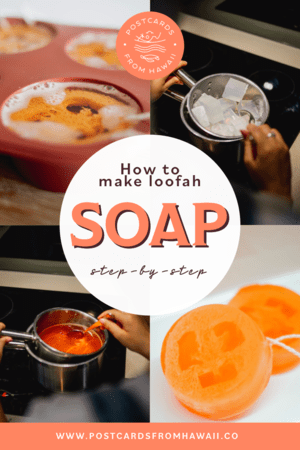
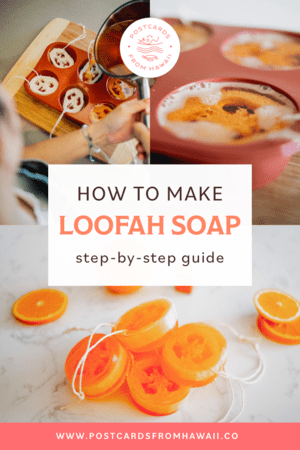
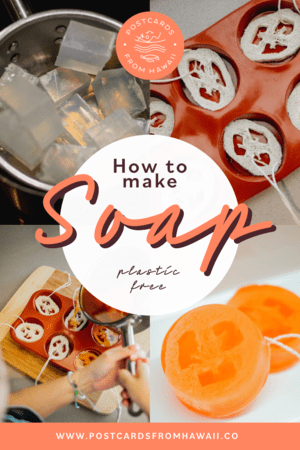
  • How to make handmade loofah soap

    How to make handmade loofah soap

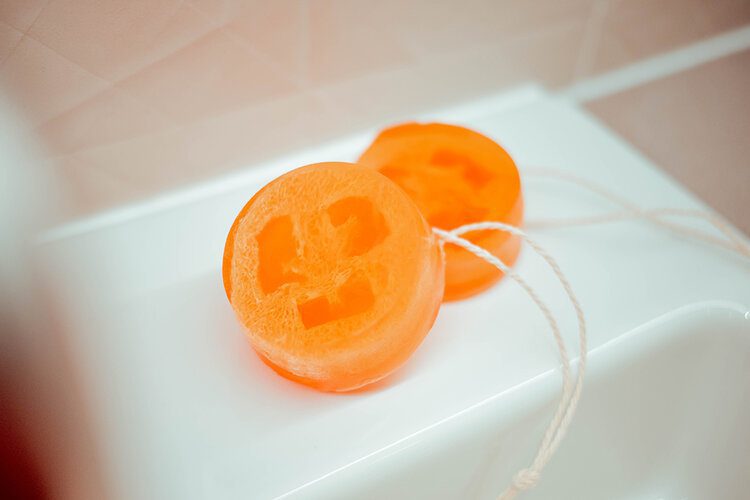
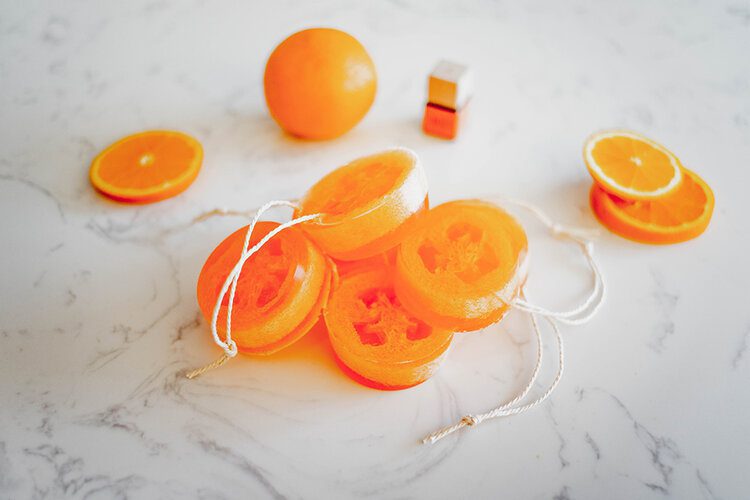
    Learn how to make handmade soap with a naturally exfoliating loofah inside with this easy step-by-step tutorial in collaboration with Earth Conscious shop, Coconut & Cotton. Soap making is not only a fun activity to do (for yourself or with kids) but it’s also a great way to reduce plastic in your bathroom

    Sidebar: wash out and reuse the tub that the soap base comes in to store your homemade soap.

    Take your handmade loofah soap on your travels in an aluminium soap tin from Coconut & Cotton (it fits, I tried it) to prevent needing to use any plastic packaged soap or shower gel. These homemade soaps also make for great gifts and/or party favours.

    This how to make soap tutorial is brought to you by Coconut & Cotton who provided many of the items needed to make these round loofah soap bars. 

    Coconut & Cotton is a female-owned plastic-free and planet-conscious shop selling an amazing range of affordably low-waste household products to help you live a more sustainable lifestyle. Coconut & Cotton is located in Shaftesbury, south west England and most of their products are available to shop online at www.coconutandcotton.co.uk. All orders are sent using reusable and plastic-free packaging and they often pop in a fun free sample.

    Scroll past what you need to make handmade soap and the instructions for answers to some questions you may have.

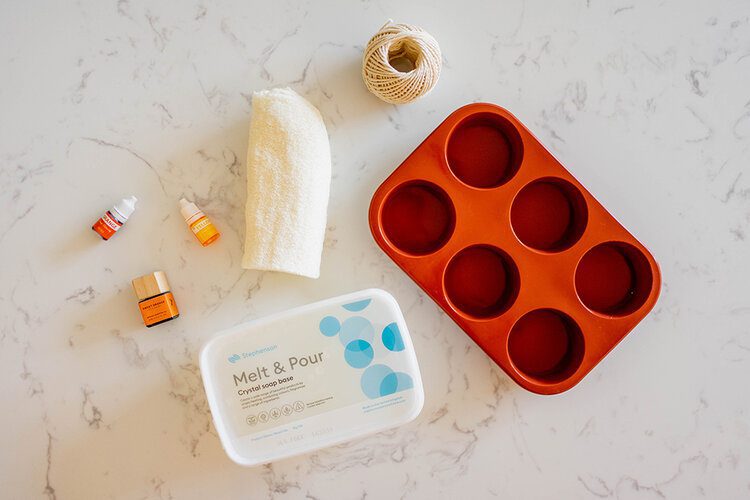
    Ingredients for making loofah soap

    Equipment needed for making loofah soap


    • 6 cavity round silicone mould 7cm or 2 3/4” wide and 3cm or 1.18” deep


    • Bread knife


    • Sharp knife


    • Chopping board


    • Ruler or tape measure


    • Scissors 


    • Microwave and microwaveable container or two saucepans and the stove top


    • Dessert spoon


    Step-by-step instructions for making handmade loofah soap

    1. Re-hydrate your loofah from Coconut & Cotton in the bathtub with the shower head or you can just pop it on the floor whilst you shower to hydrate it.

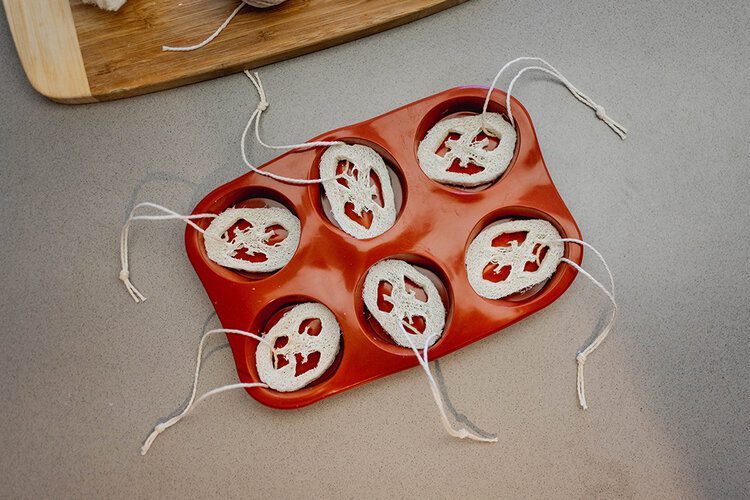
    2. Slice your vegan loofah with a serrated knife (a bread knife will do) into x6 slices about 1.5cm or 1/2” thick.

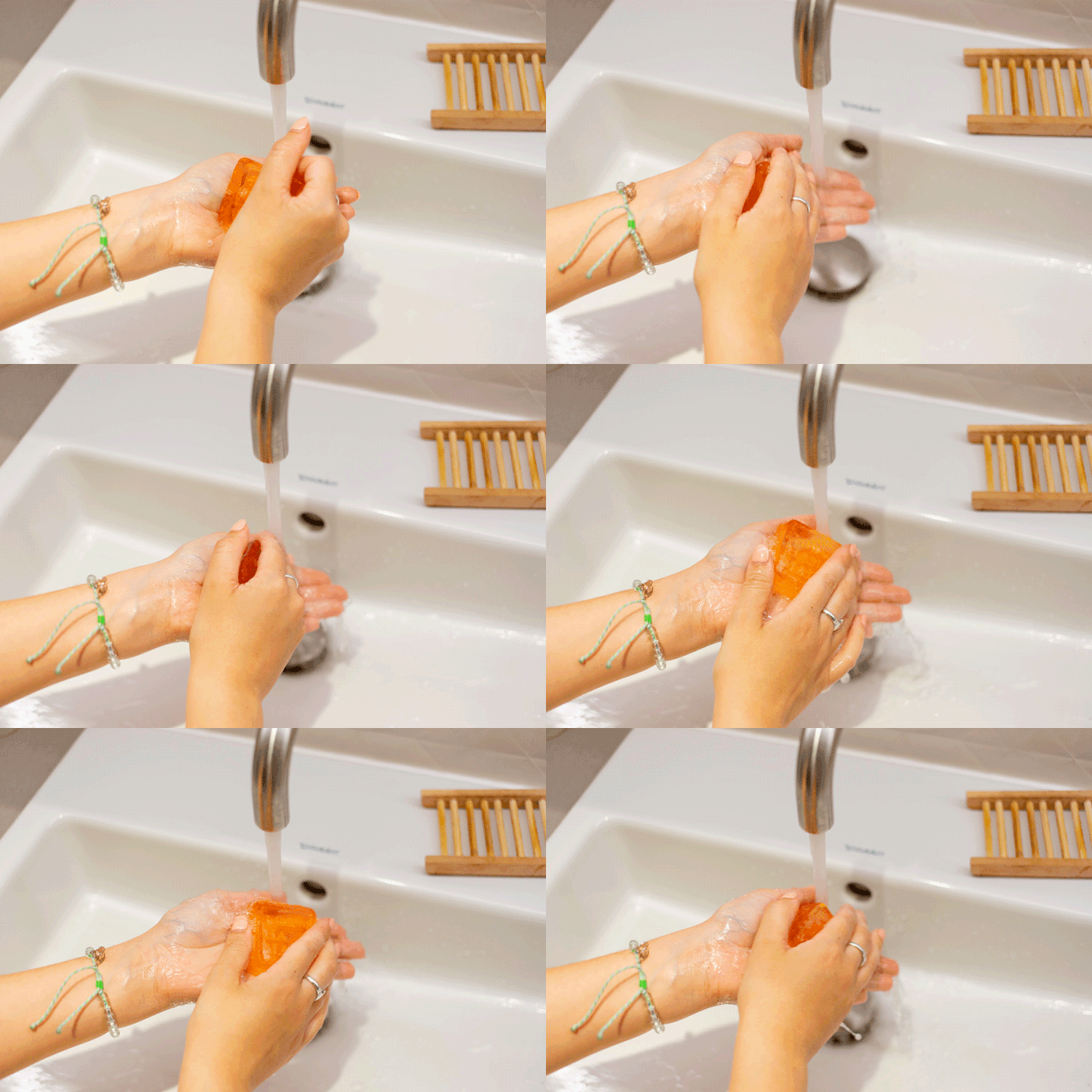
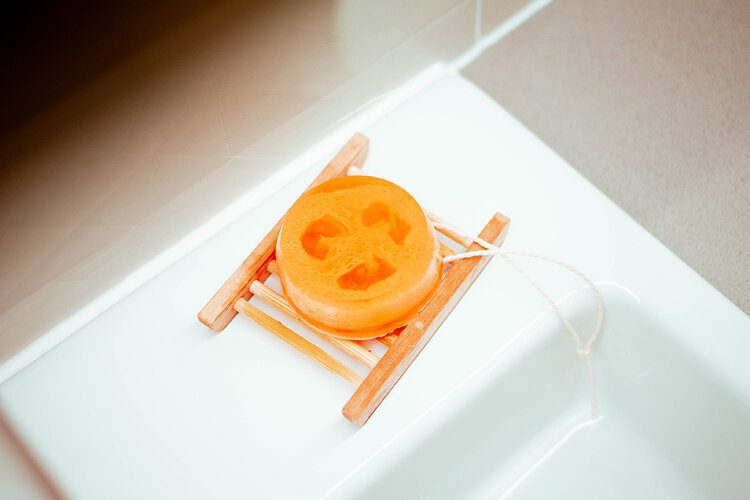
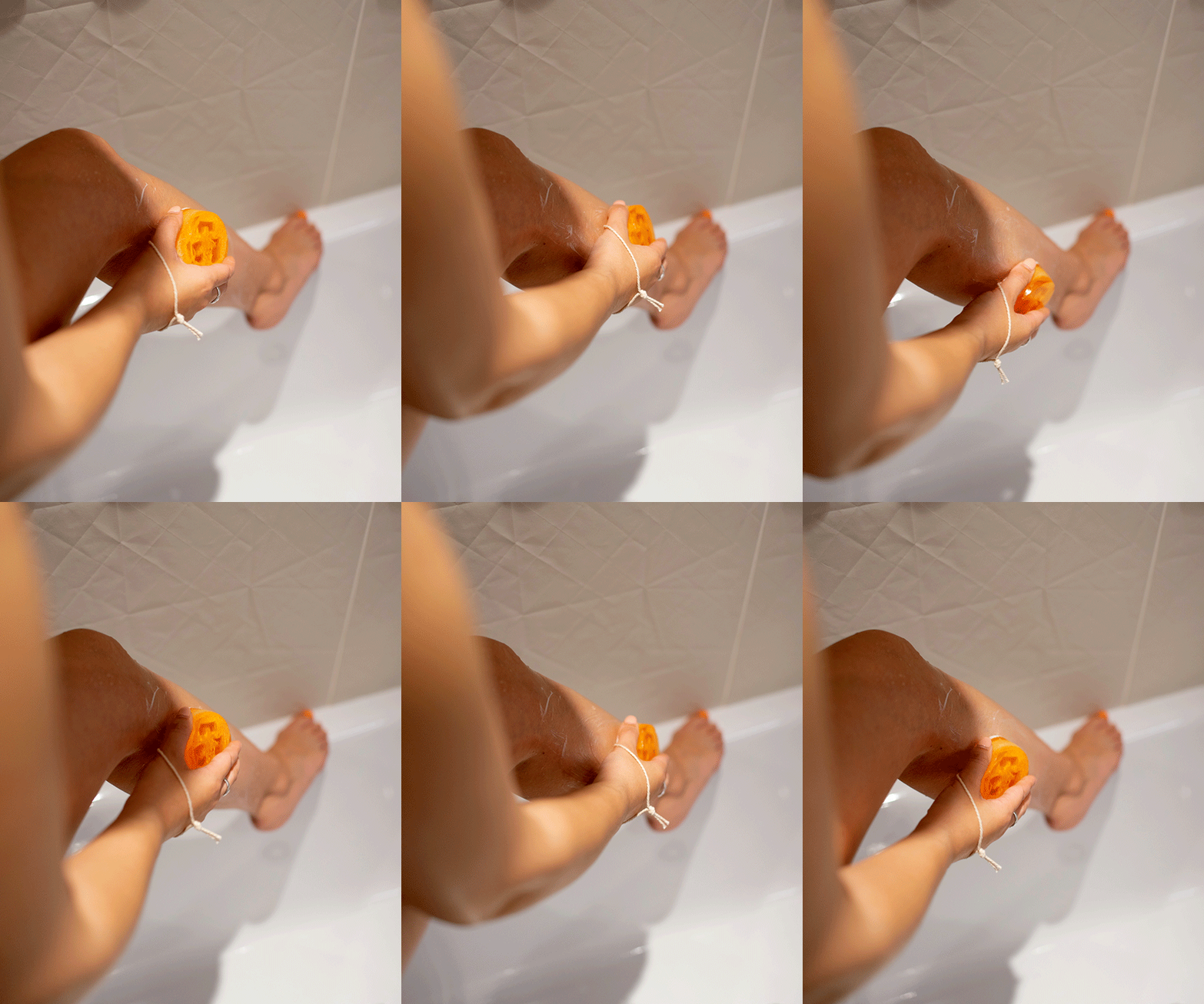
    3. Cut x6 pieces of 41cm or 16” long recycled cotton string from Coconut & Cotton. Pair one loofah with one piece of string and thread the string through one of the holes in the centre of the loofah slice and tie a knot to secure a loop handle. This string loop that you’ve created means you can hang your soap in the shower when you’re not using it and you can loop it around your fingers to stop you from dropping your soap when it gets slippery.

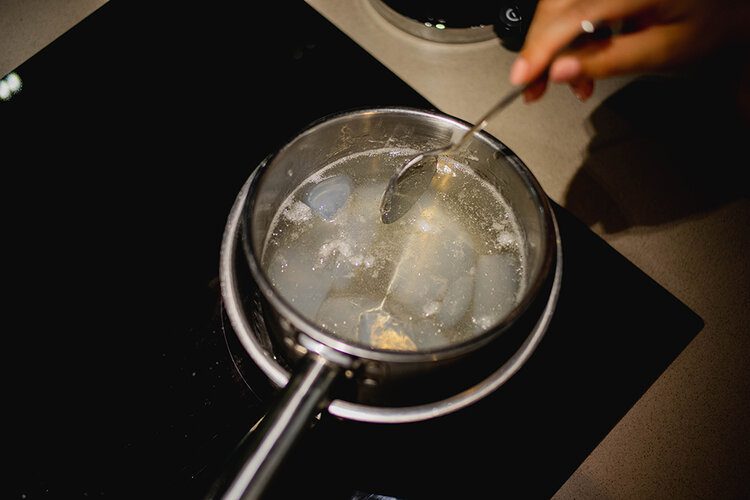
    4. Next you’ll need to melt your soap base, to do this first remove your soap base from its package and cut it into smaller pieces. You can either place it into a microwaveable container and melt it for a couple of 30 second bursts in the microwave or you can create a double boiler with two saucepans and melt it on the stove top. If you’re using the double boiler method then it will take about 15-20 minutes on a medium heat to melt the soap base into a liquid. You may need to top up the water in your double boiler a couple of times.

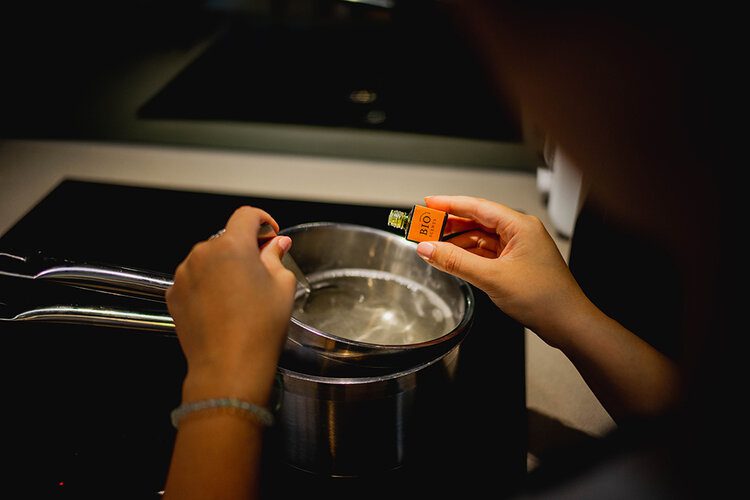
    5. Once liquified, frequently stir the soap with a dessert spoon to prevent a skin from forming. Add your choice of essential oil(s) from Coconut & Cotton, you need about 3-4 drops of each oil per soap you’re making.

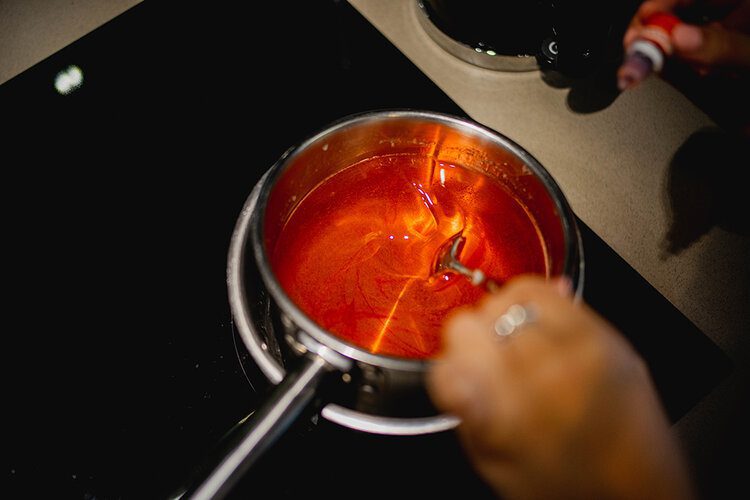
    6. Then add 6-8 drops of your choice of soap colourant if you’re adding it. Stir the soap base to combine the colouring and essential oils and stop a skin from forming.

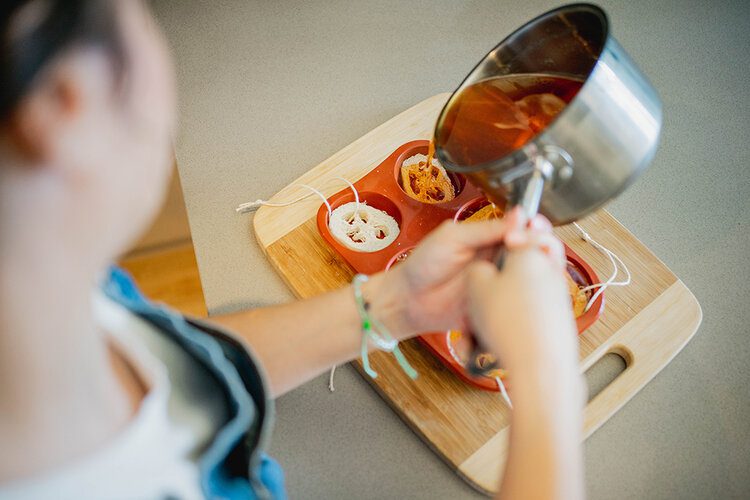
    7 .Carefully remove your soap mixture from the heat and gently pour into each of your 6 moulds.

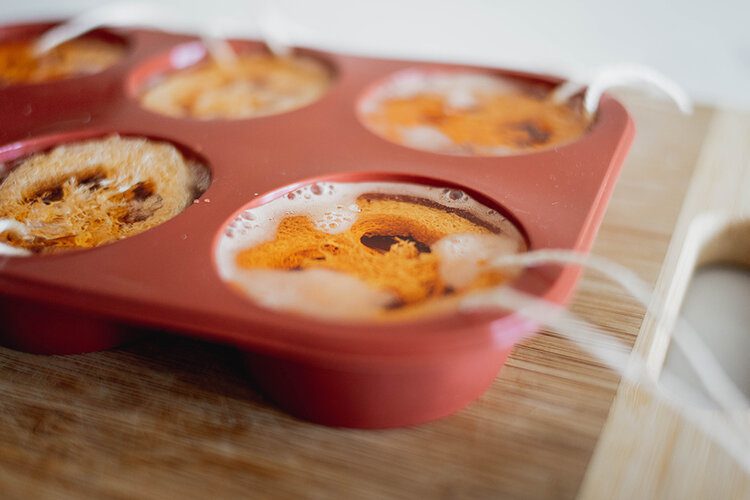
    8. The loofah slices may float to the surface but you can encourage them to sink by placing 3 regular knives over the top of them. Lay each knife over 2 moulds each.

    9. Leave your soaps to cool and set for an hour and a half. Once cool, you can pop them out and they’re ready to use.

    If you have any leftover soap mixture you can pour it into other moulds.

    What is a loofah/luffa?

    Loofah (or luffa) is the fruit of a tropical vine plant related to the cucumber family. The fruit, that looks much like a courgette, is left out to dry for 6+ months after which the husk can be re-hydrated to form a coarse sponge that will naturally exfoliate skin by brushing away dead skin cells and it stimulates blood circulation.

    Once you are ready to discard your used loofah you can simply compost it.

    You can either buy a slice of loofah for £1.60 or a whole loofah for £7.50 from Coconut & Cotton which you can cut up yourself.

    Do I need to use a loofah to make this soap?

    No you don’t need to insert a loofah into your soap to use this soap making tutorial. You can leave out the loofah or alternatively you can use poppy seeds as another natural exfoliant.

    Is soap making difficult?

    Making homemade soap with a melt and pour soap base is not difficult. It only takes about half an hour to make and pour and then an hour and a half to set. I recommend using a melt and pour soap base because soap making with lye or sodium hydroxide can be dangerous if you don’t know what you’re doing. 

    Is homemade soap vegan?

    The Stephenson melt and pour crystal soap base that I use is 100% vegetable based so yes it is vegan. It is also paraben free, biodegradable and isn’t tested on animals.

    Which essential oils are best to use in handmade loofah soap? 

    You can use any combination of essential oils you like. Coconut & Cotton has a collection of 17 essential oils by Bio Scents, a Portuguese company who bottle 100% organic essential oils in reduced plastic packaging. Choosing your essential oil really depends on the effect you want the scent of your soap to have whilst you use it, for example:

    Lavender essential oil in soap

    Bio Scents lavender essential oil will soothe, de-stress and encourage a relaxed state of mind. Lavender scented soap is ideal to use before bedtime. 

    Citrus essential oil in soap 

    Any citrus essential oil such as Bio Scents lemon essential oil or the Bio Scents sweet orange essential oil from Coconut & Cotton is known for being uplifting and specifically orange essential oil can support clean skin.

    Eucalyptus essential oil in soap

    Eucalyptus essential oil is known for being stimulating and rejuvenating so it’s ideal for using in the shower first thing in the morning. It’s also ideal for when you have a cold or the flu because it helps to clear congested sinuses. 

    Do I need to use soap colouring in my handmade soap? 

    You don’t need to use soap colouring, the only thing adding soap colouring does is change the colour of the soap from translucent to whichever colour you choose. It ultimately makes the soap fun to look at so if you want to save money you don’t need to add soap colouring.

    If you do choose to add soap colouring you can match it to the colour of your essential oil: purple with lavender, orange with orange etc.@coconut.and.cotton for amusing content of the owner, Lucy, as she shares new products and eco-conscious tips.

    How long does handmade soap take to cool?

    The soap will take about an hour to set at room temperature but to be certain it has before popping it out of the mould, leave it to cool for at least an hour and a half.

    .

    If making your own soap isn’t quite your thing and for some reason you’ve made it this far in this blog post then I recommend buying some heavenly scented bars of French Marseille soap – they’re my favorite bars of soap when I’m not making them myself!

    Follow @coconut.and.cotton for amusing content of the owner, Lucy, as she shares new products and eco-conscious tips.

    For more with Coconut & Cotton check out Eco-conscious period packing list, How to have an Earth-conscious spa day at home with Coconut & Cotton and Sustainable stocking fillers for travellers with Coconut & Cotton.

    Do more on & for the planet, Gabriella

    Pin this post


  • Eco-conscious period packing list

    Eco-conscious period packing list

    A period packing list is an underrated one for sure but when you plan ahead for a period that lines up with your travels, being prepared with the following products will eliminate a lot of the stress that comes with menstruating, especially when you’re not in the comfort of your own home.

    I’ve put together this low-waste period packing list with cramping, comfort and cravings in mind as well as, of course, options that have a reduced impact on the planet whilst you explore it.

    The following products will not only empower you by letting you be your best self on your period but they also empower other women too. The two brands I have worked with to create this period packing list for you, Coconut & Cotton and Saalt, are female-owned brands who also support organisations that offer menstrual health education and products to women in need around the world.

    Every day girls all around the world miss school on their periods because of discrimination, lack of information or no access to menstrual hygiene products. UNICEF estimates 1 in 10 girls in Africa alone miss school because of their periods. 

    Patriarchy dictates that we are to feel ashamed of our periods and as a result, education on menstrual health and access to affordable products is lacking all around the world and this is simply unacceptable. We deserve to take back the power and beauty behind the natural process of our periods for all people who menstruate and together we can by supporting companies and organisations that do just this. My personal recommendations are:

    The products recommended in this period packing list not only help to empower you and other menstruating people, they are also low waste. They have been designed, made and chosen to last you years and eliminate as much single-use waste as possible.

    This period packing list is also handy for putting together an environmentally-conscious period care package for someone you know who has just started their period for the first time or is finding menstruation more challenging than others.

    To purchase any items from Coconut & Cotton or Saalt simply click on the underlined links or on the photos below and you’ll be taken to their online store where you can add them to your basket.

    Use code “HAPPYPLANET15” for a 15% discount on all Saalt products for Earth Day!

    Menstrual cup

    Let’s start with what a menstrual cup is if you aren’t too sure. A menstrual cup is a silicone cup that is worn like a tampon but rather than absorbing the blood and only being good for one use, it collects the blood and can be washed out and reused for 10 YEARS!

    Though the upfront cost seems significantly higher than a box of tampons, the price of a menstrual cup will end up saving you dollar, dollar for years to come. 

    As well as saving you money, a menstrual cup will also help to save the planet from a vast amount of single-use menstrual waste. With each individual it varies but the average menstruating person will have periods between the ages of 13-51 and will use approximately 11,000 tampons (alone) in their lifetime. With this in mind, the lifetime of a single Saalt menstrual cup (10 years) will save Earth from approximately 2,900 tampons – that’s not even considering pads.

    Saalt has created a very exciting calculator to help you find out roughly how many period products you will prevent from polluting the planet if you switch to a menstrual cup. Calculate how much waste you will divert with Saalt here.

    Before finally switching to a menstrual cup, after I had used what I thought was all of my tampons (they turned up in various handbags and drawers for about a year after), I was eager to use it for the benefits to the environment but I was TERRIFIED. I was scared that it was too big for its purpose, that it would go off on an adventure inside me and need to be removed by, eek, another human being, the idea of emptying it seemed gross and I was really scared that removing it would sting like a bish. Valid fears but once I started using it I found those fears faded away and were replaced by feelings of empowerment and confidence. 

    If you want to read more about my experience using a menstrual cup you can in my blog post Travelling on your period with a Saalt menstrual cup.

    Saalt offers menstrual cups in 3 sizes:


    • Regular – recommended for people with a high cervix or who have carried a child to term. They hold 3-4 tampons worth and are ideal for those with a medium-heavy flow.


    • Small – recommended for people with a low cervix, first time users over the age of 18 and those with a light-medium flow, it will hold 2-3 tampons worth of blood.


    • Teen – Saalt recently introduced a smaller size designed specifically for menstruating people under the age of 18. The silicone softness is between the soft and the original which makes it ideal for young menstruating people. It will hold 1-2 tampons worth.


    Saalt also offers two types of silicone in the regular and small sizes. Their original silicone menstrual cup is firmer, opens more easily and is ideal for those with an active lifestyle. Their soft silicone is better for those with sensitivities such as increased cramping or bladder pressure.

    Saalt offers a Twin Pack which gives you the opportunity to try both their original and soft silicone cups for a reduced price.

    If you’re uncertain about which menstrual cup you need, take Saalt’s cup quiz for extra guidance. You can also reach out to the friendly folk at Saalt for advice.

    Cost

    £24.99 for a single cup and £38 for a Twin Pack or Duo Pack.

    $29 (USD) for a single cup and $49 for a Twin Pack or Duo Pack.

    Use code “HAPPYPLANET15” for a 15% discount on all Saalt products for Earth Day!

    Coconut & Cotton also sell various brands of ethically made menstrual cups.

    Reusable sanitary pad

    Switching to a menstrual cup is scary when you haven’t used one before, even transitioning from tampons to a menstrual cup is a big jump for so many – it was for me. For those who don’t feel comfortable using a menstrual cup on their period or want a cheaper reusable alternative to period panties (see more below) reusable sanitary pads are the answer to your low-waste menstrual health needs.

    This reusable Eco Femme organic cotton sanitary pad from Coconut & Cotton comes in fun patterns and recyclable packaging but there’s so much more to the brand Eco Femme that Coconut & Cotton supports.

    Eco Femme products are ethically made by empowered women in Auroville, India. The production of these handmade sanitary pads provides women in rural areas with a living wage and the sales surplus helps to sustain Eco Femmes educational programmes for Indian girls and women as well as provides them with affordable menstrual products.

    When you purchase an Eco Femme pad they give one to a girl in rural India.

    How to wash a reusable sanitary pad

    First soak the used sanitary pad in cold water for half an hour then wash by hand or in a washing machine on a 30ºC eco wash with Tru Earth’s Biodegradable laundry detergent sheets (see more about these below). Hang to air dry naturally.

    Each pad is designed to last for at the very least 75 washes which will cover 3-5 years of period protection! That’s at least 75 plastic sanitary towels that have been avoided! 

    Each single-use sanitary pad made with plastic (most leading brands) takes over 800 years to decompose. Build a collection of pads to rotate during each menstrual cycle and you will be protecting the environment from thousands of single-use plastic waste over your remaining periods. 

    This Eco Femme sanitary pad is a day pad and is made with 6 layers and offers medium protection from leakage. Coconut & Cotton also sells reusable panty liners and a plus pad that has 7 layers for extra leakage protection.

    Cost

    £8.75

    Period panties

    An alternative to menstrual cups and reusable pads are period panties, but what are period panties? Period panties/knickers/undies are underwear that are designed to absorb period blood. 

    I love them because they’re basically a discrete version of a menstrual pad. I haven’t used every brand but I can speak to the quality of Saalt Wear, Saalt’s very own period panties, and they are amazing. They’re so light that they feel like regular underwear with a slightly thicker gusset. They are soft and sensitive and come in various cuts including a thong that absorbs 1-2 tampons worth of blood and high waisted briefs that absorbs 2-3 tampons worth.

    Saalt Wear or any period underwear for that matter can be used either in place of a menstrual cup, pad or tampon if you haven’t made the switch yet they can be used as an extra layer of protection with any of the aforementioned period products.

    Use code “HAPPYPLANET15” for a 15% discount on all Saalt products for Earth Day!

    They are made from an antimicrobial and moisture-wicking material that draws moisture away from your body and prevents odour, they’re also stain resistant.

    What I particularly love about them is that each pair of Saalt Wear is made with three post-consumer recycled plastic bottles! So you’re not only saving plastic waste but you’re also giving it a second life.

    I own a thong in Volcanic Black and bikini cut in Quartz Blush both in medium. The thong is perfect on the lighter day at the end of my period when a cup won’t collect much blood but I still have spotting and I want to avoid VPL.

    Saalt wear comes in a size range of XS – XXL. The sizes run small so I recommend sizing up.

    Cost

    £21-28 (approximate conversion)

    $29-39 (USD)

    Bar of soap

    A bar of soap is already the perfect plastic-free washing alternative on your travels so if you’ve already made the step towards a plastic-free bathroom it’s likely you’ll already have this on your packing list. 

    Allow me to nudge you towards this Friendly aloe vera soap from Coconut & Cotton. As well as washing your hands and body you’ll need soap to keep your menstrual cup (if you choose to use one) clean. It’s very simple to do and only requires a quick wash with cold water and some soap but I encourage you to be mindful of the soap you use. To avoid irritation to your most sensitive area use a perfume-free and gentle soap such as this aloe vera soap. 

    Aloe vera has antibacterial properties which is ideal for washing a menstrual cup between uses.

    Friendly Soap use recycled and recyclable packaging and their soaps are free from preservatives, palm oil and cruelty.

    Cost

    £2.40

    Biodegradable laundry detergent sheets

    Accidents happen but don’t let it ruin your clothes. If your menstrual cup doesn’t quite form a seal or your period starts earlier than you anticipated you may accidentally leak into your underwear, clothing and sometimes bedsheets (we’ve all been there). If you don’t have a washing machine where you’re staying, have a couple of laundry detergent sheets in your luggage. Rinse the area with blood under the cold tap, dissolve a little of the detergent strip (for frame of reference I use half a strip for a light load of washing) into cold water in the sink or bathtub and leave the garment(s) in there to soak for a few hours (judge it on how stubborn the stain is). Once it looks like the stain has washed out, rinse and hang out to dry.

    I switched to Tru Earth laundry eco-sheets in 2020 and I see no reason to go back when there’s all these amazing reasons to use them:


    • They’re dissolvable and biodegradable


    • They’re sensitive


    • They’re vegan


    • They’re phosphate-free


    • They’re paraben-free


    • They’re free from chlorine bleach


    • They’re hypoallergenic


    • They have absolutely no plastic packaging, and the packaging is compostable


    • They’re flat so they are perfect for packing on a trip


    • They’re liquid free so there’s no risk of leakage in your luggage


    Shop either the fragrance free, scented or baby True Earth laundry detergent eco-sheets from Coconut & Cotton.

    Cost

    £13

    Sweatpants

    One of the best things about wearing a menstrual cup is that you can wear whatever you want without fear of leaking (provided it’s inserted correctly). I never felt comfortable wearing light colours with a tampon, especially on heavy days when the string would absorb blood and stain my underwear. After just a couple of periods I knew I could trust my Saalt cup and I don’t even hesitate putting on a white swimsuit.

    Let’s be realistic though, we don’t feel like serving up looks in white swimsuits every day of our period and that’s okay! So pack some sweatpants or something equally comfortable for when you feel bloated and need to just lounge about. Remember to listen to your body and hold space for how to feel.

    Organic chocolate

    Period cravings hit different right? 

    I rarely eat chocolate but come my period it’s all I want and it never tastes as good as when my uterine lining is packing its bags.

    If chocolate is your period craving too then take a look at Cocoa Loco chocolate from Coconut & Cotton. Cocoa Loco chocolate is organic, vegetarian, Fairtrade and is free from Palm Oil. Your craving can satisfy you and care for the planet too.

    Most of us who menstruate crave something salty or chocolate on our periods and though studies can’t really confirm why, we know our bodies want it. So if you’re going to be on your period or premenstrual on a flight, long train ride or road trip then pack some of your personal cravings so you don’t have to go too long without them.

    Cost

    £3.50

    Lavender headache gel

    On the 2nd day of my period, like clockwork, I wake up with a terrible headache that is guaranteed to limit what I will achieve that day if I leave it untreated. In recent years I have reduced the circumstances in which I will take painkillers – I’m not against them, I just don’t want my body to rely on them to alleviate pain – instead I use natural remedies. So when my inevitable period headache comes around I use the lavender headache gel from Norfolk Lavender.

    This translucent gel made with lavender and peppermint oils soothes tension and alleviates stress. Trace some of the headache gel across your forehead and gently massage it into your temples. You’ll know it’s working when it starts to tingle.

    The tiny pot won’t take up much space and can be reused after (unlike packets of painkillers).

    If you’re a Norfolk local or on holiday/vacation in Norfolk, you can shop Norfolk Lavender products from Norfolk Lavender, Jarrolds and Cromer Gift Shop (which has the second biggest stock of Norfolk Lavender products after their own gift shop).

    If you have lavender essential oil knocking around, simply dab a little onto your temples.

    Cost

    £3.75

    Rechargeable hand warmer

    If you suffer from cramps like so many of us who menstruate do, applying heat to your abdomen will help to relax your womb muscles and alleviate cramping. You may find that a hot water bottle or a soak in the bathtub does the trick at home but who really wants to pack a hot water bottle on their travels if you’re not going somewhere frosty?

    If you know heat helps to relieve your period cramps consider getting a reusable hand warmer. It’s compact, rechargeable, heats up quickly, has multiple settings and doubles up as a phone charger (any kind of portable phone charger is a traveller’s friend right?).

    Then come winter (or if you travel somewhere cold) this reusable hand warmer will keep your mitts toasty and you’ll be so grateful to yourself and period cramps for purchasing it.

    Cost

    £21.24

    .

    Coconut & Cotton is a female-owned, environmentally conscious business located in Shaftesbury, south-west England. Both their store and online shop sells affordable plastic-free and low-waste products. Living a life of low impact on the environment is their focus and each one of their products will enable you to live a more mindful and less wasteful lifestyle. When you order from Coconut & Cotton you can trust that it will be sent out plastic free and in reused and reusable packaging.

    If you ever find yourself in Shaftesbury then be sure to pay the owner, Lucy, a visit as she is a ray of sunshine and will be more than happy to share information about her products so you can live a more environmentally-conscious life.

    Saalt is a female-owned menstrual health brand who create clean, ethically made and sustainably sourced menstrual products. Their products enable people who menstruate to care for themselves whilst protecting the environment by using a plastic-free menstrual cup that will last 10 years. Saalt is a certified B Corp and gives 2% of profits to help further educate people around the world about menstrual health and sustainability.

    Go follow Saalt on social media for tips on how to use your menstrual cup and better care for ourselves and the planet. Just like Postcards from Hawaii they openly talk about periods to challenge the social stigma surrounding them. 

    Use code “HAPPYPLANET15” for a 15% discount on all Saalt products for Earth Day!

    For more with Coconut & Cotton check out How to have an Earth-conscious spa day at home with Coconut & Cotton and Sustainable stocking fillers for travellers with Coconut & Cotton.

    For more with Saalt take a look at Travelling on your period with a Saalt menstrual cup.

    Do more on & for the planet, Gabriella

    Pin this post


    This article is a sponsored piece with Coconut & Cotton and Saalt. I was originally and still remain a customer of Saalt and Coconut & Cotton. I highly recommend purchasing your low-waste menstrual health supplies from both of these brands as their advocacy for our environment and menstrual health is unparalleled. 

    As a Saalt Partner I may earn from qualifying purchases made using my affiliate link.

    Use code “HAPPYPLANET15” for a 15% discount on all Saalt products for Earth Day!

    Earth Day discount code is valid from 22nd April – 25th April 2021.

  • Eco-conscious Cornwall packing guide

    Eco-conscious Cornwall packing guide

    Whether it’s a staycation within the UK or you’re coming from far and wide (post pandemic) a holiday/vacation to Cornwall in south-west England will be one of your best adventures in Great Britain. 

    If you haven’t already take a look at my previous travel guide for Cornwall, 8 beautiful places to visit in Cornwall part 1 and part 2 to learn about everything you don’t want to miss on your trip. There’s something for everyone from indulging on Cornish pasties and cream teas to riding waves and hiking to medieval castle ruins.

    To help you prepare for your best trip to Cornwall I’ve put together this pinpointed packing guide for some key things that will make life so much easier on your holiday/vacation to the Cornish coast.

    Wetsuit

    One of the most ideal things to pack for a trip to Cornwall is a wetsuit as it’s one of the top locations in the world for water sports. It will insulate you when the water is chilly and protect your skin from board rash so if you already have one this is definitely the trip to pack it.

    If you don’t have a wetsuit, don’t panic as you’ll have plenty of options for renting them out at a low cost and some tourism companies include wetsuit rental in their prices – check ahead of time just to be sure. 

    Swimsuit  

    Unless you are going in the middle of winter and have no intentions of getting into the sea, the first thing you should be packing for a trip to Cornwall is your swimsuit. 

    The beaches in Cornwall are the best I’ve been to in the UK. Golden sands + turquoise waters + warm sunshine = the perfect set up for very long and lazy beach days.

    Whether you’re jumping into a wetsuit and onto a surfboard, cooling off in the ocean, going for a swim at one of the many sea pools and lidos in Cornwall or laying out in the sun a swimsuit is a Cornwall staycation necessity. 

    Of course you can wear whatever makes you feel comfortable and if that’s not a swimsuit than I am here for you no matter what you choose. My message is more that if you do choose a swimsuit and it’s time to purchase a new one look for one made from recycled fabric or even biodegradable (yah that’s a thing now, I’m yet to try but I hear good things). I have a few swimsuits made from recycled plastic bottles and you would never know from the texture.

    The most responsible thing is to use the swimsuits you already have though so as difficult as it is and I REALLY understand this one, please try to limit your purchases and use what you have.

    Another tip for swimwear is to purchase interchangeable sets or reversible pieces for more options on your travels.

    Dock and Bay towel/poncho

    The most sustainable choice would be to pack a towel you already own but if you need a new one then I recommend one from Dock & Bay. Michael and I been using Dock & Bay products since 2018 for the following reasons:


    • All of their products are now made from 100% recycled materials.


    • They’re part of the blue light card discount for NHS staff.


    • 5% of their profits go to one of their partnered environmental charities. Their 2021 partner is WWF and if you purchase one of their two collaborative towels they will donate 20% of those profits to WWF.


    • They are compact and pack down much smaller than a regular towel.


    • They dry x3 times faster than a regular towel.


    • They’re sand resistant so you can shake it right off.


    Along with one of the XL towels which are perfect for stretching out on to sunbath or to share with someone else for a picnic, the towel you absolutely need for a trip to Cornwall is one of Dock & Bay’s ponchos. 

    Their super absorbent towels are the best accessory for any waterspouts from surfing to kayaking and for hanging out on the beach. I forgot to bring mine and Michael could tell you I said “I wish I had my Dock & Bay poncho” every. single. day. As they’re made from the same material as the towel they’re just as absorbent and lightweight but the reason they’re perfect for a trip to Cornwall is because they’re big enough to get changed in and out of your swimsuit in public without revealing yourself to the world.

    Dry bag

    Dry bags are a must have for me when I’m going anywhere near the water for two reasons:

    1. They keep your belongings together and dry on the beach, paddle board, boat etc. You can us it to store suncream, your phone, car keys etc.

    2. You can pop your wet swimsuit and towel in it after you’ve changed and it will stop everything else from getting damp.

    Look after your dry bag and it will see you through many years of travelling all over the world. 

    Sandals/trainers suitable for hiking 

    The South West Coastal Path is the longest walking trail in England. At 630miles long it passes through Somerset, Devon, Cornwall and Dorset. Whether you’re embarking on the full length or just enjoying parts of it, the trail is an opportunity to get some of that fresh sea-air in your lungs – the kind that people say will make you sleep better – to be at one with nature and enjoy some incredible views of the prettiest coastline in England.

    The path is natural and therefore uneven so though it wouldn’t be impossible to take it on in flip flops but it would be super uncomfortable. For this reason I think a pair of trainers, hiking boots or some bang-on-trend Dad sandals (like these ones from Dune) is something you need on your feet for enjoying long walks in Cornwall without the risk of rolling your ankle.

    To prevent unnecessary waste make sure that when you purchase a pair of shoes or sandals they are high quality, made with care and meant to last. A comfortable pair of shoes is one of the most important things to me and something I value highly in the world (hence why I work with Dune) I believe an uncomfortable pair of shoes can ruin your day let alone your travels – and trust, I’ve been there. So look for shoes that are comfortable for you, sensible and versatile so you can enjoy them for years on your travels around the world. 

    Biodegradable disposable BBQ

    I don’t know about you but BBQs along with Pimm’s are my first thought when I hear the word summer. Was it even summer if you didn’t have a BBQ? 

    With over a million sold each summer in the UK it’s safe to say disposable BBQ grills are a popular summer accessory HOWEVER safe they are not. Regular disposable BBQs are not-only single use but they are toxic, non-recyclable nor biodegradable. 

    Of course we love the idea of being able to take a little BBQ out to the beach or the park to cook up a quick feast with friends and family under the sun so what’s the alternative? It’s pretty simple: a biodegradable disposable BBQ grill!

    We purchased our sustainable BBQ grill from Casus Grill for the following reasons:


    • It’s made from 100% natural materials: bamboo, lava stone, recycled cardboard and charcoal


    • Everything but the lava stone is biodegradable


    • Remove the lava stones and use on a fire, campfire or log burner – they are a neutral product that will return to earth when burnt


    • It’s free from fossil waste


    It lit quickly (out of the wind) and was ready to cook on within an hour. If you need to purchase a disposable BBQ try to choose a sustainable grill from now on to reduce your impact on our planet. I recognise they are more expensive and not everyone is in a position to buy one but I encourage you to make this choice if you are able to.

    DO NOT leave any kind of disposable BBQ in an enclosed space, the carbon monoxide fumes are poisonous and may result in death.

    Reusable water bottle

    Stay hydrated kids, there are very few things in life more important than drinking water. Please don’t go littering the earth with endless single-use plastic bottles to do this though, instead bring a reusable water bottle.

    By law all licensed pubs, bars, nightclubs, cafes, restaurants, takeaway food and drink outlets, cinemas and theatres are required to provide tap water to anyone who (politely) asks for it. Though pandemic rules have made this a little difficult so be smart about it, it is absolutely acceptable to ask for your bottle to be filled with tap water so just think of all the money you’ll be saving as well as plastic!

    I always recommend a thermal one as most will keep cold liquids cool for 24 hours and hot liquids warm for 12 hours which is not only super handy on travels around the world but it also cuts out that nasty risk of plastic water bottles poisoning you when you leave them in the car to get warm.

    My thermal bottle is from Dopper and if you’re interested in why I love it so much you can read about here.

    Waterproof phone case or camera case  

    This truly depends on the kind of traveller you are. If you love to document your adventures, are outdoorsy or even clumsy then a waterproof case for your camera or phone will suit you on Manu of your travels, however if you like to be in the moment and reduce your screen time then this won’t necessarily be an accessory you need on your packing checklist for Cornwall.

    If you do want one, look for one that fits multiple phone makes and models so that you don’t need to buy a new one when you get a new phone. 

    Better still, though it is more cumbersome, invest in a waterproof camera case so that you have better quality photos and are less likely to need a new camera case as cameras last far long than phones. 

    Reef-safe sun cream  

    Cancer doesn’t discriminate folks the sun will cause damage to everyone’s skin so always protect it from harmful UV rays by wearing suncream/sunscreen/sunblock – whatever you call it, wear it!

    Unfortunately chemicals that go into most suncreams to help protect us from the sun have harmful effects on creatures living in the sea so when we enter the water wearing sun protection made with oxybenzone and octinoxate they wash off and cause corals to bleach and die and when they die an entire ecosystems are destroyed. That means no more colourful reefs to explore on your travels.

    Over 50% of our planet’s coral reefs have been destroyed in the last 30 years due to Climate Change and pollutants. Next time you purchase sunscreen make sure it doesn’t contain oxybenzone and octinoxate. Instead look for sunscreen that contains zinc oxide and titanium dioxide, these are not linked to coral bleaching and will still protect your skin from harmful UV rays.

    You may be thinking, but Gaby I won’t be exploring tropical coral reefs in Cornwall so why is wearing a reef-safe sunscreen important? Our oceans are connected and whether you’re swimming in Cornwall or Mauritius once you’re in the water those chemicals are casing harm to something in our global waters so please try to purchase reef-safe suncream when your current one runs out.

    I have been using Shade – sold through Coconut & Cotton – as it is a natural suncream that is free from any harmful chemicals plus the package is plastic free and reusable.

    Other reef safe suncream brands I use (but have reduced as they are sold in single-use plastic bottles) are Australian Gold and Hawaiian Tropic.

    Raincoat

    Though for the most part the weather is beautiful in Cornwall the weather can drastically change should a storm roll in from the Atlantic. Whilst in Cornwall towards the end of September the weather went from shorts-and-tshirts weather to wet, windy and cold overnight. 

    To be prepared pack a raincoat no matter the time of year you’re going – after all it’s not the weather than can hold you back from having a good time it’s how you dress for it.

    If you don’t own a good waterproof coat look for one with taped seams for extra protection from wet weather. I’ve had my Joules one for years and it has seen me through freezing cold and wet conditions in Scotland so I highly recommend it but you don’t have to spend heaps on a rain coat, Michael has one from Mountain Warehouse which was much cheaper and it saw him through the same weather.

    Looking for a raincoat with taped seams will ensue that coat is more durable which means will have better longevity that ultimately means it’s a more sustainable way forward than buying endless cheap raincoats or worse single-use plastic ponchos.


    .  

    Do more on & for the planet, Gabriella

    Pin this post


    As an Amazon affiliate I may earn from qualifying purchases.

  • Homemade raspberry jam recipe

    Homemade raspberry jam recipe

    As you are aware, this homemade jam recipe blog post has been published in the midst of a worldwide pandemic. I haven’t left England in over a year and I don’t have any trips booked for the foreseeable future. Giving you fresh travel content is tricky, but I want to keep giving you blog posts that can at least keep you occupied whilst you also wait for your borders to open, so here I am publishing my Mum’s jam recipe. 

    Her homemade jam is stashed in just about every corner of her kitchen so we can all trust that she makes a good jam. You didn’t come here to read an essay about why you’re getting a homemade jam recipe though as the chances are you’re here because you just want a jam recipe, right? If that’s the case scroll down for the recipe. Everything that comes between now and the recipe is me answering some frequently asked jam related questions, so if you find yourself thinking “how long will this jam last Gaby?” check back here and I won’t judge you for skipping these paragraphs before the recipe – we all do it!

    Notes on making homemade jam

    Homemade jam is really easy to make, plus it’s a really cute gift if you’re trying to give more eco-conscious presents – it uses minimal ingredients, it preserves the fruit for much longer and it gives a greater purpose to your upcycled jars.

    PFH Top Tip: Wear an apron or something dark coloured that you’re not precious about as the jam will spit.

    Can I take jam on a plane?

    Making jam out of fresh fruit is also a really neat and easy way to preserve fruit to bring it home from your travels in your suitcase, should you be staying in accommodation with a kitchen. 

    Border restrictions prevent you from being able to enter a country with fresh fruit but the sugar in jam preserves the fruit and eliminate the risk of pests and diseases that can spread with fresh fruit.

    Of course, the jam is a liquid so you will have to pack it into your checked luggage to be able to bring it back. Make sure it’s protected within your luggage so it doesn’t break when your suitcase gets tossed around behind the scenes.

    Jars are super easy to get hold of in homeware stores so should you go coconuts for some juicy mangoes on your tropical travels, you can make them into jam and bring them home to enjoy! I actually made a raspberry and mango jam with this recipe (if you add another fruit then increase the amount of sugar to match the weight of all the fruit) and it was delicious!

    How do I sterilise up-cycled jars?

    It’s super simple to sterilise old jars to give them a second life such as holding your homemade jam. Place the jar into a container filled with warm soapy water and leave for a few hours to remove the labels and the sticky residue. Then either wash out the jar or put it in the dishwasher to clean the inside.

    To sterilise it before using it for food storage (leftovers, jam etc.), pour some boiling water into it  and let it sit for a few minutes. Wear oven gloves/mitts or use a tea towel to touch it to pour out the water so you don’t burn your hands. Dry it and it’s ready to use.

    You may also be interested in my Mauritian achard légumes recipe, a vegetable pickle you can store in your sterilised jars!

    How much jam will this recipe make?

    This is a small batch jam recipe and will make one jar of jam. A 150g punnet of raspberries (which is a standard measurement in British supermarkets) will make one 350g jar of jam.

    Although I give quantities of the ingredients below the rule of thumb for jam making is to have equal sugar to fruit. The quantities in my jam recipe are based on the punnet of raspberries I bought, so just check the weight of the punnet you buy and adjust your sugar to equal it. 

    Take into consideration this is based on weight not volume.

    How long will homemade jam keep?

    If you store homemade jam in a cool and dry space that is out of direct sunlight it will last for 12 months. 

    Once opened, your jar of jam should be consumed within a couple of months. 

    Store opened jars of jam in the fridge.

    Use a clean spoon/knife (as opposed to one with butter on it) to prevent it from getting contaminated.

    How will I know my jam is the right consistency?

    I explain the process for checking your jam is the right consistency in step 9 of the recipe below but if you’re just looking for this answer then the test goes as follows:

    To test if your jam is ready to pour into your jar push your finger through the centre of the jam. If the jam ripples in resistance to your finger nail and your finger leaves a clear path through the jam then your jam is at the right consistency.

    If you’re still unclear then take a look at step 9 for a GIF that perfectly illustrates what I mean.

    What you need to make jam

    Wooden spoon

    Medium saucepan

    Small saucepan

    Scales/measurement cups

    Tbsp measure

    Small plate

    Jam jar with lid

    Homemade raspberry jam ingredients 

    150g / 1 ⅓ cups / 5.3 oz of fresh raspberries

    150g / ¾ cups / 5.3 oz of Billington’s golden caster sugar

    1 tbsp lemon juice

    Raspberry jam recipe

    1. Put a small plate in the fridge. This is for checking if your jam is the right consistency before pouring into your jar to set.

    2. Pour some boiled water into your jar to sterilise it. Set it aside until you’re ready to pour the jam in.

    3. Set up a double boiler by placing the smaller saucepan into the larger saucepan and bringing enough water to the boil in the large saucepan that it heats the small one but doesn’t touch the bottom. Once the water is boiling, turn it down to a simmer.

    4. Add your sugar to the small saucepan and leave it to gently warm the sugar, this will encourage the fruit to melt rather than burn when you add it. Stir the sugar every few minutes to make sure it’s heating evenly.

    5. Once the sugar is warm to the touch (it should only take about 8 minutes) add your raspberries (or fruit of choice) and lemon juice.

    6. Gently stir to encourage the fruit and sugar to melt together.

    7. Once the fruit and sugar has combined, remove the small saucepan from the large one and place it directly onto the hob (giving the bottom a quick wipe dry before) and increase the heat until you have brought the mixture to a boil, stirring it consistently every 5 seconds. WARNING, the jam mixture will spit as it boils so wear oven gloves/mitts to protect you hands.

    8. After 10 or so minutes boiling, the consistency should go from runny to sticky. If it is still runny then continue to boil and stir it. You want to keep an eye out for when it starts to stick to the sides of the saucepan.

    9. Once you see the jam starting to stick, take your small plate from the fridge and use the spoon to drop a small amount of jam onto it. To test if your jam is ready to set, push your finger through the centre of the jam, just like I’m demonstrating in the GIF below. If the jam ripples in resistance to your fingernail and your finger leaves a clear path through the jam then your jam is at the right consistency. If it doesn’t ripple and looks as though your finger was never there then continue to boil and stir the jam until it appears thick enough to try this test again.

    10. Once your jam is the right consistency on the plate, take the saucepan off the heat. Pour the water out of the jar, dry it and pour the jam in. Place the lid on whilst the jar is still warm so that it forms a seal (as it cools you’ll hear a pop as the lid expands to form a seal).

    11. Leave it out to cool completely so that it sets. You can keep your unopened jam in a cool and dry place for up to a year. Once opened, store it in the fridge where it will last for a couple of months.

    Bon appétit!

    You may also be interest in my vegan sugar cookies recipe.

    Do more on and for the planet, Gabriella

    Pin this post


  • Why travellers should switch to reusable bamboo pads from Tayvada

    Why travellers should switch to reusable bamboo pads from Tayvada

    Tayvada is an environmentally-conscious, female-owned business based in the USA. Founder Linda Bogdanov’s vision for her brands is to empower everyone to practise self-care in a responsible way that puts the protection of our planet at the forefront of our minds as we do so. Tayvada’s first product is the reusable makeup remover pads that are growing in popularity and recently featured on Glamour.com as one of their top picks for reusable makeup removers.

    Tayvada x Postcards from Hawaii giveaway!

    View this post on Instagram

    A post shared by Postcards from Hawaii (@gabriellawisdom)

    I’ll be taking you through why I love using Tayvada’s reusable bamboo pads, how I use them in my daily skincare routine, why they’re a responsible choice as a sustainable swap in your bathroom and what to expect when you order your own.

    Why reusable pads are better for the planet than single-use cotton pads

    “I started thinking about my own beauty habits and how I was using a lot of disposable cotton pads to take my makeup off and I was using makeup wipes when I travelled.” – Linda, founder of Tayvada.

    The most important thing I want to start off with is explaining why reusable pads are better for our environment than using single-use cotton pads or wipes so with this, let’s explore the difference between the cotton that goes into the single-use pads and the bamboo that goes into reusable pads that should be replacing that daily waste.

    Bamboo vs cotton 

    Bamboo is an evergreen plant which means it remains fresh and functional all year round. It is a highly adaptive plant that grows quickly and is resilient to many pests. According to the Guinness World Records, the fastest growing plant is bamboo with one species having grown 91cm/35in in a day. Despite originating in China, with adequate soil conditions, bamboo can grow in different climates around the world. The use of bamboo can be traced back 7,000 years to the Shang Dynasty in clothing, food, housing, weapons and more. Its durability, strength (bamboo is actually stronger than steel) and renewability means it’s the ideal material for making sustainable products, especially as it naturally biodegrades at the end of its usage.

    Cotton might be the most profitable non-food crop in the world but the methods used to create the cotton that goes into approximately half of all fabrics worldwide are not sustainable and are causing a great deal of waste and pollution.

    Extensive use of pesticides and insecticides to control pests and risk of disease to the cotton plants are polluting the water, air and soil and is causing poor health to the people working on the production line. Not to mention that it takes approximately 20,000 litres of water to create 1kg of cotton before it even becomes something else.

    The average makeup-wearing womxn will use three single-use cotton pads in their daily skincare routine. It takes about 1,000 litres of water to create a pack of 100 single-use cotton pads (which usually comes in a single-use plastic packet) and that pack will only last the average womxn 33 days. Now compare that to Tayvada’s bamboo reusable pads which will last up to 1000 uses! Not to mention one gets thrown into the washing machine whilst the other gets thrown into a landfill.

    When the production of a product that can only be used once is far more damaging to the planet than one that can be used x1000 more, the choice seems obvious, right?

    Unboxing Tayvada’s reusable pads

    The packaging for Tayvada’s reusable bamboo pads is minimal, 100% recyclable and can all be repurposed. The box is compact and high quality so you can use it for storage – I currently use one of mine to store some crafting supplies such as twine and tape – but the pretty Bird of Paradise illustration on the box is enough of a reason to keep it around – plus the twine and tissue paper can all be used again.

    Inside the box you receive 14 pads, seven are bamboo charcoal and the other seven are bamboo terry cloth. What’s the difference? Good question.

    Bamboo Charcoal pads 

    The grey fleece charcoal pads are the softest of the two types. They are ideal for makeup removal as they are buttery soft and won’t cause irritation to sensitive skin types. They can remove makeup with just water.

    Charcoal bamboo absorbs moisture so when you use the grey pads with just water to remove your makeup, your face is left clean of excess product and not wet, unlike if you were to use micellar water or an oil based product which leaves residue on your skin. 

    Bamboo charcoal also naturally draws out dirt, oil and toxins from deep inside pores to cleanse the skin. This is ideal because it reduces the size of pores and the likelihood of getting acne, it also makes for a more effective makeup removal process.

    Bamboo terry cloth

    The terry cloth pads are still soft but compared to the charcoal pads they have a textured surface made from minute loops that help to exfoliate by lifting up excess makeup, dirt, oil and dry skin from your face and out of your pores.

    These terry cloth pads are particularly great for applying your toner to remove any makeup that the naked eye can’t see or for removing face masks and/or scrubs. 

    This bamboo terry cloth is also the perfect towelling fabric for absorbing moisture, so I recommend having a little stash in your gym bag so you can pat your face dry from that healthy post-workout shine without irritating your skin.

    .

    There’s one of each for every day of the week so you can get away with washing them just once a week to keep regularity in your skincare routine. I put mine in the washing machine on Sunday morning, naturally air dry them and they’re ready to use by the evening.

    Earlier I mentioned that bamboo is resilient to pests, its natural antibacterial and anti-fungal qualities means the pads won’t grow any nasties in the few days you wait to wash them altogether. 

    The 14 pads come with their own mesh wash bag so they can all stay together and not go to the land of missing socks (I throw my face masks in their mesh bag to wash for that same reason). I wash mine on a 30ºC/86ºF eco wash along with the rest of my darks and/or colours with a dissolvable laundry detergent strip (from Tru Earth) that is free from toxic chemicals and microplastics. Despite them going on a cool wash, the makeup residue gets removed from my Tayvada pads every time with ease.

    A comparison between a new Tayvada Bamboo terry cloth pad and one I’ve been using for a year. It’s a little smaller and darker because it’s been washed so many times but the quality has remained.

    I’ve been using mine for a year now and, as you’d expect with frequent use, the white terry cloth ones have darkened over time but I’m sure if you were to do a warmer wash (think of the planet though) they would come out whiter.

    How I use Tayvada’s reusable bamboo pads in my evening skincare routine

    I use the grey bamboo pad with just water to remove my makeup (yes, I use just water and the pad). Winged eyeliner is part of my everyday makeup look and has been since I was a teenager so I know what problematic makeup removal can look like and I have never had a problem removing it with Tayvada’s reusable pads.

    Something I particularly love about Tayvada’s bamboo pads is that the little pocket where your fingers slip in allows for better grip and control of the pad on my face plus it means that the full surface area can be used for better makeup remover/product application. I am able to utilise both sides of the pad to remove my makeup with ease and if I’m wearing a little more that day then I simply turn the pocket inside out and use that extra clean surface to utilise it all.

    Like with many makeup removal processes one technique doesn’t usually get it all and the naked eye could be missing something, so once I have removed what’s visible with the grey pad, I spray some toner onto a white bamboo terry cloth pad and apply it across my face. This usually lifts the last of my makeup from my skin.

    I then exfoliate my face with a coffee scrub which I remove with water and the same white terry cloth pad I just applied toner with. The little loops of the bamboo terry cloth pick the coffee grains up off my skin and prevent me from making too much mess in the sink (if you’ve tried to remove a face mask or scrub with just your hands and water you’ll know exactly the kind of mess I’m referring to). 

    I then apply a serum and moisturiser before using my gua sha to cool and sculpt my face.

    At least once a week I like to apply a face mask – #selfcare – and to again minimise mess and add a little exfoliation to the process of removal, I use one of the bamboo terry cloth pads to take it off and my skin always feels smoother than when I haven’t used it.

    Once I’ve finished with the pads I simply rinse the pad of coffee and/or face mask as best as I can, then leave them on the edge of the sink to dry before adding them to the wash bag they came with. 

    Why they are perfect for travellers

    One of the most responsible things a traveller can do is do their best to evolve their travel routine into a more eco-conscious one. Travelling is a top contributor to rising carbon emissions, plastic pollution and food waste (to name a few) but of course only a worldwide Coronavirus pandemic can hold many of us – who are fortunate to have the opportunity to travel – back. So it’s of high importance that we make changes that will reduce our carbon footprint as much as we can so that each time we explore our beautiful planet, we aren’t causing her further pain.

    “I had travelled quite significantly and realised the impact this was having on the environment and how my consumption habits in general were impacting our planet. I started thinking about my own beauty habits and how I was using a lot of disposable cotton pads to take my makeup off and I was using makeup wipes when I travelled.” – Linda, founder of Tayvada.

    Some of the many things we can do is offset carbon emissions from our air travel (click here for my blog post that explains how you can do that), avoid staying in all-inclusive resorts (their daily food waste is heartbreaking) and pack items that prevent us from using single-use products that will be contributing to that country’s pollution crisis. Some ideas on reusable items you can bring with you are a water bottle (if you’re going somewhere where the water could be contaminated then bring filtration tablets or seek out a bottle with a filter), straws and cutlery, shopping bags, a menstrual cup and bamboo pads such as the Tayvada ones this very blog post is all about. Fancy that!

    Ok so you know they’re better for the environment than the single-use cotton pads but need a few more reasons as to why we travellers need them in our toiletry kit? Well I’ll answer that now, I know, I’m good to you like that:


    • Unlike a bulky pack of wipes or stack of single-use cotton pads, with enough to cover at least three per day that you’re away these reusable pads won’t take up as much space as you won’t need to pack so many. You can just take a few of each and wash them as you go.


    • They prevent the need for bottles of makeup remover, so there’s less toiletries to pack making your packing process quicker and your luggage lighter.


    • You can travel with an easy mind knowing that your skincare routine isn’t contributing to further daily waste to where you’re travelling to and to the planet.


    • They’re soft on your skin which is welcomed when travel, from pollutants to recirculated air, takes its toll on it. 


    • For every box of Tayavada’s reusable bamboo pads sold they offset the carbon footprint that would be created by a an entire year’s use of single-use cotton pads. So you’re not only saving waste by not using them but you’re helping to counteract the impact for someone who doesn’t have the privilege to afford such a product. To read more about their partner Cool Effects, click here.


    Shop from Tayvada here

    You can purchase your very own pack of Tayvada’s reusable makeup remover pads from their own website here.

    You can also shop them on Amazon in the US, UK, Canada and Mexico. They’re Amazon’s Choice recommendation for reusable makeup remover pads as well as mine.

    If you are in the US you can also shop the pads on Etsy here.

    .

    Tayvada has more low-waste products launching in the coming months, all of which have been designed to replace many of the single-use products we use daily and with the intention of levelling up our self-care rituals. I for one am very excited for what Tayvada has coming next and can’t wait to share it with you.

    Gabriella

    Pin this post


    For full transparency I was originally gifted a box of Tayvada’s reusable makeup remover pads but upon finding they are far better than the ones I was using before (which I have repurposed for alternative cleaning), I purchased more as gifts. This article is a paid piece for Tayvada.

    As an Amazon associate I earn from qualifying purchases.

  • Sustainable stocking fillers for travellers with Coconut & Cotton

    Sustainable stocking fillers for travellers with Coconut & Cotton

    As a follow up to my annual gift guide for environmentally-conscious travellers, Low-waste Christmas gift guide for travellers 2020, Coconut & Cotton and I are bringing you 8 gift ideas for filling the stockings of the travellers in your life with little goodies that they can use on or to remind them of their travels, plus they’re all low or zero waste! 

    To make things better, not only will these gifts be given and received guilt-free, they’re also under £5 each so you can gift responsibly and with love whilst saving pennies which seems to be becoming increasingly hard to do as the festive season rolls around each year. 

    It might be the most wonderful time of the year but it really can’t be ignored that Christmas is also the most wasteful. With approximately 30% extra waste produced via packaging, wrapping, food and unwanted presents it’s so important that everyone takes the right steps towards reducing waste this year. A few ways are:

    As you’re reading this sustainable gift guide, you’re already looking to purchase meaningful and low-waste gifts so that’s amazing and thank you for that! You’re on your way to making the world a better place for everyone.

    Before we take you through our 8 sustainable stocking filler suggestions, let me take a moment to introduce you to Coconut & Cotton (if you haven’t already spotted them on my Instagram Stories).

    Coconut & Cotton is an Earth conscious brand physically located in Shaftesbury, Dorset which is in the south-west of England. All of their products are 97.6% plastic free (they did the math!) and it’s a shopping experience that sustainable dreams are made of. They also have an online shop so you will be able to add everything on our list to your basket by clicking on the product name or images below. Coconut & Cotton is an essential shop that is open during the pandemic so you can shop in-store if you are nearby, but if you aren’t they ship out everything that’s available online in plastic-free and reusable packaging.

    They also run a monthly giveaway that all online shoppers are automatically added to where you’ll have the chance to win a variety of low-waste goodies from their shop. I actually won one earlier this year and received four bars of French soap which I travelled across the UK with as a responsible alternative to the liquid hand soaps and shower gels in the Airbnbs I was staying in.

    I first came across Coconut & Cotton when a fellow 4ocean partner recommended them over Instagram and after looking at their wide range of well-considered and reasonably priced products I was sold on them and I put in an order straight away for some low waste travel essentials (some of which I’ve listed below). Ever since then I have turned to Coconut & Cotton for most of my bathroom, kitchen and travel products. They have everything covered from cooking and cleaning to self care and education, they even have plastic-free toys for children to encourage them to play mindfully!

    Aside from shopping responsibly from Coconut & Cotton, I highly recommend following their Instagram: @coconut.and.cotton because Lucy, the founder of Coconut & Cotton is always on Stories providing highly amusing content that is worth tuning in to not just because she’s so relatable but she also shares new products, does frequent shop tours in case you’ve missed something, product reviews and tips for living a more Earth conscious lifestyle.

    Now you know how amazing Coconut & Cotton is, let me take you through our top 8 low-waste/zero-waste/plastic-free stocking fillers for travellers with a sustainable heart:

    Reusable face mask

    A reusable face mask should be at the top of every traveller’s packing checklist along with their passport. In pandemic centric times we need to put the safety of everyone before anything else and the best ways to do that is to cover faces and clean hands. Along with everyone else, travellers will need to wear a face mask whilst inside buildings and on public transport and as flights could be numerous hours long, they’ll need one that’s comfortable to wear for long periods of time.

    These reusable face masks from Coconut & Cotton are particularly amazing because they are made from 100% Fairtrade cotton, have a pocket to insert filters and they have a built in nose wire for maximum comfort and fit.

    My Coconut & Cotton face mask was the first one I bought and I can tell you it has kept and washed well after months of use.

    Reusable – as always – masks are better for the environment because they create far less waste, they don’t put any critter’s lives at risk (remember to cut your straps before disposing of single-use masks if you have them) and they are plastic free. Then one day, when we don’t need them anymore they will make a great dust cloth.

    Cost

    £4 – 5

    They are available in a variety of colours and in three sizes:

    Bamboo toothbrush

    A massively overlooked bathroom item which has a dreadful impact on the environment is the plastic toothbrush. Did you know that every plastic toothbrush ever used still exists on this planet and will do for approximately 1000 years? Not only do we frequently change toothbrushes for optimal oral hygiene but travellers tend to have multiple toothbrushes on-the-go for when they’re well, on-the-go; I have two in my bathroom (one is for taming my baby hairs), one in my toiletry bag and another in my carry-on toiletry bag for when I travel light. So imagine if those were plastic, how much more waste there would be and was in the years before I made the switch to bamboo toothbrushes.

    Bamboo toothbrushes are the most responsible choice because bamboo is a sustainable material. It is 100% naturally biodegradable and easily sourced. The bristles just need to be removed as they won’t naturally break down.

    PFH Top Tip: travellers can repurpose their old toothbrushes to clean dirt from their hiking boots.

    Coconut & Cotton has a variety of bamboo toothbrushes available online and in-store. This one is from their essential range and is reasonably priced at just £1.50.

    Take a look here for Coconut & Cotton’s plastic-free toothpaste options, some come in travel-friendly containers too.

    Cost 

    £1.50

    Travel Soap

    A bar of soap is the most sustainable toiletry product that a traveller can use on their trips around the world. They have little to no packaging, they last far longer than liquid soap and they are multipurpose. 

    This Travel Soap bar in particular from Coconut & Cotton can be used four ways:


    • as body wash


    • as shampoo


    • for shaving


    • for laundry 


    Not only is this great in terms of preventing further waste from additional products but it also means the traveller you are buying for doesn’t have to pack multiple toiletries, so you’re also gifting them more space and lighter luggage (which is also better for the environment).

    All soap bars from Coconut & Cotton are either packaging-free or in recyclable packaging. This one is also free from parabens, palm oil and cruelty.

    Cost

    £2.80

    Soap tin

    Soap dishes or the side of the bathtub (I know I’m not the only one) suffice at home but travellers need a way to keep their bar of soap sanitary when packed away.

    A simple tin will protect their soap in their luggage and this rectangular one from Coconut & Cotton is the perfect size for a bar of soap and I have never had a problem fitting any bar of soap in it that I have purchased or been gifted.

    Cost

    £2.50

    Natural suncream

    For all travellers (with hopes of) heading to warmer climates in 2021, help them to protect their skin and the environment with a natural suncream such as this one by Shade.

    Suncream is a silent killer. Chemicals such as Oxybenzone and Butylparaben that are in most suncreams cause coral bleaching and disrupt their reproduction, ultimately killing coral reefs, collapsing whole ecosystems and displacing the marine life that once made it home. It is crucial that everyone uses reef safe suncream to help preserve the marvellous marine life that we so love to admire. 

    To help travellers have less of an impact on the delicate ecosystems that they will be snorkelling and/or scuba diving to, make sure they’re equipped with a suncream that will protect both them and coral.

    This natural suncream by Shade from Coconut & Cotton is free from nasty chemicals, is compact so it won’t take up much room in their beach bag and it comes in a reusable tin! 

    “Unlike many chemical sunscreens, Shade™ does not contain burn inhibitors which switch off the burning sensation. If you feel you are beginning to burn, it’s your body’s warning to you that you have been exposed for too long, and the sensible approach is to cover up by wearing clothing or move out of the sun altogether.” – Coconut & Cotton website.

    Cost

    £3.75

    Mini bamboo spork

    You may have noticed a running theme of keeping things compact and light. This is so important for travellers to keep luggage costs down and to fit more in their luggage. Of course, packing reusable items to prevent contributing to our planet’s growing plastic pollution crisis means we have to pack a little more than someone who isn’t taking the necessary steps to save our planet, so finding small reusable alternatives is welcomed. 

    With that said, this little Bamboo Spork from Coconut & Cotton is the ideal small replacement for single-use cutlery when they’re eating on-the-go. Whether it’s tucking into their own packed meal on their train, shaved ice in Maui, an Acai bowl in Bali or a superfood salad in L.A. (a traveller can dream, ok?) they will have their mini spork at the ready!

    Then one day, when it’s no longer usable it can be popped into the compost or used as really tiny firewood.

    Cost

    £2.50

    Moroccan mint tea

    For those travellers who don’t have a trip coming up soon and miss one of the best parts of exploring new countries: trying exciting local and national dishes, we recommend popping a packet of loose tea in their stocking. In particular, this Moroccan Mint Tea from Coconut & Cotton. 

    I wasn’t a fan of mint tea until I went to Marrakech, Morocco in 2017 and now I drink it frequently as a digestive aid after a large meal, just nowhere near as sweet thank goodness. For any traveller who has experienced the spectacle that is being served mint tea in Morocco, this tea will be a very exciting gift and a nostalgic taste of north African and Arab cuisine.

    Loose tea leaves are far more responsible for the environment than tea bags as they eliminate the additional packaging and more importantly they are plastic free. Unfortunately half of the UK’s leading tea bag brands use a plastic skeleton in all of their tea bags and considering millions of cups of tea are being made in Britain daily, that’s a scary amount of plastic being thrown out every time someone enjoys a brew.

    I switched to loose tea leaves Christmas Day 2019 and to the published date of this blog post I have saved myself from adding at least 550 plastic tea bags to the planet.

    Coconut & Cotton has a wide variety of loose tea and is probably the best priced loose tea I’ve seen.
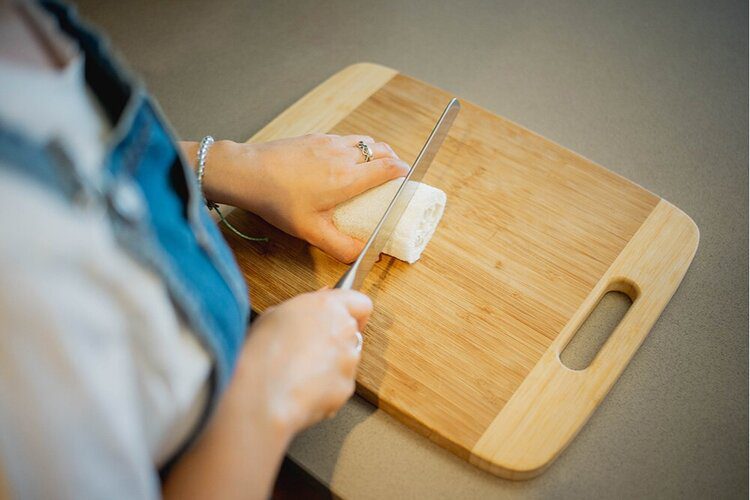
    Cost

    £2.80

    Cocoa Loco cocoa nibs and hazelnut chocolate bar

    What’s a stocking on Christmas day without chocolate? I know, it’s a daunting thought! So whilst you’re filling the stocking of the traveller in your life with wonderful travel-themed gifts, pop in a bar of something sweet like this Cocoa Loco chocolate bar so they have something extra special to nibble on whilst they wait for their bus/train/plane etc.
    Cocoa Loco produces organic, Fairtrade and vegetarian chocolate that is free from palm oil.

    Coconut & Cotton also stock a Sea Salt Dark Chocolate Bar and chocolate covered mango and raspberry pieces.

    Cost

    £3.50

    .

    The Coconut & Cotton shop in Swans Yard, Shaftesbury is open Monday – Saturday, 9:30 – 5pm.

    If you have any questions feel free to reach out to Lucy either via Coconut & Cotton’s Instagram or email her at hello@coconutandcotton.co.uk. 

    Happy Holidays, Gabriella

    .

    Pin this post