Author: Gabriella Wisdom

  • 6 royal landmarks in London to visit

    6 royal landmarks in London to visit

    From medieval to modern royal history, let me show you 6 of the most prestigious royal landmarks that you can visit in London. I’m talking palaces and churches that have seen the births, marriages, coronations and deaths of some of the most respected and/or feared monarchs and royals in British history.

    Want to visit the official London home of the Duke and Duchess of Cambridge, where every British Monarch has been crowned since 1066 or the state rooms of the home to the Queen of United Kingdom of Great Britain? Who wouldn’t?! This London travel guide will help you plan days out to 6 royal landmarks in London.

    1. Buckingham Palace

    Buckingham Palace in the official home to Her Majesty Queen Elizabeth II, the Queen of the United Kingdom of Great Britain, Northern Ireland and the other Commonwealth realms. It is also one of the most famous royal landmarks in the world, let alone London. 

    Buckingham Palace is one of very few working palaces left in the world and is where we’ve seen the Royal Family celebrate jubilees, Queeny Pop’s birthday, state banquets and where we’ve witnessed a few royal kisses amongst so much more that goes on behind the scenes.

    Watch the Changing of the Guard everyday at 11am during June, July and August in the forecourt of Buckingham Palace. Changing of the Guard at Buckingham Palace is the ceremony in which The Queen’s Guards hand over to the next guards on duty. It’s a classic presentation of military pomp and pageantry.

    Buckingham Palace, formerly know as Buckingham House, didn’t fall into the ownership of the Royal Family until 1761 when King George III gave it to Queen Charlotte for her private residence. It didn’t become the official home to the monarch until the early 1800s upon Queen Victoria’s coronation. Additions have been made to Buckingham Palace over the centuries for it to become what we see today but no large structural changes have happened since the 1960s. 

    You can pay to visit within the Palace grounds but if you aren’t visiting London in spring or summer or you’re not bothered about going inside you can see the front of Buckingham Palace from the end of The Mall, opposite the Victoria Memorial.

    Pop your camera between the bars for an unobstructed photo of the Palace and to get more of Buckingham Palace into your photo, take it from the Victoria Memorial fountain.

    PFH Fun Fact: Buckingham Palace has 775 rooms including 19 State rooms, 52 bedrooms, 78 bathrooms, 188 staff bedrooms and 92 offices.

    Closest tube stations to Buckingham Palace 

    St James’s Park – on the Circle and District lines.

    Green Park – on the Jubilee, Piccadilly and Victoria lines.

    Hyde Park Corner -on the Piccadilly Line.

    Visit Buckingham Palace and gardens

    During the warmer months you can pay to visit inside Buckingham Palace and/or the gardens starting from £16.50 per adult. Tickets must be booked in advance and have a timed entry. 

    Combination tickets for the Palace and gardens are available but limited and sell out quickly.

    Buckingham Palace

    Visit the state rooms of Buckingham Palace including the Ballroom and the Throne Room.

    Fridays, Saturdays and Sundays May-June

    Adult £47.50

    60+ £43

    Student with a valid ID £43

    Children aged 5-16 years £26

    Disabled with free access to one accompanying companion £26

    Children under 5 go free

    Family of 2 adults and up to 3 children £121

    Buckingham Palace Gardens 

    Bring you own picnic to enjoy in Buckingham Palace Gardens and tell everyone you had lunch with the Queen, basically.

    Mondays, Thursdays, Fridays, Saturdays and Sundays July – September

    Adult £16.50

    60+ £15

    Student with a valid ID £15

    Children aged 5-16 years £9

    Disabled with free access to one accompanying companion £9

    Children under 5 go free

    Family of 2 adults and up to 3 children £42

    Accessibility for Buckingham Palace and Gardens

    You may use your own wheelchair or mobility scooter provided it is compatible with the lifts which measure 148cm in depth by 94cm in width with a weight limit of 500kg; and 160cm in depth by 94cm in width with a weight limit of 750kg. This is so it is compatible with the lifts. 

    All flights of stairs on the tour of Buckingham Palace have permanent handrails.

    Manual wheelchairs and wheeled walkers are available to use free of charge if booked in advance.

    Step-free access for Buckingham Palace is via the North Centre Gate at the front of the Palace. There is a platform lift in to the Grand Entrance.

    You are permitted to use walking sticks or folding stools with seat attachments, provided they have rubber stoppers to prevent any damage to the floors.

    Assistant animals are welcome.

    Accessible toilets are available at the Royal Mews, Marble Hall and in the gardens.

    The garden path is a hard gravel.

    2. Kensington Palace

    Kensington Palace within Kensington Gardens is where Queen Victoria was born and resided until her accession to the throne in 1838. Before that it was used as a holiday home of new monarchs William III and Mary II in the late 1600s.

    In more recent years Kensington Palace has been home to Princess Margaret and her family, Diana, Princess of Wales and Prince Charles raised Prince William and Prince Harry there and it is the official London home of The Duke and Duchess of Cambridge and their 3 children, though they spend most of their time on the Sandringham Estate in Norfolk (near where I grew up!).

    PFH Fun Fact: The grand statue of Queen Victoria on display on the West Front of Kensington Palace was made by her daughter, Louise, a talented sculptor. It was unveiled in 1893 to celebrate Queen Victoria’s Golden Jubilee.

    Visit Kensington Palace 

    Wednesday-Sunday: 10am-6pm

    Tickets for Kensington Palace include access to King William III State Apartments, Queen Mary II State Apartments, the Palace Gardens and an exhibition on Queen Victoria’s life including her childhood and 64 year long reign.

    Adult (aged 18-64) £23

    16-17 year olds or students with a valid ID £18.40

    65+ £24 or £18.40

    Disabled £24 or £18.40

    Children aged 5-15 years £11.50

    Children under 5 go free

    Family of 1 adult and up to 3 children £40.20

    Family of 2 adults and up to 3 children £63.20

    Closest tube stations to Kensington Palace

    Queensway – on the Central line.

    Notting Hill Gate – on Central, Circle and District lines.

    High Street Kensington – on the Circle and District lines.

    Accessibility for Kensington Palace

    Describer tours and British Sign Language tours are available to blind or partially sighted and deaf or hard of hearing visitors for the King’s State Apartments and the Victoria: A Royal Childhood exhibitions. They’re included in the ticket cost but you must book these tours 2 weeks in advance to your visit.

    Heads up, for conservation purposes many of the rooms have low lighting.

    Kensington Palace has level access from the gardens and all three floors are accessible via a lift.

    Manual wheelchairs are available to borrow upon request but they are only available on a first-come, first-served basis.

    A service that offers electric buggies to those who find it difficult to access all of Hyde Park and Kensington Gardens is available Monday-Friday from 1st May-31st October.

    3. St James’s Palace

    Located opposite St James’s Park, along The Mall is St James’s Palace. Unlike the previous two palaces, St James’s Palace lacks flair, however it is 1-2 centuries older than the others. St James’s Palace is a red brick Tudor palace which was built in the 1530s for Henry VIII and is the oldest royal palace in the United Kingdom.

    Impressively many of the original parts of the palace have survived wars and fires including the Chapel Royal where many royals were baptised including King Charles II, King James II, Queen Mary II and Queen Anne. The Chapel Royal is also where Queen Victoria married Prince Albert in 1840.

    St James’s Palace is best seen from the corner where Pall Mall meets St James’s Street. There is no public access to St James’s Palace.

    Closest tube station to St James’s Palace

    St James’s Park – on the Circle and District lines.

    Green Park – on the Jubilee, Piccadilly and Victoria lines.

    4. Tower of London

    The medieval castle that is Tower of London was built in 1066 by William the Conqueror. If that sounds familiar it’s because I’ve previously written about a castle he built in my blog post, 5 best things to do in and around Colchester, Essex.

    Tower of London has a bloody and grim past from the 800 years it was used as a prison and execution site for some very high profile people including two of Henry VIII’s wives, Anne Boleyn and Katherine Howard. The last execution to take place was 15 August 1941 (so recent!!) for a man found spying for Germany during the Second World War.

    Thankfully, Tower of London has a far less disgusting purpose these days, in fact it’s quite the opposite as it is now home to the collection of the Crown Jewels. 

    PFH Fun Fact: St Edward’s Crown, the official coronation crown (the one in the opening title sequence for The Crown), weighs 2.23kg, that’s nearly 5lbs.

    Closest tube station to the Tower of London

    Tower Hill – on the Circle and District lines.

    Visit Tower of London 

    You can visit the Tower of London and see the crown jewels by booking a ticket in advance. Tickets give you access to the Crown Jewels exhibition, the Chapel of St Peter ad Vincula, the White Tower, the Royal Mint Exhibition and the Bloody Tower and Torture exhibition.

    Wednesday-Sunday 10am-6pm

    Adult (aged 18-64) £29.90 or £28.90 off peak

    16-17 year olds or students with a valid ID £24 or £23.20 off peak

    65+ £24 or £23.20 off peak

    Disabled £24 or £23.20 off peak

    Children aged 5-15 years £14.90 or £14.40 off peak

    Children under 5 go free

    Family of 1 adult and up to 3 children £52.20 or £50.50 off peak

    Family of 2 adults and up to 3 children £82.10 or £79.40

    Peak ticket prices are Friday – Sunday and every day throughout July and August.

    Accessibility for Tower of London

    Induction loops are available at ticket booths and the Welcome Centre.

    Assistance and guide dogs are permitted.

    Manual wheelchairs are available to borrow upon request but they are only available on a first-come, first-served basis. Due to the nature of the building, floors are uneven, there are narrow passageways and multiple flights of stairs within the grounds.

    There’s a lift in the White Tower which takes visitors to the basement.

    Ramps are available near the New Armouries café and the Raven shop.

    Click here for more information on visiting with Autistic children from the National Autistic Society.

    5. St Paul’s Cathedral 

    St Paul’s Cathedral is the second largest Anglican church in England and is located on the highest point of the City of London. This Grade I listed building was completed in 1710 and has been the location of some very significant royal and state celebrations both joyful and sombre.

    St Paul’s cathedral is where the funerals for Lord Admiral Nelson, the Duke of Wellington and former Prime Ministers, Sir Winston Churchill and Baroness Thatcher were held. 

    Some of it’s more joyful events include services that marked the end of both WWI and WWII, Queen Elizabeth II’s 90th birthday and Diamond Jubilee (60 years of reign) and it is also where 750 million people all around the world switched on their TV sets to watch Charles, the Prince of Wales marry Diana, Princess of Wales.

    For tips on where to get photos of or with St Paul’s Cathedral take a look at my blog post, 10 iconic London landmarks you must see.

    Closest tube station to St Paul’s Cathedral 

    St Paul’s – on the Central line.

    Visit St Paul’s Cathedral 

    Monday-Saturday 12pm-4.30pm

    Tickets must be booked to visit St Paul’s Cathedral and visits are only permitted for 30 minutes

    Adult £17

    60+ £15

    Student with a valid ID £15

    Children aged 6-17 years £7.20

    Disabled with access to one accompanying companion go free

    Children under 5 go free

    Family of 2 adults and up to 3 children £41.20

    Family of 1 adult and up to 3 children £29

    NHS staff get free entry

    Accessibility for St Paul’s Cathedral

    St Paul’s Cathedral is currently working on installing a permanent accessible entrance to the north side of the Cathedral. It’s the most significant external change to the Cathedral in 300 years.

    The south churchyard entrance is step-free for entry for wheelchair users and people who cannot negotiate the main west front steps. 

    The south churchyard entrance leads to a modern lift serving the crypt and Cathedral floor. The lift space measures 1,400mm length x 1,300mm width.

    The quire and sacrarium on the Cathedral floor have a small user-operated chairlift. 

    A temporary ramp is currently in place on the south side.

    Wheelchairs are available on request. Mobility Scooters and wheelchairs are permitted.

    Audio description tours are available as well as a guided touch tour if booked in advance.

    Braille copies of the order of service are also available.

    St Paul’s Cathedral has a hearing loop system that is used during all services.

    A multimedia British Sign Language and subtitled tour is available upon request.

    Assistance dogs are permitted within St Paul’s Cathedral.

    Left handed, right handed and ambulant unisex cubicles are all located within the crypt. Accessible toilets are available near Paternoster Square and in One New Change shopping centre.

    6. Palace of Westminster and Westminster Abbey 

    The Houses of Parliament located along the river Thames in Westminster is where the House of Commons and House of Lords sit to form the UK’s parliament. However, previous to this use it was yet another Palace of London. Before the Houses of Parliament we can see today was built, it was originally the location of a medieval palace that was completed in the 11th century and was the primary residence to the monarchy, so we’re talking pre-St James’s Palace. The original Palace of Westminster was replaced in the 1800s after it was destroyed in a fire. Though no royal use it as an official residence it still remains a property of the Crown.

    The Palace of Westminster is also where you will find one of London’s instantly recognisable landmarks: Elizabeth Tower and Big Ben. 

    PFH Fun Fact: Elizabeth Tower and Big Ben has stood for the premiership of 41 Prime Minsters and the reign of six monarchs.

    Westminster Abbey, another Grade I listed building, took a whopping 500 years to complete and has been at the forefront for some of the most prestigious royal ceremonies in the history of the United Kingdom:


    • On 20 November 1947 it was where Queen Elizabeth II married Prince Philip, Duke of Edinburgh.


    • On 29 April 2011 it was where Prince William married Catherine, Duchess of Cambridge.


    • Westminster Abbey is also where every Coronation of a British Monarch has happened since 1066.


    For the best place to get a photo of Westminster Abbey, stand on the pavement (sidewalk) where Victoria Street meets Storey’s Gate. 

    Closest tube station to the Palace of Westminster and Westminster Abbey

    St Paul’s – on the Circle and District lines.

    Visit Westminster Abbey

    Westminster Abbey is open to visitors on Mondays, Tuesdays and Fridays 9.30am-3.30pm and Saturdays from 9am-1pm.

    Tickets must be booked in advance and access is only granted for 30 minutes.

    Adult £18

    Child aged 6-17 years £7

    1 adult and 1 child £18

    Westminster is open for worship for free on Wednesdays, Thursday and Sundays.

    Accessibility for Westminster Abbey

    The North Door has ramp access. 

    Some areas of the Abbey are inaccessible to wheelchairs and visitors with reduced mobility. 

    Wheelchairs are available to use upon request.

    Accessible toilets are located in the Cloisters. 

    An audio description tour is available upon request. 

    Assistance dogs are permitted.

    Westminster Abbey has a hearing loop system that is used during all services.

    A multimedia British Sign Language tour is available upon request.

    If you found this blog post on 6 Royal landmarks in London to visit please let me know in the comments. I hope you enjoy visiting them!

    If you’re interested in learning more about the Royal Family, London is rich with centuries of royal history and there is so much more to see and learn about beyond these 6 landmarks.

    Do more on & for the planet

    Pin this post


  • How to spend a day in Brighton

    How to spend a day in Brighton

    On a May bank holiday Monday, Michael and I took a day trip from London to Brighton to spend a day on the beach.

    As I only spent a day in Brighton this isn’t a blog post that suggests the only or most important things to do in Brighton, instead it’s an account of how we spent our day visiting Brighton. In this Brighton travel guide you’ll find a few classic things to do such as take a leisurely stroll along the promenade and the Brighton Palace Pier, touristy adventures such as window shopping in The Lanes and taking a flight up the BA i360 and tips on parking and where to take pretty photos for Instagram.

    Read on for my quick travel guide for spending a day in Brighton by the beach.

    Parking in Brighton 

    If you’re spending most of your time in Brighton by the seaside, the best car park/parking lot for a short walk to the beach is The Lanes NCP car park.

    If you’re planning to visit Brighton on a sunny day you should expect very long queues into all the car parks. To guarantee a space and avoid needing to stalk other people in car parks in the hopes that they’re leaving, you need to arrive and park by 8.30am. 

    We got to The Lanes car park at 7am and there were plenty of spaces. It did however say full on the sign outside but it wasn’t so try your luck even if the sign says otherwise.

    Google Maps might send you the wrong way to the entrance of the car park like it did for us, so to avoid going around in circles, when you get close stick to the A259 (the beachfront road) and follow the road signs to The Lanes. If you aren’t familiar with UK road signs, look for a blue box with a white “P” in it.

    Cost of parking at The Lanes car park in Brighton

    Weekdays

    1 hour £4 

    2 hours £8 

    4 hours £17.50 

    9 hours £24 

    24 hours £29  

    Weekends

    1 hour £4.50

    2 hours £10

    4 hours £18.50

    9 hours £24 

    24 hours £29

    A backup car park that’s close to the beach is the Churchill Shopping Centre car park.

    Brighton Beach Bandstand

    Getting photos isn’t the most important thing to do on any trip but if it is something important to you for work, Instagram or simply creating cute mementos (all the good reasons why I create my Instagram guides) then Brighton’s bandstand is a really cute spot. 

    This gorgeous Victorian bandstand was originally built in 1884 and restored in 2009. From this pretty little piece of the past you can look out to sea and dream of a time gone by.

    Throughout the summer months you can catch musical performances at Brighton’s Bandstand.

    Stroll along Brighton promenade

    As you can expect, on a sunny day Brighton beach is packed so I recommend taking a leisurely stroll along the promenade early in the morning. Between 7am – 9am is your sweet spot, at this time Brighton’s beachfront is quiet and romantic and it’s your best chance to enjoy the centuries old architecture to the soundtrack of gentles waves lapping upon the shingle shore. A stark contrast to the afternoon, particularly in summer, where it is more reminiscent of Ocean Drive in Miami: sure there’s the beautiful architecture and the lovely beach but there’s also multiple seafront venues pounding out karaoke hits much to the amusement of many piddled adolescents.

    If you aren’t bothered with crowds then by all means avoid the early bird walk, but if you want to experience a peaceful Brighton beachfront that feels like it’s been created just for you then go early.

    Where to get coffee in Brighton

    If you followed my advice and arrived early to guarantee parking, then you’ll possibly be flagging by this point and in need of a caffeine fix. I wasn’t in Brighton long enough to try enough coffee to say where you should go but we enjoyed the two places we went so I’ll happily share those. 

    The first was The Flour Pot Bakery on Sydney Street where there’s both outdoor and indoor seating. They have a small but delicious selection of homemade pastries including vegan options, I had a vegan croissant and Michael had a vegan coconut pain au chocolat. The Flour Pot bakery has 4 other locations including one on the beach. Make sure you bring your reusable coffee cup as they aren’t currently serving mugs.


    The other bakery café that we went to was Gail’s Bakery, which I do want to mention isn’t independent to Brighton. I was tempted in by their wide selection of sweet and savoury pastries and so, so many dainty cakes including pistachio, rose and lemon cake and a citrus marmalade and ricotta slice, there was a salted caramel, banana and pecan cake that looked exciting too.

    I spotted a a few cafés down Kensington Gardens whose cakes looked enticing too.

    The Lanes

    The Lanes is a neighbourhood in Brighton made of narrow alleyways that wind through an assortment of restaurants, pubs and many, many jewellers. I’m talking diamonds on diamonds on diamonds. Even if you’re not there to shop, window shopping all the sparkles is a fun thing to do whilst in Brighton.

    British Airways i360

    As a travel blogger who hasn’t stepped into an airport let alone an aeroplane for over a year, checking into the BA i360 with staff dressed in cabin crew uniform was an absolute delight and no doubt I was giddier than a 30 minute ride in a bar warranted.

    The glass pod offers 360° views of Brighton and Hove and on a clear day you can see all the way to Isle of Wight. Inside is a bar serving local gin cocktails but I recommend getting your drink from the bar on the deck outside (if it’s not raining) so you can beeline for the edge to guarantee a good view.

    BA i360 ticket costs

    Ticket prices start from:

    Adult (25+) £16.50

    16-24 years £11.10

    Children aged 4-15 years £8.25

    Under 3 years go free

    BA i360 opening hours

    31st May-6th June 10am-9pm

    7th June-25th July Mon-Thurs 10am-6.30pm

    7th June-25th July Fri, Sat and Sun 10am-9pm

    Brighton Royal Pavilion & Museums Trust

    With a keen fascination with the Orient and “exotic interiors”, in 1797 King George IV (before he was crowned the King of England) commissioned the Royal Pavilion to be built in Brighton. It was finally completed in 1823 leaving the King only 7 years to enjoy it before he passed away. 

    The exterior was inspired by Indian architecture whilst the interior was influenced by China.

    When Queen Victoria succeeded him she used the pavilion a royal residence until 1850 when she sold it to Brighton Town Commissioners. You can learn more about its past including its time served as a hospital during WWI.

    PFH Fun Fact: the domes are reinforced with iron birdcages on the interior. The chandeliers hanging within the pavilion were once removed to be placed within Buckingham Palace but they were too heavy and had to return to the Pavilion. The iron birdcages are the only structures strong enough to support them.

    Brighton Royal Pavilion ticket costs

    Adult £16

    Child aged 5-18 £10

    1 adult and 2 children £26

    2 adults and 2 children £42

    Brighton Royal Pavilion opening hours 

    April-September 9.30am-5.45pm

    October-March 10am-5.15pm

    Brighton Palace Pier

    Brighton Palace Pier is packed full of vendors selling all the classic seaside sweet treats you can imagine including cotton candy and rock, arcades and funfair rides. It gets packed pretty early in the day so avoid crowds by visiting early in the morning.

    PFH Top Tip: WATCH OUT FOR SEAGULLS! If you get doughnuts, chips or cotton candy on the pier be wary of seagulls. For the second time poor Michael had his food pinched right from his hand by ruthless seagulls.

    If you fancy doughnuts (you know the little sugar ring doughnuts found at all beach resort towns in England), don’t get them from the kiosk on the right entrance of the pier. We got doughnuts from here and they were more like waffles and the sugar didn’t stick. After Michael got his doughnut pinched by seagulls we got more on the pier and they were much better.

    Chips on Brighton Beach

    Eating chips on any beach in England is a classic thing to do and there’s plenty of fish and chippies along the beach front and on the pier. 

    Unfortunately we poorly timed getting dinner and could not face those big ass queues so we went in from the beach and found a vegan restaurant called The Vurger Co. It’s a vegan fast food restaurant that serves all your favourites including shakes, fried “chicken” and burgers. Even better than this all their packaging is compostable and they have a zero to landfill policy.


    I hope you enjoy your trip to Brighton, if you find this guide for how to spend a day in Brighton useful let me know in the comments below!

    Do more on & for the planet, Gabriella

    Pin this post


  • How to make handmade loofah soap

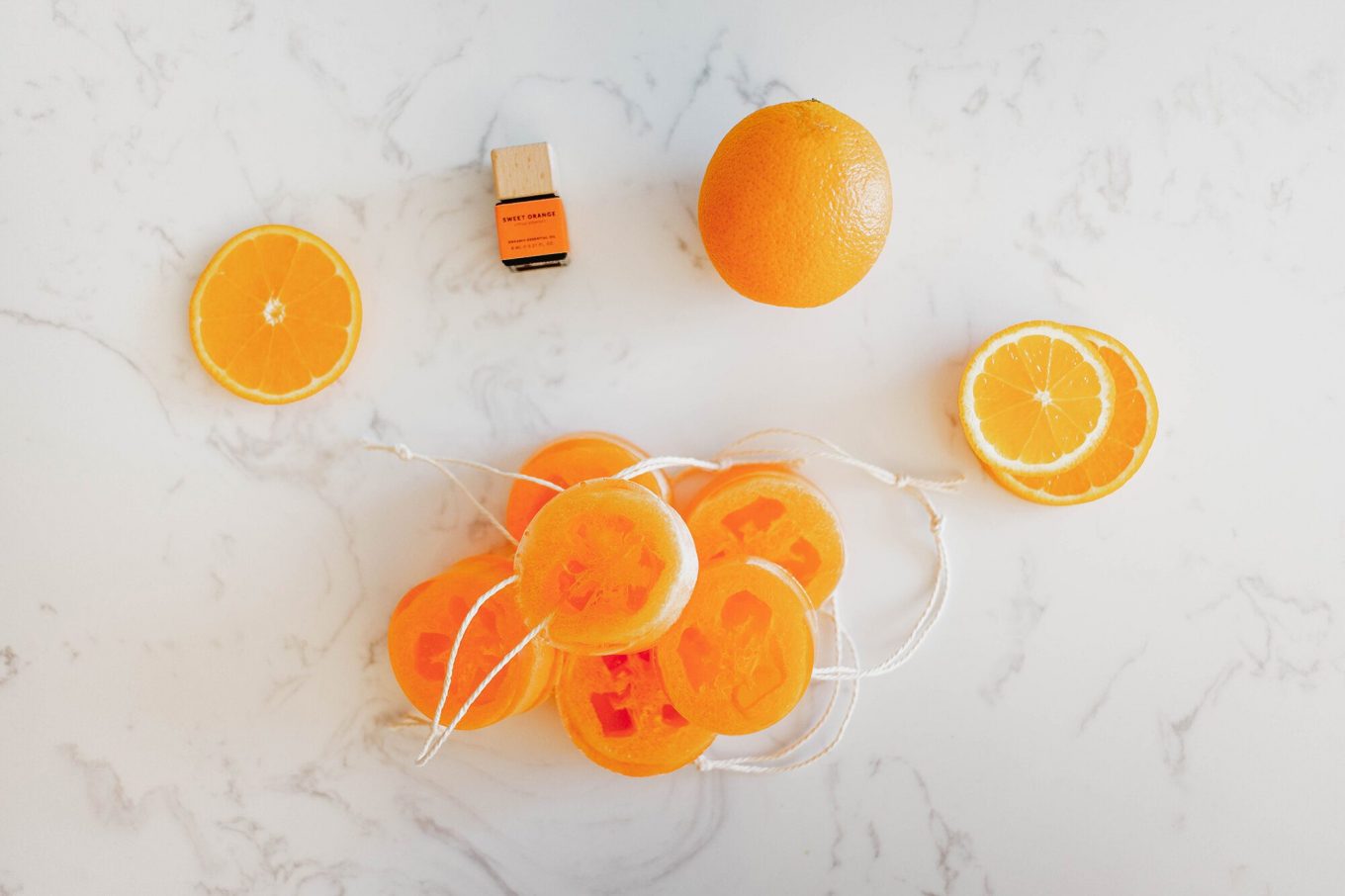
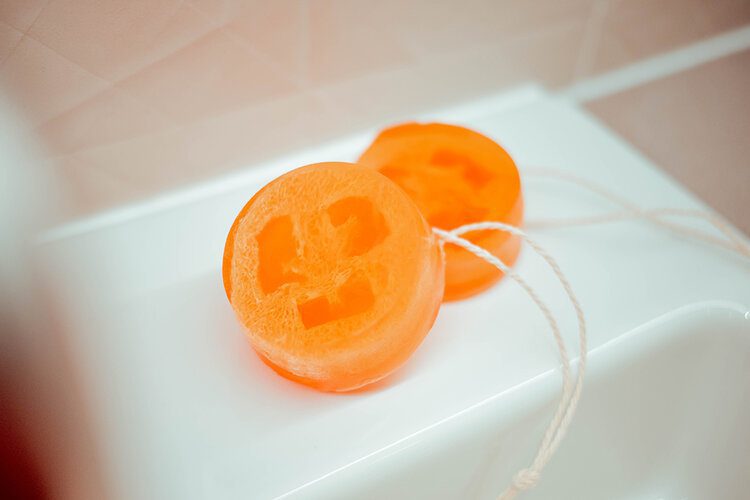
    How to make handmade loofah soap

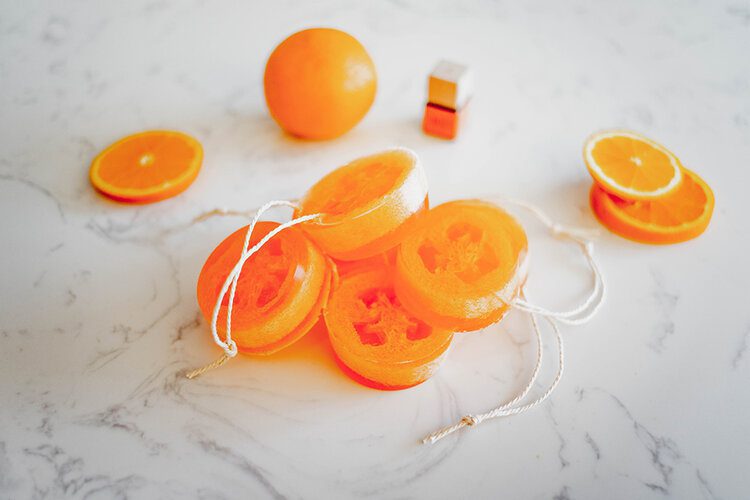
    Learn how to make handmade soap with a naturally exfoliating loofah inside with this easy step-by-step tutorial in collaboration with Earth Conscious shop, Coconut & Cotton. Soap making is not only a fun activity to do (for yourself or with kids) but it’s also a great way to reduce plastic in your bathroom

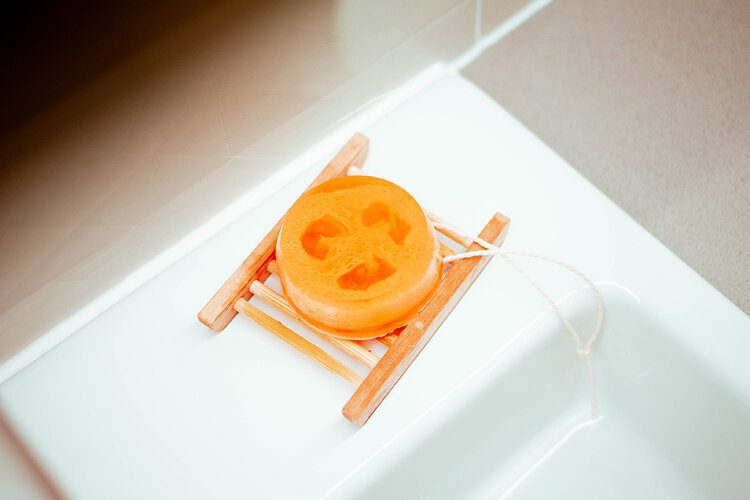
    Sidebar: wash out and reuse the tub that the soap base comes in to store your homemade soap.

    Take your handmade loofah soap on your travels in an aluminium soap tin from Coconut & Cotton (it fits, I tried it) to prevent needing to use any plastic packaged soap or shower gel. These homemade soaps also make for great gifts and/or party favours.

    This how to make soap tutorial is brought to you by Coconut & Cotton who provided many of the items needed to make these round loofah soap bars. 

    Coconut & Cotton is a female-owned plastic-free and planet-conscious shop selling an amazing range of affordably low-waste household products to help you live a more sustainable lifestyle. Coconut & Cotton is located in Shaftesbury, south west England and most of their products are available to shop online at www.coconutandcotton.co.uk. All orders are sent using reusable and plastic-free packaging and they often pop in a fun free sample.

    Scroll past what you need to make handmade soap and the instructions for answers to some questions you may have.

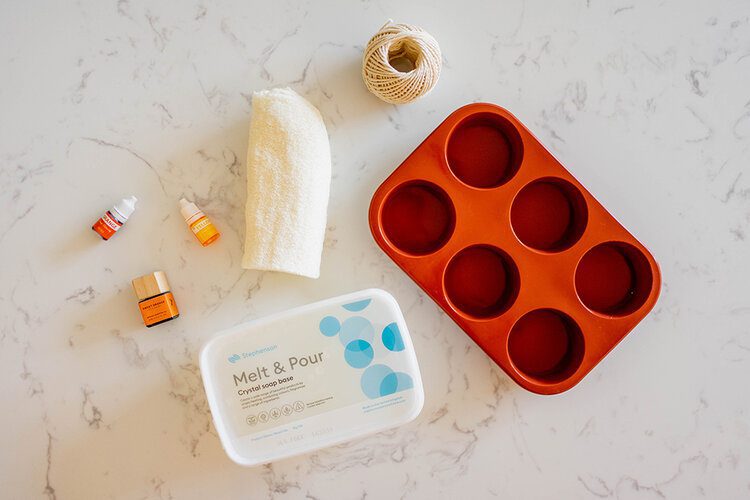
    Ingredients for making loofah soap

    Equipment needed for making loofah soap


    • 6 cavity round silicone mould 7cm or 2 3/4” wide and 3cm or 1.18” deep


    • Bread knife


    • Sharp knife


    • Chopping board


    • Ruler or tape measure


    • Scissors 


    • Microwave and microwaveable container or two saucepans and the stove top


    • Dessert spoon


    Step-by-step instructions for making handmade loofah soap

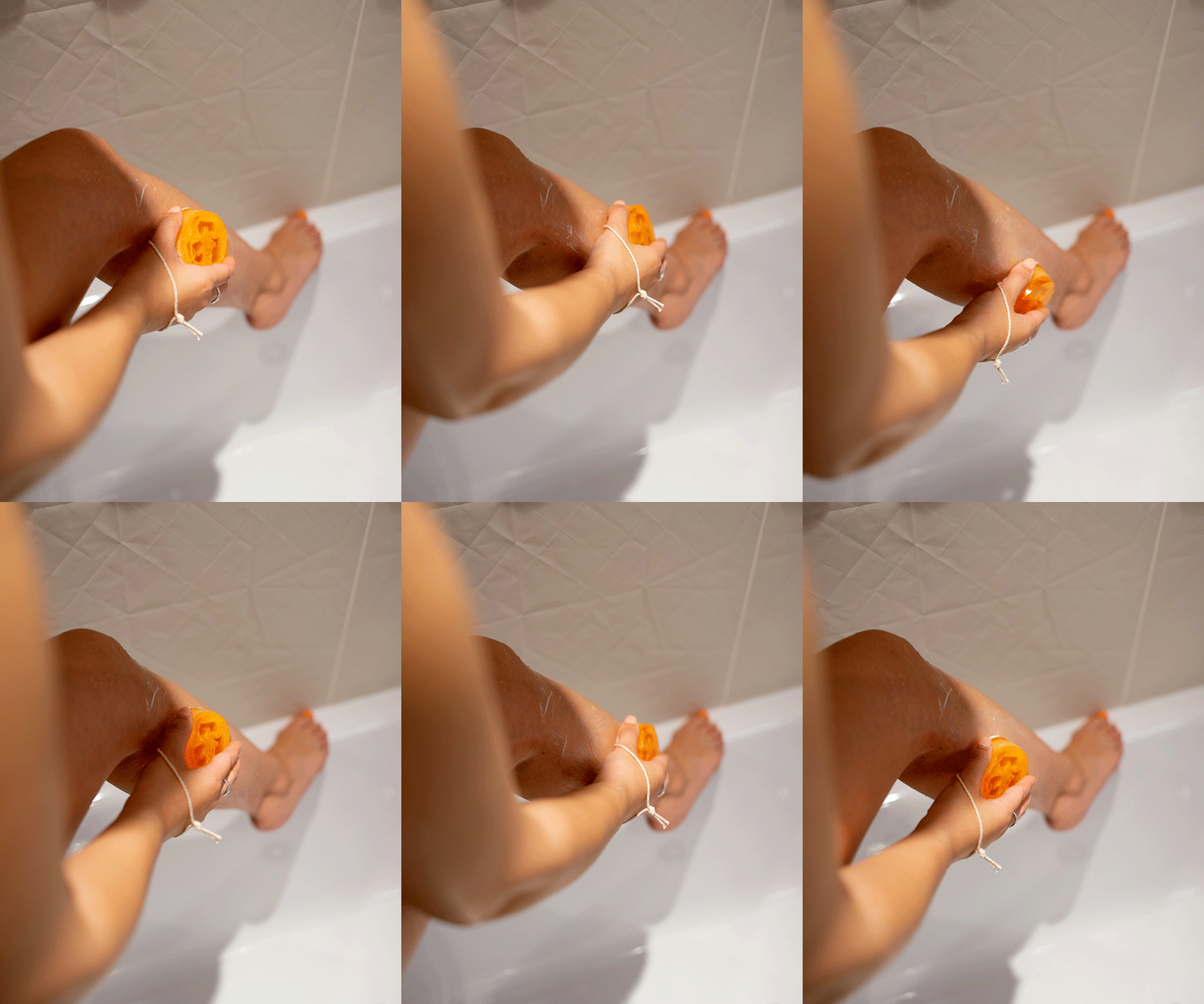
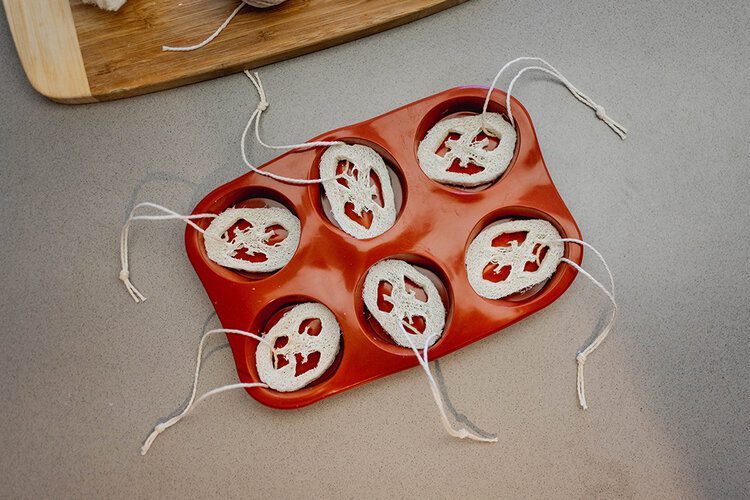
    1. Re-hydrate your loofah from Coconut & Cotton in the bathtub with the shower head or you can just pop it on the floor whilst you shower to hydrate it.

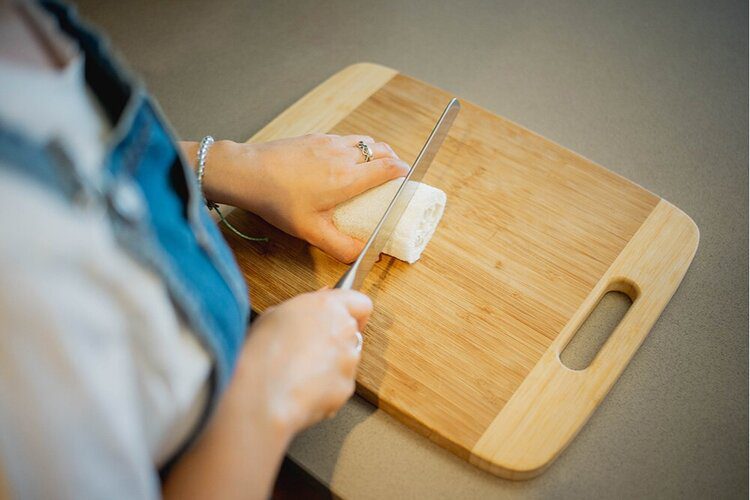
    2. Slice your vegan loofah with a serrated knife (a bread knife will do) into x6 slices about 1.5cm or 1/2” thick.

    3. Cut x6 pieces of 41cm or 16” long recycled cotton string from Coconut & Cotton. Pair one loofah with one piece of string and thread the string through one of the holes in the centre of the loofah slice and tie a knot to secure a loop handle. This string loop that you’ve created means you can hang your soap in the shower when you’re not using it and you can loop it around your fingers to stop you from dropping your soap when it gets slippery.

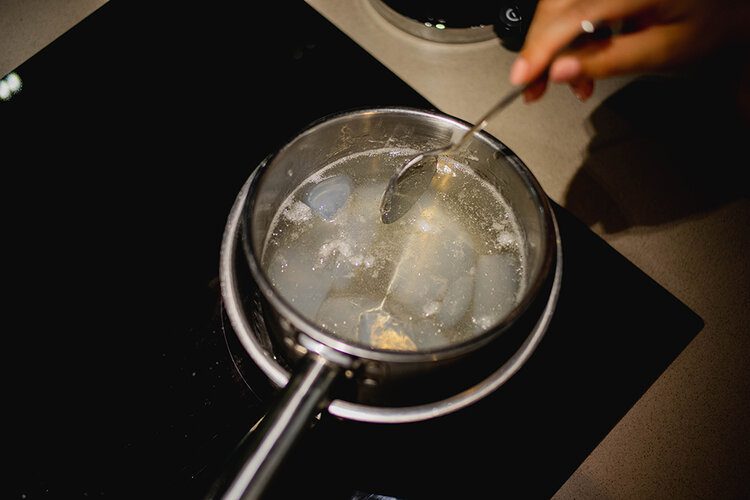
    4. Next you’ll need to melt your soap base, to do this first remove your soap base from its package and cut it into smaller pieces. You can either place it into a microwaveable container and melt it for a couple of 30 second bursts in the microwave or you can create a double boiler with two saucepans and melt it on the stove top. If you’re using the double boiler method then it will take about 15-20 minutes on a medium heat to melt the soap base into a liquid. You may need to top up the water in your double boiler a couple of times.

    5. Once liquified, frequently stir the soap with a dessert spoon to prevent a skin from forming. Add your choice of essential oil(s) from Coconut & Cotton, you need about 3-4 drops of each oil per soap you’re making.

    6. Then add 6-8 drops of your choice of soap colourant if you’re adding it. Stir the soap base to combine the colouring and essential oils and stop a skin from forming.

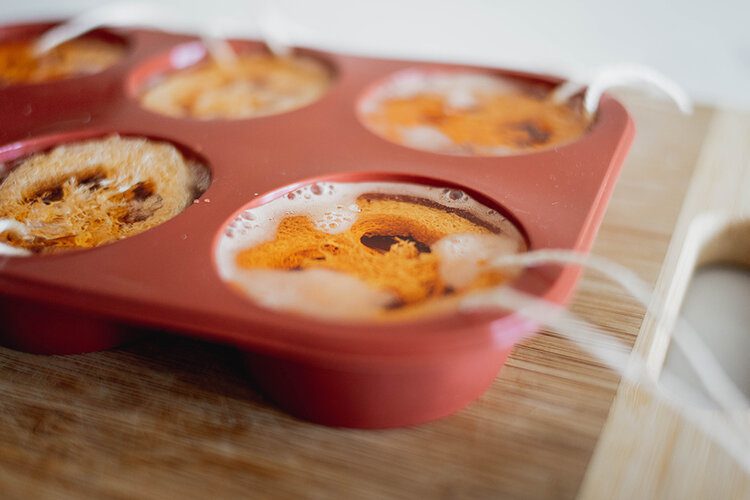
    7 .Carefully remove your soap mixture from the heat and gently pour into each of your 6 moulds.

    8. The loofah slices may float to the surface but you can encourage them to sink by placing 3 regular knives over the top of them. Lay each knife over 2 moulds each.

    9. Leave your soaps to cool and set for an hour and a half. Once cool, you can pop them out and they’re ready to use.

    If you have any leftover soap mixture you can pour it into other moulds.

    What is a loofah/luffa?

    Loofah (or luffa) is the fruit of a tropical vine plant related to the cucumber family. The fruit, that looks much like a courgette, is left out to dry for 6+ months after which the husk can be re-hydrated to form a coarse sponge that will naturally exfoliate skin by brushing away dead skin cells and it stimulates blood circulation.

    Once you are ready to discard your used loofah you can simply compost it.

    You can either buy a slice of loofah for £1.60 or a whole loofah for £7.50 from Coconut & Cotton which you can cut up yourself.

    Do I need to use a loofah to make this soap?

    No you don’t need to insert a loofah into your soap to use this soap making tutorial. You can leave out the loofah or alternatively you can use poppy seeds as another natural exfoliant.

    Is soap making difficult?

    Making homemade soap with a melt and pour soap base is not difficult. It only takes about half an hour to make and pour and then an hour and a half to set. I recommend using a melt and pour soap base because soap making with lye or sodium hydroxide can be dangerous if you don’t know what you’re doing. 

    Is homemade soap vegan?

    The Stephenson melt and pour crystal soap base that I use is 100% vegetable based so yes it is vegan. It is also paraben free, biodegradable and isn’t tested on animals.

    Which essential oils are best to use in handmade loofah soap? 

    You can use any combination of essential oils you like. Coconut & Cotton has a collection of 17 essential oils by Bio Scents, a Portuguese company who bottle 100% organic essential oils in reduced plastic packaging. Choosing your essential oil really depends on the effect you want the scent of your soap to have whilst you use it, for example:

    Lavender essential oil in soap

    Bio Scents lavender essential oil will soothe, de-stress and encourage a relaxed state of mind. Lavender scented soap is ideal to use before bedtime. 

    Citrus essential oil in soap 

    Any citrus essential oil such as Bio Scents lemon essential oil or the Bio Scents sweet orange essential oil from Coconut & Cotton is known for being uplifting and specifically orange essential oil can support clean skin.

    Eucalyptus essential oil in soap

    Eucalyptus essential oil is known for being stimulating and rejuvenating so it’s ideal for using in the shower first thing in the morning. It’s also ideal for when you have a cold or the flu because it helps to clear congested sinuses. 

    Do I need to use soap colouring in my handmade soap? 

    You don’t need to use soap colouring, the only thing adding soap colouring does is change the colour of the soap from translucent to whichever colour you choose. It ultimately makes the soap fun to look at so if you want to save money you don’t need to add soap colouring.

    If you do choose to add soap colouring you can match it to the colour of your essential oil: purple with lavender, orange with orange etc.@coconut.and.cotton for amusing content of the owner, Lucy, as she shares new products and eco-conscious tips.

    How long does handmade soap take to cool?

    The soap will take about an hour to set at room temperature but to be certain it has before popping it out of the mould, leave it to cool for at least an hour and a half.

    .

    If making your own soap isn’t quite your thing and for some reason you’ve made it this far in this blog post then I recommend buying some heavenly scented bars of French Marseille soap – they’re my favorite bars of soap when I’m not making them myself!

    Follow @coconut.and.cotton for amusing content of the owner, Lucy, as she shares new products and eco-conscious tips.

    For more with Coconut & Cotton check out Eco-conscious period packing list, How to have an Earth-conscious spa day at home with Coconut & Cotton and Sustainable stocking fillers for travellers with Coconut & Cotton.

    Do more on & for the planet, Gabriella

    Pin this post


  • PFH 5 favourites: May

    PFH 5 favourites: May

    Each of my PFH favourites are chosen to inspire you to do more on & for the planet whilst caring for yourself and others.

    Whilst I’m still grounded in the UK and can’t share fresh travel content from around the world I’ve decided to start a new blog post feature where once a month I will round up and share with you a few things I’m loving that you can use on or between your travels. 

    It’s a space on PFH where I can share fellow creatives, eco-conscious tips and products, podcasts, books, what I’ve been watching on TV, routines that I’ve benefited from, restaurant recommendations and so much more. I’m really excited about sharing these favourites with you. 

    1. LUSH’s Bring It Back Packaging Recycling Scheme

    Save extra waste, save the planet and save extra waste?! Whaaat!

    When you return any of LUSH’s plastic packaging to store you will receive 50p per piece to spend in store that day.

    LUSH will send your recycled packaging that has already been made with recycled plastic back into their closed loop recycling programme and you get the opportunity to save money on your next product which you can also return once you’ve finished.

    It’s really wonderful and I’m over the moon about it. Now you can earn money back and repurpose packaging from the low-waste toiletries you pack on your travels. 

    Whilst I’m talking about LUSH they have an amazing new bath bomb called #TBH365 which is in collaboration with The Black Curriculum and 100% (minus VAT) of the proceeds go towards supporting Black history being taught in school all year around!

    Their ‘return 5 black pots for a free fresh face mask’ still applies but cannot be used in conjunction with the 50p credit so if you have black pots to return I would recommend getting the face mask because it’s a better deal.

    Check your local LUSH store to see if it participates in their Bring It Back Packaging Recycling Scheme.

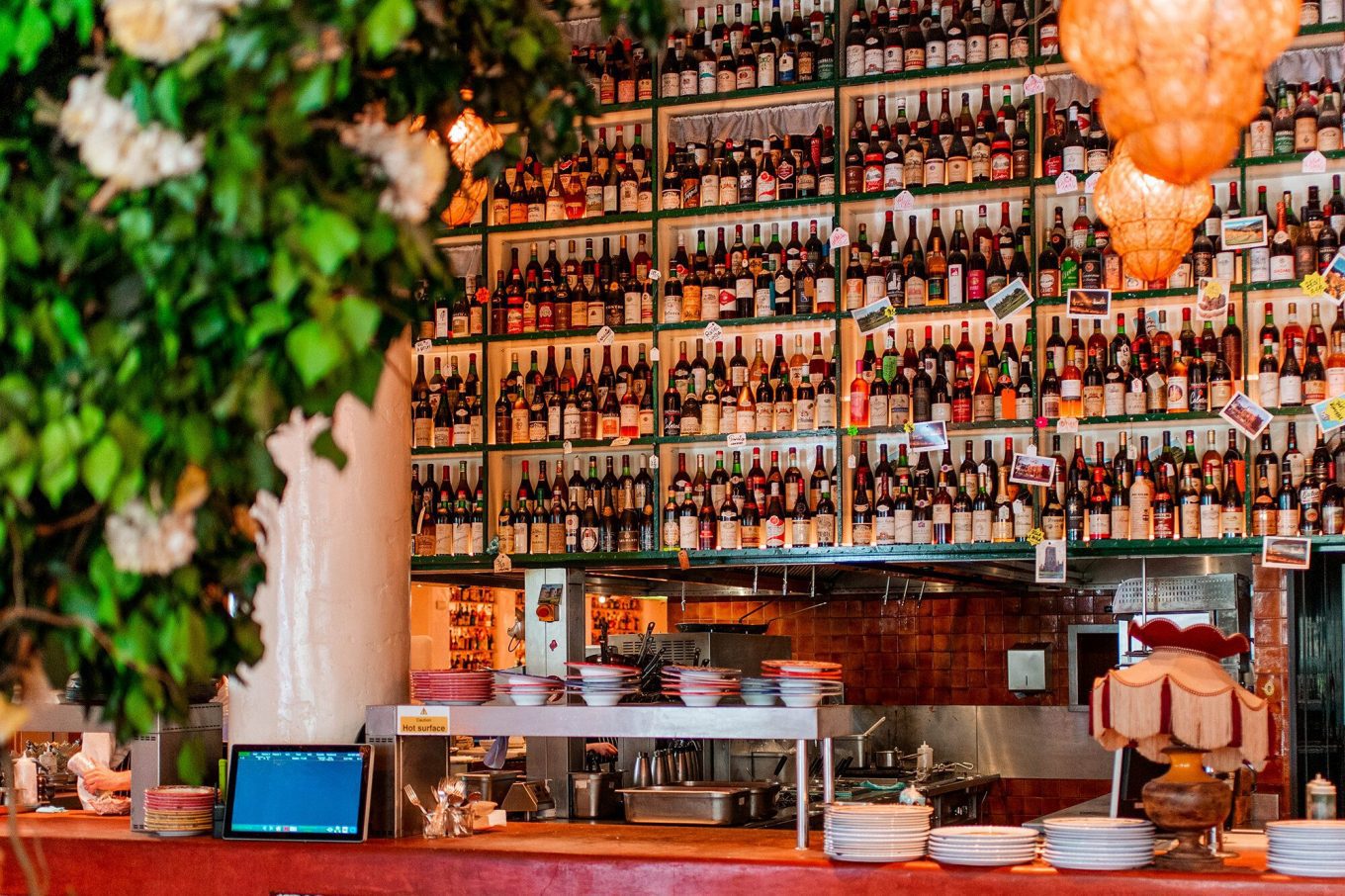
    2. Circolo Popolare Italian restaurant

    Circolo Popolare is an Italian restaurant located just a 4 minute walk from Tottenham Court Road tube station in London.

    This one is specific to London so I do apologise to everyone who doesn’t have access to London right now but one day when you can, I hope that you add this restaurant to your list of things to do in London. In saying that, Circolo Popolare is part of the Big Mamma group who have restaurants in Paris, Lille, Lyon and Madrid so if you visit France or Spain you can eat with them there.

    I first came across Circolo Poplare on Instagram and thought WOW it’s gorgeous! As you may know from your own experiences, I was a little hesitant about booking because not all Instagrammable restaurants in London can be trusted to have good food or service. Unfortunately many places focus more on bringing in customers based on how they look and the quality of food falls to the wayside. I took a chance though and it did not disappoint. 

    I enjoyed the food, service and decor so much that I booked it again for a friend’s birthday – who had been to one of their Paris restaurants and only had good things to say about the food – and I am returning again. 

    Circolo Popolare’s menu changes monthly but a firm favourite is their cacio e pepe wheel for two people and I could not recommend it more for its pizzazz and heavenly taste.

    I have heard from friends that it’s getting harder to book into Circolo Popolare but they do keep tables for walk-ins so don’t give up hope if you can’t book a table.

    3. The Spin Junkie YouTube channel 

    Former Soul Cycle instructor and personal trainer to A-list celebrities and Gold Medal Olympians, Holly Miller’s YouTube channel, The Spin Junkie, deserves all the credit for getting my body moving through our third lockdown in the UK which lasted 5 months. During that time we could only exercise outdoors once a day and as it was winter the motivation to go outside was little to non-existent. 

    When I found The Spin Junkie and purchased a spin bike my mornings had a whole new purpose, I really enjoyed getting up, moving my body and taking the moment that Holly gives us at the end of every one of her classes to inspire confidence and positivity both on and off the bike. Plus she has great playlists and themed classes which cover so many genres of music.

    Despite gyms and fitness centres reopening, I still very much enjoy getting on my spin bike to workout with The Spin Junkie. 

    Check out her Earth Day fundraiser ride below.

    Don’t worry if you’re new to spin, she has classes for beginners too. 

    Her message of encouragement to love and care for your body more than just for how it looks is inspiring and a message we all need to hear.

    Back in the glory days of travel (pre-pandemic) I used to listen to workout playlists to spin to in gyms but now I look forward to being able to pop on one of The Spin Junkie’s ride videos and go. Of course, there’s no pressure to workout on your travels but if you do feel inspired to get your body moving then I think this is a great way to incorporate free training into your routine.

    The Spin Junkie doesn’t monetise her channel so you can ride without being interrupted by those pesky adverts telling you you’re “working out wrong” so thank you Holly for providing this complimentary service.

    4. Roam & Thrive’s self care journal prompts

    Alex, founder of Roam & Thrive, a travel and wellness blog for those looking to live a healthier life whilst travelling around the world, has shared 13 of her favourite journal prompts that help you to explore your mental wellness, focus your mind and release any anxiety you may be experiencing.

    One of my favourites from her blog post is “What things do I try to avoid? How can I stop avoiding them?” as it really encourages you to face whatever could be holding you back from reaching your full potential.

    Roam & Thrive is currently living in Mexico and often shares content that will inspire you to book a trip there as soon as it’s possible. If you’re in the US and able to travel south of the border take a look at her super useful Mexico travel guides that include a list of yoga spots in Tulum and vegan restaurant recommendations in Playa del Carmen.

    5. Sewing hair scrunchies 

    One of my biggest regrets (not that I would have done anything else in the moment) was selling my sewing machine ready for our move to Canada which actually turned out to be mere weeks before a global lockdown. Between then and purchasing a sewing machine this month, those 14 months are the longest I’ve been without a sewing machine, I’m beyond happy to have one again. 

    One of the things I’ve been loving is sewing hair scrunchies. It’s so easy to make a hair scrunchie and if you’re interested I created a tutorial on how to make hair scrunchies which you can check out here. They’re such a cute way to tie back your hair (if it’s long enough) on your travels – especially to warmer climates – and they make great gifts.

    Sewing hair scrunchies is so easy for anyone who knows how to use a sewing machine and you can make them from scraps of material or old items of clothing that you want to upcycle. 

    My step-by-step guide for how to sew a hair scrunchie comes with photos and GIFs so you can see exactly what to do but let me know in the comments below if you want me to make a YouTube tutorial for how to make hair scrunchies!

    If you make a DIY scrunchie, tag me in a photo of it on Instagram @gabriellawisdom, I’d love to see it and share it!

    .

    What are you loving this month? Let me know in the comments below.

    Do more on & for the planet, Gabriella

    Pin this post


  • What to wear in Iceland packing guide

    What to wear in Iceland packing guide

    With Iceland making it onto the 2021 travel green list I wanted to put together a quick packing guide for clothing that will keep you warm and dry in Iceland’s forever changing weather, whilst also keeping your luggage light and compact. 

    “If you don’t like the Icelandic weather, just wait five minutes” – Iceland.

    If you’re not used to travelling places where the weather changes often but never makes it into the  20°C (low 70s in Fahrenheit) then this packing guide will help you with what to wear to stay warm and comfortable in Iceland so the only thing on your mind is adventure.

    I am not partnered with any of the brands in this blog post but you will find me recommending them as they are what Michael and I own and frequently travel with. I’m only recommending the brands whose clothes wash well, last a long time and are reasonably priced. Don’t forget to look on Depop and eBay etc. for second hand clothing and there is always the option to do what I have done for trips like this which is to borrow clothing and outerwear from friends and family to save money whilst being more mindful of the planet. Got any friends who regularly ski? Great, now’s the time to shoot them a message.

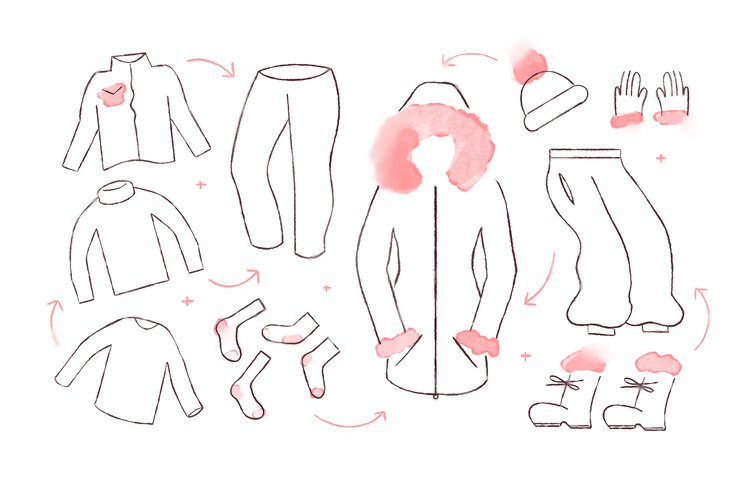
    Here’s what I recommend packing to wear on a trip to Iceland to stay warm.

    Thermal base layer 

    My biggest mistake in packing for colder places such as Canada or Scotland has been not taking enough thermal base layers. The layers that go on top such as fleeces, jumpers and coats can be worn multiple times but I find wearing the same base layers without washing is like wearing the same pair of undies 2 days in a row. Maybe I’m just stanky, whatever, either way I advise having 2-4 minimum thermal base layers.

    They’re lightweight and it means you can stay warm under any layers you already own to save having to buy more clothes.

    For those reading this that wear bras, you can save yourself some space by packing thermal base layers with bra support sewn in.

    Fleece

    A fleece is a lightweight and breathable layer that will keep you warm by trapping air in the pockets of its fibres. There are varying weights and looks of fleeces so it’s up to you what you go for. I’ve found the mountain warehouse Camber half zip fleece to be great for fitting comfortably under tighter coats and it’s super compact in luggage, but the bulkier fluffy fleece jacket from Uniqlo is so cosy and can be unzipped if I get warm. 

    Thermal fleeces don’t necessarily need to come in the form of a jacket or jumper, you can travel extra compact with a fleece turtle neck. If I know the weather is going to be particularly cold I will wear a thermal base layer with a fleece turtle neck and a fleece jumper or jacket over the top, under my coat.

    If you don’t already own fleeces then don’t feel like you need to buy them, you can save money by wearing a jumper with a thermal layer underneath. Fleeces are great though for insulating whilst being a light layer so consider one next time you need a new jumper if you’re looking for warmth and comfort.

    Thermal leggings or long underwear

    I recommend wearing either thermal leggings or trousers with long underwear underneath rather than something like jeans. Jeans take much longer to dry when wet and as it can be sunny one moment and snowing the next in Iceland you don’t want to spend your time there uncomfortable.

    Michael and I have thermals from Uniqlo and Mountain Warehouse but the best pair I’ve ever owned were from Calzedonia which I really wasn’t expecting but I’ve worn them non-stop through the winter.

    A tip for those who wear tights – to save money on thermals get a pair of thermal tights to wear under your trousers. Not only do they provide a slim extra layer of warmth but they’re a base pair of socks too! Plus you have the versatility of wearing them as tights.

    Waterproof over-trousers

    I swear there are very few things in life that will make you feel more invincible than wearing effective waterproof clothing in adverse weather conditions. Seriously, I might look like I’m wearing a bin bag but when I have my waterproof over-trousers on I feel better than every other human being on the planet and I don’t care how that sounds because I’m not soggy and miserable.

    I chose to purchase waterproof over-trousers before my round the world trip in 2016 because I didn’t think the actual waterproof trousers were flattering, but I wanted to keep dry and they are one of my favourite purchases ever. They pack down smaller than a water bottle when I’m not using them and when I do need them I just unroll them and slip them over whatever I’m wearing and I’m dry. My pair from Mountain Warehouse have slits on the side so I can still access my pockets (if I actually have them to begin with, you get me) and are adjustable at the bottom so I can slip them over my feet without needing to take my shoes off. Over-trousers are also great because you can take them off when you get to your destination so you don’t have to sit in wet clothing. I swear if I had these back in 2015 to go between the tube and the office when I was working a corporate job in London, I might have actually been good at my job…

    My waterproof over-trousers have saved me all over the world, from keeping my butt dry whilst hiking the Tongariro Crossing in New Zealand to keeping my butt dry on outdoor rides at Disneyland Paris on a rainy day, but they were particularly handy in Iceland because I could throw them over any of my bottoms to keep dry whenever the snow started. They also act as an insulating layer and were welcomed at 1am between snow flurries whilst waiting for a chance to see the Aurora Borealis (Northern Lights).

    Waterproof over-trousers are also a good idea to have if you’re still not budging on wearing jeans in Iceland.

    Hiking socks or ski socks

    In Iceland and other cold climates I wear either a pair of regular socks or my thermal tights with a thick pair such as these outdoor socks from mountain warehouse or a pair of the same ski socks I’ve had since I was 13 years old over the top.

    Worn under hiking boots or snow boots, these have been enough to keep me warm. By wearing two pairs of socks, it not only provides an extra layer of insulation but it means I can take more regular socks which pack into smaller spaces and less thicker socks as I can get a couple of extra days wear out of them before they need washing.

    Snow boots

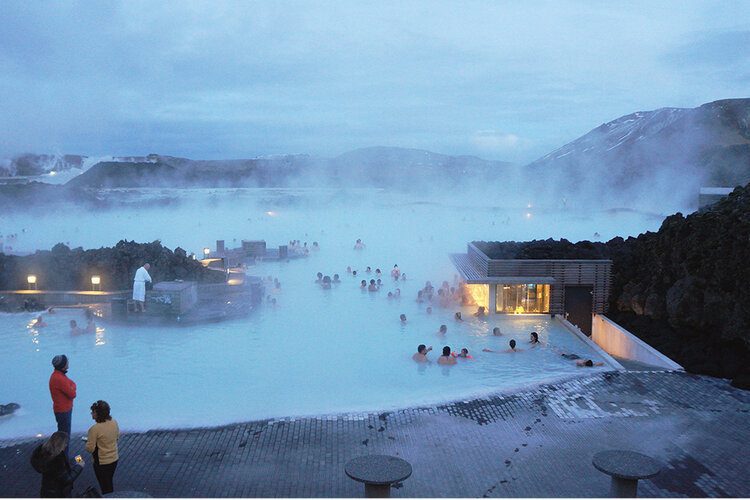
    Before going to Iceland I borrowed snow boots from my Mum and apart from the one pair of shoes I took to wear for dinner at Lava, the restaurant at Blue Lagoon, they were the only pair of shoes I wore all trip. It’s probably the only trip that I’ve only brought two pairs of shoes and I really didn’t need anything else.

    If you do find yourself needing more shoes, travel in your boots to save space in your luggage.

    Snow boots are my best recommendation because they insulate, they have good tread and they’re waterproof but if you don’t have them and can’t borrow them, rain boots or hiking boots will do the job with thick socks.

    Coat

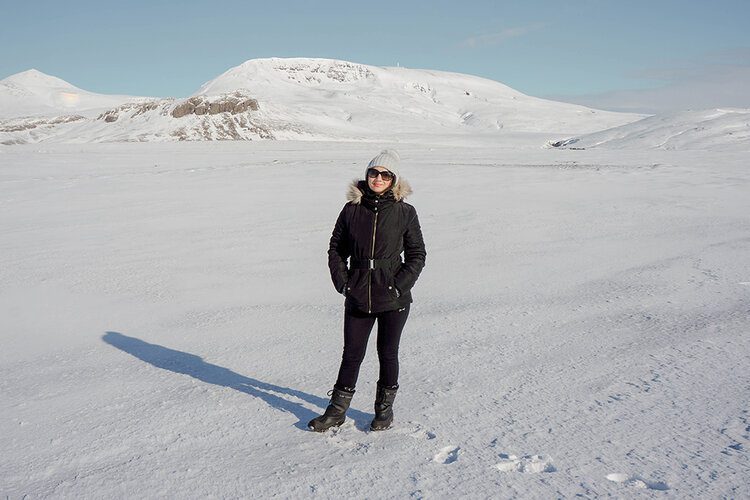
    You want to be pretty serious about your coat for a trip to Iceland if you want to be warm, comfortable and dry. You don’t want something thin like a trench coat or one that won’t dry quickly when it suddenly snows, so any kind of faux fur/teddy bear coat is out of the window. You want something with a hood to prevent snowflakes from getting down your neck and some kind of insulation against cold winds.

    The best coat choices for a trip to Iceland are:


    • A waterproof coat that has a fleece lining, even better if it’s detachable so you have more options in one garment. Michael has this 3 in 1 coat from Mountain Warehouse and it has kept him dry all around the world.


    • A puffer coat that is waterproof, the longer the better.


    If you have one with a faux fur trim around the hood that will do well in Iceland too as the furry trim will catch snowflakes around your face, keeping them out of your eyes.

    Hat and gloves

    Depending on the time of year you go to Iceland, you may not need gloves, but if you are travelling there outside of summer then my advice is just to pack ski gloves as anything less won’t really keep the chill out and I’ve found mine to be useful on so many trips or even just when it snows in the UK and I want to throw snowballs at Michael.

    Keep your head warm and ears protected from the wind with a beanie hat. 

    Want to know how to make your own wooly hat that’s perfect for your travels to Iceland or cooler climates? Check out my crochet beanie hat tutorial which has a free pattern, a step-by-step guide and a YouTube tutorial so you can stitch along with me.

    Planning a trip to Iceland? Take a look at my Reykjavik itinerary for inspiration including Blue Lagoon, the Golden Circle and spotting the Aurora Borealis.

    Do more on & for the planet, Gabriella

    Pin this post


  • Vegan fresh pasta recipe

    Vegan fresh pasta recipe

    Learn how to make simple homemade pasta from two ingredients with this simple recipe. If you’re  intentionally eating a more plant based diet then there’s no need to be scared off by the word “vegan”, this recipe doesn’t substitute anything it’s just an eggless fresh pasta recipe.

    This pasta recipe will help you to make pappardelle pasta which is like spaghetti with a whole lotta junk in its trunk – it’s about 2-3 times wider than tagliatelle. You don’t have to make pappardelle though, you can make any shape you fancy with this pasta dough.

    Yes my homemade pappardelle pasta is on the floor, it was the only spot with natural daylight when I made it.

    This fresh pasta recipe is super easy and quick to whip up and is really handy if you’ve run out of pre-made pasta, looking for a pretty simple way to impress your dinner guest, want something fun to cook with kids or are feeling extra come dinnertime. It’s also a neat way to honour a beautiful country whilst we can’t travel to Italy just yet.

    I have chosen to serve up my fresh pappardelle pasta with pesto sauce, mixed baby tomatoes, pine nuts, parmesan and basil but you can serve your homemade pasta with any sauce of choice.

    Ok so anyone who isn’t just here for the recipe and hasn’t already skipped down (no judgement here) I’ve answered a couple of questions you may have about this vegan fresh pasta recipe and then I share the ingredients, equipment and method.

    How much will this vegan fresh pasta recipe make?

    1 ½ cups of plain flour will make enough pasta to serve two people.

    Important tips for making homemade vegan fresh pasta

    The most important part is to make sure you have enough flour underneath and on top of your rolled out dough so that when you cut out your chosen shapes it doesn’t stick to itself.

    Does it have to be pappardelle pasta?

    Nope I’m just lazy and pappardelle shaped pasta requires very little effort.

    What you will need to make homemade vegan fresh pasta

    Ingredients for homemade vegan fresh pasta


    • 204g / 1 ½ cups of plain flour plus extra for dusting


    • 330ml / 1 ⅓ cups of cold water (approximately)


    • Teaspoon of salt


    Equipment for homemade vegan fresh pasta


    • Cup measurements


    • Dessert spoon


    • Fork


    • Rolling pin


    • Sharp knife


    • Saucepan


    • Wooden spoon


    • Colander


    Method for making homemade vegan fresh pasta

    1. Measure out the flour onto a clean surface, alternatively you can use a mixing bowl.

    2. Using a dessert spoon make a well in the middle of the flour, you can use the GIF below as a reference. Making a well in the flour makes it easier to gradually mix in the water so your dough doesn’t become lumpy.

    3. Add the water approximately one tbsp at a time and use the fork to mix the flour in. You want to gradually take flour in from the edge of the well you made and whisk it into the flour to combine it. As the dough becomes less sticky add a little more water and continue to mix the flour in. To make things easier, you can mix the dough in stages.

    Note that you might not need all of the water, use as much as you need to form a dough with all of your flour.

    4. Once you have mixed all of your flour into a dough, dust your surface with extra flour and knead your dough for about 4-5 minutes or until it becomes smooth and elastic. This helps the pasta to keep its structure once you shape it whichever way you please.

    5. Dust your surface again with flour and your rolling pin and roll out one half of the dough to a thickness of 3mm/0.2”. Be sure to dust flour onto your surface every time you move and flip your dough to make sure it doesn’t stick. If it’s easier you can work your dough in two halves.

    How to shape pappardelle pasta

    Before we continue, you don’t have to make pappardelle pasta, you can make whatever shape you like. I’m just lazy and pappardelle is easy.

    6. Bring a saucepan of salted water to the boil as you continue with steps 7-10.

    7. Sprinkle and smooth out a layer of flour onto the rolled out dough. You don’t want to smother it with flour but it needs enough so that neither side is sticky.

    8. Take one edge of your dough and lightly roll it in and continue to roll the whole dough so it resembles a Swiss roll. Be careful to roll lightly so the dough will unravel easily after you’ve cut it.

    9. With a sharp knife slice your rolled up dough (gently if you choose not to use a chopping board as to not damage your surface). To make pappardelle pasta cut your slices 2-3cm/3⁄4–1inch wide.

    10. Lightly flour your hands and gently unroll your pappardelle pasta.

    11. Place your pappardelle pasta into the boiling water, stir and cook for 2 minutes. Make sure you don’t overcook your pasta as it will become gloopy, lose its shape and be unpleasant to eat.


    12. Drain your pasta, add a little butter and stir in your sauce of choice, I used vegan green pesto. Add any extra you like such as pine nuts and tomatoes, add a sprinkling of parmesan and garnish with fresh basil.

    Buon appetito!

    Do more on & for the planet, Gabriella

    Pin this post


  • 10 things to do on your first trip to NYC

    10 things to do on your first trip to NYC

    Looking for 10 things to do on your first trip to New York City? You’re in the right place – obviously, or this would be a really crappy titled blog post.

    In this guide you’ll find a bucket list for things first-timers can do to experience NYC with useful information such as how these attractions are affected by COVID-19 and some extra tips for how to enjoy them in a less touristy way.

    I already have a full New York City itinerary and an Instagram guide but I have learnt over the years people don’t love trawling through heaps of writing to find out what to do to plan their most memorable vacations, holidays or travels (fancy that) so I’ve reworked my NYC itinerary to narrow it down to 10 things you should do on your first trip to New York City.

    1. Empire State Building

    No trip to the Big Apple is complete without a visit to see the world’s first 100+ story building: The Empire State Building. This Art Deco skyscraper is the most iconic building in the city and its magic can be likened to that of seeing the Eiffel Tower in Paris or Taj Mahal in Agra – no matter how many times you see them, every time is like the first time.

    Take in 360° views of the city that never sleeps from the highest open air observation deck in New York City.

    Opening times for the Empire State Building

    The observation deck of the Empire State Building is open every day, including all holidays, come rain or shine, however, since the worldwide COVID-19 pandemic it is no longer open 8am – 2am. The visiting hours of the Empire State Building’s observation deck for the foreseeable future are now:

    1pm – 10pm with the last elevator at 9.15pm

    PFH Top Tip: book a ticket for half an hour before sunset (the ticket times online will indicate sunset for the day you are booking) as you will be able to experience the view from the top of the Empire State Building in daylight, sunset and after dark when the city lights up to show exactly how it got its title of the city that never sleeps.

    Book your ticket for the Empire State Building here.

    Accessibility for the Empire State Building

    The Empire State Building is ADA-compliant.


    • The main entrance on 34th St is accessible to people with disabilities


    • Ramps are located throughout the building for easier access to people using wheelchairs and motorised wheelchairs


    • Accessible toilets are located on the 86th floor


    • The observatory deck has lower walls and binoculars


    • Service dogs are welcome


    COVID-19 safety precautions at the Empire State Building


    • Admission to the observation deck at the Empire State Building is by pre-booked tickets only


    • Face masks must be worn as required by law


    • Guest’s temperatures will be taken before entry, you must have a temperature lower than 100.4°F to enter


    • The capacity has been reduced by 80% for you to keep a 6ft or 2m distance from others


    Rooftop bar with a view of Empire State Building

    Want to ditch the tourist label and experience the Empire State Building from a rooftop bar? 

    Of course you do! Make a reservation at the Monarch hotel’s rooftop bar where you can enjoy an exquisite cocktail whilst gazing directly up at the Empire State Building. You know what makes this penthouse bar in New York City even more enticing? You won’t have to shell out a hefty percentage of your travel budget for a minimum spend unlike most reservations for rooftop bars in the city.

    Credit to finding this bar goes to my dear friend and fellow travel blogger, Johanna from This Wanderlust Heart.

    2. Rockefeller Center | Top of the Rock

    Though I believe every first-time visitor to New York City must experience the Empire State Building, it wouldn’t sit well with me to not recommend taking a trip up to the Top of the Rock Observatory.

    The view from Top of the Rock, Rockefeller Center’s viewing platform, is debatably better than the view from the top of the Empire State Building because it includes the Empire State Building. However, it’s not just the view from Top of the Rock that is more appealing to me, it’s also a lot more spacious than the Empire State Building’s observation deck.

    Opening times for Top of the Rock

    The Top of the Rock observation deck is open 7 days a week.

    1pm – 9pm with the last elevator at 8.10pm.

    Times may vary on holidays.

    Book your ticket for the Rockefeller Center and/or Top of the Rock here.

    Accessibility for the Top of the Rock


    • The main entrance on 50th St is power assisted, all other doors are accessible


    • Rockefeller Center tours can be led through wheelchair accessible routes


    • A wheelchair accessible stall is located in every public restroom


    • Elevators are available on all floors from street level to the open air deck on the 70th floor


    • Printed transcripts are available upon request for all short films played in the Top of the Rock Experience


    • Service dogs are welcome


    • Strollers are allowed but must be collapsible


    COVID-19 safety precautions at the Empire State Building


    • Elevators will only carry a maximum capacity of 4 people or one party


    • Face masks must be worn as required by law


    • Guests’ temperatures will be taken before entry


    • Keep a 6ft or 2m distance from others


    3. Statue of Liberty

    The 305ft tall green goddess that is the Statue of Liberty is the visual representation of freedom and hope for the United States of America. After taking 4 months to build, Lady Liberty was unveiled on October 28th 1886 and what was a gift from France became an icon for the nation.

    Various tours of the Statue of Liberty National Monument and Ellis Island Immigration Museum (which in my opinion is the most fascinating part) are available here.

    Ferry times for the Statue of Liberty National Monument 

    First ferry from mainland 8.30am 

    Last ferry from mainland 3.30pm

    Last ferry from Liberty Island 5pm

    Last ferry from Ellis Island 5.15pm

    Accessibility for the Statue of Liberty National Monument


    • Service dogs are welcome


    • A limited number of wheelchairs are available to borrow on a first come, first served basis


    • Ferries are accessible


    • The observation pedestal is only accessible by a flight of 24 stairs


    • Elevators are available for the Ft. Wood Promenade area


    • The information centre has an assisted portable induction loop system


    • Complimentary American Sign Language translation tours are available at both Liberty and Ellis Island – enquire for times


    • Accessible toilets are available in the monument and near food vendors


    COVID-19 safety precautions at the Statue of Liberty National Monument


    • Food service is limited to outdoor only


    • Access to the Statue of Liberty Crown and Pedestal interior areas will remain closed for the foreseeable future


    • The capacity has been reduced by 25% for you to keep a 6ft or 2m distance from others


    I can’t find any information confirming that a face mask needs to be worn but I think it’s safe to assume that they currently do.

    4. Hudson Yards

    One of Manhattan’s newly developed areas of interest, Hudson Yards looks out to the Hudson River and is where you’ll find restaurants, a shopping centre, the Vessel and the High Line.

    The Vessel

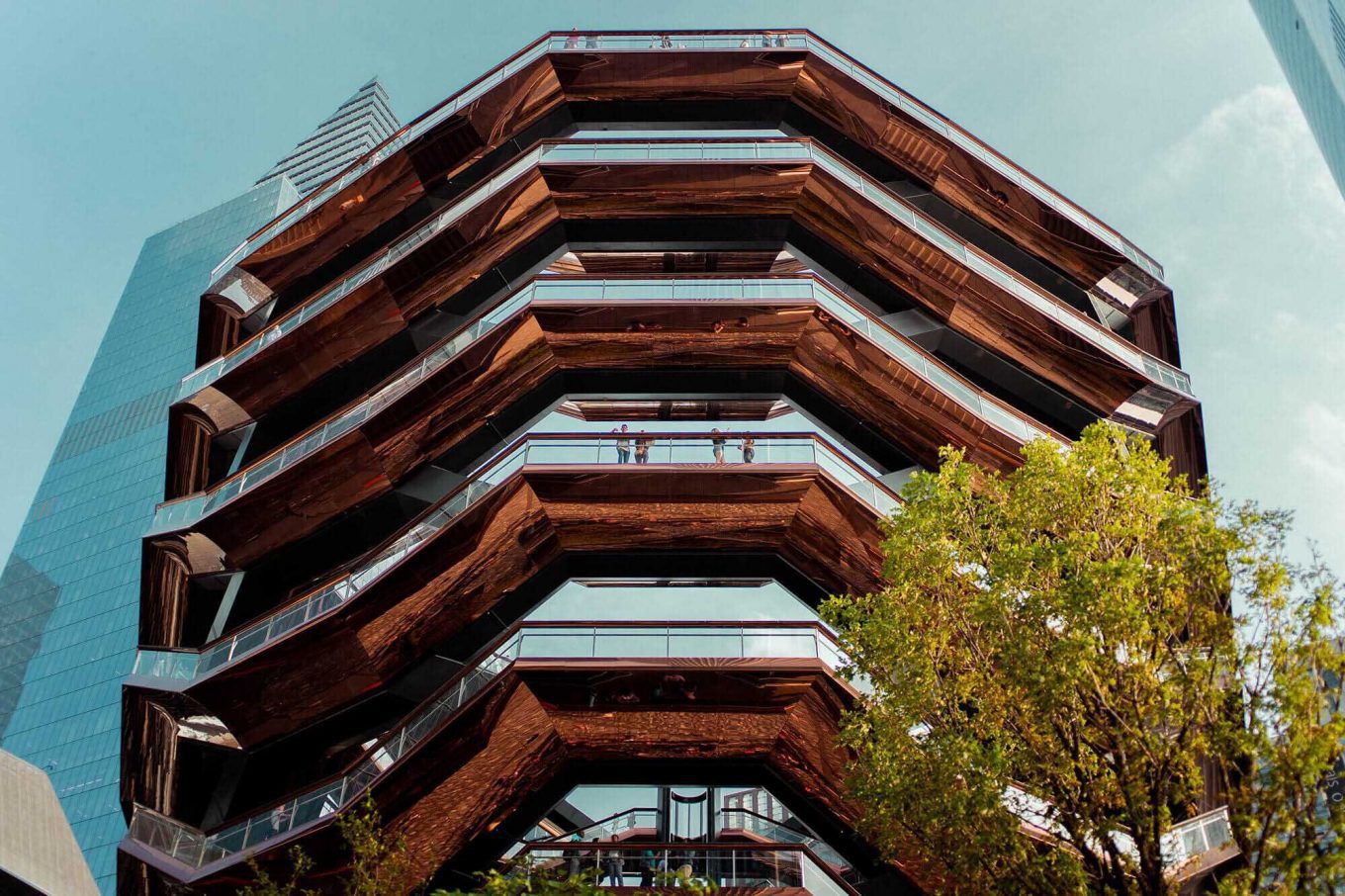
    You may recognise this shiny beehive from your Instagram feed. Sure, the Vessel has become a popular landmark on the ‘gram but it’s not just an interesting backdrop, it’s also an interactive work of art. Book a free ticket online to explore the 154 interconnecting flights of stairs and 80 landings for various views of New York City.

    Accessibility for the Vessel at Hudson Yards


    • The Vessel has an elevator service to accessible floors on level 5, 7 and 8.


    • Priority tickets for people with a disability that require use of the elevator are available


    • If the elevator priority tickets are sold out online you have the option to be given priority in the queue for on-the-day tickets if they are available


    COVID-19 safety precautions at the Vessel at Hudson Yards

    The Vessel is currently closed due to COVID-19 but you can still experience the structure from the outside.

    The High Line

    Whilst at Hudson Yards why not experience the High Line, a 1.45-mile-long elevated greenway that has been repurposed from an old railroad track that runs along the west side of Manhattan.

    This public park of sorts grows over 500 species of flora and features artwork by painters and sculptors.

    Opening times for the High Line at Hudson Yards

    Monday – Friday 7am – 7pm.

    Entrance to the High Line Monday – Friday is free.

    Saturday & Sunday 10am – 6pm.

    Timed entry must be reserved online for weekend visits to the High Line.

    COVID-19 safety precautions at the High Line at Hudson Yards


    • There is no entrance fee for the High Line however if you wish to visit on the weekend timed entry must be reserved online in order to allow social distancing


    • Face masks must be worn as required by law


    • Keep a 6ft or 2m distance from others


    • The 34th Street gate and the 11th Avenue stairs are closed


    Accessibility for the High Line at Hudson Yards


    • The High Line is fully wheelchair accessible


    • Elevator entrances are on Gansevoort St, 23rd St and the southwest entrance/exit on 30th St


    • The elevator on 14th St is exit only


    • The Hudson Yards entrance/exit on 30th St has ramp access


    5. Times Square 

    Did you even go to New York City for the first time if you didn’t experience Times Square? 

    To avoid crowds whilst the world still collectively recovers from COVID-19, visit on a Sunday morning. Even during peaks times, pre-pandemic, Times Square is quiet on a Sunday morning and means you can experience the 360° lit billboards and adverts whilst maintaining a 6ft/2m distance from others.

    PFH Top Tip: want to take in the view of Times Square with a drink but without the high NYC rooftop bar price tag? Of course you do! Head over to Time Square Novotel’s outdoor terrace for unobstructed views of Times Square.

    Souvenir shopping at Times Square

    For so many places in the world I would suggest purchasing some kind of handmade/artisan item to bring back as a souvenir or gift but no souvenir represents NYC better than a tacky snow globe (I have said tacky NYC snow globe) or an I <3 NY T-shirt. Times Square is where you’ll find Grand Slam New York, located specifically opposite the TKTS booth, where souvenirs are significantly cheaper than others around the city.

    6. Brooklyn Bridge 

    Joining the likes of Tower Bridge in London, Rialto Bridge in Venice and the Golden Gate Bridge in San Francisco, Brooklyn Bridge is an instantly recognisable bridge. Connecting Brooklyn to Manhattan, the bridge can be accessed by motor vehicle or via the pedestrian walkway.

    Brooklyn Bridge is free to cross for pedestrians.

    To avoid crowds in order to maintain a 6ft/2m distance from others I suggest visiting at sunrise where it will be much quieter, even in the height of summer.

    You can access Brooklyn Bridge from Manhattan opposite City Hall Station and on the corner of Washington and Prospect Street in Brooklyn, however this is a staircase access point.

    Whilst visiting Brooklyn Bridge take some time to go to DUMBO and Brooklyn Bridge Park. The corner of Washington and Water Street is where you’ll find the most famous view of Manhattan Bridge and Brooklyn Bridge Park and where you will find sweeping views of both Brooklyn Bridge and Manhattan Bridge and Manhattan’s skyline.


    Accessibility for Brooklyn Bridge


    • Ramp access to Brooklyn Bridge in Brooklyn can be found at Adams St & Tillary St


    • Ramp access to Brooklyn Bridge in Manhattan can be found opposite City Hall Station


    7. The Metropolitan Museum of Art | The Met

    Best known for the world’s most famous annual exhibition of fashion worn by everyone whose anyone aka the Met Gala, the Metropolitan Museum of Art, otherwise known as The Met, is the largest art museum in the United States of America. 

    The permanent exhibition has over 2 million pieces on display included the work of Claude Monet, Edgar Degas, William Turner, Leonardo da Vinci, Andy Warhol, Pablo Picasso and Georgia O’Keeffe. Click here to see the current and upcoming exhibition schedule.

    If art isn’t your jam but history is then head to the American Museum of Natural History.

    Accessibility for the Metropolitan Museum of Art


    • Wheelchair rental service is currently suspended due to COVID-19


    • Accessible entrances are on Fifth Ave and 81st St.


    • The museum exhibits are accessible by wheelchair


    • Service dogs are welcome (emotional support animals aren’t however)


    • Signs indicate when assistive listening options in exhibitions are available, please use your own headphones and neck loops, if possible


    COVID-19 safety precautions at the Metropolitan Museum of Art


    • Entrance is by a pre-booked ticket only


    • Face masks must be worn as required by law


    • Guest’s temperatures will be taken before entry, guest’s temperature must be under 100.3°F


    • The coat check service is currently suspended


    • Keep a 6ft or 2m distance from others


    • There is to be no touching of any exhibits


    • Maps and leaflets are currently unavailable


    8. Shopping on 5th Avenue

    Don’t have the dollar dollar to shop on 5th Avenue or are intentionally reducing your shopping habits? Why not simply embrace your inner Holly Golightly and go window shopping instead. Pick up a coffee (in a reusable cup if possible) and your favourite pastry to take a leisurely stroll down 5th avenue to people watch and admire the window displays at the likes of Tiffany & co and Saks Fifth Avenue. 

    9. Central Park

    Central Park might only be the fifth biggest park in New York City but it is by far the most famous one in the city. With so much to do year round including making snowmen in winter, sitting under the blossoms in spring, enjoying a leisurely row on Central Park Lake in summer and kicking around the golden leaves in fall/autumn. Some of my highlights include: 


    • Strawberry Fields


    • Bow Bridge


    • Bethesda Terrace


    • Umpire Rock


    • Cherry Hill


    If you’re visiting New York City between April and November then complete the first-timers visit to Central Park by renting a rowboat from Loeb Boathouse.

    Boat rentals are paid for in cash only but if you don’t have any on you there is an ATM at the entrance of the boathouse restaurant.

    Avoid sunburn by renting your boat either in the morning or late afternoon as there’s no shade on the lake.

    Central Park open hours

    Daily from 6am – 1am

    There is no entrance fee for Central Park.

    10. See a show on Broadway

    How to get discounted Broadway show tickets

    Head to the TKTS booth in Times Square for the chance to get same-day discounted last-minute theatre tickets for a Broadway show. As you can imagine the queue gets pretty long here very fast so aim to arrive when the booth opens for your best chance at receiving tickets.

    The TKTS Times Square booth is located under their sponsored red stairs in the centre of Times Square.

    There you have it, 10 things that everyone who’s visiting New York City for the first time should experience in the city that never sleeps. If you’re looking for further NYC trip inspirations then check out my other New York City related blogs posts including an Instagram guide and NYC themed playlist.

    Do more on & for the planet, Gabriella 

    Pin this post


    Open hours, ticket costs etc. were correct at the time of publishing in April 2021.

  • Eco-conscious period packing list

    Eco-conscious period packing list

    A period packing list is an underrated one for sure but when you plan ahead for a period that lines up with your travels, being prepared with the following products will eliminate a lot of the stress that comes with menstruating, especially when you’re not in the comfort of your own home.

    I’ve put together this low-waste period packing list with cramping, comfort and cravings in mind as well as, of course, options that have a reduced impact on the planet whilst you explore it.

    The following products will not only empower you by letting you be your best self on your period but they also empower other women too. The two brands I have worked with to create this period packing list for you, Coconut & Cotton and Saalt, are female-owned brands who also support organisations that offer menstrual health education and products to women in need around the world.

    Every day girls all around the world miss school on their periods because of discrimination, lack of information or no access to menstrual hygiene products. UNICEF estimates 1 in 10 girls in Africa alone miss school because of their periods. 

    Patriarchy dictates that we are to feel ashamed of our periods and as a result, education on menstrual health and access to affordable products is lacking all around the world and this is simply unacceptable. We deserve to take back the power and beauty behind the natural process of our periods for all people who menstruate and together we can by supporting companies and organisations that do just this. My personal recommendations are:

    The products recommended in this period packing list not only help to empower you and other menstruating people, they are also low waste. They have been designed, made and chosen to last you years and eliminate as much single-use waste as possible.

    This period packing list is also handy for putting together an environmentally-conscious period care package for someone you know who has just started their period for the first time or is finding menstruation more challenging than others.

    To purchase any items from Coconut & Cotton or Saalt simply click on the underlined links or on the photos below and you’ll be taken to their online store where you can add them to your basket.

    Use code “HAPPYPLANET15” for a 15% discount on all Saalt products for Earth Day!

    Menstrual cup

    Let’s start with what a menstrual cup is if you aren’t too sure. A menstrual cup is a silicone cup that is worn like a tampon but rather than absorbing the blood and only being good for one use, it collects the blood and can be washed out and reused for 10 YEARS!

    Though the upfront cost seems significantly higher than a box of tampons, the price of a menstrual cup will end up saving you dollar, dollar for years to come. 

    As well as saving you money, a menstrual cup will also help to save the planet from a vast amount of single-use menstrual waste. With each individual it varies but the average menstruating person will have periods between the ages of 13-51 and will use approximately 11,000 tampons (alone) in their lifetime. With this in mind, the lifetime of a single Saalt menstrual cup (10 years) will save Earth from approximately 2,900 tampons – that’s not even considering pads.

    Saalt has created a very exciting calculator to help you find out roughly how many period products you will prevent from polluting the planet if you switch to a menstrual cup. Calculate how much waste you will divert with Saalt here.

    Before finally switching to a menstrual cup, after I had used what I thought was all of my tampons (they turned up in various handbags and drawers for about a year after), I was eager to use it for the benefits to the environment but I was TERRIFIED. I was scared that it was too big for its purpose, that it would go off on an adventure inside me and need to be removed by, eek, another human being, the idea of emptying it seemed gross and I was really scared that removing it would sting like a bish. Valid fears but once I started using it I found those fears faded away and were replaced by feelings of empowerment and confidence. 

    If you want to read more about my experience using a menstrual cup you can in my blog post Travelling on your period with a Saalt menstrual cup.

    Saalt offers menstrual cups in 3 sizes:


    • Regular – recommended for people with a high cervix or who have carried a child to term. They hold 3-4 tampons worth and are ideal for those with a medium-heavy flow.


    • Small – recommended for people with a low cervix, first time users over the age of 18 and those with a light-medium flow, it will hold 2-3 tampons worth of blood.


    • Teen – Saalt recently introduced a smaller size designed specifically for menstruating people under the age of 18. The silicone softness is between the soft and the original which makes it ideal for young menstruating people. It will hold 1-2 tampons worth.


    Saalt also offers two types of silicone in the regular and small sizes. Their original silicone menstrual cup is firmer, opens more easily and is ideal for those with an active lifestyle. Their soft silicone is better for those with sensitivities such as increased cramping or bladder pressure.

    Saalt offers a Twin Pack which gives you the opportunity to try both their original and soft silicone cups for a reduced price.

    If you’re uncertain about which menstrual cup you need, take Saalt’s cup quiz for extra guidance. You can also reach out to the friendly folk at Saalt for advice.

    Cost

    £24.99 for a single cup and £38 for a Twin Pack or Duo Pack.

    $29 (USD) for a single cup and $49 for a Twin Pack or Duo Pack.

    Use code “HAPPYPLANET15” for a 15% discount on all Saalt products for Earth Day!

    Coconut & Cotton also sell various brands of ethically made menstrual cups.

    Reusable sanitary pad

    Switching to a menstrual cup is scary when you haven’t used one before, even transitioning from tampons to a menstrual cup is a big jump for so many – it was for me. For those who don’t feel comfortable using a menstrual cup on their period or want a cheaper reusable alternative to period panties (see more below) reusable sanitary pads are the answer to your low-waste menstrual health needs.

    This reusable Eco Femme organic cotton sanitary pad from Coconut & Cotton comes in fun patterns and recyclable packaging but there’s so much more to the brand Eco Femme that Coconut & Cotton supports.

    Eco Femme products are ethically made by empowered women in Auroville, India. The production of these handmade sanitary pads provides women in rural areas with a living wage and the sales surplus helps to sustain Eco Femmes educational programmes for Indian girls and women as well as provides them with affordable menstrual products.

    When you purchase an Eco Femme pad they give one to a girl in rural India.

    How to wash a reusable sanitary pad

    First soak the used sanitary pad in cold water for half an hour then wash by hand or in a washing machine on a 30ºC eco wash with Tru Earth’s Biodegradable laundry detergent sheets (see more about these below). Hang to air dry naturally.

    Each pad is designed to last for at the very least 75 washes which will cover 3-5 years of period protection! That’s at least 75 plastic sanitary towels that have been avoided! 

    Each single-use sanitary pad made with plastic (most leading brands) takes over 800 years to decompose. Build a collection of pads to rotate during each menstrual cycle and you will be protecting the environment from thousands of single-use plastic waste over your remaining periods. 

    This Eco Femme sanitary pad is a day pad and is made with 6 layers and offers medium protection from leakage. Coconut & Cotton also sells reusable panty liners and a plus pad that has 7 layers for extra leakage protection.

    Cost

    £8.75

    Period panties

    An alternative to menstrual cups and reusable pads are period panties, but what are period panties? Period panties/knickers/undies are underwear that are designed to absorb period blood. 

    I love them because they’re basically a discrete version of a menstrual pad. I haven’t used every brand but I can speak to the quality of Saalt Wear, Saalt’s very own period panties, and they are amazing. They’re so light that they feel like regular underwear with a slightly thicker gusset. They are soft and sensitive and come in various cuts including a thong that absorbs 1-2 tampons worth of blood and high waisted briefs that absorbs 2-3 tampons worth.

    Saalt Wear or any period underwear for that matter can be used either in place of a menstrual cup, pad or tampon if you haven’t made the switch yet they can be used as an extra layer of protection with any of the aforementioned period products.

    Use code “HAPPYPLANET15” for a 15% discount on all Saalt products for Earth Day!

    They are made from an antimicrobial and moisture-wicking material that draws moisture away from your body and prevents odour, they’re also stain resistant.

    What I particularly love about them is that each pair of Saalt Wear is made with three post-consumer recycled plastic bottles! So you’re not only saving plastic waste but you’re also giving it a second life.

    I own a thong in Volcanic Black and bikini cut in Quartz Blush both in medium. The thong is perfect on the lighter day at the end of my period when a cup won’t collect much blood but I still have spotting and I want to avoid VPL.

    Saalt wear comes in a size range of XS – XXL. The sizes run small so I recommend sizing up.

    Cost

    £21-28 (approximate conversion)

    $29-39 (USD)

    Bar of soap

    A bar of soap is already the perfect plastic-free washing alternative on your travels so if you’ve already made the step towards a plastic-free bathroom it’s likely you’ll already have this on your packing list. 

    Allow me to nudge you towards this Friendly aloe vera soap from Coconut & Cotton. As well as washing your hands and body you’ll need soap to keep your menstrual cup (if you choose to use one) clean. It’s very simple to do and only requires a quick wash with cold water and some soap but I encourage you to be mindful of the soap you use. To avoid irritation to your most sensitive area use a perfume-free and gentle soap such as this aloe vera soap. 

    Aloe vera has antibacterial properties which is ideal for washing a menstrual cup between uses.

    Friendly Soap use recycled and recyclable packaging and their soaps are free from preservatives, palm oil and cruelty.

    Cost

    £2.40

    Biodegradable laundry detergent sheets

    Accidents happen but don’t let it ruin your clothes. If your menstrual cup doesn’t quite form a seal or your period starts earlier than you anticipated you may accidentally leak into your underwear, clothing and sometimes bedsheets (we’ve all been there). If you don’t have a washing machine where you’re staying, have a couple of laundry detergent sheets in your luggage. Rinse the area with blood under the cold tap, dissolve a little of the detergent strip (for frame of reference I use half a strip for a light load of washing) into cold water in the sink or bathtub and leave the garment(s) in there to soak for a few hours (judge it on how stubborn the stain is). Once it looks like the stain has washed out, rinse and hang out to dry.

    I switched to Tru Earth laundry eco-sheets in 2020 and I see no reason to go back when there’s all these amazing reasons to use them:


    • They’re dissolvable and biodegradable


    • They’re sensitive


    • They’re vegan


    • They’re phosphate-free


    • They’re paraben-free


    • They’re free from chlorine bleach


    • They’re hypoallergenic


    • They have absolutely no plastic packaging, and the packaging is compostable


    • They’re flat so they are perfect for packing on a trip


    • They’re liquid free so there’s no risk of leakage in your luggage


    Shop either the fragrance free, scented or baby True Earth laundry detergent eco-sheets from Coconut & Cotton.

    Cost

    £13

    Sweatpants

    One of the best things about wearing a menstrual cup is that you can wear whatever you want without fear of leaking (provided it’s inserted correctly). I never felt comfortable wearing light colours with a tampon, especially on heavy days when the string would absorb blood and stain my underwear. After just a couple of periods I knew I could trust my Saalt cup and I don’t even hesitate putting on a white swimsuit.

    Let’s be realistic though, we don’t feel like serving up looks in white swimsuits every day of our period and that’s okay! So pack some sweatpants or something equally comfortable for when you feel bloated and need to just lounge about. Remember to listen to your body and hold space for how to feel.

    Organic chocolate

    Period cravings hit different right? 

    I rarely eat chocolate but come my period it’s all I want and it never tastes as good as when my uterine lining is packing its bags.

    If chocolate is your period craving too then take a look at Cocoa Loco chocolate from Coconut & Cotton. Cocoa Loco chocolate is organic, vegetarian, Fairtrade and is free from Palm Oil. Your craving can satisfy you and care for the planet too.

    Most of us who menstruate crave something salty or chocolate on our periods and though studies can’t really confirm why, we know our bodies want it. So if you’re going to be on your period or premenstrual on a flight, long train ride or road trip then pack some of your personal cravings so you don’t have to go too long without them.

    Cost

    £3.50

    Lavender headache gel

    On the 2nd day of my period, like clockwork, I wake up with a terrible headache that is guaranteed to limit what I will achieve that day if I leave it untreated. In recent years I have reduced the circumstances in which I will take painkillers – I’m not against them, I just don’t want my body to rely on them to alleviate pain – instead I use natural remedies. So when my inevitable period headache comes around I use the lavender headache gel from Norfolk Lavender.

    This translucent gel made with lavender and peppermint oils soothes tension and alleviates stress. Trace some of the headache gel across your forehead and gently massage it into your temples. You’ll know it’s working when it starts to tingle.

    The tiny pot won’t take up much space and can be reused after (unlike packets of painkillers).

    If you’re a Norfolk local or on holiday/vacation in Norfolk, you can shop Norfolk Lavender products from Norfolk Lavender, Jarrolds and Cromer Gift Shop (which has the second biggest stock of Norfolk Lavender products after their own gift shop).

    If you have lavender essential oil knocking around, simply dab a little onto your temples.

    Cost

    £3.75

    Rechargeable hand warmer

    If you suffer from cramps like so many of us who menstruate do, applying heat to your abdomen will help to relax your womb muscles and alleviate cramping. You may find that a hot water bottle or a soak in the bathtub does the trick at home but who really wants to pack a hot water bottle on their travels if you’re not going somewhere frosty?

    If you know heat helps to relieve your period cramps consider getting a reusable hand warmer. It’s compact, rechargeable, heats up quickly, has multiple settings and doubles up as a phone charger (any kind of portable phone charger is a traveller’s friend right?).

    Then come winter (or if you travel somewhere cold) this reusable hand warmer will keep your mitts toasty and you’ll be so grateful to yourself and period cramps for purchasing it.

    Cost

    £21.24

    .

    Coconut & Cotton is a female-owned, environmentally conscious business located in Shaftesbury, south-west England. Both their store and online shop sells affordable plastic-free and low-waste products. Living a life of low impact on the environment is their focus and each one of their products will enable you to live a more mindful and less wasteful lifestyle. When you order from Coconut & Cotton you can trust that it will be sent out plastic free and in reused and reusable packaging.

    If you ever find yourself in Shaftesbury then be sure to pay the owner, Lucy, a visit as she is a ray of sunshine and will be more than happy to share information about her products so you can live a more environmentally-conscious life.

    Saalt is a female-owned menstrual health brand who create clean, ethically made and sustainably sourced menstrual products. Their products enable people who menstruate to care for themselves whilst protecting the environment by using a plastic-free menstrual cup that will last 10 years. Saalt is a certified B Corp and gives 2% of profits to help further educate people around the world about menstrual health and sustainability.

    Go follow Saalt on social media for tips on how to use your menstrual cup and better care for ourselves and the planet. Just like Postcards from Hawaii they openly talk about periods to challenge the social stigma surrounding them. 

    Use code “HAPPYPLANET15” for a 15% discount on all Saalt products for Earth Day!

    For more with Coconut & Cotton check out How to have an Earth-conscious spa day at home with Coconut & Cotton and Sustainable stocking fillers for travellers with Coconut & Cotton.

    For more with Saalt take a look at Travelling on your period with a Saalt menstrual cup.

    Do more on & for the planet, Gabriella

    Pin this post
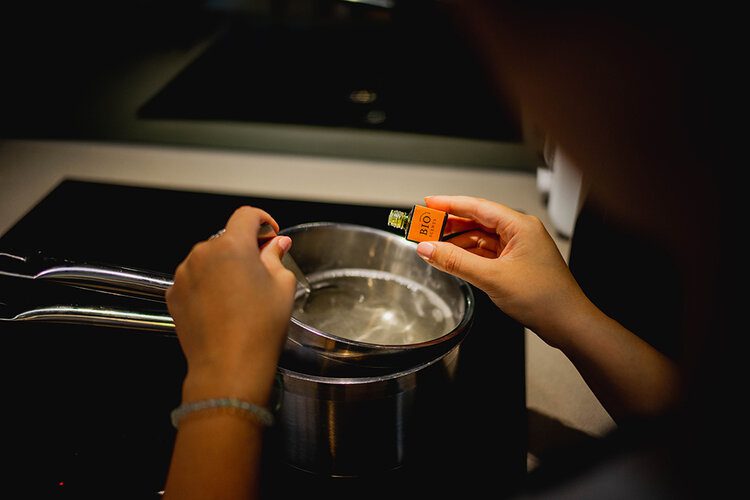


    This article is a sponsored piece with Coconut & Cotton and Saalt. I was originally and still remain a customer of Saalt and Coconut & Cotton. I highly recommend purchasing your low-waste menstrual health supplies from both of these brands as their advocacy for our environment and menstrual health is unparalleled. 

    As a Saalt Partner I may earn from qualifying purchases made using my affiliate link.

    Use code “HAPPYPLANET15” for a 15% discount on all Saalt products for Earth Day!

    Earth Day discount code is valid from 22nd April – 25th April 2021.

  • Best locations to photograph Tower Bridge

    Best locations to photograph Tower Bridge

    Tower Bridge, often confused for London Bridge, is one of the most iconic landmarks in London, England. This fully functioning Victorian bascule bridge has helped countless people to travel between the banks of the river by foot or road vehicle and ships to sail down the Thames since June 1894, when Tower Bridge was first opened to public use.

    This Tower Bridge photography guide shares where to get photos of Tower Bridge from all its glorious angles, how to get there, where to eat with a view of Tower Bridge, who designed it, when it lifts open, which movies Tower Bridge is in and more!

    Whatever your reason for visiting one of the most fascinating and beautiful bridges in the world is, this guide will help you find 14 of the best locations to take your Tower Bridge pictures.

    Tower Bridge location

    Tower Bridge is located in Tower Hamlets and Southwark, between the Thames Tunnel and London Bridge. Built between 1886 and 1894, Tower Bridge takes the London Inner Ring Road across the River Thames passing some of London’s most significant and famous landmarks: HMS Belfast, St Paul’s Cathedral and Tower of London and from it you can see The Shard, The “walkie-talkie” (20 Fenchurch St) which has London’s Sky Garden, the Gherkin (30 St Mary Axe) and on the other side you can see Canary Wharf.

    Tower Bridge often gets confused for London Bridge, I get it because it’s the most famous bridge in London but London Bridge is actually a much smaller bridge next to it. Check out number 7 to read more.

    Tower Bridge architects

    The Victorian structure, designed by Sir Horace Jones and John Wolfe Barry, was the largest bascule bridge (lifting bridge) at the time it was built and is still to this day considered an engineering marvel. 

    When there isn’t a worldwide pandemic Tower Bridge is open to the public. The museum includes a tour of the historic engine rooms and access to the glass walkway 42 metres above the River Thames.

    The Queen’s Walk, HMS Belfast

    When to see Tower Bridge lift

    Tower Bridge lifts about 800 – 850 times a year and when it does it kinda feels like magic. Click here to see the bridge lift schedule and what vessel will be passing beneath.

    Tower Bridge in TV and film

    Tower Bridge is one of the most recognisable landmarks in London and has been featured in many blockbuster films such as Spider-man: Far From Home (2019), Mission: Impossible (1996) Mary Poppins Return (2018), Sherlock Holmes (2009), Fast & Furious 6 (2013), 28 Weeks Later (2007), Bridget Jones’ Diary (2001) and The Edge of Reason (2004) – to name a few.

    Nearest tube station to Tower Bridge

    The nearest tube station to Tower Bridge is Tower Hill on the Circle and District lines.

    See number 14 on this list for how to visit Tower Bridge via one of London’s red buses.

    Places to eat near Tower Bridge

    There are so many restaurants and bars in London where you can eat with a view of Tower Bridge, here are some of my favourites:


    • Tavolino Bar & Kitchen – see number 9 for photos and more info.


    • Jin Bo Law – see number 10 see for photos and more info.


    • GŎNG at Shangri-La The Shard – see number 11 for photos and more info.


    • Le Pont de la Tour – see number 12, Butler’s Wharf, for photos and more info.


    If you haven’t gathered already, Tower Bridge is a pretty special bridge. For me it’s one of those landmarks that you can’t help but marvel at, no matter how many times you’ve seen it and there’s no wonder why it’s one of the most Instagrammed landmarks in London. So I’ve put together a list of 12 of the best locations in London to take photos of Tower Bridge so you can admire her too and maybe get some pretty photos on the way.

    1. St Katherine Docks

    Located on the left bank of the River Thames is St Katherine Docks, the only marina in central London and one of the best spots for getting close to Tower Bridge without being on it. 

    From here you can get amazing photos looking up at the bridge with either Girl With A Dolphin fountain or The Time Piece Sundial. Alternatively you can swing from a lamppost or pop a squat on one of the benches opposite The Tower Hotel.

    The best time to take photos at St Katherine Docks is early morning, ideally sunrise, as the benches here get crowded in the day time with everyone taking a coffee or lunch break. Also London Bridge at sunrise on a clear day is nothing short of glorious. Right when the sun is low enough that it only catches a select few buildings it illuminates the unobstructed Tower Bridge and turns the two towers golden – it’s really worth the early rise.

    If you don’t care for early starts and empty locations then visit in the afternoon when you can take a stroll around the central London marina and enjoy lunch in one of the many surrounding restaurants.

    The closest tube station to St Katherine Docks is Tower Hill on the District and Circle Lines.

    2. On Tower Bridge

    With a pedestrian bridge on both sides of the bridge, one of the very best places to experience and photograph Tower Bridge is on the bridge itself.

    Tower Bridge’s pedestrian walkways are open 24/7 unless the bridge is opening, it’s not often but to be sure you can check here.

    It goes without saying that the later in the day you go, the busier it gets but part of the magic of walking across Tower Bridge is joining other tourists and Londoners who are swept up in the beauty of this Victorian masterpiece as much as you.

    The best locations on the bridge to get photos are from either end before the first tower. Once in-between the two towers it’s a little harder to capture them in the background as they’re close together and you can’t get as much distance as the ends of the bridge.

    If you want a red bus then fear not, plenty will pass whilst you’re on the bridge but as always, the second you want one there won’t be one in sight! Be patient as one will come and hey, you might even get a Black Taxi Cab too!

    The closest tube station to Tower Bridge is Tower Hill on the District and Circle Lines or London Bridge on the Jubilee and Northern lines.

    3. Butler’s Wharf

    On the south bank of the River Thames is Butler’s Wharf, an old warehouse that is now home to restaurants and luxury apartments.

    From Butler’s Wharf you can get photos of/with Tower Bridge with some on London’s most famous skyscrapers in the background: The Gherkin (30 St Mary Axe), “walkie-talkie” (20 Fenchurch Street) and “cheese grater” (The Leadenhall Building).

    Though it’s quieter in the morning, the right bank of the River Thames is more popular and has heavier footfall so you may be joined by joggers and dog walkers. For the most enjoyable experience, book a table at one of the waterfront restaurants opposite Butler’s Wharf Pier.

    There’s two locations for taking photos of Tower Bridge worth noting at Butler’s Wharf. The first is opposite Butler’s Wharf Chop House restaurant, right where the railing starts on the wall. Use the railing as leverage to get up on the wall to sit for a photo (trust me it’s so much easier than trying to hop up the wall, especially if you’re short). The second spot is opposite the restaurant Le Pont De La Tour.

    PFH Top Tip: Between Butler’s Wharf and The Queen’s Walk/Potters Fields Park is WatchHouse Tower Bridge, an artisanal coffee shop with some of the most incredible cakes and pastries. I had a banana and Nutella brownie and it was like a cookie, brownie and slice of banana bread had a baby and that baby was delicious.

    The closest tube station to Butler’s Wharf is Tower Hill on the District and Circle Lines or London Bridge on the Jubilee and Northern lines.

    4. The Queen’s Walk

    The Queens Walk is the most popular spot to take photos of/with Tower Bridge. It’s the spot you’ll see most on Instagram, most likely featuring girls with big skirts, a bow in their hair and a bouquet of flowers (hey no prop judgement here, does it look like I’m reading the Metro above? To be clear, I did later it wasn’t wasted). If you only have time for one spot to take photos then this is the one as it’s the most recognised.

    The wall does vary in height if you’re planning on sitting but be advised that on the other side is a long drop to the Thames, so whatever you do be careful.


    Though it’s easy to get photos along the wall here any time of day – the wall is long and unobstructed – be prepared to have an audience. Opposite the wall, along The Queen’s Walk, is Potters Fields Park (next on this list) which is perfect for enjoying an ice cream or coffee from WatchHouse Tower Bridge, but no so convenient for taking photos when you feel self-conscious about it. 

    When photos aren’t your priority, take a leisurely stroll along The Queen’s Walk, it’s a really lovely way to see the city and passes the London Eye, Shakespeare’s Globe Theatre and Tate Modern.

    The closest tube station to this part of The Queen’s Walk is Tower Hill on the District and Circle Lines or London Bridge on the Jubilee and Northern lines.

    5. Potters Fields Park

    As mentioned above, Potters Fields Park is located opposite part of The Queen’s Walk that is right next to the south bank steps leading up to Tower Bridge. 

    This tiny park in the centre of London is the best free location to sit and enjoy a coffee, picnic, ice cream (for most of the year there’s an ice cream truck here) or beer (public drinking is allowed in England – please drink responsibly) whilst looking out across the River Thames to the some of the landmarks that make up London’s skyline, including Tower Bridge.

    Potters Fields Park is significantly quieter in the morning than any other time of day as it’s a popular spot for outdoor socialising.

    The closest tube station to Potters Fields Park is Tower Hill on the District and Circle Lines or London Bridge on the Jubilee and Northern lines.

    6. More London Riverside

    Nestled between the buildings that make up More London, on the river bank next to HMS Belfast, is a walkway called More London (yeah hella confusing, I know) where you can spy Tower Bridge poking out from behind City Hall, otherwise known as the Snail.

    Footfall in More London is heavy so arrive before 8am if you want to use the buildings to frame Tower Bridge without other people in your photo.


    The closest tube station to More London is London Bridge on the Jubilee and Northern lines.

    7. London Bridge

    Located half a mile along the River Thames is London Bridge, the best bridge to snap a photo of Tower Bridge.

    From London Bridge you can capture Tower Bridge with HMS Belfast in the foreground and Canary Wharf in the back. 

    Have a zoom lens at the ready for photos of Tower Bridge from London Bridge as they’re about half a mile apart from each other.

    London Bridge isn’t a location you have to worry about timings in terms of footfall but the time of day will have a dramatic effect on your photos. In spring/summer the sun rises behind Tower Bridge from this location so keep that in mind when you plan your arrival time. 

    Michael and I look these photos at 8.30am in April for reference.

    Once you’ve taken your photos of Tower Bridge from London Bridge stroll over to Borough Market (open Monday – Saturday) for something to eat or drink. Borough Market is one of the oldest food markets in London and offers a huge variety of global cuisines and specialised delicacies.

    The closest tube station to More London is London Bridge on the Jubilee and Northern lines.

    8. Thames Path

    A little further away from the other seven locations for taking photos of Tower Bridge on this list is a spot on the Thames Path, a walkway that for the most part runs parallel along the River Thames.

    Opposite Tower Bridge Wharf building on the left bank of the River Thames is a popular spot for giving your feet a rest. From these benches you look out across the river and see Tower Bridge and The Shard just behind.

    I really recommend planning a walk on the Thames Path for a sunny day – it’s one of my favourite walks in London. Start at Canary Wharf and walk along the river and I know you’ll be impressed when you suddenly turn a corner at this very spot (opposite Tower Bridge Wharf building) and bam! Tower Bridge and The Shard are right in front of you.

    The closest tube station to this area of the Thames Path is Tower Hill on the District and Circle Lines.

    9. Tavolino Bar & Kitchen

    Tavolino Bar & Kitchen is an Italian restaurant along the south bank of the River Thames and is another spot in More London which I mentioned in number 6 on this list.

    Tavolino is split across two floors and a terrace, all of which offer a spectacular view of Tower Bridge. It’s actually a pretty perfect place in London to take photos of or with Tower Bridge and dine with said view as for the most part, especially the terrace, the views of the bridge from each level are unobstructed.

    Book Tavolino to avoid disappointment on a sunny day. There are 100 seats inside though so it’s unlikely to be full unless you visit during a particularly popular time such as Christmas.

    How to get to Tavolino Bar & Kitchen

    The closest tube station to Tavolino is London Bridge on the Northern and Jubilee Lines. From there it’s a 6 minute walk to More London along the river Thames where Tavolino is located.

    10. Jin Bo Law 

    Jin Bo Law is the skybar at the Dorsett City London hotel in Aldgate, East London. Despite only being located on the 14th floor (usually you need a fair bit of height in London for killer views of the city) Jin Bow Law offers a spectacular view some of the city’s most iconic landmarks including the Shard, Gherkin, “walkie-talkie” (where the Sky Garden is located) and the one you’re here for: Tower Bridge.

    Jin Bo Law is the perfect spot to combine getting Tower Bridge photos with a night out in the city.

    Reserve a table to avoid disappoint – speaking of avoiding, heads up there’s a minimum spend on Friday nights.

    How to get to Jin Bo Law

    The closest tube station to Jin Bo Law is Aldgate on the Circle and Metropolitan lines, the station is located right next to the Dorsett hotel where Jin Bo Law is located.

    Alternatively you can travel via the District or Hammersmith & City Lines to Aldgate East station which is a 5 minute walk away from Jin Bo Law down Aldgate High Street. 

    You can also get to Jin Bo Law on the tube from Liverpool St Station which is accessible via the Central, Circle, Hammersmith & City and Metropolitan Lines and the National Rail, it’s an 8 minute walk.

    11. GŎNG bar at Shangri-La The Shard

    GŎNG is the bar at the top of Shangri-La The Shard, the five star Singapore hotel chain that sits right at the top at one of London’s newer landmarks.

    GŎNG is located 52 stories up in The Shard and offers one of the best photo locations in London as it’s the highest bar in all of Europe. As I mentioned in my review of Shangri-La The Shard, going for a drink at GŎNG bar is a far superior experience over booking a ticket for The View From The Shard. Granted the viewing platform offer 260º views but it costs £25 per person and compared to the minimum spend of £35 per person it makes more sense to enjoy the view with a drink for almost the same cost, no? Of course you do you, I just think this is the smarter option.

    You can’t book a specific table at GŎNG so I’m afraid you can’t be guaranteed a view of Tower Bridge but you can request it and if you book for a quieter time (avoid 5-8pm on Fridays and weekends for example) then you might stand a better chance of getting this corner table.

    If you want to find out how to get free perks whilst staying at Shangri-La then take a look at my blog post How to make the most of your stay at Shangri-La The Shard, London.

    How to get to GŎNG bar a Shangri-La The Shard

    The closest tube station to GŎNG is London Bridge on the Northern and Jubilee Lines. Take the exit for The Shard or Guy’s and St Thomas’ Hospital, it’s signposted within London Bridge station, The Shard is located right next to this exit. Enter through the Shangri-La entrance on St Thomas street and the concierge will give you access to the elevator to GŎNG.

    12. Le Pont de la Tour

    Le Pont de la Tour is a French restaurant at Butler’s Wharf on the south bank of the River Thames. As I mentioned under number 3 above, Butler’s Wharf is a great place to take photos of Tower Bridge and one of the more quiet ones.

    When the weather accommodates for al fresco dining, the terrace at Le Pont de la Tour offers tables with a beautiful view of Tower Bridge with the “walkie-talkie” and Gherkin as a backdrop. Unfortunately for us when we dined at Le Pont de la Tour the weather was about right for a true British bank holiday Monday as it rained the entire day and into the night, so our photo truly doesn’t do it justice, I know you’ll do better!

    When we visited we enjoyed the Côte de Bœuf with béarnaise sauce and it really was incredible.

    Make a booking on the terrace – it’s heated during the cooler months – for a view of Tower Bridge at Le Pont de la Tour.

    How to get to Le Pont de la Tour

    The closest tube station to Le Pont de la Tour is Tower Hill on the Circle and District Lines or London Bridge on the Jubilee or Northern Line. From Tower Hill you’ll get to cross Tower Bridge.

    13. Tíng at Shangri-La The Shard 

    Up on level 35 of the Shangri-La hotel at The Shard is where you’ll find the hotel’s restaurant Tíng. 

    Tíng is where you can enjoy every meal of the day and if you’re feeling extra fancy a 3-5 course tasting menu is served in the evening but the most impressive (and popular) meal to eat at Tíng is their famous afternoon tea.

    Look out across pretty much all of the best parts of London, including Tower Bridge, whilst treating yourself to one of Britain’s favourite pastimes: afternoon tea. With each season comes a different theme. The two pictured here are their Alpine Afternoon Tea which was their 2021 festive theme and the other is their annual Pink Afternoon Tea in support of breast cancer research.

    All afternoon teas at Tíng start with a complimentary welcome tea served within a mesmerising dry ice display that spills out across your table so you really are dining above the clouds as you look down on Tower Bridge. It’s actually my favourite place to enjoy afternoon tea in London.

    If you want to find out how to get free perks whilst staying at Shangri-La then take a look at my blog post How to make the most of your stay at Shangri-La The Shard, London.

    How to get to Tíng at Shangri-La The Shard

    The closest tube station to Tíng restaurant is London Bridge on the Northern and Jubilee Lines. Take the exit for The Shard or Guy’s and St Thomas’ Hospital, it’s signposted within London Bridge station, The Shard is located right next to this exit. Enter through the Shangri-La entrance on St Thomas street and the concierge will give you access to the elevator to Tíng on level 35.

    14. The 343 red bus over Tower Bridge 

    One of the best ways to experience Tower Bridge is to cross it on one of London’s iconic double decker red buses. If you’re really lucky, maybe you’ll be able to sit on the top deck right at the front!

    If you’re already in the area taking Tower Bridge photos from one of the many spots in this list of places to take Tower Bridge photos then you can simply hop on the bus just before the bridge to take it across and then jump off on the other side see Tower Bridge from the other side of the River Thames.

    For this quick ride you’ll want to pick up the 343 bus from Tower Hill Tower Gateway Station (Stop TE) heading towards New Cross Gate. Buses run regularly throughout the day (although there’s never one when you want one) so you won’t be waiting long. As soon as you pay to board, either via a contactless or Oyster card, take the flight of steps up on the left as quickly as possible – the bus will pull away as soon as the doors close – and head to the front of the bus. There will be just enough time to set up your camera or pull out your phone.

    A couple of other locations that offer views of Tower Bridge from above are:


    • The London Eye


    • The Sky Garden


    Butler’s Wharf

    I hope you enjoy these 12 best locations in London to take photos of Tower Bridge. I’ve picked each one with not only amazing photography opportunities in mind but because they each offer a new part of London to explore. It took me a long time to shake the feeling that the photo is the most important thing so my best piece of advice for visiting these places is to enjoy the area whilst you are there. Get a coffee, go for walk, enjoy an ice cream and enjoy the view. 

    Use #postcardsfromhawaiiblog to share your Tower Bridge photos so I can share them!

    Do more on & for the planet, Gabriella

    Pin this post
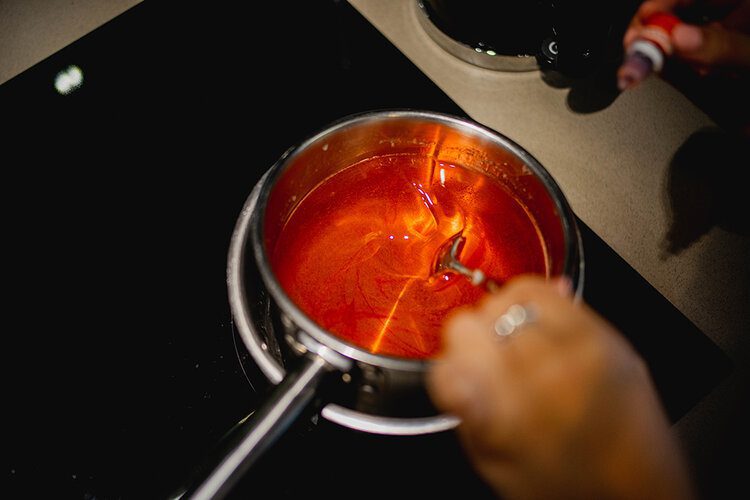


  • Eco-conscious Cornwall packing guide

    Eco-conscious Cornwall packing guide

    Whether it’s a staycation within the UK or you’re coming from far and wide (post pandemic) a holiday/vacation to Cornwall in south-west England will be one of your best adventures in Great Britain. 

    If you haven’t already take a look at my previous travel guide for Cornwall, 8 beautiful places to visit in Cornwall part 1 and part 2 to learn about everything you don’t want to miss on your trip. There’s something for everyone from indulging on Cornish pasties and cream teas to riding waves and hiking to medieval castle ruins.

    To help you prepare for your best trip to Cornwall I’ve put together this pinpointed packing guide for some key things that will make life so much easier on your holiday/vacation to the Cornish coast.

    Wetsuit

    One of the most ideal things to pack for a trip to Cornwall is a wetsuit as it’s one of the top locations in the world for water sports. It will insulate you when the water is chilly and protect your skin from board rash so if you already have one this is definitely the trip to pack it.

    If you don’t have a wetsuit, don’t panic as you’ll have plenty of options for renting them out at a low cost and some tourism companies include wetsuit rental in their prices – check ahead of time just to be sure. 

    Swimsuit  

    Unless you are going in the middle of winter and have no intentions of getting into the sea, the first thing you should be packing for a trip to Cornwall is your swimsuit. 

    The beaches in Cornwall are the best I’ve been to in the UK. Golden sands + turquoise waters + warm sunshine = the perfect set up for very long and lazy beach days.

    Whether you’re jumping into a wetsuit and onto a surfboard, cooling off in the ocean, going for a swim at one of the many sea pools and lidos in Cornwall or laying out in the sun a swimsuit is a Cornwall staycation necessity. 

    Of course you can wear whatever makes you feel comfortable and if that’s not a swimsuit than I am here for you no matter what you choose. My message is more that if you do choose a swimsuit and it’s time to purchase a new one look for one made from recycled fabric or even biodegradable (yah that’s a thing now, I’m yet to try but I hear good things). I have a few swimsuits made from recycled plastic bottles and you would never know from the texture.

    The most responsible thing is to use the swimsuits you already have though so as difficult as it is and I REALLY understand this one, please try to limit your purchases and use what you have.

    Another tip for swimwear is to purchase interchangeable sets or reversible pieces for more options on your travels.

    Dock and Bay towel/poncho

    The most sustainable choice would be to pack a towel you already own but if you need a new one then I recommend one from Dock & Bay. Michael and I been using Dock & Bay products since 2018 for the following reasons:


    • All of their products are now made from 100% recycled materials.


    • They’re part of the blue light card discount for NHS staff.


    • 5% of their profits go to one of their partnered environmental charities. Their 2021 partner is WWF and if you purchase one of their two collaborative towels they will donate 20% of those profits to WWF.


    • They are compact and pack down much smaller than a regular towel.


    • They dry x3 times faster than a regular towel.


    • They’re sand resistant so you can shake it right off.


    Along with one of the XL towels which are perfect for stretching out on to sunbath or to share with someone else for a picnic, the towel you absolutely need for a trip to Cornwall is one of Dock & Bay’s ponchos. 

    Their super absorbent towels are the best accessory for any waterspouts from surfing to kayaking and for hanging out on the beach. I forgot to bring mine and Michael could tell you I said “I wish I had my Dock & Bay poncho” every. single. day. As they’re made from the same material as the towel they’re just as absorbent and lightweight but the reason they’re perfect for a trip to Cornwall is because they’re big enough to get changed in and out of your swimsuit in public without revealing yourself to the world.

    Dry bag

    Dry bags are a must have for me when I’m going anywhere near the water for two reasons:

    1. They keep your belongings together and dry on the beach, paddle board, boat etc. You can us it to store suncream, your phone, car keys etc.

    2. You can pop your wet swimsuit and towel in it after you’ve changed and it will stop everything else from getting damp.

    Look after your dry bag and it will see you through many years of travelling all over the world. 

    Sandals/trainers suitable for hiking 

    The South West Coastal Path is the longest walking trail in England. At 630miles long it passes through Somerset, Devon, Cornwall and Dorset. Whether you’re embarking on the full length or just enjoying parts of it, the trail is an opportunity to get some of that fresh sea-air in your lungs – the kind that people say will make you sleep better – to be at one with nature and enjoy some incredible views of the prettiest coastline in England.

    The path is natural and therefore uneven so though it wouldn’t be impossible to take it on in flip flops but it would be super uncomfortable. For this reason I think a pair of trainers, hiking boots or some bang-on-trend Dad sandals (like these ones from Dune) is something you need on your feet for enjoying long walks in Cornwall without the risk of rolling your ankle.

    To prevent unnecessary waste make sure that when you purchase a pair of shoes or sandals they are high quality, made with care and meant to last. A comfortable pair of shoes is one of the most important things to me and something I value highly in the world (hence why I work with Dune) I believe an uncomfortable pair of shoes can ruin your day let alone your travels – and trust, I’ve been there. So look for shoes that are comfortable for you, sensible and versatile so you can enjoy them for years on your travels around the world. 

    Biodegradable disposable BBQ

    I don’t know about you but BBQs along with Pimm’s are my first thought when I hear the word summer. Was it even summer if you didn’t have a BBQ? 

    With over a million sold each summer in the UK it’s safe to say disposable BBQ grills are a popular summer accessory HOWEVER safe they are not. Regular disposable BBQs are not-only single use but they are toxic, non-recyclable nor biodegradable. 

    Of course we love the idea of being able to take a little BBQ out to the beach or the park to cook up a quick feast with friends and family under the sun so what’s the alternative? It’s pretty simple: a biodegradable disposable BBQ grill!

    We purchased our sustainable BBQ grill from Casus Grill for the following reasons:


    • It’s made from 100% natural materials: bamboo, lava stone, recycled cardboard and charcoal


    • Everything but the lava stone is biodegradable


    • Remove the lava stones and use on a fire, campfire or log burner – they are a neutral product that will return to earth when burnt


    • It’s free from fossil waste


    It lit quickly (out of the wind) and was ready to cook on within an hour. If you need to purchase a disposable BBQ try to choose a sustainable grill from now on to reduce your impact on our planet. I recognise they are more expensive and not everyone is in a position to buy one but I encourage you to make this choice if you are able to.

    DO NOT leave any kind of disposable BBQ in an enclosed space, the carbon monoxide fumes are poisonous and may result in death.

    Reusable water bottle

    Stay hydrated kids, there are very few things in life more important than drinking water. Please don’t go littering the earth with endless single-use plastic bottles to do this though, instead bring a reusable water bottle.

    By law all licensed pubs, bars, nightclubs, cafes, restaurants, takeaway food and drink outlets, cinemas and theatres are required to provide tap water to anyone who (politely) asks for it. Though pandemic rules have made this a little difficult so be smart about it, it is absolutely acceptable to ask for your bottle to be filled with tap water so just think of all the money you’ll be saving as well as plastic!

    I always recommend a thermal one as most will keep cold liquids cool for 24 hours and hot liquids warm for 12 hours which is not only super handy on travels around the world but it also cuts out that nasty risk of plastic water bottles poisoning you when you leave them in the car to get warm.

    My thermal bottle is from Dopper and if you’re interested in why I love it so much you can read about here.

    Waterproof phone case or camera case  

    This truly depends on the kind of traveller you are. If you love to document your adventures, are outdoorsy or even clumsy then a waterproof case for your camera or phone will suit you on Manu of your travels, however if you like to be in the moment and reduce your screen time then this won’t necessarily be an accessory you need on your packing checklist for Cornwall.

    If you do want one, look for one that fits multiple phone makes and models so that you don’t need to buy a new one when you get a new phone. 

    Better still, though it is more cumbersome, invest in a waterproof camera case so that you have better quality photos and are less likely to need a new camera case as cameras last far long than phones. 

    Reef-safe sun cream  

    Cancer doesn’t discriminate folks the sun will cause damage to everyone’s skin so always protect it from harmful UV rays by wearing suncream/sunscreen/sunblock – whatever you call it, wear it!

    Unfortunately chemicals that go into most suncreams to help protect us from the sun have harmful effects on creatures living in the sea so when we enter the water wearing sun protection made with oxybenzone and octinoxate they wash off and cause corals to bleach and die and when they die an entire ecosystems are destroyed. That means no more colourful reefs to explore on your travels.

    Over 50% of our planet’s coral reefs have been destroyed in the last 30 years due to Climate Change and pollutants. Next time you purchase sunscreen make sure it doesn’t contain oxybenzone and octinoxate. Instead look for sunscreen that contains zinc oxide and titanium dioxide, these are not linked to coral bleaching and will still protect your skin from harmful UV rays.

    You may be thinking, but Gaby I won’t be exploring tropical coral reefs in Cornwall so why is wearing a reef-safe sunscreen important? Our oceans are connected and whether you’re swimming in Cornwall or Mauritius once you’re in the water those chemicals are casing harm to something in our global waters so please try to purchase reef-safe suncream when your current one runs out.

    I have been using Shade – sold through Coconut & Cotton – as it is a natural suncream that is free from any harmful chemicals plus the package is plastic free and reusable.

    Other reef safe suncream brands I use (but have reduced as they are sold in single-use plastic bottles) are Australian Gold and Hawaiian Tropic.

    Raincoat

    Though for the most part the weather is beautiful in Cornwall the weather can drastically change should a storm roll in from the Atlantic. Whilst in Cornwall towards the end of September the weather went from shorts-and-tshirts weather to wet, windy and cold overnight. 

    To be prepared pack a raincoat no matter the time of year you’re going – after all it’s not the weather than can hold you back from having a good time it’s how you dress for it.

    If you don’t own a good waterproof coat look for one with taped seams for extra protection from wet weather. I’ve had my Joules one for years and it has seen me through freezing cold and wet conditions in Scotland so I highly recommend it but you don’t have to spend heaps on a rain coat, Michael has one from Mountain Warehouse which was much cheaper and it saw him through the same weather.

    Looking for a raincoat with taped seams will ensue that coat is more durable which means will have better longevity that ultimately means it’s a more sustainable way forward than buying endless cheap raincoats or worse single-use plastic ponchos.


    .  

    Do more on & for the planet, Gabriella

    Pin this post
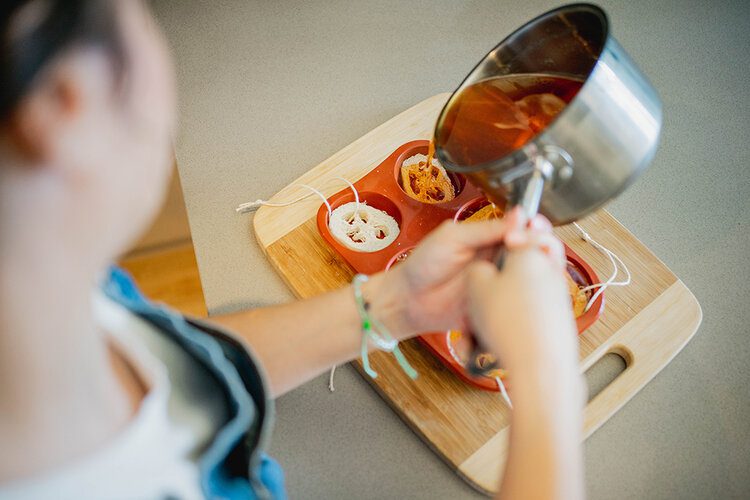


    As an Amazon affiliate I may earn from qualifying purchases.